Bushra Griffith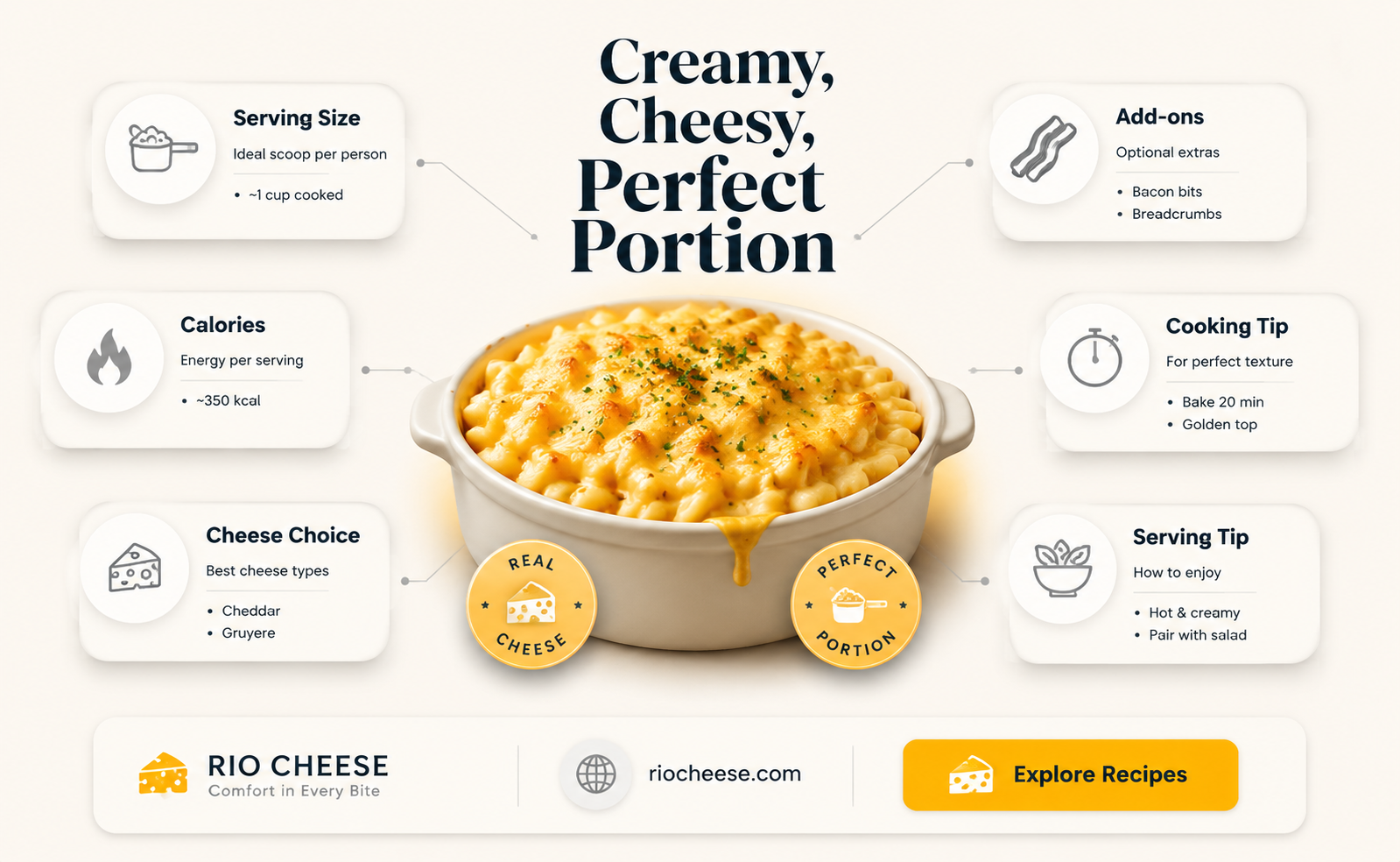
When planning a meal, one of the key considerations is portion size. For a comforting dish like macaroni and cheese, it's essential to know how much to prepare per person to ensure everyone gets a satisfying serving without overindulging or wasting food. The ideal portion of mac n cheese per person can vary based on factors such as age, appetite, and whether it's being served as a main course or a side dish. Generally, a standard serving size for macaroni and cheese is about 1/2 to 3/4 cup per person when served as a side dish. However, if it's the main course, you might want to increase the portion to 1 to 1 1/2 cups per person. Keep in mind that these are general guidelines, and individual preferences can vary, so it's always a good idea to consider the specific needs and tastes of your guests when planning your meal.
Explore related products


What You'll Learn
- Serving Sizes: Recommended portions for different age groups and activity levels
- Nutritional Considerations: Caloric and macronutrient content per serving
- Cost Analysis: Price per serving based on ingredient quality and brand
- Cooking Instructions: Steps to prepare mac n cheese for optimal taste and texture
- Variations and Add-Ins: Popular mix-ins and flavor enhancers to customize the dish

Serving Sizes: Recommended portions for different age groups and activity levels
Determining the appropriate serving size of macaroni and cheese can be challenging, especially when catering to different age groups and activity levels. According to the USDA, a standard serving size for macaroni and cheese is about 1 cup (227 grams). However, this may not be suitable for everyone. For instance, children between the ages of 2 and 6 may only need about 1/2 cup (113 grams) per serving, while teenagers and adults with higher caloric needs may require up to 1.5 cups (340 grams) per serving.
It's also important to consider activity levels when determining serving sizes. Individuals who are more physically active may require larger portions to meet their energy needs. For example, an athlete may need up to 2 cups (454 grams) of macaroni and cheese per serving, while someone with a sedentary lifestyle may only need 1 cup (227 grams).
When serving macaroni and cheese to a group of people with varying ages and activity levels, it's best to prepare individual portions to ensure everyone gets the right amount. This can be done by using a measuring cup or a food scale to portion out the macaroni and cheese. Additionally, offering a variety of side dishes, such as vegetables or salads, can help balance out the meal and provide additional nutrients.
In conclusion, serving sizes for macaroni and cheese should be based on age, activity level, and individual needs. By taking these factors into consideration, you can ensure that everyone gets the right amount of macaroni and cheese to meet their nutritional needs.
Elevate Your Mac and Cheese: The Smoked Gruyère Twist
You may want to see also
Explore related products


Nutritional Considerations: Caloric and macronutrient content per serving
Analyzing the caloric and macronutrient content of macaroni and cheese is crucial for understanding its nutritional impact. A standard serving of homemade macaroni and cheese (approximately 1 cup or 200 grams) contains around 350-400 calories. This calorie count can vary significantly based on the ingredients used, such as the type of pasta, cheese, and any additional fats or oils.
In terms of macronutrients, macaroni and cheese is predominantly a source of carbohydrates and fats. The pasta provides the majority of the carbohydrates, while the cheese and any added fats contribute to the overall fat content. A typical serving can contain anywhere from 40-60 grams of carbohydrates and 15-25 grams of fat. Protein content is relatively low, usually around 10-15 grams per serving, primarily coming from the cheese.
It's also important to consider the micronutrient profile of macaroni and cheese. While it can be a good source of certain vitamins and minerals, such as calcium and vitamin D from the cheese, it often lacks in others like fiber and vitamin C. Additionally, store-bought or pre-packaged versions may contain higher levels of sodium and preservatives.
When planning meals, it's essential to balance the nutritional content of macaroni and cheese with other foods to ensure a well-rounded diet. Pairing it with a side salad or vegetables can help increase the fiber and vitamin content of the meal, while choosing whole-grain pasta and lean protein sources can improve its overall nutritional value.
In conclusion, while macaroni and cheese can be a delicious and comforting dish, it's important to be mindful of its nutritional content and to consume it in moderation as part of a balanced diet. By understanding the caloric and macronutrient content per serving, individuals can make informed decisions about how to incorporate this dish into their meal plans.
Elevate Your Mac and Cheese: The Asiago Cheese Twist
You may want to see also
Explore related products


Cost Analysis: Price per serving based on ingredient quality and brand
To conduct a thorough cost analysis of macaroni and cheese based on ingredient quality and brand, we must first understand the variables at play. The price per serving can fluctuate significantly depending on whether you opt for budget-friendly or premium ingredients. For instance, using high-quality, organic pasta and artisanal cheese will naturally increase the cost compared to their conventional counterparts.
Let's break down the cost components. Pasta, cheese, milk, and butter are the primary ingredients. Each of these can be sourced from a range of brands, from store brands to well-known, high-end producers. A cost comparison between these options will reveal the price disparity. For example, a box of organic pasta might cost $3, while a similar quantity of non-organic pasta could be as low as $1. Similarly, a pound of premium cheese like Gruyère or Cheddar can cost upwards of $10, whereas a basic American cheese blend might be priced around $5.
In addition to ingredient quality, portion size plays a crucial role in determining the cost per serving. If you're serving a larger group, buying ingredients in bulk can lead to cost savings. Conversely, preparing individual servings will likely increase the price per person due to the inefficiencies of small-scale cooking.
To illustrate this, let's consider a scenario where you're preparing macaroni and cheese for a family of four. Using mid-range ingredients, you might spend approximately $15 on pasta, cheese, milk, and butter. If you serve generous portions, this could translate to about $3.75 per person. However, if you opt for premium ingredients, your total cost could rise to $30 or more, pushing the price per serving to around $7.50 or higher.
Ultimately, the key to managing the cost of macaroni and cheese lies in balancing ingredient quality with budget constraints. By carefully selecting your ingredients and considering portion sizes, you can create a delicious meal that meets your financial expectations.
Exploring the Size and Satisfaction of a Quart of Mac and Cheese
You may want to see also
Explore related products


Cooking Instructions: Steps to prepare mac n cheese for optimal taste and texture
To achieve the perfect macaroni and cheese, it's essential to follow a few key steps. First, select the right type of pasta; elbow macaroni is a classic choice, but other shapes like shells or penne can also work well. Cook the pasta al dente according to the package instructions, then drain and set aside.
Next, prepare the cheese sauce. Start by melting butter in a saucepan over medium heat. Once melted, whisk in flour to create a roux, cooking for about a minute until it's lightly browned. Gradually add milk, whisking continuously to prevent lumps. Bring the mixture to a simmer and cook until it thickens.
Now, it's time to add the cheese. For the best flavor and texture, use a combination of cheeses such as cheddar, Gruyère, and Parmesan. Grate the cheeses finely and add them to the sauce, stirring until they're fully melted and incorporated. Season with salt, pepper, and a pinch of nutmeg for extra flavor.
Combine the cooked pasta with the cheese sauce, ensuring that each piece is well coated. Transfer the mixture to a baking dish and top with additional grated cheese. Bake in a preheated oven at 375°F (190°C) for about 20-25 minutes, or until the top is golden brown and bubbly.
Let the macaroni and cheese rest for a few minutes before serving to allow the cheese to set slightly. This will help prevent the dish from being too runny and ensure that each bite has the perfect balance of pasta and cheese sauce.
Comfort Food Cravings: Mac and Cheese After Tooth Extraction?
You may want to see also
Explore related products


Variations and Add-Ins: Popular mix-ins and flavor enhancers to customize the dish
One popular variation to consider when customizing your mac and cheese is the addition of proteins. Adding cooked chicken, bacon, or ham can transform the dish into a more substantial meal. For a vegetarian option, try incorporating tofu or tempeh. These proteins not only enhance the flavor but also increase the nutritional value of the dish.
Another way to elevate your mac and cheese is by experimenting with different types of cheese. While traditional recipes often call for cheddar, you can mix in other varieties like Gruyère, Gouda, or blue cheese for a unique flavor profile. Additionally, consider adding a blend of spices such as paprika, cayenne pepper, or garlic powder to give the dish a kick.
For those looking to add some heat, incorporating hot sauce or diced jalapeños can provide a spicy twist. On the other hand, if you prefer a milder flavor, try mixing in some sour cream or yogurt. This will not only tone down the spiciness but also add a creamy texture to the dish.
When it comes to serving, consider garnishing your mac and cheese with fresh herbs like parsley or chives. This simple addition can enhance the visual appeal and add a burst of freshness to the dish. Additionally, you can top it off with a sprinkle of breadcrumbs or crushed crackers for a crunchy texture contrast.
Lastly, for a more indulgent take, try adding some truffle oil or shaved truffle to your mac and cheese. This luxurious ingredient can elevate the dish to a whole new level, making it a perfect option for special occasions or dinner parties.
Exploring the Cost of Comfort: How Expensive Is Mac and Cheese?
You may want to see also
Frequently asked questions
A general guideline is to prepare about 1/2 to 3/4 cup of macaroni and cheese per person, depending on the size of the side dishes and the appetite of your guests.
Consider the number of guests, the presence of other side dishes, the main course, and whether the macaroni and cheese is a main dish or a side. Also, take into account any dietary restrictions or preferences of your guests.
If macaroni and cheese is the main dish, you may want to increase the serving size to about 1 to 1 1/2 cups per person, depending on the accompaniments and the size of the portions.


![Mac Yourself | Delicious Cheddar Cheese Sauce Mix | Perfect Cheese Powder for Macaroni, Nachos, Veggies and More | 9.3 oz [Pack of 2]](https://m.media-amazon.com/images/I/71YXa4qvdAL._AC_UL320_.jpg)