Bushra Griffith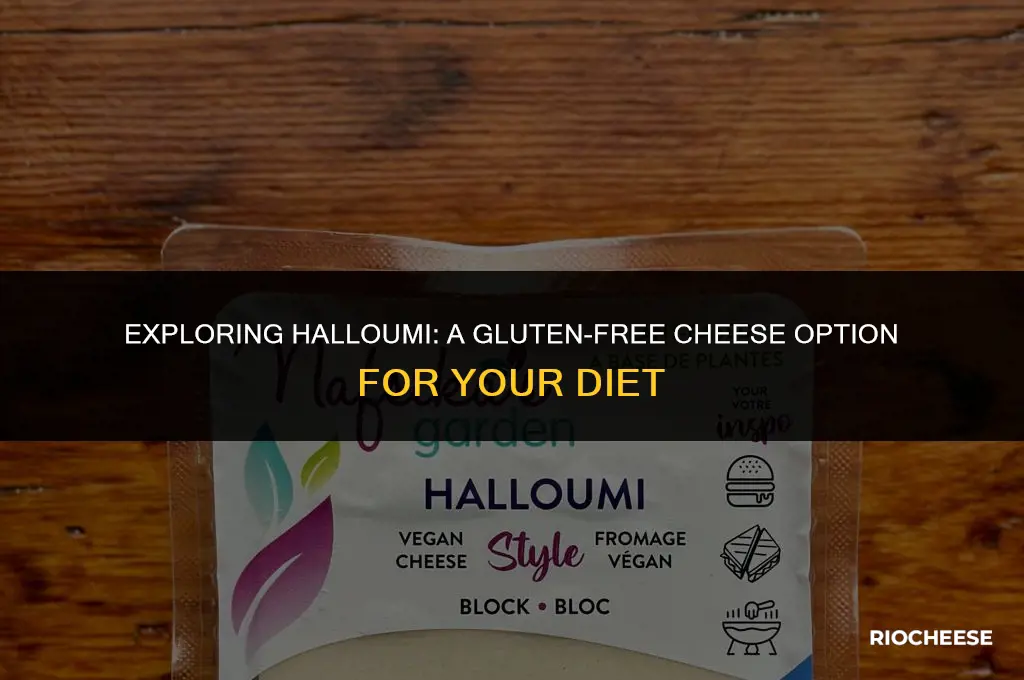
Halloumi cheese, a popular Cypriot cheese known for its distinct flavor and texture, has become a subject of interest for those following a gluten-free diet. As a cheese, halloumi is naturally gluten-free, as it is made from milk and does not contain any wheat or gluten-containing ingredients. However, it's important to note that some halloumi cheeses may be processed in facilities that also handle gluten-containing products, which could lead to cross-contamination. Therefore, individuals with celiac disease or gluten sensitivity should always check the label or contact the manufacturer to ensure the product is safe for consumption.
Explore related products


What You'll Learn
- Halloumi Cheese Composition: Understanding the ingredients and production process of halloumi cheese
- Gluten Presence in Dairy: Investigating whether dairy products like halloumi typically contain gluten
- Cross-Contamination Risks: Examining potential gluten cross-contamination during halloumi cheese production
- Halloumi Brands and Gluten-Free Claims: Analyzing specific halloumi brands and their gluten-free labeling
- Dietary Considerations: Discussing the suitability of halloumi cheese for individuals with gluten intolerance or celiac disease

Halloumi Cheese Composition: Understanding the ingredients and production process of halloumi cheese
Halloumi cheese is a traditional Cypriot cheese known for its distinctive texture and flavor. It is made primarily from sheep's milk, although some varieties may also include goat's milk. The cheese is characterized by its semi-hard texture and is often sliced and grilled or fried, making it a popular ingredient in various dishes.
The production process of halloumi cheese involves several key steps. First, the milk is pasteurized to ensure safety and to kill any unwanted bacteria. Then, a starter culture is added to the milk, which helps to ferment the lactose into lactic acid. This process gives the cheese its tangy flavor and helps to curdle the milk.
Once the milk has curdled, the curds are cut into small pieces and then heated to a specific temperature to expel excess whey. The curds are then molded into their characteristic rectangular shape and left to cool. During the cooling process, the cheese is often turned and pressed to remove any remaining whey and to ensure that it retains its shape.
After cooling, the halloumi cheese is typically aged for a short period, usually a few weeks, to develop its flavor and texture further. During this time, the cheese may be brined or salted to enhance its taste and to act as a preservative.
One of the key aspects of halloumi cheese that makes it a popular choice for those with dietary restrictions is its gluten-free nature. Since halloumi is made solely from milk and does not contain any wheat or gluten-containing ingredients, it is safe for individuals with celiac disease or gluten intolerance to consume. This makes halloumi a versatile ingredient that can be used in a variety of gluten-free recipes, from salads and sandwiches to grilled dishes and appetizers.
Savoring Flavor: Is Grated Romano Cheese Gluten-Free?
You may want to see also
Explore related products


Gluten Presence in Dairy: Investigating whether dairy products like halloumi typically contain gluten
Halloumi cheese, a popular dairy product originating from Cyprus, is often a subject of inquiry for those following a gluten-free diet. The primary concern stems from the fact that many cheeses are aged or processed using agents that may contain gluten. However, halloumi is typically made from sheep's or goat's milk, salt, and rennet, without the addition of any gluten-containing ingredients during its production process.
To thoroughly investigate the gluten presence in halloumi, it is essential to examine the manufacturing process. Traditional halloumi cheese-making involves heating the milk, adding rennet to coagulate it, and then straining the curds. The curds are then cut into small pieces, heated again, and stretched until they reach the desired texture. Finally, the cheese is molded, salted, and left to mature. Throughout this process, there is no inherent inclusion of gluten.
Despite the gluten-free nature of halloumi's ingredients, cross-contamination can occur during production, especially if the cheese is made in a facility that also processes gluten-containing products. Therefore, individuals with celiac disease or gluten sensitivity should opt for halloumi cheese from manufacturers that explicitly label their products as gluten-free or produce them in dedicated gluten-free facilities.
In conclusion, halloumi cheese is generally considered gluten-free, given its traditional production methods and ingredients. However, it is crucial for consumers with gluten sensitivities to verify the manufacturing process and ensure that the product they choose is free from cross-contamination.
Exploring Dairy-Free Alternatives: Is Go Veggie Cheese the Answer?
You may want to see also
Explore related products
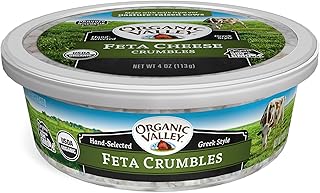


Cross-Contamination Risks: Examining potential gluten cross-contamination during halloumi cheese production
Halloumi cheese, a popular dairy product originating from Cyprus, is typically made from sheep's or goat's milk. The cheese-making process involves several steps, including coagulation, curdling, and brining. While halloumi itself does not inherently contain gluten, there is a risk of gluten cross-contamination during its production, particularly if the cheese is made in a facility that also processes gluten-containing products.
One potential source of cross-contamination is the use of shared equipment or utensils that have come into contact with gluten. For example, if a cheese maker uses the same cutting board or knife to prepare both halloumi and a gluten-containing product, there is a risk that gluten residues could transfer to the halloumi. Additionally, if the brining solution used to cure the halloumi is prepared in a container that previously held a gluten-containing liquid, this could also lead to cross-contamination.
To minimize the risk of gluten cross-contamination, it is essential for cheese makers to follow strict hygiene protocols and use separate equipment and utensils for gluten-free and gluten-containing products. This may involve designating specific areas of the production facility for gluten-free cheese making, thoroughly cleaning and sanitizing equipment between uses, and implementing regular testing to ensure that gluten levels remain below safe thresholds.
Consumers with celiac disease or gluten sensitivity should be aware of the potential risks of gluten cross-contamination in halloumi cheese and take steps to mitigate these risks. This may include choosing halloumi brands that are certified gluten-free, contacting the manufacturer to inquire about their gluten-free practices, or preparing halloumi at home using gluten-free ingredients and equipment.
In conclusion, while halloumi cheese can be a delicious and nutritious addition to a gluten-free diet, it is crucial to be mindful of the potential risks of gluten cross-contamination during its production. By taking appropriate precautions and making informed choices, consumers can enjoy halloumi cheese while minimizing their exposure to gluten.
Exploring Dietary Options: Is Frigo Cheese Gluten-Free?
You may want to see also
Explore related products


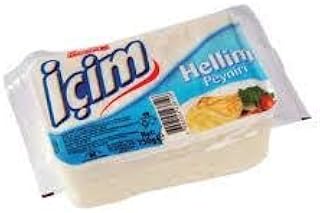
Halloumi Brands and Gluten-Free Claims: Analyzing specific halloumi brands and their gluten-free labeling
Analyzing specific halloumi brands and their gluten-free labeling reveals a complex landscape of dietary claims and consumer concerns. While halloumi cheese itself is traditionally made from sheep's or goat's milk and does not inherently contain gluten, the manufacturing processes and labeling practices of various brands can introduce gluten or gluten-containing additives. This section delves into the nuances of gluten-free labeling in the halloumi industry, examining the claims made by different brands and the potential implications for consumers with gluten sensitivities or celiac disease.
One notable brand, for instance, explicitly states on its packaging that the product is gluten-free, catering to the growing demand for gluten-free dairy options. However, a closer examination of the ingredients list reveals the presence of a thickening agent that may contain gluten. This discrepancy highlights the importance of scrutinizing ingredient lists and understanding the potential sources of gluten in processed foods.
Another brand takes a different approach, opting not to make explicit gluten-free claims on its packaging. Instead, it emphasizes the traditional recipe and natural ingredients used in its halloumi cheese, suggesting that the product is less likely to contain gluten. However, without clear labeling, consumers with gluten sensitivities may be hesitant to try the product, fearing potential cross-contamination or hidden gluten-containing additives.
The lack of standardized gluten-free labeling regulations in the dairy industry further complicates the issue. While some countries have strict guidelines for gluten-free claims, others have more lenient requirements, allowing manufacturers to make ambiguous or misleading statements. This regulatory ambiguity can make it challenging for consumers to navigate the market and find truly gluten-free halloumi options.
In conclusion, the analysis of halloumi brands and their gluten-free labeling underscores the need for transparency and consistency in the food industry. Consumers with gluten sensitivities or celiac disease should remain vigilant when selecting halloumi cheese, carefully examining ingredient lists and contacting manufacturers to verify gluten-free claims. As the demand for gluten-free products continues to grow, it is essential for brands to prioritize clear and accurate labeling, ensuring that all consumers can make informed choices about their dietary needs.
Exploring Garlic Herb Cheese: A Gluten-Free Delight or Not?
You may want to see also
Explore related products


Dietary Considerations: Discussing the suitability of halloumi cheese for individuals with gluten intolerance or celiac disease
Halloumi cheese, a popular dairy product originating from Cyprus, is generally considered safe for individuals with gluten intolerance or celiac disease. This is because halloumi is made primarily from cow's milk, salt, and rennet, none of which contain gluten. The cheese-making process involves coagulating milk, draining the whey, and then pressing the curds into a solid form. Since gluten is a protein found in certain grains like wheat, barley, and rye, and not in dairy products, halloumi does not inherently contain gluten.
However, it is crucial for individuals with gluten intolerance or celiac disease to be cautious about cross-contamination. While halloumi itself is gluten-free, it can come into contact with gluten-containing products during processing, packaging, or handling. For instance, if the cheese is cut or packaged on equipment that is also used for gluten-containing foods, there is a risk of cross-contamination. Therefore, it is advisable for individuals with severe gluten intolerance or celiac disease to look for halloumi cheese that is specifically labeled as gluten-free or to inquire with the manufacturer about their production processes.
Moreover, some halloumi cheeses may be aged or stored in barrels that previously held gluten-containing products, which could also lead to cross-contamination. To avoid this, individuals can opt for halloumi that is aged in new barrels or in barrels that have been thoroughly cleaned and sanitized. Additionally, it is essential to pay attention to any added ingredients or flavorings in halloumi cheese, as these could potentially contain gluten. For example, some flavored halloumi cheeses may include ingredients like herbs, spices, or wine, which could be sources of gluten.
In conclusion, while halloumi cheese is inherently gluten-free, individuals with gluten intolerance or celiac disease should be vigilant about potential cross-contamination and added ingredients. By choosing halloumi that is specifically labeled as gluten-free or by verifying the production processes with the manufacturer, individuals can safely enjoy this delicious cheese without risking gluten exposure.
Exploring Gluten-Free Options: Is Gehl Nacho Cheese Safe for Celiacs?
You may want to see also
Frequently asked questions
Yes, halloumi cheese is naturally gluten-free as it is made from sheep's or goat's milk without any added gluten-containing ingredients.
People with celiac disease can consume halloumi cheese since it does not contain gluten, which is the protein they need to avoid.
While halloumi cheese itself is gluten-free, there is always a small risk of cross-contamination if it is produced in a facility that also processes gluten-containing products. It's best to check with the manufacturer to ensure their production processes minimize this risk.