Patrick Oconnell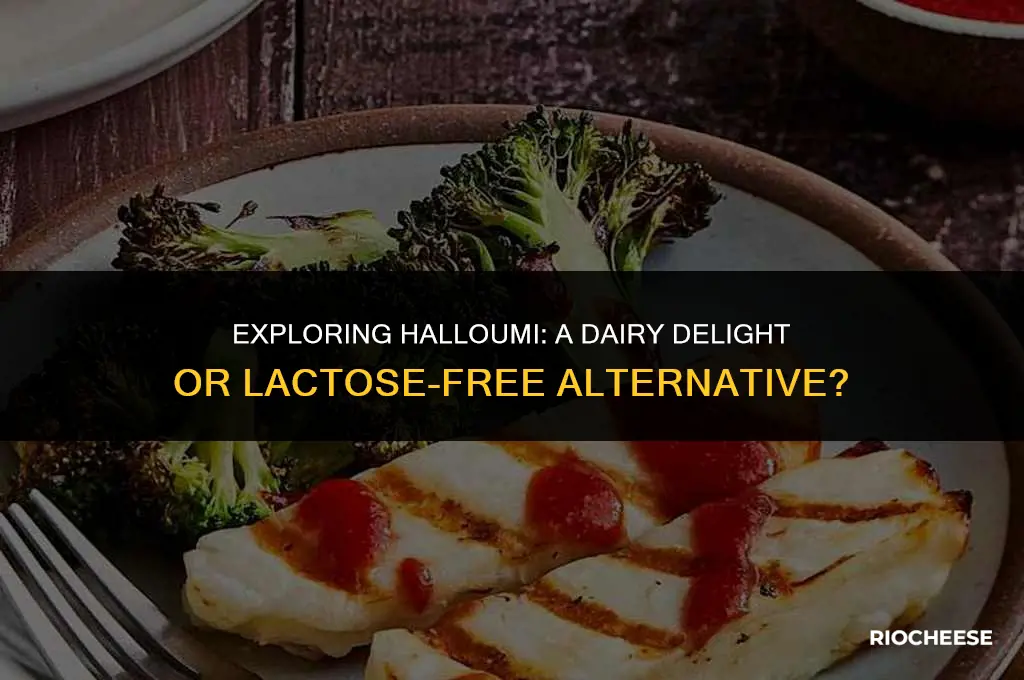
Halloumi cheese is a popular dairy product known for its firm texture and mild, slightly salty flavor. It is traditionally made from cow's milk, sheep's milk, or a combination of both. As a result, halloumi cheese is not dairy-free. However, there are some plant-based alternatives available in the market that mimic the taste and texture of halloumi cheese for those who follow a dairy-free diet or have lactose intolerance. These alternatives are typically made from ingredients such as coconut oil, soy milk, or almond milk.
Explore related products


What You'll Learn
- Halloumi Cheese Composition: Understanding the ingredients and production process of halloumi cheese
- Dairy Content in Halloumi: Analyzing whether halloumi cheese contains dairy and its implications for dietary restrictions
- Halloumi Cheese Alternatives: Exploring dairy-free alternatives to halloumi cheese for those with lactose intolerance or vegan diets
- Nutritional Information: Comparing the nutritional values of halloumi cheese with dairy-free cheese options
- Culinary Uses of Halloumi: Discussing how halloumi cheese can be used in cooking and its suitability for dairy-free recipes

Halloumi Cheese Composition: Understanding the ingredients and production process of halloumi cheese
Halloumi cheese is a traditional Cypriot cheese made primarily from sheep's milk, although some modern varieties may also use goat's milk. The cheese is known for its distinctive texture and flavor, which are achieved through a specific production process. This process involves heating the milk, adding rennet to coagulate it, and then separating the curds from the whey. The curds are then molded into blocks and aged for several months, during which time they develop their characteristic firm texture and tangy taste.
One of the key ingredients in halloumi cheese is rennet, which is an enzyme complex derived from the stomach lining of ruminant animals. Rennet is responsible for coagulating the milk and separating the curds from the whey. In traditional halloumi production, animal-derived rennet is used, but some modern producers may use microbial or genetically engineered rennet to make the cheese suitable for vegetarians.
Another important ingredient in halloumi cheese is salt, which is added during the aging process to enhance the flavor and preserve the cheese. The amount of salt used can vary depending on the producer and the desired taste profile. In addition to salt, some halloumi cheeses may also contain herbs or spices, such as mint or oregano, which are added to the milk during the production process.
The production process of halloumi cheese is relatively simple compared to other types of cheese. The milk is first heated to a specific temperature, and then the rennet is added to coagulate it. The curds are then cut into small pieces and stirred gently to release excess whey. The curds are then molded into blocks and placed in a brine solution to age. During the aging process, the cheese is turned regularly to ensure even development of flavor and texture.
In conclusion, halloumi cheese is a dairy product made primarily from sheep's milk and contains ingredients such as rennet and salt. The production process involves heating the milk, coagulating it with rennet, separating the curds from the whey, molding the curds into blocks, and aging the cheese in a brine solution. While halloumi cheese is not dairy-free, it is a unique and flavorful cheese that is enjoyed by many people around the world.
Unveiling the Truth: Is Great Value Colby Monterey Jack Cheese Gluten-Free?
You may want to see also
Explore related products


Dairy Content in Halloumi: Analyzing whether halloumi cheese contains dairy and its implications for dietary restrictions
Halloumi cheese, a popular Cypriot delicacy, is traditionally made from sheep's or goat's milk, which classifies it as a dairy product. This means that individuals with lactose intolerance, dairy allergies, or those following a vegan diet would need to avoid it. However, the specific dairy content in halloumi can vary depending on the production method and the type of milk used.
For those with dietary restrictions, it's crucial to understand the implications of consuming halloumi. If you're lactose intolerant, the lactose content in halloumi could lead to digestive discomfort. Similarly, individuals with dairy allergies could experience allergic reactions ranging from mild to severe. Vegans, who avoid all animal products, would also need to steer clear of halloumi unless it's a vegan-specific version made from plant-based alternatives.
Interestingly, some artisanal producers have started creating vegan halloumi using plant-based milks like soy, almond, or coconut milk. These alternatives aim to replicate the taste and texture of traditional halloumi while being suitable for those with dairy restrictions. However, it's important to note that the nutritional profile of vegan halloumi may differ from its dairy counterpart, potentially offering less calcium and protein.
When shopping for halloumi, it's essential to check the label carefully to determine if it's made from dairy or plant-based ingredients. If you're unsure, contacting the manufacturer directly can provide clarity. Additionally, when dining out, it's always a good idea to inform the restaurant staff of any dietary restrictions to ensure that you're not inadvertently served a dish containing halloumi made from dairy.
In conclusion, while traditional halloumi cheese is not dairy-free, there are alternatives available for those with dietary restrictions. By being vigilant about ingredient labels and communicating your needs, you can still enjoy the unique taste of halloumi without compromising your dietary requirements.
Exploring Gluten-Free Options: Is Gehl Nacho Cheese Safe for Celiacs?
You may want to see also
Explore related products


Halloumi Cheese Alternatives: Exploring dairy-free alternatives to halloumi cheese for those with lactose intolerance or vegan diets
For individuals with lactose intolerance or those following a vegan diet, finding a suitable alternative to halloumi cheese can be a culinary challenge. Halloumi, a traditional Cypriot cheese, is known for its distinct flavor and ability to hold its shape when grilled or fried. However, it is made from sheep's or goat's milk, making it unsuitable for those with dairy restrictions.
One popular dairy-free alternative to halloumi is vegan halloumi, which is typically made from plant-based ingredients such as coconut oil, cashews, or soy. These vegan options aim to replicate the taste and texture of traditional halloumi while being completely free from animal products. Brands like Kite Hill and Violife offer vegan halloumi that can be used in a variety of dishes, from salads to grilled sandwiches.
Another option for those looking to avoid dairy is to use a lactose-free cheese alternative. These products are made from cow's milk but have had the lactose removed, making them suitable for individuals with lactose intolerance. Lactose-free halloumi alternatives can be found in some specialty stores or online, and they provide a similar taste and texture to traditional halloumi without the digestive discomfort.
For those who prefer to make their own dairy-free cheese alternatives, there are several recipes available online for homemade vegan halloumi. These recipes often involve blending plant-based ingredients with lemon juice or vinegar to create a cheese-like consistency. While homemade vegan halloumi may not perfectly replicate the taste of traditional halloumi, it can be a fun and rewarding way to experiment with dairy-free cooking.
In conclusion, there are several dairy-free alternatives to halloumi cheese available for those with lactose intolerance or vegan diets. From store-bought vegan halloumi to homemade recipes, these options allow individuals to enjoy the flavors and textures of halloumi without compromising their dietary restrictions.
Exploring Dairy-Free Alternatives: Is Go Veggie Cheese the Answer?
You may want to see also
Explore related products


Nutritional Information: Comparing the nutritional values of halloumi cheese with dairy-free cheese options
Halloumi cheese, a popular choice for its distinct flavor and texture, is made from sheep's or goat's milk, which means it is not dairy-free. For individuals seeking dairy-free alternatives, it's essential to compare the nutritional values of halloumi with available options to make an informed choice. This comparison reveals significant differences in nutritional content that can impact dietary decisions.
One key aspect to consider is the fat content. Halloumi cheese is relatively high in fat, with approximately 27 grams per 100 grams. In contrast, many dairy-free cheeses, such as those made from nuts or soy, tend to have lower fat content, often ranging from 10 to 20 grams per 100 grams. This difference can be crucial for individuals monitoring their fat intake, whether for weight management or heart health reasons.
Protein content is another important factor. Halloumi provides about 20 grams of protein per 100 grams, which is comparable to some dairy-free options like tofu-based cheese. However, other alternatives, such as those made from nuts or seeds, may offer less protein, typically around 5 to 10 grams per 100 grams. For those relying on cheese as a protein source, especially in vegetarian or vegan diets, this is a significant consideration.
Calcium content is a critical nutrient, particularly for bone health. Halloumi cheese is a good source of calcium, containing around 700 mg per 100 grams. Dairy-free cheeses vary widely in their calcium content, with some fortified options providing similar levels to halloumi, while others may offer less. For example, almond-based cheese might contain around 200 mg per 100 grams, making it essential to check labels and choose a product that meets dietary calcium needs.
Lastly, it's important to consider the presence of vitamins and minerals. Halloumi cheese is a source of vitamins B12 and B2, as well as minerals like phosphorus and zinc. Dairy-free cheeses may not naturally contain these nutrients, but many are fortified to provide similar benefits. However, the bioavailability of these nutrients can differ, meaning the body may absorb them differently from plant-based sources compared to animal-based ones.
In conclusion, while halloumi cheese offers a unique taste and texture, it is not dairy-free and has distinct nutritional values compared to dairy-free cheese alternatives. When choosing a cheese substitute, it's crucial to consider the fat, protein, calcium, and vitamin content to ensure the product aligns with individual dietary needs and preferences.
Discovering the Truth: Is Frigo Cheese Heads String Cheese Gluten-Free?
You may want to see also
Explore related products


Culinary Uses of Halloumi: Discussing how halloumi cheese can be used in cooking and its suitability for dairy-free recipes
Halloumi cheese, known for its firm texture and mild flavor, is a versatile ingredient in various culinary applications. Despite being made from dairy, it can be used in ways that cater to those seeking dairy-free alternatives. One popular method is to use halloumi as a meat substitute in vegetarian and vegan dishes. Its ability to hold shape when grilled or fried makes it an excellent choice for kebabs, burgers, and sandwiches.
In addition to its use as a protein source, halloumi can also be incorporated into salads, providing a creamy texture and salty taste that complements fresh vegetables. For those who are lactose intolerant or following a dairy-free diet, halloumi can be a suitable option when used in moderation. However, it is essential to note that halloumi is not completely dairy-free, as it is made from cow's milk or a combination of cow's and sheep's milk.
When cooking with halloumi, it is crucial to consider the melting point, which is relatively high compared to other cheeses. This characteristic makes it ideal for grilling or frying, as it retains its shape and does not become overly gooey. Halloumi can also be used in baked dishes, such as casseroles or gratins, where its firm texture adds a unique element to the dish.
For those looking to reduce their dairy intake, halloumi can be a transitional ingredient, allowing them to enjoy the flavors and textures of cheese while gradually adapting to dairy-free alternatives. It is important to experiment with different brands and types of halloumi, as some may contain more lactose than others. Overall, halloumi cheese offers a range of culinary possibilities, making it a valuable addition to both traditional and dairy-free recipes.
Exploring Gluten-Free Options: Is Great Value Parmesan Cheese Safe?
You may want to see also
Frequently asked questions
No, halloumi cheese is not dairy-free. It is made from cow's milk or a mixture of cow's and sheep's milk.
The main ingredients in halloumi cheese are milk (usually cow's or a combination of cow's and sheep's milk), salt, and rennet.
Lactose-intolerant individuals may find it challenging to consume halloumi cheese due to its dairy content. However, some people with lactose intolerance can tolerate small amounts of hard cheeses like halloumi because they contain less lactose than softer cheeses.
Yes, there are dairy-free alternatives to halloumi cheese available. These are typically made from plant-based ingredients such as soy milk, almond milk, or coconut milk, and are designed to mimic the taste and texture of traditional halloumi cheese.