Kamil Perry
The Paleo diet, known for its focus on whole, unprocessed foods, often raises questions about the inclusion of certain ingredients. One such ingredient is grated Parmesan cheese. To determine whether grated Parmesan cheese is Paleo-friendly, it's essential to consider the principles of the diet, which emphasize foods that were available to our Paleolithic ancestors. Grated Parmesan cheese, being a processed dairy product, does not align with the Paleo diet's guidelines. While some Paleo dieters may choose to include small amounts of cheese due to its nutritional benefits, it is generally not considered a staple in a traditional Paleo diet. Therefore, the answer to whether grated Parmesan cheese is Paleo is no, it is not typically included in a Paleo diet.
Explore related products


What You'll Learn
- Definition of Paleo Diet: Understanding the Paleo diet's principles and food groups
- Parmesan Cheese Ingredients: Analyzing the ingredients used in making Parmesan cheese
- Historical Context: Examining the historical origins of Parmesan cheese
- Nutritional Profile: Evaluating the nutritional content of grated Parmesan cheese
- Alternatives for Paleo Diet: Suggesting Paleo-friendly cheese alternatives

Definition of Paleo Diet: Understanding the Paleo diet's principles and food groups
The Paleo diet, short for Paleolithic diet, is an eating plan based on foods presumed to have been eaten by early humans, consisting mainly of meat, fish, nuts, leafy greens, regional veggies, seeds, and occasionally, root vegetables. It excludes foods that became common with the advent of farming and processing, such as grains, legumes, dairy products, and processed foods. The diet is designed to mimic the diet of our ancestors from the Paleolithic era, which dates from approximately 2.5 million to 10,000 years ago. Proponents of the Paleo diet argue that this way of eating is more aligned with our genetic makeup and can lead to improved health and weight loss.
One of the key principles of the Paleo diet is the emphasis on whole, unprocessed foods. This means avoiding foods that have been altered from their natural state, such as refined sugars, artificial additives, and processed meats. Instead, the diet encourages the consumption of foods that can be hunted, fished, or gathered, such as wild-caught fish, grass-fed meats, and a variety of fruits and vegetables. Another important principle is the balance of macronutrients, with a focus on high protein intake, moderate fat consumption, and low carbohydrate intake. This balance is believed to promote satiety, stabilize blood sugar levels, and support overall health.
When it comes to dairy products, such as grated Parmesan cheese, the Paleo diet generally recommends avoiding them. Dairy was not a part of the early human diet, as lactose intolerance was common until the development of lactase persistence in some populations. However, there is some debate within the Paleo community about the inclusion of certain dairy products, particularly those that are fermented or aged, like Parmesan cheese. Some argue that these products may be acceptable in moderation due to their lower lactose content and potential health benefits, such as improved gut health from probiotics. Others maintain that all dairy products should be avoided to stay true to the principles of the Paleo diet.
In conclusion, the Paleo diet is a way of eating that seeks to emulate the dietary habits of our ancestors from the Paleolithic era. It emphasizes whole, unprocessed foods and a balance of macronutrients, while generally excluding dairy products. The inclusion of grated Parmesan cheese in a Paleo diet is a topic of debate, with some proponents arguing for its potential health benefits and others advocating for its exclusion to adhere to the diet's principles.
Pregnancy and Parmesan: A Guide to Safe Cheese Consumption
You may want to see also
Explore related products


Parmesan Cheese Ingredients: Analyzing the ingredients used in making Parmesan cheese
Parmesan cheese, a hard, aged cheese with a distinctive granular texture and sharp flavor, is made primarily from cow's milk. The milk is curdled using rennet, an enzyme complex traditionally derived from the stomach lining of calves, though microbial rennet is now commonly used in many production processes. The curds are then drained, pressed, and aged for a minimum of 12 months, during which time the cheese develops its characteristic flavor and texture.
In addition to milk and rennet, Parmesan cheese may contain salt, which is added during the aging process to enhance flavor. Some producers also use whey powder or skim milk powder to adjust the moisture content and improve the cheese's shelf life. These ingredients are generally considered to be Paleo-friendly, as they are derived from natural sources and do not contain grains, legumes, or processed sugars.
However, it is important to note that the production of Parmesan cheese often involves the use of wooden aging barrels, which may be treated with chemicals to prevent mold and bacteria growth. These chemicals, while not typically considered Paleo-friendly, are generally not present in significant quantities in the final product.
When considering whether grated Parmesan cheese is Paleo, it is also important to consider the potential for cross-contamination. Grated cheese is often produced in facilities that also process other dairy products, which may contain lactose or other non-Paleo ingredients. Additionally, some grated cheese products may contain anti-caking agents or preservatives that are not considered Paleo-friendly.
In conclusion, while the primary ingredients used in making Parmesan cheese are generally considered to be Paleo-friendly, it is important to consider the potential for cross-contamination and the use of non-Paleo additives in some production processes. Consumers who are following a strict Paleo diet may want to opt for whole, ungrated Parmesan cheese or seek out products from reputable manufacturers that explicitly state their Paleo-friendly status.
Exploring the Dairy Dilemma: Is Grated Parmesan Cheese Truly Dairy-Free?
You may want to see also
Explore related products


Historical Context: Examining the historical origins of Parmesan cheese
Parmesan cheese, a staple in Italian cuisine, has a rich history that dates back to the 13th century. Its origins can be traced to the Parma region in Italy, where it was first produced by Benedictine monks. The cheese was initially made from sheep's milk, but over time, cow's milk became the primary ingredient due to its availability and the desired flavor profile.
The production of Parmesan cheese was a closely guarded secret, with the monks passing down the techniques through generations. It wasn't until the 16th century that the cheese gained popularity beyond the monastic communities, becoming a sought-after delicacy among the Italian nobility. The aging process, which contributes to Parmesan's distinctive flavor, was refined during this period, with the cheese being aged for up to 36 months.
In the 19th century, Parmesan cheese production expanded significantly, with the introduction of new technologies and the growth of the dairy industry. However, the traditional methods of production were preserved, and the cheese continued to be made in the Parma region, adhering to strict quality standards.
Today, Parmesan cheese is produced in various parts of the world, but authentic Parmigiano-Reggiano, as it's known in Italy, can only be made in the Parma and Reggio Emilia regions. The cheese is protected by a designation of origin, ensuring that it meets specific production standards and maintains its historical integrity.
When considering whether grated Parmesan cheese is paleo, it's essential to understand the historical context of its production. The traditional methods of making Parmesan cheese, which have remained largely unchanged for centuries, involve minimal processing and the use of natural ingredients. This aligns with the principles of the paleo diet, which emphasizes whole, unprocessed foods. However, it's crucial to note that the paleo diet is a modern interpretation of ancient eating habits, and the historical origins of Parmesan cheese do not necessarily dictate its suitability for this diet.
Exploring the Flavor Profile: Cotija vs. Parmesan Cheese
You may want to see also
Explore related products


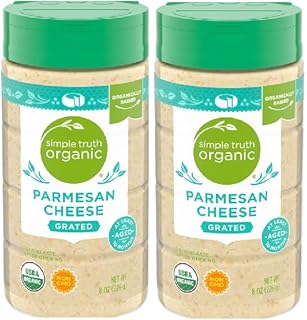
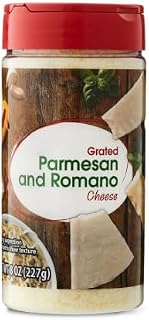


Nutritional Profile: Evaluating the nutritional content of grated Parmesan cheese
Grated Parmesan cheese is a popular condiment known for its rich flavor and versatility in cooking. However, for those following a paleo diet, which emphasizes whole, unprocessed foods, the nutritional content of grated Parmesan cheese becomes a subject of scrutiny. A paleo diet typically excludes dairy products, as they are not considered part of the ancestral human diet. Therefore, the question arises: does grated Parmesan cheese align with paleo dietary principles?
To evaluate the nutritional content of grated Parmesan cheese, it is essential to consider its macronutrient and micronutrient composition. Grated Parmesan cheese is high in protein, with approximately 10 grams per ounce (28 grams). It also contains a significant amount of fat, around 7 grams per ounce, primarily in the form of saturated fat. While protein and fat are essential macronutrients, the paleo diet emphasizes obtaining these nutrients from animal sources such as meat, fish, and eggs, rather than dairy products.
In terms of micronutrients, grated Parmesan cheese is a good source of calcium, phosphorus, and vitamin B12. These nutrients are crucial for bone health, energy production, and nervous system function. However, paleo dieters often argue that these nutrients can be obtained from other sources, such as leafy green vegetables, nuts, and seeds, without the need for dairy products.
One of the primary concerns for paleo dieters is the presence of lactose in dairy products. Lactose is a sugar found in milk and dairy products, which some individuals may have difficulty digesting. The paleo diet excludes lactose-containing foods, as it is believed that humans did not consume dairy products until the advent of agriculture. Grated Parmesan cheese, being a dairy product, contains lactose, albeit in smaller amounts compared to milk.
In conclusion, while grated Parmesan cheese offers some nutritional benefits, such as protein, fat, calcium, phosphorus, and vitamin B12, it does not align with the principles of a paleo diet. Paleo dieters typically avoid dairy products, including grated Parmesan cheese, due to its lactose content and the belief that humans did not consume dairy products in their ancestral diet. Instead, they opt for alternative sources of nutrients that are more in line with their dietary philosophy.
Parmesan Cheese Past Its Prime: Safe to Use or Toss?
You may want to see also
Explore related products


Alternatives for Paleo Diet: Suggesting Paleo-friendly cheese alternatives
For individuals following a Paleo diet, finding suitable cheese alternatives can be challenging, especially when it comes to grated Parmesan. Traditional Parmesan cheese is not considered Paleo-friendly due to its aging process, which often involves the use of non-Paleo additives. However, there are several alternatives that can satisfy the craving for a savory, umami-rich cheese without compromising dietary restrictions.
One popular option is nutritional yeast, which is a deactivated form of yeast that has a naturally cheesy flavor. It can be sprinkled on top of dishes or used in recipes to add a Parmesan-like taste. Nutritional yeast is rich in vitamins and minerals, making it a nutritious addition to a Paleo diet.
Another alternative is cashew cheese, which is made by blending cashews with lemon juice, water, and salt. This creamy cheese can be grated or sliced and used in place of Parmesan in various recipes. Cashew cheese is a good source of healthy fats and protein, aligning well with Paleo dietary principles.
For those who prefer a more traditional cheese-like product, there are Paleo-friendly cheese brands available that use coconut milk or almond milk as a base. These cheeses can be grated and used as a substitute for Parmesan in recipes. When choosing a Paleo-friendly cheese, it's important to check the ingredient list to ensure that it doesn't contain any non-Paleo additives.
In addition to these alternatives, Paleo dieters can also experiment with other dairy-free cheese options made from nuts or seeds, such as almond cheese or sunflower seed cheese. These options offer a variety of flavors and textures that can be used to enhance the taste of Paleo-friendly dishes.
When transitioning to Paleo-friendly cheese alternatives, it's essential to keep in mind that the taste and texture may differ from traditional Parmesan cheese. However, with a bit of experimentation, individuals can find a suitable substitute that meets their dietary needs and satisfies their taste buds.
Navigating Low FODMAP Diets: The Truth About Grated Parmesan Cheese
You may want to see also
Frequently asked questions
No, grated Parmesan cheese is not considered Paleo. The Paleo diet focuses on whole, unprocessed foods and excludes dairy products, including cheese.
Some Paleo-friendly alternatives to grated Parmesan cheese include nutritional yeast, cashew cheese, and coconut flakes. These options provide a similar texture and flavor without the dairy.
Dairy is excluded from the Paleo diet because it is a relatively modern addition to the human diet and can cause digestive issues and inflammation in some individuals. The Paleo diet aims to mimic the diet of our ancestors, who did not consume dairy products.
No, you should not use grated Parmesan cheese in Paleo recipes. Instead, opt for Paleo-friendly alternatives to maintain the integrity of the diet.
Avoiding dairy products like grated Parmesan cheese can lead to improved digestion, reduced inflammation, and better overall health for some individuals. It can also help with weight management and may reduce the risk of certain diseases, such as heart disease and type 2 diabetes.