Frederic Melton
When it comes to the question of whether grated Parmesan cheese is still safe to consume after its expiration date, it's important to consider several factors. Expiration dates on food products, including cheese, are typically set by manufacturers to indicate the period during which the product is expected to maintain its optimal quality and flavor. However, these dates are not always a strict indicator of safety. Grated Parmesan cheese, due to its low moisture content and the presence of natural preservatives, can often last longer than its expiration date without posing a significant health risk. Nonetheless, it's crucial to inspect the cheese for any signs of spoilage, such as mold, off odors, or discoloration, before deciding to use it. If the cheese appears and smells normal, it may still be safe to consume, albeit with a potential decline in taste and texture. Always exercise caution and use your best judgment when dealing with expired food products.
Explore related products


What You'll Learn
- Storage Conditions: Proper storage can extend the shelf life of grated Parmesan cheese beyond its expiration date
- Visual Inspection: Check for mold, discoloration, or clumping to determine if the cheese is still safe to consume
- Smell Test: A strong, unpleasant odor may indicate spoilage, even if the cheese looks fine
- Taste and Texture: If the cheese tastes off or has an unusual texture, it's best to discard it
- Health Risks: Consuming expired cheese can lead to foodborne illnesses, especially if it's been improperly stored

Storage Conditions: Proper storage can extend the shelf life of grated Parmesan cheese beyond its expiration date
Proper storage is crucial in extending the shelf life of grated Parmesan cheese beyond its expiration date. The key to maintaining its quality lies in controlling the environment in which it is stored. Grated Parmesan cheese should be kept in a cool, dry place, away from direct sunlight and heat sources. Ideally, it should be stored in an airtight container to prevent moisture and air from degrading its texture and flavor.
When storing grated Parmesan cheese in the refrigerator, it is essential to ensure that it is not exposed to excessive moisture, which can lead to mold growth. The cheese should be placed in a sealed container or wrapped tightly in plastic wrap or aluminum foil. It is also advisable to store it in the crisper drawer, where the humidity level can be controlled.
For long-term storage, grated Parmesan cheese can be frozen. Before freezing, it should be portioned into small, airtight containers or freezer bags to prevent freezer burn and maintain its quality. When thawing, it is best to do so in the refrigerator overnight to ensure even thawing and prevent the growth of harmful bacteria.
In addition to proper storage, it is important to handle grated Parmesan cheese hygienically to prevent contamination. Always use clean utensils when serving, and avoid touching the cheese with your hands. By following these storage and handling guidelines, you can enjoy grated Parmesan cheese well beyond its expiration date, while maintaining its delicious taste and texture.
Unraveling the Mystery: Does Parmesan Cheese Contain Casein?
You may want to see also
Explore related products


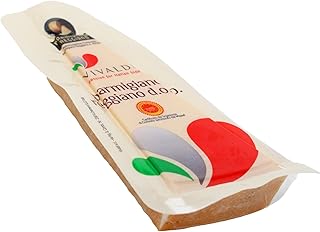


Visual Inspection: Check for mold, discoloration, or clumping to determine if the cheese is still safe to consume
Upon examining grated Parmesan cheese, it's crucial to scrutinize its appearance for any signs of spoilage. Mold is a definitive indicator that the cheese has gone bad and should be discarded immediately. Discoloration, particularly if it deviates from the typical pale yellow to white hue of fresh Parmesan, can also signal the onset of mold growth or oxidation, both of which compromise the cheese's safety and quality. Clumping is another red flag; fresh grated Parmesan should have a light, fluffy texture, and any significant clumping could indicate moisture absorption, which promotes bacterial growth.
To conduct a thorough visual inspection, begin by spreading a small amount of the grated cheese on a clean surface. This will allow you to get a better view of its texture and color. Look for any inconsistencies in the cheese's granules; they should be uniform in size and shape. If you notice any granules that are significantly larger or smaller than the rest, or if they appear to be sticking together, this could be a sign of clumping.
Next, inspect the cheese for any discoloration. Fresh grated Parmesan should have a consistent color throughout. If you see any spots or areas that are darker or lighter than the rest, this could be a sign of mold or oxidation. Pay particular attention to the edges of the cheese granules, as mold often starts to grow in these areas first.
Finally, check for any signs of mold. Mold can appear as small, fuzzy spots or as a powdery, white substance on the surface of the cheese. If you see any mold, it's important to discard the cheese immediately, as consuming moldy cheese can pose health risks.
In conclusion, a visual inspection is a simple yet effective way to determine if grated Parmesan cheese is still safe to consume after its expiration date. By looking for signs of mold, discoloration, and clumping, you can make an informed decision about whether to use the cheese or discard it. Remember, when in doubt, it's always better to err on the side of caution and discard the cheese to avoid any potential health risks.
The Carb Conundrum: Grated Parmesan Cheese Explained
You may want to see also
Explore related products


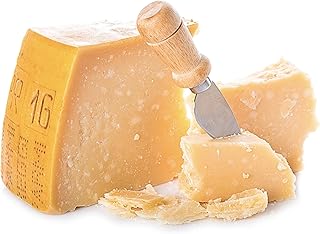

Smell Test: A strong, unpleasant odor may indicate spoilage, even if the cheese looks fine
The smell test is a crucial method for determining the freshness of grated Parmesan cheese, especially after the expiration date has passed. A strong, unpleasant odor can be a clear indicator of spoilage, even if the cheese appears to be in good condition visually. This is because bacteria and mold can grow rapidly in the moist environment of grated cheese, producing volatile compounds that give off a distinctive, often pungent smell.
To perform the smell test, start by opening the container of grated Parmesan cheese and taking a deep breath. Fresh Parmesan cheese should have a sharp, nutty aroma. If the smell is off or unpleasant, it's a good sign that the cheese has gone bad. Additionally, if you notice any discoloration, sliminess, or mold growth, it's best to discard the cheese immediately.
It's important to note that the smell test is not foolproof. Some types of spoilage may not produce a noticeable odor, and some people may have a higher tolerance for strong smells than others. Therefore, it's always a good idea to use your best judgment and consider other factors, such as the cheese's appearance and texture, when determining whether it's still safe to eat.
In general, grated Parmesan cheese should be used within a few weeks of opening, even if it's before the expiration date. This is because the grating process exposes more surface area to air and moisture, which can accelerate spoilage. If you need to store grated Parmesan cheese for a longer period, it's best to keep it in an airtight container in the refrigerator and use it within a few months.
Remember, when in doubt, it's always better to err on the side of caution and discard any cheese that you suspect may be spoiled. Eating spoiled cheese can lead to foodborne illness, which can be serious, especially for people with weakened immune systems, pregnant women, and young children.
Exploring Galbani Parmesan: A Gluten-Free Cheese Option?
You may want to see also
Explore related products
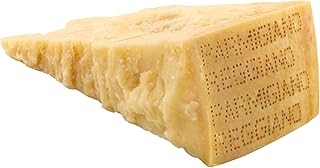
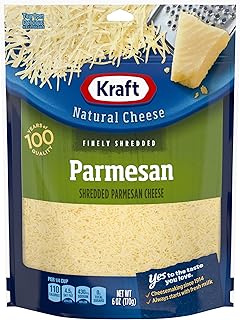


Taste and Texture: If the cheese tastes off or has an unusual texture, it's best to discard it
The integrity of grated Parmesan cheese hinges significantly on its taste and texture. If the cheese exhibits an off taste or an unusual texture, it is a clear indication that it should be discarded. An off taste can manifest as a sour, bitter, or ammonia-like flavor, which is distinctly different from the rich, nutty taste of fresh Parmesan. Similarly, the texture of spoiled Parmesan may become slimy, moldy, or overly dry and crumbly, deviating from the expected firm yet slightly crumbly consistency.
To assess the taste and texture, it is advisable to perform a sensory evaluation. Start by smelling the cheese; fresh Parmesan should have a mild, slightly fruity aroma. If the odor is sharp, pungent, or unpleasant, it may be spoiled. Next, observe the texture visually; look for any signs of mold, discoloration, or excessive moisture. If the cheese appears moldy or has dark spots, it is definitely past its prime. Finally, taste a small amount of the cheese. If it tastes sour, bitter, or has an ammonia-like flavor, discard it immediately.
It is crucial to note that consuming spoiled cheese can pose health risks, including foodborne illnesses. Therefore, it is always better to err on the side of caution and discard any cheese that shows signs of spoilage. Proper storage can help extend the shelf life of grated Parmesan, but once it has passed its expiration date, a thorough sensory evaluation is essential to determine its safety and quality.
In summary, the taste and texture of grated Parmesan cheese are key indicators of its freshness and safety. If the cheese tastes off or has an unusual texture, it should be discarded to avoid potential health risks. Always perform a sensory evaluation by smelling, observing, and tasting the cheese to ensure it is still suitable for consumption.
The Art of Grating Parmesan: A Crafty Cheese Conundrum
You may want to see also
Explore related products


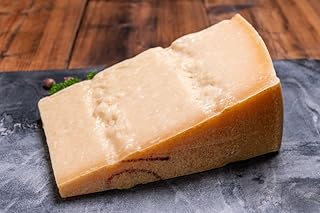
Health Risks: Consuming expired cheese can lead to foodborne illnesses, especially if it's been improperly stored
Consuming expired cheese, including grated Parmesan, poses significant health risks due to the potential growth of harmful bacteria. These bacteria can cause a range of foodborne illnesses, from mild gastrointestinal discomfort to severe infections requiring medical attention. The risk is exacerbated when cheese is improperly stored, as conditions such as high temperature, humidity, and contamination can accelerate bacterial growth.
One of the primary concerns with expired cheese is the presence of pathogens like Salmonella, E. coli, and Listeria monocytogenes. These bacteria can multiply rapidly in the favorable environment of aged cheese, particularly if it has been left at room temperature for extended periods. The symptoms of foodborne illness from these pathogens typically include nausea, vomiting, diarrhea, abdominal cramps, and fever. In severe cases, especially for vulnerable populations like the elderly, young children, and those with weakened immune systems, these illnesses can lead to hospitalization and even death.
To mitigate these risks, it is crucial to adhere to proper storage guidelines for cheese. Grated Parmesan cheese should be stored in a cool, dry place, ideally in the refrigerator, to slow down bacterial growth. It is also important to check the cheese for any signs of spoilage before consumption, such as an off smell, mold, or slimy texture. If in doubt, it is safer to discard the cheese rather than risk potential health consequences.
In addition to proper storage, understanding the difference between "use by" and "best before" dates on cheese packaging can help consumers make informed decisions about its safety. "Use by" dates indicate a hard deadline after which the cheese should not be consumed due to safety concerns. "Best before" dates, on the other hand, suggest a period during which the cheese is expected to maintain its quality and flavor, but it may still be safe to eat after this date if stored properly and showing no signs of spoilage.
Ultimately, the key to safely enjoying grated Parmesan cheese and other dairy products is vigilance in storage and handling. By following recommended guidelines and paying attention to expiration dates and signs of spoilage, consumers can minimize the risk of foodborne illnesses and ensure a safe and enjoyable culinary experience.
Parmesan Cheese at Room Temperature: Safe or Spoiled?
You may want to see also
Frequently asked questions
Grated Parmesan cheese can often be safe to eat after the expiration date if it has been stored properly. The key factors are the storage conditions and the appearance and smell of the cheese. If it has been kept in a cool, dry place and shows no signs of mold or unpleasant odors, it may still be good to consume. However, it's always best to err on the side of caution and discard any cheese that you're unsure about.
There are several signs that grated Parmesan cheese may have gone bad. If it has developed any mold, has an off or sour smell, or has become discolored, it's best to discard it. Additionally, if the cheese has been stored improperly or has been left out at room temperature for an extended period, it may be unsafe to eat, even if it doesn't show obvious signs of spoilage.
If the grated Parmesan cheese is past its expiration date but still appears and smells fresh, it can generally be used in cooking. The heat from cooking can help to kill any potential bacteria, making the cheese safer to consume. However, if the cheese shows any signs of spoilage or has been stored improperly, it's best to avoid using it in your recipes.
To extend the shelf life of grated Parmesan cheese, it's important to store it properly. Keep it in an airtight container in a cool, dry place, such as the refrigerator or a pantry. Avoid exposing the cheese to moisture or heat, as these can accelerate spoilage. If stored correctly, grated Parmesan cheese can last for several weeks to a few months beyond its expiration date.