Andy Montoya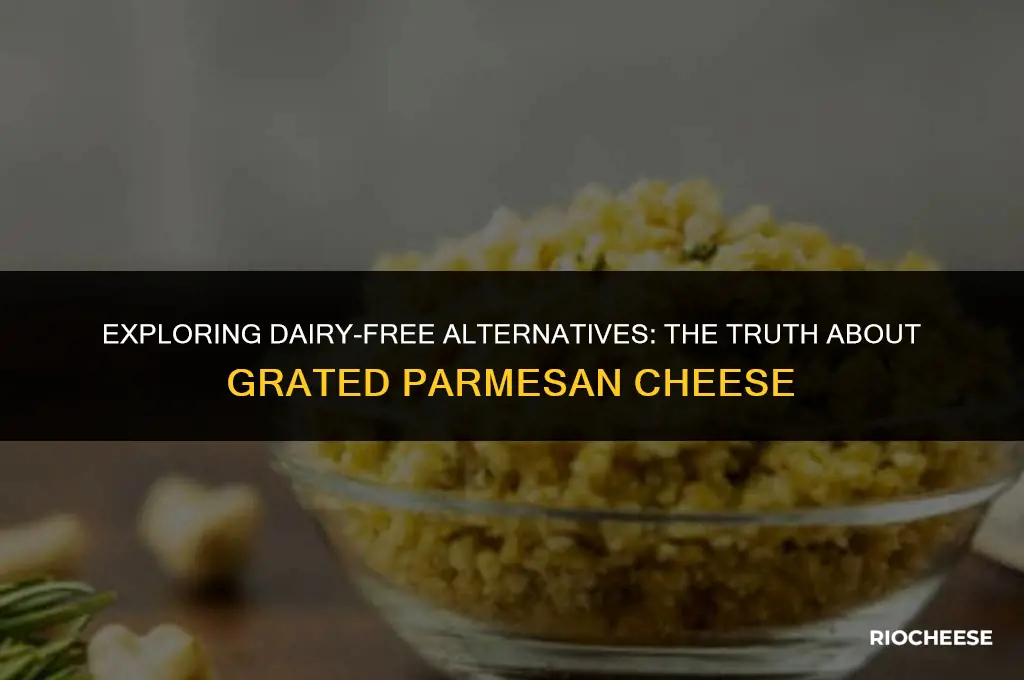
When it comes to dietary restrictions and preferences, understanding the ingredients in our food is crucial. For those who are lactose intolerant, vegan, or simply looking to reduce their dairy intake, knowing whether common food items contain dairy is essential. Grated Parmesan cheese, a popular topping for pasta dishes, salads, and more, is often a point of confusion. While traditional Parmesan cheese is indeed made from cow's milk and thus contains dairy, there are dairy-free alternatives available that mimic its flavor and texture. These alternatives are typically made from plant-based ingredients such as nuts, seeds, or soy. So, to answer the question directly: grated Parmesan cheese is not inherently dairy-free, but there are dairy-free versions on the market that cater to those with dietary restrictions.
Explore related products


What You'll Learn
- Definition of Dairy-Free: Clarifying what constitutes dairy-free products and why some consumers seek them
- Parmesan Cheese Ingredients: Typical ingredients used in making Parmesan cheese and whether they include dairy
- Grated Parmesan Alternatives: Exploring non-dairy alternatives to traditional grated Parmesan cheese
- Nutritional Comparison: Comparing the nutritional profiles of dairy and dairy-free grated Parmesan options
- Culinary Uses: Discussing how dairy-free grated Parmesan can be used in various dishes without compromising flavor

Definition of Dairy-Free: Clarifying what constitutes dairy-free products and why some consumers seek them
Dairy-free products are those that do not contain any milk or milk-derived ingredients. This includes obvious items like milk itself, cheese, yogurt, and butter, as well as less obvious products like whey, casein, and lactose. The demand for dairy-free alternatives has risen significantly in recent years, driven by a combination of factors including lactose intolerance, milk allergies, veganism, and a general shift towards plant-based diets.
Consumers may seek dairy-free products for a variety of reasons. Lactose intolerance is a common condition where individuals lack the enzyme lactase, which is needed to digest lactose, the primary sugar in milk. This can lead to uncomfortable symptoms such as bloating, gas, and diarrhea when dairy products are consumed. Milk allergies are another reason, where the body's immune system reacts adversely to proteins found in milk. Veganism, a diet and lifestyle choice that excludes all animal products, is also a significant driver of the dairy-free market. Additionally, some consumers may choose dairy-free options due to concerns about animal welfare, environmental impact, or simply personal preference.
When it comes to grated Parmesan cheese, it is typically not considered dairy-free. Traditional Parmesan cheese is made from cow's milk and aged for a minimum of 12 months. During this aging process, the cheese develops its distinctive flavor and texture. However, there are dairy-free alternatives available that mimic the taste and texture of Parmesan cheese. These are usually made from plant-based ingredients such as nuts, seeds, or soy, and are often fortified with vitamins and minerals to match the nutritional profile of dairy-based Parmesan.
It's important to note that while dairy-free Parmesan alternatives can be a suitable substitute for those avoiding dairy, they may not provide the same culinary experience as traditional Parmesan cheese. The flavor, texture, and melting properties can differ, which may affect the outcome of certain recipes. Therefore, it's crucial for consumers to experiment with different dairy-free options to find the one that best suits their taste preferences and cooking needs.
In conclusion, the definition of dairy-free is clear in that it excludes all milk and milk-derived ingredients. The reasons for choosing dairy-free products are diverse and can range from medical conditions to lifestyle choices. While traditional grated Parmesan cheese is not dairy-free, there are plant-based alternatives available that can serve as a substitute for those looking to avoid dairy in their diet.
Exploring Fontina Cheese: Dairy-Free or Not?
You may want to see also
Explore related products


Parmesan Cheese Ingredients: Typical ingredients used in making Parmesan cheese and whether they include dairy
Parmesan cheese, a hard, aged cheese with a distinctive granular texture and sharp flavor, is traditionally made from cow's milk. The primary ingredients in authentic Parmesan cheese include milk, salt, and rennet. Rennet, an enzyme complex traditionally derived from the stomach lining of calves, is used to coagulate the milk. However, modern production often uses microbial or fungal rennet as a vegetarian alternative.
The aging process of Parmesan cheese is crucial to its flavor development. After coagulation, the curds are drained, pressed, and aged for a minimum of 12 months, during which time the cheese develops its characteristic taste and texture. Some Parmesan cheeses are aged for up to 36 months or more, resulting in a more intense flavor.
Given that Parmesan cheese is made from cow's milk, it is not dairy-free. Individuals with lactose intolerance, dairy allergies, or those following a vegan diet should avoid consuming traditional Parmesan cheese. However, there are dairy-free alternatives available that mimic the taste and texture of Parmesan cheese, often made from plant-based ingredients such as nuts, seeds, or soy.
In summary, while Parmesan cheese is not dairy-free due to its milk-based ingredients, there are suitable substitutes for those who require or prefer a dairy-free option. These alternatives can provide a similar culinary experience without the use of animal-derived ingredients.
Discovering the Truth: Is Frigo Cheese Heads String Cheese Gluten-Free?
You may want to see also
Explore related products

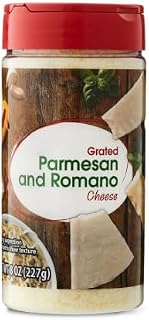


Grated Parmesan Alternatives: Exploring non-dairy alternatives to traditional grated Parmesan cheese
Nutritional yeast is a popular non-dairy alternative to grated Parmesan cheese, prized for its cheesy flavor and versatility in cooking. This inactive yeast is naturally low in fat and sodium, making it a healthier option for those looking to reduce their dairy intake. To use nutritional yeast as a Parmesan substitute, simply sprinkle it over pasta dishes, salads, or popcorn for a savory boost.
Another option is to create a DIY Parmesan alternative using a combination of cashews, nutritional yeast, garlic powder, and salt. Blend these ingredients in a food processor until finely ground, then use the mixture as you would traditional grated Parmesan. This homemade version allows for customization of flavors and textures, catering to individual preferences.
For those seeking a store-bought alternative, there are several brands that offer dairy-free Parmesan cheese made from plant-based ingredients such as almonds, soy, or coconut oil. These products can be found in health food stores or online, and they provide a convenient option for those who want the taste of Parmesan without the dairy.
When exploring non-dairy Parmesan alternatives, it's important to consider the nutritional content and ingredient list of each option. Some alternatives may contain added sugars or preservatives, so it's best to choose products with clean labels and minimal processing. Additionally, those with nut allergies should be cautious when trying new Parmesan substitutes, as many contain tree nuts.
In conclusion, there are several delicious and nutritious non-dairy alternatives to traditional grated Parmesan cheese. Whether you opt for nutritional yeast, a homemade cashew blend, or a store-bought option, these substitutes can add flavor and variety to your meals without the need for dairy.
Delving into the Gluten-Free Status of Frito-Lay Cheese Dip
You may want to see also
Explore related products
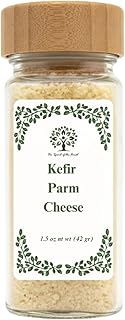


Nutritional Comparison: Comparing the nutritional profiles of dairy and dairy-free grated Parmesan options
Dairy-free grated Parmesan options have become increasingly popular, catering to those with lactose intolerance, dairy allergies, or following a vegan diet. But how do these alternatives stack up nutritionally against traditional dairy-based grated Parmesan? A detailed comparison reveals some interesting insights.
Traditional dairy-based grated Parmesan is known for its high protein content, with about 10 grams per quarter cup serving. It's also a good source of calcium, providing around 30% of the daily value in the same serving size. However, it's high in saturated fat and calories, with approximately 5 grams of saturated fat and 110 calories per quarter cup.
In contrast, dairy-free grated Parmesan options, such as those made from nuts or soy, tend to be lower in saturated fat and calories. For example, a quarter cup of a popular nut-based dairy-free Parmesan contains only 2 grams of saturated fat and 90 calories. However, these alternatives often fall short in terms of protein and calcium content. The same nut-based option provides just 3 grams of protein and 20% of the daily value of calcium per quarter cup.
One area where dairy-free grated Parmesan options often excel is in terms of vitamins and minerals. Many are fortified with vitamin B12, which is naturally found in dairy products but not in plant-based foods. Additionally, some dairy-free options contain higher levels of iron and magnesium compared to their dairy counterparts.
When choosing between dairy and dairy-free grated Parmesan options, it's important to consider individual dietary needs and preferences. For those looking to reduce saturated fat and calorie intake while still enjoying the flavor of Parmesan, dairy-free options can be a good choice. However, for individuals seeking high protein and calcium content, traditional dairy-based grated Parmesan may be a better option. As with any dietary decision, it's always best to consult with a healthcare professional or registered dietitian for personalized advice.
Delving into Gordo's Cheese Dip: A Gluten-Free Delight?
You may want to see also
Explore related products


Culinary Uses: Discussing how dairy-free grated Parmesan can be used in various dishes without compromising flavor
Dairy-free grated Parmesan cheese is a versatile ingredient that can enhance the flavor of various dishes without the need for traditional dairy. One of its primary culinary uses is as a topping for pasta dishes. Whether it's sprinkled over a classic spaghetti Bolognese or a creamy fettuccine Alfredo, the nutty and savory flavor of dairy-free Parmesan adds depth and richness to the dish. It can also be used in place of regular Parmesan in recipes for pesto, carbonara, and other Italian-inspired pasta dishes.
In addition to pasta, dairy-free grated Parmesan is an excellent addition to salads. It pairs well with a variety of greens, from arugula to spinach, and can be combined with other ingredients like cherry tomatoes, olives, and nuts for a flavorful and satisfying salad. The cheese can also be used as a garnish for soups, particularly those with a tomato or vegetable base, adding a touch of umami and a slight crunch.
For those looking to create dairy-free versions of classic comfort foods, grated Parmesan is a valuable ingredient. It can be used to make a dairy-free cheese sauce for macaroni and cheese, or as a topping for casseroles and gratins. The cheese can also be incorporated into recipes for pizza, either as a topping or as part of a dairy-free cheese blend.
When using dairy-free grated Parmesan, it's important to note that the flavor and texture may differ slightly from traditional Parmesan. However, with a bit of experimentation, it's easy to find ways to incorporate this ingredient into your favorite dishes without compromising on taste. Whether you're looking to create a dairy-free version of a classic recipe or simply want to try something new, grated Parmesan is a versatile and flavorful ingredient that can elevate a wide range of dishes.
Exploring Dairy-Free Delights: Is Follow Your Heart Cheese Soy-Free?
You may want to see also
Frequently asked questions
No, grated Parmesan cheese is not dairy-free. It is made from cow's milk and aged for a longer period than regular Parmesan, which gives it a stronger flavor.
Some dairy-free alternatives to grated Parmesan cheese include nutritional yeast, vegan Parmesan cheese made from plant-based ingredients like cashews or almonds, and dairy-free cheese blends that mimic the taste and texture of Parmesan.
Lactose-intolerant individuals may have difficulty digesting grated Parmesan cheese due to its high lactose content. It is recommended that they avoid consuming it or opt for a lactose-free or dairy-free alternative.
To ensure a product is truly dairy-free, it is important to read the ingredient list carefully and look for any hidden sources of dairy, such as whey, casein, or lactose. Additionally, checking for certifications from organizations like the Vegan Society or the Dairy-Free Living Association can provide assurance that the product meets strict dairy-free standards.