Kamil Perry
When it comes to dietary restrictions and preferences, understanding the gluten content in various food products is crucial for individuals with celiac disease or gluten sensitivity. In the UK, where awareness of gluten intolerance is high, many consumers are keen to know whether common food items, such as grated cheese, are safe for them to consume. Grated cheese is a popular ingredient in many dishes, from pizzas to salads, and its gluten status can significantly impact meal choices for those following a gluten-free diet.
Explore related products


What You'll Learn
- Understanding Gluten: Explanation of gluten, its sources, and why it's a concern for some individuals
- Cheese Production: Overview of how cheese is made, including the role of enzymes and potential gluten contamination
- Gluten-Free Certification: Discussion on what constitutes gluten-free certification in the UK and how it applies to cheese
- Cross-Contamination Risks: Examination of potential cross-contamination during processing and packaging of grated cheese
- Consumer Recommendations: Advice for consumers with gluten intolerance or celiac disease on choosing and using grated cheese safely

Understanding Gluten: Explanation of gluten, its sources, and why it's a concern for some individuals
Gluten is a type of protein found in certain grains, including wheat, barley, and rye. It's a crucial component that gives dough its elasticity and helps baked goods maintain their shape. However, for individuals with celiac disease or gluten sensitivity, consuming gluten can lead to adverse health effects.
One of the primary concerns for those avoiding gluten is identifying hidden sources of gluten in food products. While it's obvious that bread, pasta, and cereals contain gluten, many other foods can contain gluten as well, often in the form of additives or cross-contamination during processing. This is particularly relevant when considering grated cheese, as some brands may use gluten-containing ingredients or processing methods.
In the UK, food labeling regulations require that products containing gluten be clearly marked. However, it's still important for consumers to be vigilant and read ingredient lists carefully. Grated cheese, in particular, may pose a risk due to the potential for cross-contamination during the grating process or the addition of gluten-containing fillers or anti-caking agents.
For individuals with celiac disease or gluten sensitivity, it's essential to choose grated cheese products that are specifically labeled as gluten-free. Many reputable brands now offer gluten-free grated cheese options, which are produced using gluten-free ingredients and processed in facilities that minimize the risk of cross-contamination.
In conclusion, understanding gluten and its sources is crucial for individuals who need to avoid it for health reasons. When it comes to grated cheese, it's important to choose products that are specifically labeled as gluten-free to ensure that they are safe to consume.
Exploring Goat Feta Cheese: A Dairy-Free Alternative?
You may want to see also
Explore related products


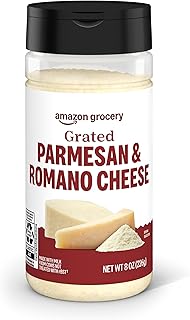


Cheese Production: Overview of how cheese is made, including the role of enzymes and potential gluten contamination
Cheese production is a complex process that involves several key steps, each of which plays a crucial role in determining the final product's characteristics, including its gluten content. The process begins with the selection and treatment of milk, which is then coagulated using enzymes such as rennet. These enzymes cause the milk proteins to form curds, which are subsequently separated from the whey. The curds are then pressed and shaped into cheese, which is left to age and develop its distinctive flavor and texture.
One of the critical aspects of cheese production in relation to gluten content is the use of enzymes. While enzymes such as rennet are essential for coagulating milk, they can also be a source of gluten contamination if they are derived from wheat or other gluten-containing sources. However, many modern cheese producers use microbial or fungal enzymes, which are gluten-free and therefore do not pose a risk of contamination.
Another potential source of gluten contamination in cheese production is the use of wheat-based ingredients in the cheese's rind or as part of the aging process. Some cheeses, such as blue cheeses, may be aged in barrels that previously held wheat-based products, which can lead to cross-contamination. Additionally, some cheese producers may use wheat flour or other gluten-containing ingredients as part of the cheese's rind or coating.
To ensure that grated cheese is gluten-free, it is essential to consider the entire cheese production process, from the selection of milk to the aging and grinding of the final product. Cheese producers who wish to create gluten-free products must take care to use gluten-free enzymes and avoid any wheat-based ingredients or cross-contamination during the production process. By doing so, they can create delicious, high-quality cheeses that are safe for individuals with gluten intolerance or celiac disease to enjoy.
Exploring Galbani Cheese: A Gluten-Free Delight for Dairy Lovers
You may want to see also
Explore related products
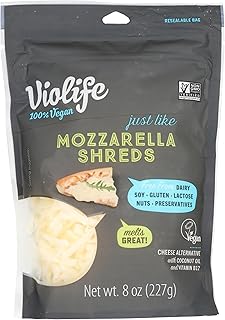


Gluten-Free Certification: Discussion on what constitutes gluten-free certification in the UK and how it applies to cheese
In the United Kingdom, gluten-free certification is a rigorous process that ensures products meet specific standards for gluten content. For cheese, this certification is particularly important due to the potential for cross-contamination during production. The UK's gluten-free certification typically requires that products contain less than 20 parts per million (ppm) of gluten, which is considered safe for individuals with coeliac disease or gluten sensitivity.
The process of obtaining gluten-free certification for cheese involves several steps. First, the cheese manufacturer must implement strict gluten-free protocols in their production facility. This includes using separate equipment and utensils for gluten-free products, as well as ensuring that all ingredients used in the cheese-making process are gluten-free. Additionally, the manufacturer must conduct regular testing to verify that their products meet the required gluten-free standards.
Once the manufacturer has implemented these protocols and conducted the necessary testing, they can apply for gluten-free certification from a recognized certifying body in the UK. The certifying body will then conduct an audit of the manufacturer's facility and review their testing results to ensure compliance with the certification standards. If the manufacturer meets all the requirements, they will be granted gluten-free certification for their cheese products.
For consumers, gluten-free certification provides assurance that the cheese they are purchasing is safe to consume if they have gluten sensitivities or coeliac disease. It is important to note, however, that not all cheeses are gluten-free, and consumers should always check the packaging or contact the manufacturer to confirm the gluten-free status of a particular product.
In summary, gluten-free certification in the UK is a critical process that ensures cheese products meet strict standards for gluten content, providing safety and peace of mind for consumers with gluten sensitivities or coeliac disease.
Exploring Dairy Alternatives: Is Go Veggie! Lactose-Free Cheese Vegan?
You may want to see also
Explore related products


Cross-Contamination Risks: Examination of potential cross-contamination during processing and packaging of grated cheese
Grated cheese, a staple in many culinary dishes, undergoes a meticulous process from production to packaging. However, this process isn't without its risks, particularly concerning cross-contamination. Cross-contamination occurs when harmful substances, such as allergens or pathogens, are transferred from one product to another during processing. In the context of grated cheese, this could mean the inadvertent introduction of gluten, posing a significant health risk to individuals with celiac disease or gluten sensitivity.
The risk of cross-contamination in grated cheese primarily arises during the grating and packaging stages. If the same equipment is used to grate different types of cheese without proper cleaning, there's a chance that gluten-containing cheese could contaminate gluten-free varieties. Additionally, if the packaging facility also handles gluten-containing products, there's a risk of airborne contamination or improper labeling, leading to potential exposure.
To mitigate these risks, manufacturers must implement stringent cleaning protocols between production runs, ensuring that all equipment is thoroughly sanitized. They should also consider using separate facilities or lines for gluten-free products to minimize the chance of cross-contamination. Furthermore, clear labeling and transparency in the supply chain are crucial, allowing consumers to make informed choices about the products they consume.
In conclusion, while grated cheese can be a delicious addition to many meals, it's essential to be aware of the potential risks associated with cross-contamination. By understanding these risks and taking appropriate precautions, manufacturers can help ensure that their products are safe for all consumers, including those with gluten sensitivities.
Savoring Five Guys: Is the Extra Bacon and Cheese Worth It?
You may want to see also
Explore related products


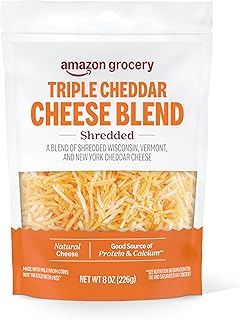
Consumer Recommendations: Advice for consumers with gluten intolerance or celiac disease on choosing and using grated cheese safely
For individuals with gluten intolerance or celiac disease, navigating the grocery store can be a challenging task, especially when it comes to products like grated cheese. While cheese itself is naturally gluten-free, the grating process can introduce gluten if the equipment used has been contaminated with gluten-containing products. Therefore, it's crucial to choose grated cheese from reputable brands that have strict gluten-free protocols in place. Look for certifications from organizations like the Gluten-Free Certification Organization (GFCO) or the Celiac Support Association (CSA) to ensure the product meets stringent gluten-free standards.
When using grated cheese, it's important to be mindful of cross-contamination in your own kitchen. If you're preparing a dish that requires both gluten-free and gluten-containing ingredients, make sure to use separate utensils and cutting boards to avoid any accidental transfer of gluten. Additionally, be cautious when dining out, as restaurants may not always be aware of the potential for gluten contamination in grated cheese. It's always a good idea to inform the staff of your dietary restrictions and ask about their gluten-free options.
Another consideration for consumers with gluten intolerance or celiac disease is the potential for hidden sources of gluten in cheese products. Some cheeses may contain enzymes derived from wheat or barley, which can trigger symptoms in sensitive individuals. To avoid this, opt for cheeses that use microbial or fungal enzymes instead. It's also a good idea to check the ingredient list for any additives or preservatives that may contain gluten.
In terms of storage, it's important to keep your grated cheese in a sealed container to prevent any potential contamination from other foods in your pantry or refrigerator. If you're unsure about the gluten-free status of a particular grated cheese product, don't hesitate to contact the manufacturer directly for more information. Many companies are now more than willing to provide detailed information about their products to accommodate consumers with dietary restrictions.
Finally, remember that knowledge is power when it comes to managing gluten intolerance or celiac disease. Stay informed about the latest research and guidelines related to gluten-free diets, and don't be afraid to advocate for yourself when it comes to your health. By being proactive and vigilant, you can enjoy a wide variety of delicious and safe gluten-free foods, including grated cheese.
Exploring the Gluten-Free Status of Grana Padano Cheese
You may want to see also
Frequently asked questions
Yes, grated cheese is typically gluten-free in the UK. Most cheeses do not contain gluten, and the grating process does not introduce gluten. However, it's always best to check the packaging for any specific allergen information.
While most grated cheeses are gluten-free, there can be exceptions. Some brands may use additives or processing methods that involve gluten. Always read the ingredient list and allergen information on the packaging to be certain.
To identify gluten-free grated cheese in the UK, look for products with clear labeling stating they are gluten-free or have a gluten-free symbol. Additionally, check the ingredient list to ensure no gluten-containing ingredients are present.
If you have a gluten intolerance and are unsure about a specific grated cheese product in the UK, it's best to contact the manufacturer directly for clarification. They can provide detailed information about the ingredients and processing methods used.