Randy Chandler
Goat cheese, a popular dairy product made from goat's milk, has sparked discussions regarding its classification as a processed food. While some argue that any cheese is a processed food due to the transformation of milk through fermentation and other methods, others contend that goat cheese, particularly when made using traditional methods, should be considered a minimally processed or even an unprocessed food. This debate highlights the nuances in defining processed foods and the varying degrees of processing involved in creating different types of cheese.
Explore related products




What You'll Learn
- Definition of Processed Food: Understanding what qualifies as processed food according to dietary guidelines
- Goat Cheese Production: Overview of how goat cheese is made, including fermentation and aging processes
- Nutritional Content: Analysis of the health benefits and nutritional value of goat cheese compared to other cheeses
- Additives and Preservatives: Examination of any additives or preservatives used in commercial goat cheese products
- Classification Debate: Discussion on whether goat cheese is classified as processed or natural food by different health organizations

Definition of Processed Food: Understanding what qualifies as processed food according to dietary guidelines
Processed food is a term that encompasses a wide range of food products that have undergone some form of processing, whether it be for preservation, flavor enhancement, or convenience. According to dietary guidelines, processed foods often contain added sugars, sodium, and unhealthy fats, which can contribute to various health issues when consumed in excess. Understanding what qualifies as processed food is crucial for making informed dietary choices and maintaining a balanced diet.
Goat cheese, in particular, is a type of dairy product that is often questioned in terms of its classification as processed food. While it is a natural cheese made from goat's milk, the production process involves coagulation, straining, and aging, which are forms of processing. However, goat cheese is generally considered a minimally processed food, as it does not typically contain added sugars, sodium, or unhealthy fats. In fact, it is a good source of protein, calcium, and other essential nutrients.
When evaluating whether a food is processed, it is important to consider the extent and type of processing involved. Foods that undergo minimal processing, such as pasteurization or fermentation, are generally considered healthier options compared to highly processed foods, such as packaged snacks or frozen meals. Goat cheese falls into the category of minimally processed foods, making it a more nutritious choice compared to many other processed food options.
In conclusion, while goat cheese does undergo some processing, it is considered a minimally processed food and can be a part of a healthy diet when consumed in moderation. Understanding the definition of processed food and the varying degrees of processing can help individuals make more informed choices about the foods they consume.
Exploring Dairy Alternatives: Goat Cheese and Candida Diet
You may want to see also
Explore related products


Goat Cheese Production: Overview of how goat cheese is made, including fermentation and aging processes
Goat cheese production is a meticulous process that involves several key steps, starting with the collection of goat's milk. The milk is typically pasteurized to eliminate any harmful bacteria and then cooled to a specific temperature to prepare it for fermentation. Starter cultures, which are a mixture of beneficial bacteria and enzymes, are added to the milk to initiate the fermentation process. This process converts the lactose in the milk into lactic acid, causing the milk to curdle and form a solid mass known as curds.
Once the curds have formed, they are cut into smaller pieces and stirred gently to release excess whey. The curds are then drained and pressed to remove more whey and to shape the cheese into its desired form. After shaping, the cheese is often salted to enhance its flavor and to help preserve it.
The aging process is a crucial part of goat cheese production, during which the cheese develops its characteristic flavors and textures. The cheese is typically aged in a controlled environment with specific temperature and humidity levels. During this time, natural molds and bacteria can develop on the surface of the cheese, contributing to its unique taste. The length of the aging process can vary depending on the type of goat cheese being produced, ranging from a few days for soft, fresh cheeses to several months for harder, more mature cheeses.
Throughout the production process, careful attention must be paid to hygiene and quality control to ensure that the final product is safe to consume and meets the desired standards of taste and texture. Modern goat cheese production often incorporates advanced technology and equipment to streamline the process and to maintain consistency in the final product. However, traditional methods are still used by many artisanal cheese makers who value the unique qualities that come from handcrafting the cheese.
In conclusion, goat cheese production is a complex and carefully controlled process that involves fermentation, curdling, draining, salting, and aging. Each step plays a vital role in determining the final characteristics of the cheese, and careful attention to detail is essential to produce a high-quality product. Whether produced using modern technology or traditional methods, goat cheese remains a popular and versatile food item that is enjoyed by many around the world.
Unveiling the Truth: Goat Cheese's Room Temperature Revolution
You may want to see also
Explore related products


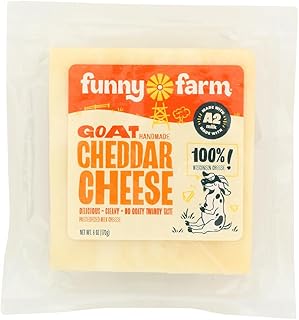


Nutritional Content: Analysis of the health benefits and nutritional value of goat cheese compared to other cheeses
Goat cheese, often celebrated for its distinct tangy flavor and creamy texture, boasts a nutritional profile that sets it apart from other types of cheese. One of the key health benefits of goat cheese is its lower calorie and fat content compared to cheeses like cheddar or mozzarella. A one-ounce serving of goat cheese typically contains around 70-80 calories and 5-6 grams of fat, making it a more calorie-conscious choice for those looking to manage their dietary intake.
In addition to being lower in calories and fat, goat cheese is also a good source of essential nutrients. It is rich in protein, providing about 4-5 grams per ounce, which is beneficial for muscle repair and growth. Goat cheese is also a good source of calcium, which is crucial for bone health, and contains vitamins A and B12, as well as minerals like phosphorus and magnesium. These nutrients contribute to overall health and well-being, making goat cheese a nutritious addition to a balanced diet.
When compared to other cheeses, goat cheese stands out for its unique fatty acid composition. It contains a higher proportion of medium-chain fatty acids, which are believed to be more easily metabolized by the body and may have potential health benefits, such as improved energy levels and weight management. Additionally, goat cheese is often lower in lactose than cow's milk cheese, making it a more digestible option for individuals with lactose intolerance.
However, it is important to note that goat cheese, like all cheeses, should be consumed in moderation as part of a balanced diet. While it offers several health benefits, it is still a source of saturated fat and sodium, which should be limited in a healthy diet. When choosing goat cheese, it is advisable to opt for varieties that are lower in sodium and fat, and to pair it with nutrient-dense foods like fruits, vegetables, and whole grains to maximize its health benefits.
In conclusion, goat cheese is a nutritious and flavorful option that can be part of a healthy diet when consumed in moderation. Its lower calorie and fat content, along with its rich nutrient profile, make it a beneficial choice for those looking to enjoy cheese while maintaining a balanced diet. By understanding the nutritional content and health benefits of goat cheese, individuals can make informed decisions about incorporating it into their meals and snacks.
Unraveling the Mystery: Goat Cheese vs. Feta Cheese Explained
You may want to see also
Explore related products

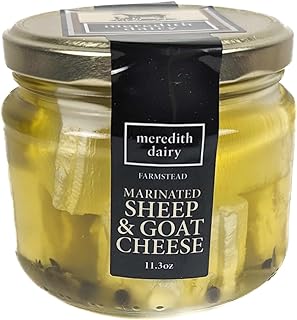


Additives and Preservatives: Examination of any additives or preservatives used in commercial goat cheese products
Commercial goat cheese products often contain additives and preservatives to enhance flavor, texture, and shelf life. These substances can include salt, enzymes, cultures, and sometimes even artificial ingredients. For instance, some manufacturers may use sodium nitrate or nitrite as preservatives, which are known to inhibit bacterial growth and extend the product's longevity. However, these additives have been a subject of debate due to potential health concerns, such as their link to increased sodium intake and the formation of carcinogenic compounds.
Analyzing the specific additives used in goat cheese products requires a closer look at the ingredient labels and an understanding of the production process. Many artisanal goat cheese makers pride themselves on using minimal additives, relying instead on traditional methods of fermentation and aging to develop flavor and preserve the cheese. In contrast, mass-produced goat cheeses may contain a longer list of additives to ensure consistency and longer shelf life.
From a health perspective, it's essential to consider the impact of these additives on the nutritional value of goat cheese. While some additives may be necessary to maintain the quality and safety of the product, others could potentially detract from the cheese's natural benefits, such as its protein and calcium content. Consumers who are concerned about additives may opt for organic or minimally processed goat cheese varieties, which typically have fewer artificial ingredients.
In conclusion, the examination of additives and preservatives in commercial goat cheese products reveals a complex balance between product quality, shelf life, and consumer health. By understanding the specific substances used and their purposes, consumers can make informed choices about the type of goat cheese they purchase and consume.
Exploring the Culinary World: Is Goat Cheese Considered a Healthy Choice?
You may want to see also
Explore related products


![Organic Goat Cheese is a healthy alternative to cow's milk cheese. Made in Wisconsin from locally sourced fresh goat's milk, the cheese can be enjoyed on its own, in a salad or heated in other dishes. [ 11 oz , 0.68 lb ]](https://m.media-amazon.com/images/I/41+dpFjDq0L._AC_UL320_.jpg)
Classification Debate: Discussion on whether goat cheese is classified as processed or natural food by different health organizations
The classification of goat cheese as either a processed or natural food has been a subject of debate among various health organizations. This discussion hinges on the definitions and criteria used by these organizations to categorize food items. Some health bodies argue that goat cheese, like other cheeses, undergoes a processing method that involves coagulating milk, separating curds, and aging, which classifies it as a processed food. On the other hand, proponents of natural foods contend that goat cheese, especially when made using traditional methods without artificial additives, should be considered a natural food.
The debate is further complicated by the varying standards and regulations across different countries and regions. For instance, the European Union has specific regulations regarding the production and labeling of cheese, which may differ from those in the United States or other parts of the world. These discrepancies can lead to confusion among consumers and producers alike, as the same product may be classified differently depending on where it is sold.
Moreover, the nutritional profile of goat cheese adds another layer to the debate. Goat cheese is known for its distinct taste and nutritional benefits, including being a good source of protein, calcium, and vitamins. However, the processing methods used can affect the nutritional content, with some processes potentially reducing the beneficial nutrients or introducing additives that may be considered unhealthy.
In conclusion, the classification of goat cheese as processed or natural food is not straightforward and depends on various factors, including the production methods, regional regulations, and nutritional content. As consumers become more health-conscious and interested in the origins and processing of their food, this debate is likely to continue and evolve.
Exploring Dairy Alternatives: Is Goat Cheese Paleo-Friendly?
You may want to see also
Frequently asked questions
Goat cheese can be considered a minimally processed food. While it undergoes some processing to separate the curds from the whey and to shape and age the cheese, it typically does not contain additives or preservatives found in highly processed foods.
The main ingredients in goat cheese are goat's milk, salt, and sometimes rennet or other coagulating agents. Some varieties may also include herbs, spices, or other flavorings.
Goat cheese is made by heating goat's milk to a specific temperature, then adding a coagulating agent like rennet to cause the milk to curdle. The curds are then separated from the whey, shaped into desired forms, and aged for varying periods depending on the type of cheese being produced.
Goat cheese is a good source of protein, calcium, and vitamins A and B12. It is also lower in fat and calories compared to some other types of cheese. Additionally, goat cheese contains beneficial bacteria that can aid in digestion.
Goat cheese generally has a tangier, more acidic taste compared to cow cheese. The texture can also differ, with goat cheese often being softer and creamier than cow cheese, although this can vary depending on the specific type and aging process of the cheese.