Randy Chandler
Goat cheese, a popular dairy alternative, is indeed considered a dairy product. Despite its classification, it's often perceived as a healthier option compared to traditional cow's milk cheeses. This perception stems from its lower lactose content, which makes it more digestible for individuals with lactose intolerance. Additionally, goat cheese is rich in nutrients such as calcium, protein, and vitamins, contributing to its appeal as a nutritious choice. However, it's essential to note that goat cheese still contains lactose and may not be suitable for those with severe dairy allergies. Its unique flavor profile, ranging from mild to tangy, also sets it apart from other dairy cheeses, making it a versatile ingredient in various culinary applications.
Explore related products


What You'll Learn
- Definition of Dairy Products: Understanding what qualifies as a dairy product, including the role of milk and processing methods
- Goat Cheese Ingredients: Exploring the primary ingredients used in goat cheese production, such as goat's milk and bacterial cultures
- Production Process: Describing the steps involved in making goat cheese, from milk collection to aging and packaging
- Nutritional Content: Comparing the nutritional profile of goat cheese to other dairy products, highlighting benefits and drawbacks
- Culinary Uses: Discussing the various ways goat cheese can be used in cooking and recipes, and its popularity in different cuisines

Definition of Dairy Products: Understanding what qualifies as a dairy product, including the role of milk and processing methods
Dairy products are a diverse category of food items derived from the milk of various mammals, primarily cows, but also including sheep, goats, and buffalo. The defining characteristic of a dairy product is its origin from milk, which is then processed through various methods to create a wide range of textures, flavors, and shelf lives. These processing methods include fermentation, coagulation, and aging, among others.
Fermentation is a key process in dairy production, where microorganisms such as bacteria and fungi convert lactose, the primary sugar in milk, into lactic acid. This process not only preserves the milk but also creates distinct flavors and textures. For example, yogurt is made by fermenting milk with specific bacterial cultures, resulting in a tangy, creamy product. Similarly, cheese is produced by coagulating milk, separating the curds from the whey, and then aging the curds under controlled conditions to develop flavor and texture.
The role of milk in dairy products is multifaceted. Milk serves as the base ingredient, providing essential nutrients such as protein, calcium, and vitamins. The type of milk used—whether it's whole, skim, or a blend—can significantly impact the final product's nutritional profile and taste. Additionally, the source of the milk, such as cow, goat, or sheep, can influence the flavor and characteristics of the dairy product.
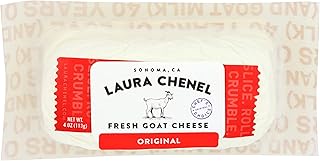
In the context of goat cheese, it is indeed considered a dairy product. Goat cheese is made from goat's milk, which is coagulated and then drained to form curds. These curds are then shaped, aged, and sometimes flavored with herbs or spices. The process of making goat cheese involves both coagulation and aging, which are traditional dairy processing methods.
Understanding the definition of dairy products and the role of milk and processing methods is crucial for consumers, especially those with dietary restrictions or preferences. For instance, individuals who are lactose intolerant may need to avoid certain dairy products or opt for alternatives made from plant-based milks. Similarly, those who follow vegan diets exclude all dairy products from their consumption.
In conclusion, dairy products encompass a wide variety of food items derived from milk and processed through methods such as fermentation, coagulation, and aging. Goat cheese, being made from goat's milk and involving traditional dairy processing techniques, is classified as a dairy product. This understanding helps consumers make informed choices about their diet and highlights the importance of milk and processing methods in the dairy industry.
The Surprising Truth About Goat Cheese: Binding or Not?
You may want to see also
Explore related products


Goat Cheese Ingredients: Exploring the primary ingredients used in goat cheese production, such as goat's milk and bacterial cultures
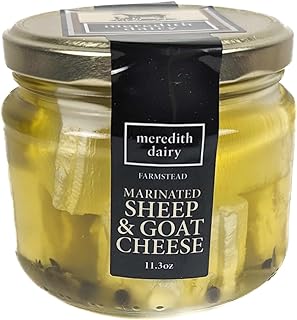
Goat cheese, a popular dairy alternative, is made primarily from goat's milk. This milk is rich in nutrients and has a distinct flavor profile that sets it apart from cow's milk. The process of making goat cheese involves several key ingredients, with goat's milk being the most crucial.
In addition to goat's milk, bacterial cultures are essential in the cheese-making process. These cultures help to ferment the milk, breaking it down into curds and whey. The type of bacterial culture used can vary depending on the desired flavor and texture of the cheese. For example, some cultures may produce a tangy, sharp flavor, while others may result in a milder, creamier taste.
Other ingredients that may be used in goat cheese production include salt, enzymes, and rennet. Salt is added to enhance the flavor and preserve the cheese, while enzymes and rennet help to further break down the milk proteins and improve the texture of the final product.
It's important to note that while goat cheese is made from dairy, it is often considered a more digestible option for those with lactose intolerance. This is because goat's milk contains a different type of lactose that is easier for some people to digest. However, it's still a dairy product and may not be suitable for those with a dairy allergy.
In conclusion, the primary ingredients used in goat cheese production are goat's milk and bacterial cultures. These ingredients work together to create a unique and flavorful cheese that is enjoyed by many. While goat cheese is considered a dairy product, it may be a more suitable option for those with lactose intolerance due to its distinct lactose composition.
Exploring the Flavor Profile: Is Goat Cheese Bitter?
You may want to see also
Explore related products



Production Process: Describing the steps involved in making goat cheese, from milk collection to aging and packaging
The production of goat cheese is a meticulous process that begins with the collection of fresh goat's milk. This milk is typically sourced from dairy goats that are raised specifically for their milk production. Once collected, the milk is filtered to remove any impurities and then pasteurized to ensure safety and extend shelf life. Pasteurization involves heating the milk to a specific temperature for a set period to kill off any harmful bacteria.
After pasteurization, the milk is cooled and then inoculated with a starter culture. This culture contains beneficial bacteria that will ferment the lactose in the milk, producing lactic acid as a byproduct. The lactic acid causes the milk to curdle, forming soft curds that are then gently stirred and heated to further develop the texture and flavor of the cheese.
The curds are then drained and pressed into molds to form the desired shape of the cheese. Depending on the type of goat cheese being produced, the molds can vary in size and shape. The cheese is then aged for a specific period, during which time it develops its characteristic flavor and texture. Aging can take place in a controlled environment, such as a cheese cave, where temperature and humidity are carefully monitored.
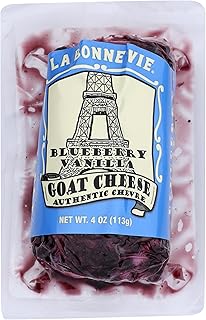
Once the cheese has reached the desired level of maturity, it is packaged for distribution. Packaging can vary depending on the type of cheese and the intended market. Some goat cheeses are wrapped in wax or foil to protect them during transport and storage, while others may be vacuum-sealed or placed in containers.
Throughout the production process, quality control is crucial. Producers must ensure that the milk is of high quality, that the starter culture is effective, and that the aging and packaging processes are carried out correctly. This attention to detail helps to ensure that the final product is safe, delicious, and meets the expectations of consumers.
Exploring Dairy Alternatives: Is Goat Cheese Paleo-Friendly?
You may want to see also
Explore related products


Nutritional Content: Comparing the nutritional profile of goat cheese to other dairy products, highlighting benefits and drawbacks
Goat cheese, a dairy product derived from goat's milk, offers a unique nutritional profile compared to other dairy products like cow's milk cheese. One of the key benefits of goat cheese is its lower lactose content, making it a more digestible option for individuals with lactose intolerance. Additionally, goat cheese is rich in essential nutrients such as calcium, phosphorus, and vitamins A and B12. These nutrients are crucial for maintaining strong bones, supporting cellular function, and promoting overall health.
However, when compared to cow's milk cheese, goat cheese has a slightly higher fat content, which may be a drawback for those monitoring their fat intake. It's also important to note that goat cheese can be higher in sodium, depending on the preparation method. Despite these considerations, goat cheese can be a healthier alternative to cow's milk cheese for some individuals, particularly those who are looking to reduce their lactose intake or who have specific dietary needs.
In terms of protein content, goat cheese is comparable to cow's milk cheese, providing a good source of protein for vegetarians and those looking to increase their protein intake. Goat cheese also contains beneficial fatty acids, such as conjugated linoleic acid (CLA), which has been linked to various health benefits, including improved immune function and reduced inflammation.
When considering the nutritional content of goat cheese, it's also important to factor in the potential environmental impact of goat farming. Goat farming can be more sustainable than cow farming in some regions, as goats require less land and water to produce the same amount of milk. However, the sustainability of goat farming can vary depending on the specific practices and region.
In conclusion, goat cheese offers a unique nutritional profile that can be beneficial for certain individuals, particularly those with lactose intolerance or specific dietary needs. While it may have some drawbacks, such as higher fat and sodium content, goat cheese can be a healthier alternative to cow's milk cheese when consumed in moderation as part of a balanced diet.
Exploring the pH Balance: Is Goat Cheese Alkaline or Acidic?
You may want to see also
Explore related products


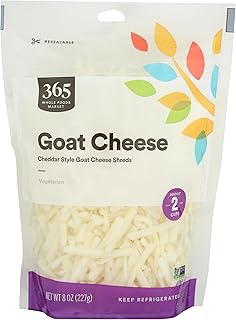

Culinary Uses: Discussing the various ways goat cheese can be used in cooking and recipes, and its popularity in different cuisines
Goat cheese, with its tangy flavor and creamy texture, is a versatile ingredient that has found its way into various culinary traditions around the world. In Mediterranean cuisine, it is a staple, often used in salads, sandwiches, and as a spread. The French, in particular, have a long-standing love affair with goat cheese, frequently incorporating it into dishes like crottins de Chavignol and bûche de Noël.
In the Middle East, goat cheese is a key component in many traditional recipes. It is often used in dips, such as labneh, and as a topping for dishes like fattoush salad. The cheese's ability to add a rich, tangy flavor without overpowering other ingredients makes it a popular choice in these cuisines.
Goat cheese has also gained popularity in modern American cuisine, where it is used in a variety of innovative ways. Chefs often use it as a substitute for cream cheese in desserts, such as cheesecakes and tarts, or as a topping for pizzas and flatbreads. Its tangy flavor pairs well with sweet ingredients, making it a favorite in fruit salads and as a garnish for roasted vegetables.
One of the reasons goat cheese is so popular in different cuisines is its adaptability. It can be used in both sweet and savory dishes, and its flavor profile can range from mild to sharp, depending on the type and age of the cheese. This versatility makes it a valuable ingredient for both home cooks and professional chefs.
In addition to its culinary uses, goat cheese is also valued for its nutritional benefits. It is lower in calories and fat than many other types of cheese, and it is a good source of protein, calcium, and vitamins. This makes it a popular choice for health-conscious consumers who still want to enjoy the rich flavors of cheese.
Overall, goat cheese's popularity in different cuisines can be attributed to its unique flavor, versatility, and nutritional benefits. Whether used in traditional recipes or innovative dishes, goat cheese continues to be a beloved ingredient in kitchens around the world.
Exploring the Health Benefits: Goat Cheese for Kidney and Liver Wellness?
You may want to see also
Frequently asked questions
Yes, goat cheese is considered a dairy product because it is made from goat's milk.
The main ingredients in goat cheese are goat's milk, salt, and sometimes rennet or other coagulating agents.
Goat cheese is different from cow's milk cheese in several ways. It has a distinct tangy flavor, a softer texture, and is often lower in fat and calories. Additionally, goat cheese is easier to digest for some people who are lactose intolerant.
Goat cheese is a versatile ingredient that can be used in a variety of dishes. Some popular uses include salads, sandwiches, wraps, pasta dishes, and as a spread on crackers or bread. It can also be used in desserts like cheesecakes or as a topping for fruits.