 Bushra Griffith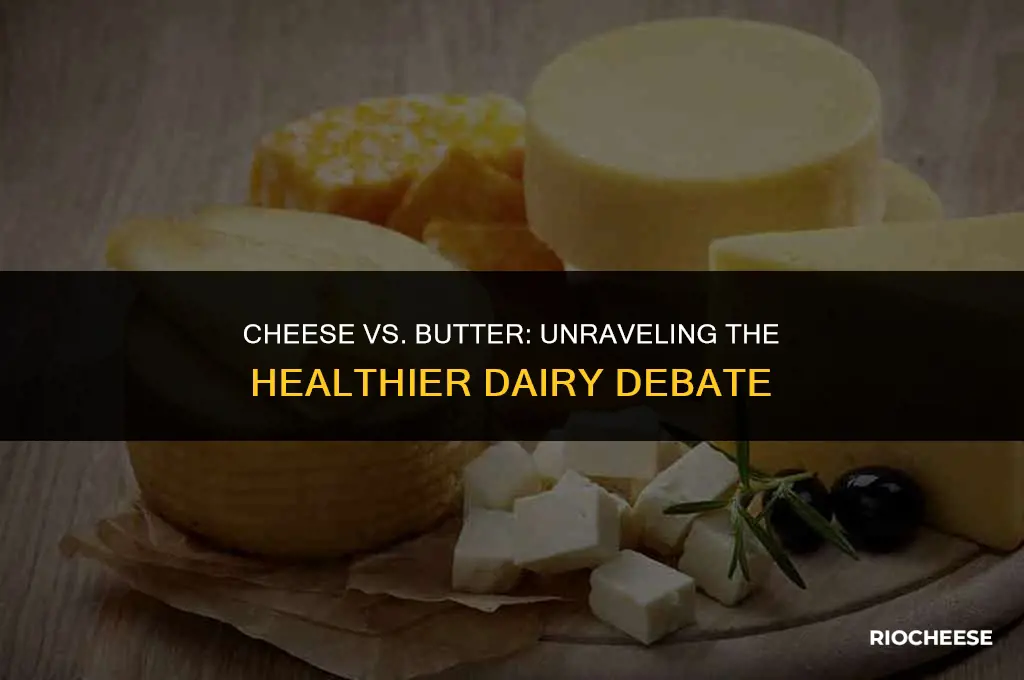
When considering the health implications of dietary choices, the comparison between cheese and butter often arises. Both are dairy products, but they differ significantly in their nutritional profiles. Cheese is a concentrated source of milk fat, protein, and calcium, while butter is primarily composed of milk fat and water. The question of whether cheese is healthier than butter is complex and depends on various factors, including the type of cheese, the amount consumed, and individual dietary needs. Some studies suggest that cheese may offer benefits such as improved bone health due to its calcium content, while others highlight the potential risks associated with its high saturated fat and sodium levels. Butter, on the other hand, has been both vilified and vindicated in recent years, with some research indicating that it may not be as detrimental to heart health as previously thought. Ultimately, the answer to this question requires a nuanced understanding of nutrition and the context of one's overall diet.
Explore related products


What You'll Learn
- Nutritional Comparison: Cheese vs. Butter - Calories, Fat, Protein, Vitamins, and Minerals
- Heart Health Impact: Saturated Fat Content and Its Effects on Cholesterol Levels and Cardiovascular Risk
- Weight Management: Which is More Filling and Can Help with Weight Loss or Maintenance
- Dietary Restrictions: Lactose Intolerance, Dairy Allergies, and Vegan Alternatives
- Culinary Uses: Versatility in Cooking and Baking - Enhancing Flavor and Texture

Nutritional Comparison: Cheese vs. Butter - Calories, Fat, Protein, Vitamins, and Minerals
Cheese and butter are both dairy products, but their nutritional profiles differ significantly. When comparing the two, it's essential to consider the calorie content first. Cheese generally has more calories than butter due to its higher protein and fat content. For instance, 1 ounce of cheddar cheese contains approximately 115 calories, while 1 tablespoon of butter has around 102 calories. However, the type of fat in each product varies, with cheese containing a higher proportion of saturated fat compared to butter.
In terms of protein, cheese is the clear winner. The same 1-ounce serving of cheddar cheese provides about 7 grams of protein, whereas butter contains negligible amounts. This protein content contributes to cheese's satiating effect, making it a more filling option than butter.
Vitamins and minerals are another crucial aspect of the nutritional comparison. Cheese is a good source of calcium, phosphorus, and vitamins A, B12, and riboflavin. Butter, on the other hand, is rich in vitamins A, D, E, and K, as well as small amounts of calcium and phosphorus. However, butter's high fat content means that it should be consumed in moderation to avoid excessive calorie intake.
When considering the overall nutritional value, cheese can be a healthier option than butter for those looking to increase their protein intake and benefit from its vitamin and mineral content. However, individuals should be mindful of the higher calorie and saturated fat content in cheese. As with any dietary choice, moderation and balance are key to reaping the health benefits while minimizing potential drawbacks.
Nutritional Breakdown: Is a Bean and Cheese Burrito a Healthy Choice?
You may want to see also
Explore related products


Heart Health Impact: Saturated Fat Content and Its Effects on Cholesterol Levels and Cardiovascular Risk
Saturated fat, a type of dietary fat found in animal products like cheese and butter, has long been a subject of scrutiny in the context of heart health. While both cheese and butter contain saturated fat, the impact on cardiovascular risk can vary due to differences in their overall nutritional profiles. Cheese, for instance, is a rich source of protein, calcium, and vitamins, which may mitigate some of the negative effects of saturated fat. In contrast, butter is primarily composed of fat with minimal nutritional value beyond calories.
Research suggests that high intake of saturated fat can lead to increased levels of low-density lipoprotein (LDL) cholesterol, often referred to as "bad" cholesterol. Elevated LDL levels are associated with a higher risk of cardiovascular disease, including heart attacks and strokes. However, the relationship between saturated fat and heart health is complex and influenced by various factors, such as the type of saturated fat consumed and the overall dietary pattern.
Some studies have found that the saturated fat in cheese may have a less pronounced effect on LDL cholesterol levels compared to the saturated fat in butter. This could be due to the presence of other nutrients in cheese that help to balance the impact of saturated fat. For example, the protein and calcium in cheese may aid in the excretion of cholesterol from the body, potentially offsetting some of the negative effects of saturated fat.
Despite these nuances, it is generally recommended to consume saturated fat in moderation as part of a balanced diet. The American Heart Association advises limiting saturated fat intake to no more than 5-6% of total daily calories. For individuals with high cholesterol or cardiovascular disease, even lower intakes may be necessary.
In conclusion, while both cheese and butter contain saturated fat, the overall nutritional profile of cheese may make it a slightly healthier choice in terms of heart health. However, moderation is key, and it is essential to consider the broader dietary context when making food choices. Incorporating a variety of nutrient-dense foods, such as fruits, vegetables, whole grains, and lean proteins, can help to support overall cardiovascular health.
Exploring the Nutritional Benefits of Babybel Cheeses: A Healthy Choice?
You may want to see also
Explore related products


Weight Management: Which is More Filling and Can Help with Weight Loss or Maintenance?
Cheese and butter are both high in calories and fat, but they differ significantly in their protein and nutrient content. When it comes to weight management, protein is a key factor in promoting satiety and helping to maintain muscle mass during weight loss. Cheese is a good source of protein, with about 6-7 grams per ounce, while butter contains negligible amounts of protein. This means that cheese can be more filling than butter and may help to reduce overall calorie intake.
In addition to protein, cheese also contains important nutrients like calcium, vitamin D, and conjugated linoleic acid (CLA), which have been shown to support weight loss and maintenance. Calcium helps to regulate appetite and metabolism, while vitamin D is important for overall health and may play a role in weight management. CLA is a type of fatty acid found in dairy products that has been shown to reduce body fat and improve body composition.
Butter, on the other hand, is primarily composed of saturated fat and calories, with little nutritional value. While some studies have suggested that butter may have a place in a healthy diet, it is generally recommended to limit intake of saturated fats due to their potential impact on heart health.
When considering cheese versus butter for weight management, it is important to choose full-fat cheese options, as these will be more filling and provide the most nutritional benefits. However, it is also important to consume cheese in moderation, as it is still high in calories and fat. Aim for 1-2 ounces of cheese per day as part of a balanced diet.
In summary, cheese can be a more filling and nutritious option than butter for weight management, thanks to its protein and nutrient content. However, it is important to consume cheese in moderation and choose full-fat options for maximum benefits.
Exploring the Nutritional Benefits of Bread and Cheese
You may want to see also
Explore related products


Dietary Restrictions: Lactose Intolerance, Dairy Allergies, and Vegan Alternatives
For individuals with lactose intolerance, dairy allergies, or those following a vegan diet, the question of whether cheese is healthier than butter takes on a different dimension. Lactose intolerance affects approximately 65% of the global population, making it a significant dietary concern. Dairy allergies, while less common, can cause severe reactions and must be taken seriously. Vegans, who avoid all animal products, also need to consider alternatives to both cheese and butter.
In these cases, the health comparison between cheese and butter becomes less relevant, and the focus shifts to finding suitable substitutes. For lactose intolerant individuals, lactose-free cheese or dairy products may be an option, although they should still be consumed in moderation. Those with dairy allergies must avoid all dairy products, including cheese and butter, and opt for plant-based alternatives instead.
Vegans have a variety of options when it comes to replacing cheese and butter. Plant-based cheeses, made from nuts, seeds, or soy, can provide a similar texture and flavor profile to traditional cheese. Vegan butter alternatives, often made from vegetable oils, can be used in cooking and baking as a substitute for dairy butter. It's important to note that not all vegan alternatives are created equal, and some may contain higher levels of saturated fats or additives than their dairy counterparts.
When considering the health implications of these dietary restrictions, it's crucial to focus on overall nutritional balance rather than comparing specific foods. A well-planned diet that takes into account individual needs and restrictions can provide all the necessary nutrients for optimal health. Consulting with a healthcare professional or registered dietitian can help ensure that dietary choices align with personal health goals and requirements.
In conclusion, for those with lactose intolerance, dairy allergies, or following a vegan diet, the comparison between cheese and butter is less important than finding suitable alternatives and maintaining a balanced diet. By focusing on individual needs and exploring a variety of plant-based options, it's possible to achieve optimal health while accommodating dietary restrictions.
Crunching the Numbers: Are Ritz Cheese Crackers a Healthy Snack?
You may want to see also
Explore related products




Culinary Uses: Versatility in Cooking and Baking - Enhancing Flavor and Texture
Cheese, with its myriad varieties and flavor profiles, offers a versatility in cooking and baking that can significantly enhance both the taste and texture of dishes. From the sharp tang of blue cheese to the creamy richness of brie, each type of cheese brings its own unique characteristics to the culinary table. For instance, hard cheeses like Parmesan are often grated over pasta dishes to add a nutty, savory depth, while soft cheeses like ricotta are used in desserts to provide a light, delicate sweetness.
In baking, cheese can be a key ingredient in creating flaky, tender pastries and breads. The fat content in cheese contributes to the flakiness of dough, while the protein helps to create structure. For example, incorporating grated cheddar into a biscuit dough not only adds a sharp, tangy flavor but also results in a more tender, crumbly texture. Similarly, using cream cheese in a cheesecake results in a smooth, creamy filling that sets firmly.
Cheese can also be used to enhance the flavor of sauces and soups. When melted into a béchamel sauce, for instance, cheese adds a rich, velvety texture and a deep, savory flavor. In soups, cheese can be used to create a creamy, indulgent base, as seen in classic dishes like French onion soup, where melted cheese is often used as a garnish to add both flavor and texture.
Moreover, cheese can be a versatile ingredient in vegetarian and vegan cooking, providing a satisfying umami flavor that can replace meat in many dishes. For example, a hearty vegetable lasagna can be made with layers of pasta, vegetables, and a rich cheese sauce, resulting in a filling and flavorful meal that is both nutritious and delicious.
In conclusion, the culinary uses of cheese are vast and varied, offering endless possibilities for enhancing the flavor and texture of both sweet and savory dishes. Whether used as a topping, an ingredient, or a garnish, cheese can elevate a simple meal into a gourmet experience, making it a staple in kitchens around the world.
Exploring the Nutritional Benefits of Liver Cheese: A Healthy Choice?
You may want to see also
Frequently asked questions
Cheese and butter are both high in saturated fat and calories, but cheese also provides protein, calcium, and other nutrients. Butter is primarily fat with minimal nutritional value. Moderation is key, but cheese can be part of a balanced diet, while butter should be consumed sparingly.
Cheese typically has more cholesterol than butter. However, dietary cholesterol has a limited impact on blood cholesterol levels for most people. Saturated fat, found in both cheese and butter, has a more significant effect on raising blood cholesterol.
Yes, cheese is a good source of several vitamins and minerals, including calcium, protein, vitamin B12, and riboflavin. However, it's also high in saturated fat and sodium, so it's important to consume cheese in moderation as part of a balanced diet.


