 Randy Chandler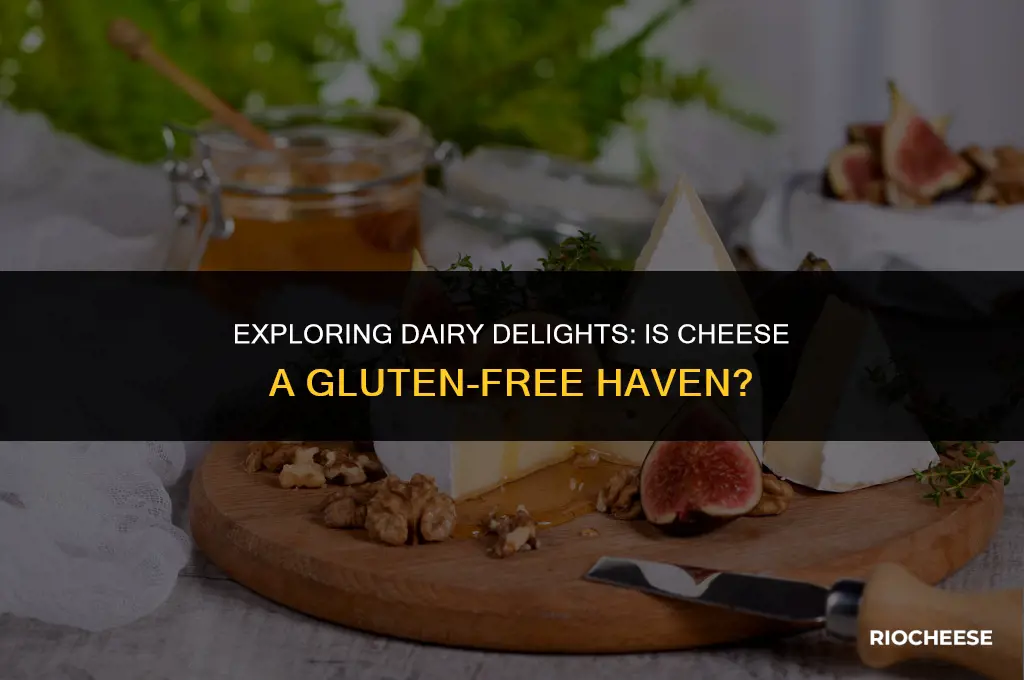
Cheese is generally considered a safe and nutritious option for individuals following a gluten-free diet. Since cheese is made primarily from milk, it does not contain gluten, a protein found in wheat, barley, and rye. This makes it an excellent choice for those with celiac disease or gluten sensitivity who need to avoid gluten-containing foods. In addition to being gluten-free, cheese is a good source of protein, calcium, and other essential nutrients. However, it's important to note that some processed cheese products may contain gluten-containing ingredients, so it's always best to check the label to ensure the product is suitable for a gluten-free diet.
Explore related products


What You'll Learn
- Nutritional Benefits: Cheese is rich in protein, calcium, and vitamins, making it a nutritious addition to a gluten-free diet
- Gluten Content: Most cheeses are naturally gluten-free, but it's essential to check labels for any added gluten-containing ingredients
- Cross-Contamination: Be cautious of cross-contamination during processing; some cheeses may come into contact with gluten-containing products
- Cheese Alternatives: For those with lactose intolerance or dairy allergies, there are gluten-free cheese alternatives made from nuts or soy
- Meal Ideas: Incorporate cheese into gluten-free meals like salads, omelets, and grilled vegetables for added flavor and nutrition

Nutritional Benefits: Cheese is rich in protein, calcium, and vitamins, making it a nutritious addition to a gluten-free diet
Cheese, a dairy product made from milk, is an excellent source of protein, which is essential for building and repairing tissues in the body. It also contains high levels of calcium, a mineral crucial for strong bones and teeth. In addition to these nutrients, cheese is rich in vitamins, including vitamin A, which supports healthy vision and immune function, and vitamin B12, which is important for nerve function and the production of red blood cells.
For individuals following a gluten-free diet, cheese can be a valuable addition due to its nutritional profile. Gluten-free diets often require careful planning to ensure adequate intake of essential nutrients, and cheese can help meet these needs. It is important to note, however, that not all cheeses are gluten-free, as some may contain gluten-containing ingredients or be processed in facilities that also handle gluten-containing products. Therefore, it is crucial to check labels and choose certified gluten-free cheeses to avoid any potential contamination.
Incorporating cheese into a gluten-free diet can be done in various ways. It can be used as a topping for salads, added to omelets or frittatas, or enjoyed as a snack on its own or paired with gluten-free crackers or fruits. When selecting cheeses for a gluten-free diet, it is recommended to choose whole, unprocessed varieties, as these are less likely to contain gluten-containing additives. Additionally, opting for cheeses that are naturally lower in lactose, such as aged cheeses, can be beneficial for individuals who are also lactose intolerant.
Overall, cheese can be a nutritious and delicious addition to a gluten-free diet, providing essential nutrients and variety. However, it is important to be mindful of potential gluten contamination and to choose certified gluten-free options to ensure a safe and healthy dietary intake.
Fuel Your Fitness: The Surprising Truth About Cheese and Muscle Gains
You may want to see also
Explore related products

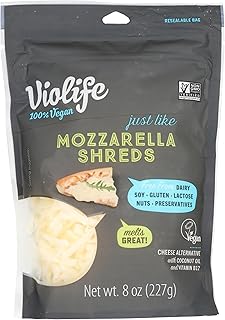


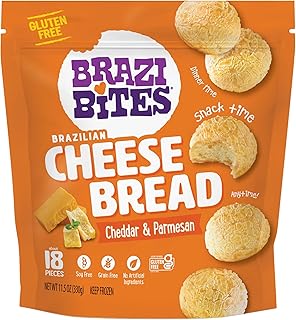

Gluten Content: Most cheeses are naturally gluten-free, but it's essential to check labels for any added gluten-containing ingredients
Cheese lovers with gluten sensitivities can rejoice: most cheeses are naturally gluten-free. This is because cheese is primarily made from milk, bacteria, and enzymes, none of which contain gluten. However, it's crucial to be vigilant about checking labels, as some cheeses may have added ingredients that do contain gluten.
One potential source of gluten in cheese is the rinds. Some cheeses, like blue cheese or certain types of aged cheddar, may have rinds that have been treated with gluten-containing substances. Additionally, some cheeses may be processed in facilities that also handle gluten-containing products, which could lead to cross-contamination.
To ensure that the cheese you're consuming is truly gluten-free, it's essential to read labels carefully and look for certifications from organizations like the Gluten-Free Certification Organization (GFCO). You can also contact the manufacturer directly to inquire about their gluten-free practices.
When shopping for gluten-free cheese, it's a good idea to stick with well-known brands that have a strong reputation for producing gluten-free products. Some popular gluten-free cheese brands include Cabot, Tillamook, and Boar's Head.
In conclusion, while most cheeses are naturally gluten-free, it's crucial to be diligent about checking labels and doing your research to ensure that the cheese you're consuming is truly safe for those with gluten sensitivities. By being proactive and informed, you can enjoy the delicious world of cheese without worrying about gluten.
The Surprising Truth About Cheese and Your Digestive Health
You may want to see also
Explore related products


Cross-Contamination: Be cautious of cross-contamination during processing; some cheeses may come into contact with gluten-containing products
Cheese can be a delicious and nutritious addition to a gluten-free diet, but it's crucial to be aware of the potential for cross-contamination during processing. Some cheeses may come into contact with gluten-containing products, which can be problematic for individuals with celiac disease or gluten sensitivity.
Cross-contamination can occur at various stages of cheese production, from the initial milking process to the final packaging. For example, if a cheese is processed on equipment that was previously used to handle gluten-containing products, there's a risk of gluten transfer. Additionally, some cheeses may be aged or stored in facilities where gluten-containing products are also present, increasing the likelihood of cross-contamination.
To minimize the risk of cross-contamination, it's essential to choose cheeses that are specifically labeled as gluten-free. These cheeses are produced using dedicated equipment and facilities that are free from gluten-containing products. Additionally, some cheese manufacturers may provide information on their website or packaging about their gluten-free practices, which can help you make an informed decision.
If you're unsure about a particular cheese, it's always best to err on the side of caution and avoid it. There are plenty of delicious gluten-free cheese options available, so you don't need to take unnecessary risks. Remember, even small amounts of gluten can be harmful to individuals with celiac disease or gluten sensitivity, so it's crucial to be vigilant about avoiding cross-contamination.
In conclusion, while cheese can be a great addition to a gluten-free diet, it's important to be aware of the potential for cross-contamination during processing. By choosing specifically labeled gluten-free cheeses and being cautious about potential sources of cross-contamination, you can enjoy cheese without worrying about gluten exposure.
Clearing the Fog: The Surprising Truth About Cheese and Cognitive Health
You may want to see also
Explore related products


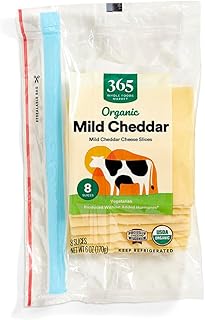
Cheese Alternatives: For those with lactose intolerance or dairy allergies, there are gluten-free cheese alternatives made from nuts or soy
For individuals with lactose intolerance or dairy allergies, the quest for cheese alternatives that are also gluten-free can be challenging. Fortunately, there are options available that cater to these specific dietary needs. Nut-based cheeses, such as those made from almonds, cashews, or hazelnuts, are popular choices. These alternatives are crafted by blending nuts with water, salt, and sometimes additional flavorings to create a creamy, cheese-like texture. Not only are they free from lactose and gluten, but they also offer a good source of healthy fats and protein.
Soy-based cheese alternatives are another viable option for those avoiding dairy and gluten. Made from soybeans, these products are often fortified with calcium and vitamins to mimic the nutritional profile of traditional cheese. They come in a variety of forms, including slices, shreds, and blocks, making them versatile for different recipes and uses. When selecting soy-based cheese alternatives, it's important to check the labels for gluten-free certification, as some products may contain gluten due to cross-contamination or added ingredients.
In addition to nut and soy-based options, there are also cheese alternatives made from other plant-based sources, such as coconut oil or tapioca starch. These products are typically lower in protein and fat compared to nut and soy-based alternatives but can still provide a satisfying cheese-like flavor and texture. When exploring these options, it's crucial to read ingredient lists carefully to ensure they align with your dietary restrictions and preferences.
One of the key benefits of gluten-free cheese alternatives is their versatility in cooking and baking. Whether you're making a dairy-free pizza, a vegan grilled cheese sandwich, or a lactose-free lasagna, these alternatives can help you achieve the desired taste and texture without compromising your dietary needs. Additionally, many of these products are suitable for those following a vegan diet, as they do not contain any animal-derived ingredients.
In conclusion, for those with lactose intolerance or dairy allergies, gluten-free cheese alternatives made from nuts, soy, and other plant-based sources offer a range of options to suit various tastes and dietary requirements. By carefully selecting and experimenting with these alternatives, individuals can enjoy their favorite cheese-based dishes without the discomfort or health risks associated with lactose and gluten consumption.
Nutrition in Pregnancy: Is Cheese Safe for the First Trimester?
You may want to see also
Explore related products


Meal Ideas: Incorporate cheese into gluten-free meals like salads, omelets, and grilled vegetables for added flavor and nutrition
Cheese can be a versatile and nutritious addition to a gluten-free diet, offering a range of flavors and textures that can enhance various meals. One creative way to incorporate cheese into gluten-free meals is by using it as a topping for salads. For instance, a simple mixed green salad can be elevated with the addition of crumbled feta or grated Parmesan, providing a savory contrast to the fresh vegetables. When choosing cheeses for salads, it's important to opt for varieties that are naturally gluten-free, such as mozzarella, cheddar, or goat cheese, to avoid any potential cross-contamination.
Another delicious way to enjoy cheese in a gluten-free meal is by adding it to omelets. Omelets are a great option for those following a gluten-free diet as they are made primarily from eggs, which are naturally gluten-free. You can mix in shredded cheese, such as cheddar or Monterey Jack, directly into the egg mixture before cooking, or sprinkle it on top of the omelet once it's cooked. This not only adds flavor but also provides a good source of protein and calcium.
Grilled vegetables are another excellent canvas for incorporating cheese into gluten-free meals. Vegetables like zucchini, bell peppers, and eggplant can be sliced, grilled, and then topped with melted cheese for a tasty and nutritious side dish or main course. For a more indulgent option, you can create a gluten-free grilled cheese sandwich using gluten-free bread and your choice of cheese. Just be sure to use a separate grill or pan to avoid cross-contamination with gluten-containing foods.
When incorporating cheese into gluten-free meals, it's essential to be mindful of portion sizes. While cheese can be a healthy addition to a balanced diet, it is also high in calories and fat. Therefore, it's best to enjoy it in moderation. Additionally, if you have lactose intolerance or a dairy allergy, there are many lactose-free and dairy-free cheese alternatives available that can still provide a similar taste and texture.
In conclusion, cheese can be a flavorful and nutritious component of a gluten-free diet when used thoughtfully and in moderation. By incorporating cheese into meals like salads, omelets, and grilled vegetables, you can add variety and enjoyment to your gluten-free eating experience. Just remember to choose naturally gluten-free cheeses and be cautious of portion sizes to maintain a balanced and healthy diet.
Exploring the Relationship Between Cheese and Epilepsy: A Nutritional Perspective
You may want to see also
Frequently asked questions
Yes, cheese is naturally gluten-free. Gluten is a protein found in grains like wheat, barley, and rye, and cheese is made from milk, which does not contain gluten. However, it's important to check the labels of processed cheese products, as some may contain gluten-containing ingredients.
People with celiac disease can eat cheese, but they should be cautious about cross-contamination. Cheese itself does not contain gluten, but if it's processed or packaged in a facility that also handles gluten-containing products, there's a risk of cross-contamination. It's best to choose cheeses that are specifically labeled as gluten-free.
Most types of cheese are safe for a gluten-free diet, including cheddar, mozzarella, parmesan, and Swiss. However, it's important to avoid cheeses that have been processed with gluten-containing ingredients, such as some types of blue cheese or cheeses with added flavors or coatings. Always check the label to ensure the cheese is gluten-free.


