Frederic Melton
Cheese is a dairy product that is often high in calories, fat, and protein, making it a popular choice for individuals looking to gain weight. However, the nutritional value of cheese can vary greatly depending on the type and how it is produced. Some cheeses are high in saturated fat and sodium, which can have negative health effects if consumed in excess. On the other hand, cheese can also be a good source of calcium, vitamins, and minerals that are important for overall health. In this article, we will explore the potential benefits and drawbacks of using cheese as a weight gain supplement and provide guidance on how to incorporate it into a healthy diet.
Explore related products




What You'll Learn
- Caloric Content: Cheese is calorie-dense, providing energy surplus necessary for weight gain
- Protein: High protein content in cheese aids muscle growth, contributing to weight gain
- Fat Content: Cheese contains healthy fats, which are essential for weight gain and overall health
- Nutrient Density: Cheese offers various nutrients like calcium and vitamins, supporting overall health during weight gain
- Types of Cheese: Different cheeses vary in calories and nutrients, impacting their effectiveness for weight gain

Caloric Content: Cheese is calorie-dense, providing energy surplus necessary for weight gain
Cheese, with its rich and creamy texture, is often scrutinized for its caloric content. A single ounce of cheddar cheese contains approximately 115 calories, which is a significant amount considering its small serving size. This high caloric density makes cheese an effective food for those looking to increase their daily calorie intake and gain weight. However, it's essential to understand that not all calories are created equal, and the nutritional quality of cheese should also be taken into account.
The caloric content of cheese is primarily derived from its fat and protein components. Cheese is an excellent source of protein, which is essential for muscle growth and repair. Additionally, it contains a variety of vitamins and minerals, including calcium, phosphorus, and vitamin B12. However, cheese is also high in saturated fat, which should be consumed in moderation as part of a balanced diet.
When incorporating cheese into a weight gain diet, it's crucial to focus on portion control and balance. While cheese can be a valuable addition to meals and snacks, it should not be the sole focus of one's diet. Instead, it should be combined with other nutrient-dense foods, such as whole grains, fruits, vegetables, lean proteins, and healthy fats. This approach ensures that the body receives a wide range of essential nutrients while also promoting weight gain.
One practical way to include cheese in a weight gain diet is to use it as a topping or ingredient in various dishes. For example, adding cheese to sandwiches, salads, or pasta dishes can increase the overall caloric content of the meal without significantly altering its flavor profile. Additionally, cheese can be paired with nutrient-dense snacks, such as whole grain crackers or fresh fruit, to create a balanced and satisfying snack option.
In conclusion, while cheese is calorie-dense and can contribute to weight gain, it's essential to consume it in moderation and as part of a balanced diet. By focusing on portion control and combining cheese with other nutrient-dense foods, individuals can effectively use cheese to support their weight gain goals while also maintaining overall health and well-being.
Exploring the Link Between Cheese Consumption and Fibroid Health
You may want to see also
Explore related products


![Edam Ball , Made the traditional way and has been enjoyed by generations. Made with part skim milk, it is more firm than gouda with a rich, buttery flavor and a smooth, creamy texture. Versatile, it can be sliced for sandwiches, shred for baking dishes, or cubed for salads. [ 30 oz , 1.8 lb ]](https://m.media-amazon.com/images/I/51HmT+t9haL._AC_UL320_.jpg)

Protein: High protein content in cheese aids muscle growth, contributing to weight gain
Cheese is often touted as a weight gain aid due to its high protein content. Protein is an essential macronutrient that plays a critical role in muscle growth and repair. When consumed in adequate amounts, protein can help increase muscle mass, which in turn can contribute to weight gain. Cheese, being a rich source of protein, can be an effective addition to a diet aimed at increasing body weight.
However, it's important to note that not all cheeses are created equal when it comes to protein content. For instance, hard cheeses like Parmesan and Cheddar tend to have higher protein levels compared to softer cheeses like Brie or Camembert. Additionally, the fat content in cheese can vary significantly, with some cheeses being quite high in saturated fats. While fats are also necessary for weight gain, excessive consumption of saturated fats can lead to health issues such as increased cholesterol levels and heart disease.
To maximize the benefits of cheese for weight gain, it's advisable to choose cheeses that are high in protein and moderate in fat. Incorporating cheese into meals or snacks can be a practical way to increase protein intake. For example, adding cheese to sandwiches, salads, or pasta dishes can boost the protein content of these meals. Additionally, cheese can be consumed on its own as a snack, paired with fruits or nuts for a balanced option.
It's also crucial to consider portion sizes when using cheese as a weight gain strategy. While cheese can be a nutritious addition to the diet, it is also calorie-dense. Therefore, moderation is key to avoid excessive calorie intake that could lead to unwanted fat gain. Consulting with a nutritionist or dietitian can provide personalized guidance on how to effectively incorporate cheese into a weight gain diet while maintaining overall health.
In summary, cheese can be a valuable component of a weight gain diet due to its high protein content, which supports muscle growth. However, it's essential to choose the right types of cheese, pay attention to portion sizes, and balance cheese consumption with other nutritious foods to achieve healthy weight gain.
Fuel Your Fitness: The Surprising Benefits of Cheese in Your Diet
You may want to see also
Explore related products


Fat Content: Cheese contains healthy fats, which are essential for weight gain and overall health
Cheese is often scrutinized for its fat content, but what many don't realize is that it contains a type of healthy fat that can be beneficial for weight gain and overall health. These fats, known as monounsaturated and polyunsaturated fats, are essential for various bodily functions and can aid in the absorption of fat-soluble vitamins.
One of the primary benefits of these healthy fats is their role in promoting satiety. Unlike processed foods that are high in unhealthy fats and sugars, cheese can help you feel fuller for longer periods, which can prevent overeating and support weight gain in a controlled manner. Additionally, the protein content in cheese works synergistically with the fats to promote muscle growth and repair, which is crucial for individuals looking to gain weight in the form of lean muscle mass.
It's important to note that not all cheeses are created equal when it comes to fat content. Cheeses like mozzarella, feta, and part-skim ricotta are lower in fat and calories, making them excellent choices for those who are conscious about their fat intake but still want to enjoy the benefits of cheese. On the other hand, cheeses like cheddar, Swiss, and American are higher in fat and should be consumed in moderation as part of a balanced diet.
When incorporating cheese into your diet for weight gain, it's essential to consider portion sizes and the overall nutritional profile of your meals. Pairing cheese with whole grains, fruits, and vegetables can create a well-rounded meal that provides a balance of macronutrients and micronutrients. Additionally, opting for whole-fat cheeses can provide more of the healthy fats that are beneficial for weight gain and overall health.
In conclusion, the fat content in cheese can be a valuable asset for individuals looking to gain weight in a healthy way. By choosing the right types of cheese and incorporating them into a balanced diet, you can harness the benefits of these healthy fats while enjoying the delicious taste and versatility that cheese has to offer.
The Dairy Dilemma: Is Cheese Your Ticket to Bulking Up?
You may want to see also
Explore related products


Nutrient Density: Cheese offers various nutrients like calcium and vitamins, supporting overall health during weight gain
Cheese is a nutrient-dense food that can contribute to overall health while supporting weight gain. It is rich in essential nutrients such as calcium, protein, vitamins A and B12, and minerals like phosphorus and zinc. These nutrients play crucial roles in bone health, muscle growth, and energy metabolism, making cheese a valuable addition to a balanced diet aimed at increasing body mass.
One of the key benefits of cheese in the context of weight gain is its high protein content. Protein is essential for muscle repair and growth, and consuming adequate amounts can help in building lean muscle mass. Additionally, cheese contains a good balance of fats, which can provide sustained energy and contribute to a feeling of fullness, potentially aiding in the consumption of more calories overall.
The calcium in cheese is particularly important for individuals looking to gain weight, as it supports bone density and strength. This is especially crucial for those engaging in resistance training or other forms of exercise to build muscle, as strong bones can better support increased muscle mass and reduce the risk of injury.
Moreover, the vitamins and minerals found in cheese, such as vitamin B12 and zinc, are vital for maintaining a healthy metabolism and immune system. A well-functioning metabolism is essential for efficiently utilizing the calories consumed, while a strong immune system helps in preventing illnesses that could hinder weight gain efforts.
Incorporating cheese into a weight gain diet can be done in various ways. It can be added to meals as a topping, used in cooking, or consumed as a snack. However, it is important to choose full-fat cheese options to maximize the intake of calories and nutrients. Additionally, moderation is key, as cheese can be high in saturated fats and sodium, which should be consumed in balance with other dietary components.
In conclusion, cheese offers a range of nutrients that can support overall health and contribute to weight gain when consumed as part of a balanced diet. Its high protein and fat content, along with essential vitamins and minerals, make it a nutritious choice for individuals looking to increase their body mass while maintaining a healthy lifestyle.
Exploring the Relationship Between Cheese Consumption and Fatty Liver Disease
You may want to see also
Explore related products



Types of Cheese: Different cheeses vary in calories and nutrients, impacting their effectiveness for weight gain
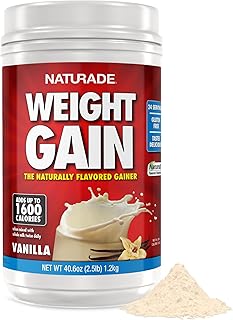
Cheese is a dairy product that comes in various types, each with its own unique nutritional profile. When considering cheese as part of a weight gain diet, it's essential to understand the differences between these types and how they can impact your overall calorie and nutrient intake.
Hard cheeses, such as cheddar and Parmesan, tend to be higher in calories and fat compared to softer cheeses like mozzarella and cottage cheese. This is because hard cheeses have a higher density and are often made with whole milk, which contains more fat. On the other hand, softer cheeses are typically made with skim or low-fat milk, resulting in a lower calorie and fat content.
In addition to calorie content, the nutrient composition of different cheeses can also vary significantly. For example, blue cheeses like Roquefort and Gorgonzola are high in protein and calcium, while also being relatively low in calories. This makes them an excellent choice for those looking to gain weight in a healthy way.
Another factor to consider is the sodium content of cheese. Some types, such as feta and Swiss, are high in sodium, which can contribute to water retention and bloating. This can be detrimental to weight gain goals, as it can make it difficult to accurately track progress and may lead to discomfort.
When selecting cheese for weight gain, it's important to choose varieties that are high in calories and nutrients, while also being mindful of sodium content. Incorporating a variety of cheeses into your diet can help ensure that you're getting a balanced mix of nutrients and can make it easier to stick to your weight gain plan.
In conclusion, the type of cheese you choose can have a significant impact on your weight gain journey. By understanding the nutritional differences between various types of cheese, you can make informed decisions that will help you reach your goals in a healthy and sustainable way.
The Surprising Truth About Cheese as Fishing Bait
You may want to see also
Frequently asked questions
Cheese can be part of a weight gain diet due to its high calorie and protein content. However, it's important to consume it in moderation as part of a balanced diet.
Cheeses like cheddar, mozzarella, and Parmesan are high in calories and protein, making them suitable choices for weight gain.
The amount of cheese to eat for weight gain varies based on individual calorie needs. A general guideline is to include a serving of cheese (about 1 ounce or 28 grams) in your meals, but consult a nutritionist for personalized advice.