Frederic Melton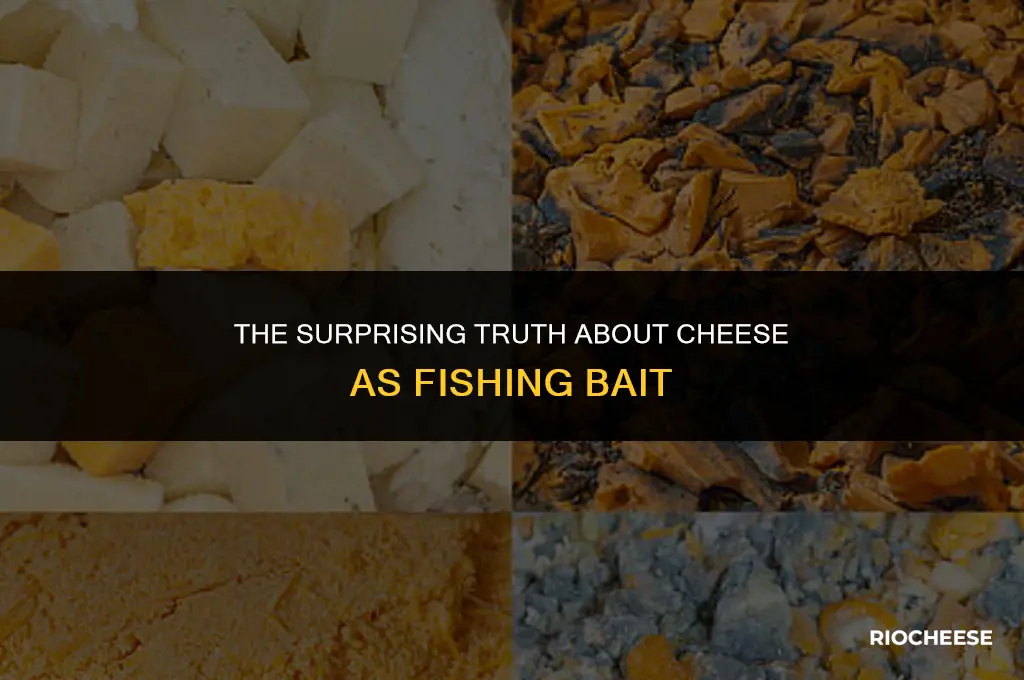
Cheese is a popular bait choice among anglers due to its strong scent and flavor, which can attract fish. However, its effectiveness largely depends on the type of fish being targeted and the fishing conditions. Some fish species, such as carp and catfish, are known to be attracted to cheese, while others may be less interested. Additionally, cheese can be a good choice for fishing in murky or muddy waters where its scent can travel further. It's important to note that while cheese can be a useful bait, it should be used in moderation and in accordance with local fishing regulations to avoid attracting unwanted species or causing harm to the aquatic ecosystem.
Explore related products


What You'll Learn
- Cheese as Bait: Exploring the effectiveness of cheese as a fishing bait and its appeal to different fish species
- Nutritional Value: Analyzing the nutritional benefits of cheese for fish, including protein content and essential nutrients
- Fishing Techniques: Discussing various fishing methods where cheese can be utilized, such as carp fishing or fly fishing
- Environmental Impact: Investigating the ecological effects of using cheese in fishing, including its biodegradability and potential pollution
- Angler Experiences: Sharing personal anecdotes and experiences from anglers who have used cheese as bait in their fishing endeavors

Cheese as Bait: Exploring the effectiveness of cheese as a fishing bait and its appeal to different fish species
Cheese has long been a staple in the culinary world, but its use extends beyond the kitchen. Anglers have discovered that cheese can be an effective bait for fishing, particularly when targeting certain species. The strong scent and flavor of cheese can attract fish, making it a valuable tool in the angler's arsenal.
One of the primary advantages of using cheese as bait is its ability to attract a variety of fish species. Carp, in particular, are known to be drawn to cheese, as are catfish and some types of panfish. The high protein content in cheese makes it an appealing food source for these fish, and its strong odor can help mask other scents in the water, making it more likely for fish to bite.
When using cheese as bait, it's important to consider the type of cheese being used. Stronger, more pungent cheeses like blue cheese or Limburger are often more effective than milder cheeses like cheddar or mozzarella. Additionally, the texture of the cheese can play a role in its effectiveness. Soft, creamy cheeses can be more easily molded into shapes that mimic natural food sources, while harder cheeses can be grated or shaved to create a more enticing presentation.
Another factor to consider is the water conditions. Cheese bait is most effective in clear, calm waters where the scent can travel more easily. In murky or fast-moving waters, the effectiveness of cheese bait may be reduced. Anglers should also be aware of local regulations regarding the use of cheese bait, as some areas may have restrictions in place to protect local ecosystems.
In conclusion, cheese can be a highly effective fishing bait when used correctly. By understanding the appeal of cheese to different fish species and considering factors like cheese type, water conditions, and local regulations, anglers can increase their chances of success on the water.
Dairy Dilemma: Is Cheese a Healthy Treat for Dwarf Hamsters?
You may want to see also
Explore related products


Nutritional Value: Analyzing the nutritional benefits of cheese for fish, including protein content and essential nutrients
Cheese, a dairy product rich in protein and essential nutrients, can be a valuable addition to a fish's diet. The high protein content in cheese helps support the growth and development of fish, making it an attractive option for anglers looking to enhance their catch. In addition to protein, cheese contains important vitamins and minerals such as calcium, phosphorus, and vitamin B12, which are essential for maintaining the overall health of fish.
When using cheese as bait, it's important to consider the type of cheese and its nutritional profile. For example, cheddar cheese is high in fat and protein, making it a good choice for attracting larger fish. On the other hand, mozzarella cheese is lower in fat and protein, but still provides some nutritional benefits. It's also important to note that some fish may be more attracted to certain types of cheese based on their natural diet and preferences.
One of the key benefits of using cheese as bait is its ability to provide a slow release of nutrients into the water. This can help attract fish over a longer period of time, increasing the chances of a successful catch. Additionally, cheese can be easily molded into different shapes and sizes, making it a versatile option for various fishing techniques.
However, it's important to use cheese in moderation and avoid overfeeding fish. Excessive consumption of cheese can lead to health problems in fish, such as obesity and digestive issues. It's also important to consider the environmental impact of using cheese as bait, as it can contribute to water pollution if not used responsibly.
In conclusion, cheese can be a valuable tool for anglers looking to attract fish, but it's important to use it wisely and consider its nutritional profile, the type of fish being targeted, and the environmental impact. By using cheese in moderation and selecting the right type, anglers can increase their chances of a successful catch while also providing some nutritional benefits to the fish.
Exploring the Relationship Between Cheese and Diverticulitis: A Comprehensive Guide
You may want to see also
Explore related products


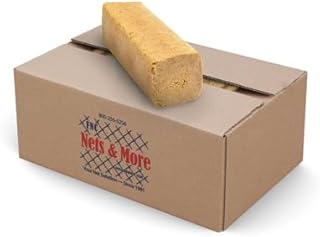

Fishing Techniques: Discussing various fishing methods where cheese can be utilized, such as carp fishing or fly fishing
Cheese has been a staple in fishing bait for centuries, particularly in carp fishing. One of the most effective methods is to use a piece of cheese as a hook bait, either on its own or combined with other ingredients to create a more enticing offering. For example, a popular technique is to mix grated cheese with breadcrumbs and a small amount of water to form a paste, which can then be molded into small balls and used as bait. This method not only attracts carp but also helps to keep the bait on the hook for longer periods.
In fly fishing, cheese can be used to create a variety of flies that mimic the appearance and scent of insects. One such fly is the "cheese fly," which is made by wrapping a piece of cheese around a hook and then covering it with a layer of translucent material, such as nylon or polyester. This fly can be particularly effective in attracting trout and other freshwater fish.
Another technique is to use cheese as a scent attractant. By placing a small amount of cheese in a mesh bag or a specialized scent dispenser, anglers can release the scent of cheese into the water, which can help to attract fish from a distance. This method is often used in conjunction with other baits, such as worms or pellets, to create a more enticing fishing setup.
When using cheese in fishing, it's important to consider the type of cheese being used. Strong-smelling cheeses, such as cheddar or blue cheese, are often more effective at attracting fish than milder cheeses. Additionally, it's crucial to use cheese in moderation, as too much can actually repel fish. Experimenting with different types and amounts of cheese can help anglers find the perfect balance for their fishing needs.
Overall, cheese can be a valuable tool in an angler's arsenal, offering a unique scent and flavor that can attract a variety of fish species. By understanding the different techniques for using cheese in fishing and experimenting with various types and presentations, anglers can increase their chances of success on the water.
Exploring the Effects of Cheese on Diarrhea: A Comprehensive Guide
You may want to see also
Explore related products



Environmental Impact: Investigating the ecological effects of using cheese in fishing, including its biodegradability and potential pollution
Cheese, a common household item, has found its way into fishing practices as an unconventional bait. While its effectiveness in attracting fish is debated, the environmental implications of using cheese in fishing are a pressing concern. The biodegradability of cheese and its potential to contribute to pollution are critical factors that need to be considered.
Cheese is primarily composed of fats, proteins, and lactose, which are biodegradable. However, the rate at which cheese decomposes can vary significantly depending on environmental conditions such as temperature, pH, and the presence of microorganisms. In aquatic environments, cheese may take longer to degrade due to lower temperatures and the absence of certain decomposing organisms. This slow degradation process could lead to the accumulation of cheese remnants in water bodies, potentially harming aquatic life.
Moreover, the use of cheese in fishing could contribute to nutrient pollution. As cheese decomposes, it releases nutrients such as nitrogen and phosphorus into the water. These nutrients can promote the growth of algae and other aquatic plants, leading to eutrophication. Eutrophication depletes oxygen levels in the water, creating dead zones where fish and other aquatic organisms cannot survive.
To mitigate the environmental impact of using cheese in fishing, anglers should consider using biodegradable fishing baits that are specifically designed to break down quickly in aquatic environments. Additionally, proper disposal of cheese remnants and other fishing waste is crucial to prevent pollution. Anglers should also be aware of local regulations regarding the use of certain baits and follow sustainable fishing practices to minimize their ecological footprint.
In conclusion, while cheese may be an effective bait for fishing, its environmental impact cannot be overlooked. The biodegradability of cheese and its potential to contribute to pollution are significant concerns that require careful consideration. By adopting sustainable fishing practices and using environmentally friendly baits, anglers can help protect aquatic ecosystems and ensure the long-term health of our water bodies.
Can Dogs Enjoy Cheese? A Comprehensive Guide for Pet Owners
You may want to see also
Explore related products


Angler Experiences: Sharing personal anecdotes and experiences from anglers who have used cheese as bait in their fishing endeavors
Anglers have long debated the efficacy of cheese as a fishing bait, with some swearing by its ability to attract fish and others dismissing it as a myth. In this section, we'll delve into the personal experiences of anglers who have used cheese in their fishing endeavors, providing a unique perspective on this age-old question.
One angler, John from Michigan, shared his experience of using cheese to catch a massive catfish. "I was skeptical at first," he said, "but after trying various other baits without success, I decided to give cheese a shot. I used a chunk of cheddar cheese on a hook, and within minutes, I had a bite. The fight was intense, but I managed to reel in a 30-pound catfish!" John's experience is just one example of how cheese can be an effective bait for certain types of fish.
Another angler, Sarah from Texas, had a different experience. She was fishing for bass in a local lake when she decided to try using cheese as bait. "I didn't have high hopes," she admitted, "but I figured it was worth a try. To my surprise, I started getting bites almost immediately. The bass seemed to love the cheese, and I ended up catching several nice-sized fish that day." Sarah's success with cheese as bait for bass highlights the fact that different types of fish may respond differently to this unconventional bait.
While some anglers have had success with cheese, others have not been as fortunate. Mark from Florida shared his experience of using cheese to fish for trout in a nearby stream. "I tried using cheese as bait for trout, but it was a complete bust," he said. "I didn't get a single bite, and I ended up switching to a more traditional bait. I think the trout just weren't interested in the cheese." Mark's experience serves as a reminder that not all fish species will respond to cheese as bait.
Despite the mixed results, many anglers continue to experiment with cheese as bait, often with surprising outcomes. One thing is clear: cheese can be an effective bait for certain types of fish, and it's certainly worth trying if you're looking to mix things up on your next fishing trip.
Feline Nutrition: The Surprising Truth About Cheese and Cats
You may want to see also
Frequently asked questions
Cheese can be an effective bait for fishing, particularly for freshwater species like carp and catfish. Its strong scent and flavor can attract fish, making it a popular choice among anglers.
Strong-smelling cheeses like cheddar, Swiss, or blue cheese are often preferred for fishing due to their potent aroma, which can attract fish from a distance.
Cheese should be cut into small cubes or grated to ensure it stays on the hook. It can also be mixed with other ingredients like breadcrumbs or cornmeal to create a paste that adheres well to the hook.
Using cheese as fishing bait is generally considered safe for the environment, as it is a natural, biodegradable material. However, it's important to avoid overusing bait, as excessive amounts can lead to water pollution and negatively impact aquatic ecosystems.