Randy Chandler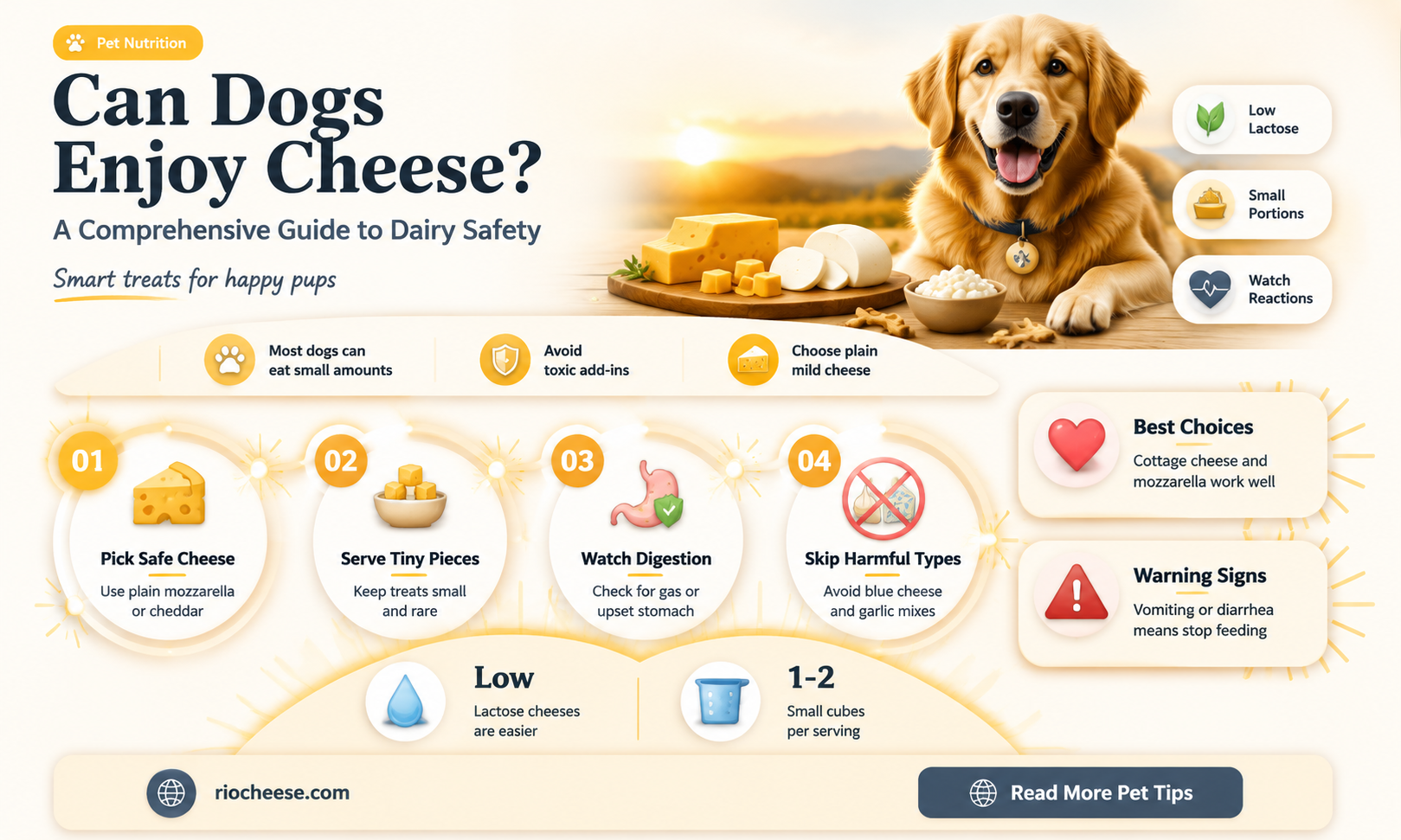
Cheese can be a tasty treat for dogs, but its impact on their health is a topic of debate. While some types of cheese are safe for dogs to consume in moderation, others can be harmful due to their high fat and salt content. It's important for dog owners to understand which cheeses are safe and how much is appropriate to feed their pets. This article will explore the nutritional benefits and potential risks of feeding cheese to dogs, as well as provide guidelines for responsible cheese consumption.
Explore related products


What You'll Learn
- Nutritional benefits: Cheese provides protein, calcium, and vitamins, but should be given in moderation due to fat content
- Lactose intolerance: Many dogs are lactose intolerant, so cheese can cause digestive issues like diarrhea and vomiting
- Choking hazard: Small cheese cubes or shreds can pose a choking risk, especially for small dog breeds
- Allergic reactions: Some dogs may be allergic to cheese, leading to skin irritation, ear infections, or respiratory problems
- Weight management: Cheese is high in calories and fat, so excessive consumption can contribute to obesity and related health issues

Nutritional benefits: Cheese provides protein, calcium, and vitamins, but should be given in moderation due to fat content
Cheese can be a nutritious treat for dogs when given in moderation. It is a good source of protein, which is essential for building and repairing tissues in a dog's body. Additionally, cheese contains calcium, which is important for maintaining strong bones and teeth. Some cheeses also provide vitamins, such as vitamin A, which supports healthy vision and immune function, and vitamin B12, which is crucial for nerve function and the production of red blood cells.
However, it is important to note that cheese should be given to dogs in moderation due to its high fat content. Consuming too much fat can lead to obesity and other health issues in dogs, such as pancreatitis. It is recommended to limit the amount of cheese given to dogs to no more than 10% of their daily caloric intake. Additionally, it is important to choose low-fat cheeses, such as mozzarella or cottage cheese, and avoid giving dogs cheeses that are high in fat and salt, such as cheddar or blue cheese.
When introducing cheese to a dog's diet, it is important to do so gradually to avoid any digestive upset. Start by offering a small amount of cheese and monitor the dog's reaction. If the dog tolerates the cheese well, gradually increase the amount given. It is also important to ensure that the cheese is fully digested before giving more, as undigested cheese can cause gastrointestinal issues.
In conclusion, cheese can be a healthy treat for dogs when given in moderation and in the right amounts. It provides essential nutrients such as protein, calcium, and vitamins, but it is important to be mindful of the fat content and to introduce it gradually to avoid any digestive issues. By following these guidelines, cheese can be a safe and nutritious addition to a dog's diet.
Nutritional Benefits of Cheese for Babies: A Comprehensive Guide
You may want to see also
Explore related products




Lactose intolerance: Many dogs are lactose intolerant, so cheese can cause digestive issues like diarrhea and vomiting
Lactose intolerance in dogs is a common issue that can lead to digestive problems when they consume dairy products like cheese. This condition occurs because dogs lack the necessary enzymes to break down lactose, a sugar found in milk and dairy products. As a result, when dogs eat cheese, their bodies are unable to properly digest the lactose, leading to symptoms such as diarrhea, vomiting, and stomach pain.
It's important for dog owners to be aware of their pet's lactose intolerance and to avoid feeding them cheese or other dairy products. Instead, they should opt for lactose-free alternatives or consult with their veterinarian about safe ways to provide their dog with the nutrients found in cheese. Additionally, some dogs may be more tolerant of small amounts of cheese than others, so it's crucial to monitor your pet's reaction to any dairy products and adjust their diet accordingly.
In some cases, dogs may develop lactose intolerance as they age, so it's essential to keep an eye on your pet's dietary habits and to make adjustments as needed. If you suspect that your dog is lactose intolerant, it's best to consult with your veterinarian to determine the best course of action and to ensure that your pet is receiving a balanced and nutritious diet.
Overall, while cheese may be a tasty treat for humans, it's not a suitable food for dogs due to their lactose intolerance. By being mindful of your pet's dietary needs and avoiding cheese and other dairy products, you can help ensure their health and well-being.
Exploring the Relationship Between Cheese and Chronic Kidney Health
You may want to see also
Explore related products


Choking hazard: Small cheese cubes or shreds can pose a choking risk, especially for small dog breeds
Small cheese cubes or shreds can indeed pose a significant choking hazard, particularly for small dog breeds. This risk is often overlooked by pet owners who may be more focused on the nutritional benefits of cheese for their dogs. However, it's crucial to consider the physical characteristics of the cheese being fed, as well as the size and eating habits of the dog.
For small breeds, such as Chihuahuas, Pomeranians, or Yorkies, even a small piece of cheese can be problematic. These dogs have smaller mouths and throats, making it easier for them to choke on food that is too large or difficult to chew properly. Cheese cubes or shreds, especially if they are hard or stringy, can become lodged in a dog's throat, leading to choking.
To mitigate this risk, pet owners should always supervise their dogs when feeding them cheese. It's also advisable to cut cheese into very small, manageable pieces or to choose softer varieties that are easier for small dogs to chew and swallow. Additionally, owners should be aware of the signs of choking in dogs, such as gagging, coughing, or difficulty breathing, and know how to respond appropriately in an emergency.
In summary, while cheese can be a healthy treat for dogs in moderation, it's essential to be mindful of the potential choking hazard it poses, especially for small breeds. By taking precautions and being vigilant, pet owners can help ensure that their dogs enjoy cheese safely.
Can Dogs Enjoy Cheese? A Comprehensive Guide for Pet Owners
You may want to see also
Explore related products


Allergic reactions: Some dogs may be allergic to cheese, leading to skin irritation, ear infections, or respiratory problems
While cheese can be a tasty treat for many dogs, it's essential to be aware of the potential for allergic reactions. Some dogs may be lactose intolerant or have a specific allergy to cheese, which can lead to a range of uncomfortable and potentially serious health issues. Skin irritation, ear infections, and respiratory problems are among the most common symptoms of a cheese allergy in dogs.
If you suspect your dog may be allergic to cheese, it's crucial to monitor their reaction closely and consult with a veterinarian. The vet may recommend an elimination diet to determine if cheese is indeed the culprit, as well as provide guidance on managing your dog's symptoms and preventing future reactions. In some cases, antihistamines or other medications may be necessary to alleviate your dog's discomfort.
It's also important to note that some types of cheese may be more likely to cause allergic reactions than others. For example, cheeses with higher lactose content, such as milk cheese or soft cheese, may be more problematic for lactose-intolerant dogs. Additionally, cheeses with added ingredients, such as herbs or spices, may contain allergens that could trigger a reaction.
To prevent allergic reactions, it's best to introduce cheese to your dog's diet gradually and in small amounts. This will allow you to monitor their reaction and adjust their diet accordingly. If your dog does experience an allergic reaction to cheese, it's essential to remove it from their diet immediately and consult with a veterinarian for further guidance.
In conclusion, while cheese can be a delicious treat for dogs, it's crucial to be aware of the potential for allergic reactions and to take steps to prevent and manage them. By monitoring your dog's reaction to cheese and consulting with a veterinarian if necessary, you can ensure that your furry friend stays happy and healthy.
Fuel Your Recovery: The Surprising Benefits of Cheese Post-Workout
You may want to see also
Explore related products





Weight management: Cheese is high in calories and fat, so excessive consumption can contribute to obesity and related health issues
Cheese, while a beloved treat for many dogs, poses significant risks when it comes to weight management. The high calorie and fat content in cheese can quickly lead to weight gain if consumed in excess. This is particularly concerning for dogs, as obesity can result in a myriad of health issues, including diabetes, joint problems, and heart disease.
One of the main challenges with cheese consumption in dogs is portion control. Many dog owners may not realize just how quickly the calories can add up, especially when feeding cheese as a frequent treat or in large quantities. For example, a single ounce of cheddar cheese contains approximately 115 calories and 9 grams of fat. Considering that many dogs require a daily caloric intake of around 200-400 calories, depending on their size and activity level, it's easy to see how cheese can contribute to an unbalanced diet.
Furthermore, some types of cheese are even higher in fat and calories than others. For instance, cream cheese and mozzarella are particularly high in fat, while blue cheese and feta are lower in fat but still high in calories. This makes it crucial for dog owners to be aware of the nutritional content of the specific type of cheese they are feeding their pets.
In addition to the direct impact on weight, excessive cheese consumption can also lead to gastrointestinal issues in dogs. The high fat content can cause pancreatitis, a painful and potentially life-threatening condition. Moreover, some dogs may be lactose intolerant, meaning they lack the enzymes to properly digest lactose found in cheese, leading to digestive upset.
To mitigate these risks, it's essential for dog owners to practice moderation when feeding cheese to their pets. Cheese should be given as an occasional treat, not a staple in their diet. It's also important to monitor a dog's weight and adjust their diet accordingly if they are prone to weight gain. Consulting with a veterinarian can provide personalized guidance on the appropriate amount and type of cheese to feed a dog, taking into account their individual health needs and dietary requirements.
In conclusion, while cheese can be a tasty treat for dogs, it's crucial to be mindful of its high calorie and fat content. Excessive consumption can lead to weight gain and related health issues, making portion control and moderation key. By being aware of the nutritional content of cheese and consulting with a veterinarian, dog owners can ensure that their pets enjoy cheese safely and in balance with their overall diet.
Dairy Dilemma: Can Cheese Aggravate or Soothe Cold Sores?
You may want to see also
Frequently asked questions
Cheese can be a healthy treat for dogs in moderation, but it's important to choose the right type and avoid overfeeding. Some cheeses, like mozzarella and cottage cheese, are lower in fat and can provide protein and calcium. However, dogs should not consume cheese that is high in fat or salt, as it can lead to obesity and other health issues.
Feeding cheese to dogs in moderation can provide several benefits. Cheese is a good source of protein, which is essential for maintaining muscle mass and overall health. It also contains calcium, which is important for strong bones and teeth. Additionally, some dogs may enjoy the taste and texture of cheese, making it a useful treat for training or rewarding good behavior.
Yes, there are some risks associated with feeding cheese to dogs. Cheese can be high in fat and salt, which can lead to obesity, pancreatitis, and other health problems if consumed in excess. Some dogs may also be lactose intolerant, meaning they cannot digest lactose found in cheese, leading to digestive issues like diarrhea and vomiting. It's important to monitor your dog's reaction to cheese and consult with a veterinarian if you have any concerns.