Bushra Griffith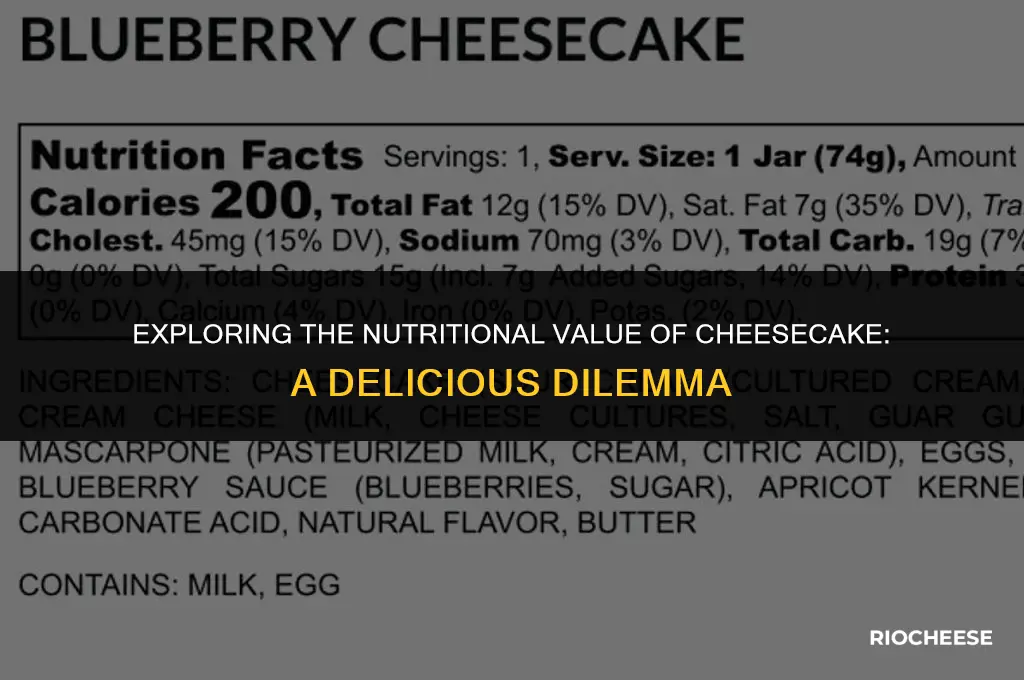
Cheesecake, a beloved dessert known for its creamy texture and rich flavor, often sparks debate about its healthiness. While it's undeniably delicious, the nutritional profile of cheesecake can be complex. Typically made with a combination of cream cheese, sugar, eggs, and a crust often composed of crushed graham crackers or cookies, cheesecake can be high in calories, fat, and sugar. However, it also provides some beneficial nutrients, such as protein and calcium from the cream cheese. The health impact of cheesecake largely depends on the ingredients used, portion sizes, and how frequently it's consumed. For those watching their calorie or sugar intake, cheesecake might be considered an occasional indulgence rather than a regular part of a balanced diet.
Explore related products


What You'll Learn
- Nutritional Content: Cheesecake can be high in calories, sugar, and saturated fats, but also provides some protein and calcium
- Ingredient Quality: The healthiness of cheesecake depends on the quality of ingredients used, such as whole-grain crusts and natural sweeteners
- Portion Control: Enjoying cheesecake in moderation is key; a small slice can be part of a balanced diet
- Dietary Restrictions: Those with lactose intolerance, gluten sensitivity, or on low-carb diets should be cautious with cheesecake consumption
- Healthier Alternatives: There are recipes for healthier cheesecakes using ingredients like Greek yogurt, nuts, and fruit purees

Nutritional Content: Cheesecake can be high in calories, sugar, and saturated fats, but also provides some protein and calcium
Cheesecake, a beloved dessert, presents a complex nutritional profile. While it is undeniably high in calories, sugar, and saturated fats, it also offers some nutritional benefits in the form of protein and calcium. This duality makes it a subject of interest for those seeking to balance indulgence with health-conscious eating.
The calorie content of cheesecake can be significant, primarily due to the combination of sugar and fat. A typical slice can range from 300 to 500 calories, depending on the recipe and portion size. The sugar content, often derived from both the crust and the filling, can contribute to a high glycemic index, potentially causing rapid spikes in blood sugar levels. Saturated fats, mainly from the cream cheese and butter used in the filling, can also be a concern, as they have been linked to increased cholesterol levels and heart disease risk when consumed in excess.
However, cheesecake is not entirely devoid of nutritional value. It contains a moderate amount of protein, primarily from the cream cheese and eggs used in the filling. This protein can contribute to feelings of fullness and help in muscle repair and growth. Additionally, cheesecake provides calcium, an essential mineral for bone health, also sourced from the cream cheese and, in some recipes, from added dairy products like sour cream or heavy cream.
To make cheesecake a healthier option, one could consider modifications such as using a whole-grain crust, reducing the amount of sugar, and incorporating lower-fat dairy alternatives. Portion control is also crucial, as enjoying a smaller slice can significantly reduce the overall calorie and fat intake.
In conclusion, while cheesecake should be consumed in moderation due to its high calorie, sugar, and saturated fat content, it does offer some nutritional benefits. By making mindful adjustments and practicing portion control, it is possible to enjoy this dessert as part of a balanced diet.
Exploring the Nutritional Benefits of Pimento Cheese
You may want to see also
Explore related products




Ingredient Quality: The healthiness of cheesecake depends on the quality of ingredients used, such as whole-grain crusts and natural sweeteners
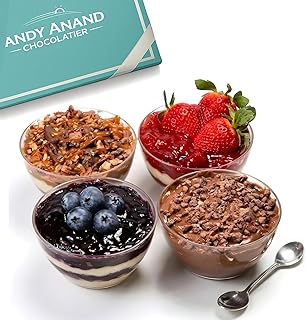
The healthiness of cheesecake is heavily influenced by the quality of its ingredients. Using whole-grain crusts instead of refined flour can significantly increase the fiber content, making the dessert more nutritious. Natural sweeteners like honey or maple syrup can be healthier alternatives to processed sugars, reducing the glycemic index and providing additional nutrients.
When selecting cheeses, opting for lower-fat varieties or using a blend of cheeses can help reduce the overall calorie and saturated fat content. Incorporating fruits, nuts, or seeds as toppings not only adds flavor but also boosts the nutritional profile by providing vitamins, minerals, and healthy fats.
It's also important to consider portion sizes. While cheesecake can be a healthier option with the right ingredients, overconsumption can still lead to excessive calorie intake. Moderation is key, and pairing a slice of cheesecake with a side of fresh fruit can help balance the meal.
In summary, by choosing high-quality, nutritious ingredients and being mindful of portion sizes, cheesecake can be a healthier dessert option. It's all about making informed choices and enjoying this beloved treat in moderation.
Exploring the Nutritional Benefits of Babybel Cheeses: A Healthy Choice?
You may want to see also
Explore related products




Portion Control: Enjoying cheesecake in moderation is key; a small slice can be part of a balanced diet
Cheesecake, a beloved dessert, often gets a bad rap for being unhealthy. However, enjoying a small slice of cheesecake can be part of a balanced diet if consumed in moderation. Portion control is key when it comes to indulging in this creamy treat. A standard serving size of cheesecake is about 1/8 to 1/6 of a whole cake, which is roughly 100-150 calories. By limiting your portion size, you can satisfy your sweet tooth without overdoing it on calories and sugar.
To put this into perspective, consider the nutritional content of a typical slice of cheesecake. A 100-gram slice of cheesecake contains approximately 26 grams of carbohydrates, 18 grams of fat, and 5 grams of protein. While it's true that cheesecake is high in calories and fat, a small slice can fit into a balanced diet if you're mindful of your overall calorie intake and physical activity level.
One way to enjoy cheesecake in moderation is to pair it with healthier options. For example, you could have a small slice of cheesecake with a side of fresh fruit or a green salad. This not only helps to balance out the calorie and sugar content of the cheesecake but also provides essential nutrients and fiber.
Another strategy for portion control is to use smaller plates and utensils. This visual trick can help you feel more satisfied with a smaller serving size. Additionally, savoring each bite and eating slowly can help you recognize when you're full, preventing overeating.
In conclusion, cheesecake can be a part of a healthy diet when consumed in moderation. By practicing portion control and balancing your overall calorie intake, you can enjoy this delicious dessert without compromising your health goals. Remember, it's all about balance and making mindful choices.
Unraveling the Nutritional Truth: Is Velveeta Cheese a Healthy Choice?
You may want to see also
Explore related products


Dietary Restrictions: Those with lactose intolerance, gluten sensitivity, or on low-carb diets should be cautious with cheesecake consumption
Individuals with lactose intolerance should be particularly wary of cheesecake due to its high dairy content. Lactose intolerance occurs when the body lacks the enzyme lactase, necessary for digesting lactose found in milk and dairy products. Consuming cheesecake can lead to symptoms such as bloating, diarrhea, and stomach cramps in those with this condition. To mitigate these effects, lactose-intolerant individuals can opt for cheesecakes made with lactose-free cream cheese or explore dairy-free cheesecake recipes that use plant-based alternatives.
Gluten sensitivity is another dietary concern when it comes to cheesecake. While traditional cheesecake recipes do not typically contain gluten, cross-contamination can occur if the cheesecake is prepared in a kitchen that also processes gluten-containing foods. Additionally, some cheesecakes may have a crust made with graham crackers or other gluten-containing ingredients. Those with gluten sensitivity should verify that the cheesecake they are consuming is made in a gluten-free environment and uses gluten-free ingredients.
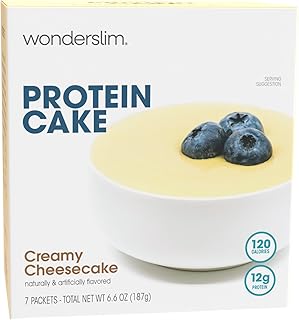
For those following low-carb diets, cheesecake can be a tempting but potentially problematic dessert. Many cheesecakes are high in carbohydrates due to the sugar content in the filling and the crust. However, there are low-carb cheesecake recipes available that use sugar substitutes and almond flour or other low-carb ingredients for the crust. When consuming cheesecake on a low-carb diet, it is essential to monitor portion sizes and choose recipes that align with one's dietary goals.
In summary, while cheesecake can be a delicious treat, it is crucial for individuals with dietary restrictions to exercise caution. Those with lactose intolerance, gluten sensitivity, or on low-carb diets should seek out alternative recipes or verify the ingredients and preparation methods of the cheesecake they are consuming. By doing so, they can enjoy this dessert while minimizing potential health risks.
Exploring the Nutritional Benefits of Liver Cheese: A Healthy Choice?
You may want to see also
Explore related products




Healthier Alternatives: There are recipes for healthier cheesecakes using ingredients like Greek yogurt, nuts, and fruit purees
Cheesecake lovers rejoice! There's no need to sacrifice your favorite dessert for the sake of health. By incorporating nutritious ingredients like Greek yogurt, nuts, and fruit purees, you can create a delicious and satisfying cheesecake that's actually good for you. Greek yogurt is a great substitute for cream cheese, as it's lower in fat and calories while still providing a creamy texture. Nuts, such as almonds or walnuts, add a crunchy crust and a boost of healthy fats and protein. And fruit purees, like those made from berries or bananas, offer natural sweetness and a dose of vitamins and antioxidants.
To make a healthier cheesecake, start by preparing a crust made from crushed nuts and a touch of honey or maple syrup. Then, mix Greek yogurt with eggs, vanilla extract, and a sweetener of your choice, such as honey or agave nectar. Fold in the fruit puree of your choice, and pour the mixture over the crust. Bake in a water bath at 325°F (160°C) for about 45 minutes, or until the edges are set but the center is still slightly jiggly. Allow the cheesecake to cool completely, then refrigerate for at least 4 hours or overnight.
One of the best things about healthier cheesecakes is that they can be customized to suit your taste preferences and dietary needs. For example, you can use different types of nuts or seeds for the crust, or experiment with various fruit purees for the filling. You can also add protein powder or collagen peptides to the mixture for an extra nutritional boost. And if you're looking for a vegan option, you can substitute the Greek yogurt with a plant-based alternative, such as coconut yogurt or cashew cream.
Healthier cheesecakes are not only delicious, but they also offer several health benefits. The Greek yogurt provides probiotics, which are beneficial for gut health, while the nuts offer healthy fats and protein. The fruit purees add natural sweetness and a dose of vitamins and antioxidants, which can help protect against chronic diseases. And because these cheesecakes are lower in calories and fat than traditional versions, they can be a great option for those watching their weight or managing their blood sugar levels.
In conclusion, healthier cheesecakes are a great way to enjoy your favorite dessert without sacrificing your health. By using nutritious ingredients like Greek yogurt, nuts, and fruit purees, you can create a delicious and satisfying cheesecake that's actually good for you. So go ahead and indulge in a slice – your taste buds and your body will thank you!
Unveiling the Nutritional Truth: Are Cheese Curds a Healthy Snack?
You may want to see also
Frequently asked questions
Cheesecake can be part of a balanced diet when consumed in moderation. It contains some beneficial nutrients like protein and calcium from the cheese, but it's also high in calories, sugar, and saturated fat.
The main ingredients in cheesecake that contribute to its nutritional value are cream cheese, eggs, and sugar. Cream cheese provides protein and calcium, eggs offer additional protein and some vitamins and minerals, and sugar contributes to the calorie content.
To make a healthier version of cheesecake, you can use lower-fat cream cheese or a dairy-free alternative, reduce the amount of sugar, and add more eggs to increase the protein content. You can also use a whole-grain crust and add fruit toppings for extra fiber and nutrients.
People with certain health conditions, such as diabetes or high cholesterol, should be cautious when consuming cheesecake due to its high sugar and saturated fat content. It's best to consult with a healthcare professional or a registered dietitian for personalized advice.