Frederic Melton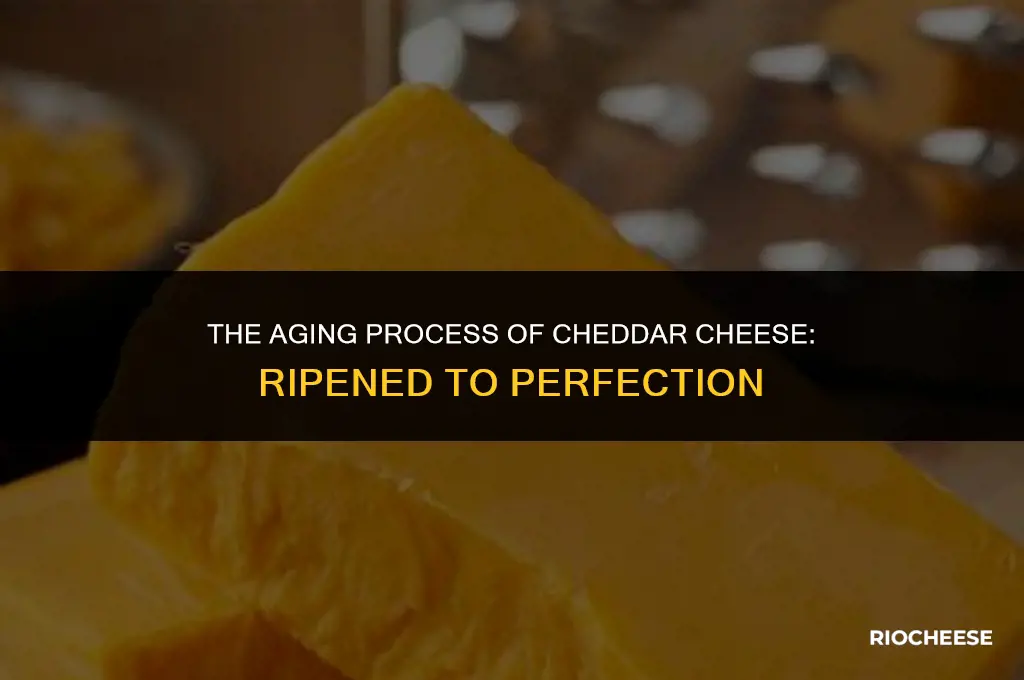
Cheddar cheese, a popular variety known for its rich flavor and versatility, undergoes a ripening process that contributes to its distinctive taste and texture. Contrary to some misconceptions, cheddar cheese is indeed ripened, although the duration and method of ripening can vary depending on the desired outcome. Typically, cheddar cheese is aged for several months to a few years, during which time it develops its characteristic sharpness and complexity. The ripening process involves the breakdown of proteins and fats by enzymes and bacteria, leading to the formation of various flavor compounds. This natural aging process not only enhances the taste but also improves the cheese's digestibility.
| Characteristics | Values |
|---|---|
| Ripening Process | Cheddar cheese is typically ripened for 1 to 6 months, depending on the desired flavor profile. |
| Flavor Profile | The flavor of cheddar cheese becomes sharper, tangier, and more complex as it ripens. |
| Texture | As cheddar cheese ripens, its texture becomes firmer and slightly crumbly. |
| Color | The color of cheddar cheese can range from a pale yellow to a deep orange, depending on the ripening process and any added colorants. |
| Fat Content | Cheddar cheese typically has a fat content of around 30-40%, which can vary depending on the specific type and ripening process. |
| Protein Content | The protein content of cheddar cheese is usually around 20-25%, and this can also vary based on the type and ripening process. |
| Calcium Content | Cheddar cheese is a good source of calcium, with about 700-800 mg per 100 grams. |
| Shelf Life | The shelf life of cheddar cheese can vary depending on the ripeness and storage conditions, but it generally lasts for several weeks to a few months when stored properly. |
| Production Regions | Cheddar cheese is produced in various regions around the world, including the United Kingdom, the United States, Canada, and Australia. |
| Pairing Suggestions | Cheddar cheese pairs well with a variety of foods, including fruits like apples and pears, nuts, crackers, and wines such as Cabernet Sauvignon and Merlot. |
| Uses in Cooking | Cheddar cheese is a versatile ingredient that can be used in a wide range of dishes, from sandwiches and salads to soups, casseroles, and baked goods. |
| Cultural Significance | Cheddar cheese has a rich cultural history, particularly in the United Kingdom, where it has been produced for centuries and is considered a staple in British cuisine. |
Explore related products


What You'll Learn
- Ripening Process: Cheddar cheese ripens over time, developing a sharper flavor and firmer texture
- Flavor Profile: Ripened cheddar has a rich, tangy taste that intensifies with age
- Texture Changes: As cheddar ripens, it becomes drier and crumblier, ideal for grating
- Color Transformation: The color of cheddar deepens from a pale yellow to a vibrant orange or red
- Culinary Uses: Ripened cheddar is versatile, perfect for sandwiches, salads, and cooking

Ripening Process: Cheddar cheese ripens over time, developing a sharper flavor and firmer texture
Cheddar cheese undergoes a fascinating ripening process that transforms its flavor and texture over time. This natural aging process is crucial for developing the characteristic sharpness and firmness associated with mature cheddar. During ripening, the cheese is stored at controlled temperatures and humidity levels, allowing beneficial bacteria and enzymes to break down the proteins and fats within the cheese. This breakdown results in the formation of various compounds that contribute to the cheese's evolving flavor profile.
One of the key changes that occur during the ripening of cheddar cheese is the increase in acidity. As the bacteria metabolize the lactose in the cheese, they produce lactic acid, which lowers the pH and creates a more acidic environment. This increased acidity helps to preserve the cheese and also contributes to the development of its tangy, sharp flavor. Additionally, the breakdown of proteins during ripening leads to the formation of peptides and amino acids, which further enhance the cheese's flavor complexity.
The texture of cheddar cheese also undergoes significant changes during the ripening process. Initially, fresh cheddar is relatively soft and moist. However, as it ages, the cheese becomes firmer and drier. This is due to the loss of moisture and the rearrangement of the cheese's protein structure. The enzymes present in the cheese help to break down the casein proteins, which then coagulate and form a more compact, crystalline structure. This results in the characteristic crumbly texture of mature cheddar.
The length of the ripening process can vary depending on the desired flavor and texture of the final product. Generally, cheddar cheese is aged for anywhere from a few months to several years. During this time, the cheese is regularly turned and inspected to ensure even ripening and to prevent the development of any undesirable characteristics. The art of cheddar cheese making involves carefully monitoring and controlling the ripening process to achieve the perfect balance of flavor and texture.
In conclusion, the ripening process is a critical aspect of cheddar cheese production that significantly impacts its final flavor and texture. Through the careful control of environmental conditions and the natural activity of bacteria and enzymes, cheddar cheese develops its distinctive sharpness and firmness over time. This process not only preserves the cheese but also enhances its culinary appeal, making it a beloved ingredient in many dishes around the world.
Exploring the Paleo Diet: Is Cheddar Cheese a Fit?
You may want to see also
Explore related products



Flavor Profile: Ripened cheddar has a rich, tangy taste that intensifies with age
Ripened cheddar cheese is renowned for its complex and robust flavor profile, which develops and intensifies over time. The aging process is crucial in transforming the taste of cheddar from mild and creamy to rich and tangy. During ripening, the cheese undergoes a series of biochemical changes, including the breakdown of proteins and fats, which contribute to the development of its distinctive flavors.
One of the key components of ripened cheddar's flavor is its tanginess, which is a result of the increased acidity in the cheese. This acidity is produced by the action of bacteria and enzymes that are naturally present in the cheese. As the cheese ages, these microorganisms convert the lactose in the milk into lactic acid, which gives the cheese its characteristic sharp and tangy taste.
In addition to tanginess, ripened cheddar also develops a rich and nutty flavor. This is due to the formation of various compounds, such as esters and aldehydes, which are produced during the aging process. These compounds contribute to the cheese's depth of flavor and its slightly sweet and earthy undertones.
The intensity of ripened cheddar's flavor is directly related to the length of the aging process. Generally, the longer the cheese is aged, the stronger and more pronounced its flavors become. However, it is important to note that the optimal aging time for cheddar can vary depending on the specific type of cheese and the desired flavor profile.
In conclusion, the flavor profile of ripened cheddar is a result of the intricate interplay of various biochemical processes that occur during the aging process. The rich, tangy taste that is characteristic of aged cheddar is a testament to the transformative power of time and the natural processes that take place within the cheese.
The Truth About Cheddar Cheese: Fattening or Not?
You may want to see also
Explore related products


![Extra Sharp White Cheddar Cheese features an extra sharp flavor in a consistently rich, full-flavored cheddar quality. Made from a process that carefully ages their cheese and grade multiple times throughout the making process, this cheese is perfect for snacking by itself or enjoyed with fruit. [ 24 oz , 1.5 lb ]](https://m.media-amazon.com/images/I/51IjMO-YBlL._AC_UL320_.jpg)
Texture Changes: As cheddar ripens, it becomes drier and crumblier, ideal for grating
As cheddar cheese undergoes the ripening process, one of the most notable transformations is its texture. Initially, fresh cheddar has a relatively smooth and moist consistency, which is ideal for slicing and eating as is. However, as the cheese ages, its moisture content decreases, leading to a drier and more crumbly texture. This change is due to the breakdown of the cheese's protein structure over time, which causes it to become more brittle and less elastic.
The transition to a drier, crumblier texture is not only a natural part of the ripening process but also a desirable one for certain culinary applications. For instance, aged cheddar with its crumbly texture is perfect for grating over dishes like pasta, salads, and soups. The fine, powdery consistency allows the cheese to melt quickly and evenly, adding a rich, savory flavor to the dish without overwhelming it.
Moreover, the texture change in cheddar cheese as it ripens also affects its mouthfeel and overall eating experience. While fresh cheddar can be quite mild and creamy, aged cheddar tends to have a more pronounced flavor and a firmer bite. This makes it a popular choice for cheese boards and pairings with crackers or bread.
In conclusion, the texture changes that occur in cheddar cheese during the ripening process are a key aspect of its development. From its initial smooth and moist state to its eventual dry and crumbly form, each stage of ripeness offers unique culinary possibilities and flavor profiles. Understanding these changes can help consumers and chefs alike make the most of this versatile cheese in their cooking and dining experiences.
The Protein Power of Cheddar Cheese: A Nutritional Breakdown
You may want to see also
Explore related products


Color Transformation: The color of cheddar deepens from a pale yellow to a vibrant orange or red
The color transformation of cheddar cheese is a visual indicator of its ripening process. As cheddar ages, its hue deepens from a pale yellow to a vibrant orange or red. This change is due to the breakdown of carotenoids, natural pigments found in the milk of cows that graze on green pastures. During the ripening process, enzymes in the cheese break down these carotenoids, releasing their color. The intensity of the orange or red color can vary depending on the length of the ripening process and the specific conditions under which the cheese is aged.
The ripening process not only affects the color of cheddar but also its flavor and texture. As the cheese ages, its flavor becomes sharper and more complex, with notes of nuttiness and umami. The texture also changes, becoming firmer and more crumbly. This is due to the breakdown of proteins and fats in the cheese, which leads to the formation of new compounds that contribute to its distinctive taste and mouthfeel.
Cheesemakers often use the color of cheddar as an indicator of its ripeness. A pale yellow cheddar is typically younger and milder in flavor, while a deep orange or red cheddar is older and has a more pronounced taste. However, it's important to note that the color of cheddar can also be influenced by other factors, such as the type of milk used, the presence of additives, and the specific aging conditions.
In addition to its aesthetic appeal, the color transformation of cheddar cheese has practical implications for its storage and consumption. As cheddar ages, it becomes more susceptible to mold and spoilage. Therefore, it's important to store aged cheddar properly, in a cool, dry place with good air circulation. When consuming aged cheddar, it's also important to be aware of its stronger flavor and firmer texture, which may not be suitable for all palates or culinary applications.
In conclusion, the color transformation of cheddar cheese from pale yellow to vibrant orange or red is a complex process that involves the breakdown of natural pigments and the development of new flavor and texture characteristics. This transformation not only enhances the visual appeal of cheddar but also has important implications for its storage, consumption, and culinary use.
Keto-Friendly or Not: The Cheddar Cheese Dilemma Explained
You may want to see also
Explore related products


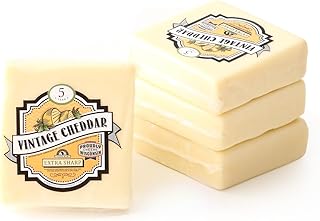

Culinary Uses: Ripened cheddar is versatile, perfect for sandwiches, salads, and cooking
Ripened cheddar cheese is a culinary chameleon, seamlessly integrating into a variety of dishes and elevating their flavors. Its versatility is particularly evident in sandwiches, where it can be paired with a range of ingredients from classic ham and turkey to more adventurous options like apple slices or caramelized onions. The richness of ripened cheddar complements the savory elements while adding a subtle tang that enhances the overall taste profile.
In salads, ripened cheddar can be crumbled or shaved to add a creamy texture and a burst of flavor. It pairs exceptionally well with mixed greens, cherry tomatoes, and nuts, creating a harmonious balance of tastes and textures. The cheese's sharpness cuts through the freshness of the vegetables, making each bite more complex and satisfying.
When it comes to cooking, ripened cheddar is a valuable ingredient in both stovetop and oven-baked dishes. It melts beautifully, making it ideal for cheese sauces, casseroles, and gratins. The depth of flavor in ripened cheddar enhances the taste of pasta dishes, soups, and even pizza, where it can be used as a topping or incorporated into the sauce. Its ability to withstand high temperatures without losing its structure makes it a preferred choice for many chefs and home cooks alike.
One of the key advantages of using ripened cheddar in cooking is its ability to add a layer of sophistication to simple dishes. For instance, a classic grilled cheese sandwich is transformed when made with ripened cheddar, as the cheese's nuanced flavors and smooth melting properties create a gourmet experience. Similarly, a basic macaroni and cheese becomes a rich and indulgent meal when ripened cheddar is used in the sauce, adding depth and complexity to the familiar comfort food.
In conclusion, the culinary uses of ripened cheddar are vast and varied, making it a staple in many kitchens. Its versatility allows it to be used in a wide range of dishes, from simple sandwiches and salads to more elaborate cooked meals. The unique flavor profile of ripened cheddar, with its balance of sharpness and creaminess, enhances the taste of any dish it is added to, making it a valuable ingredient for both casual and fine dining.
Managing Diabetes: The Surprising Truth About Cheddar Cheese
You may want to see also
Frequently asked questions
Yes, cheddar cheese is a ripened cheese. The ripening process contributes to its distinct flavor and texture.
Cheddar cheese is usually ripened for several months, but the exact duration can vary depending on the desired flavor profile and the specific production methods used.
The ripening process of cheddar cheese is influenced by factors such as temperature, humidity, and the presence of specific bacteria and enzymes. These elements work together to develop the cheese's characteristic taste and texture over time.