Bushra Griffith
Cheddar cheese, a popular dairy product known for its sharp flavor and firm texture, has been a staple in many households for centuries. However, with the rise of health consciousness and the increasing scrutiny of food production methods, many consumers are now questioning whether cheddar cheese is a processed or natural food. This inquiry delves into the intricate processes involved in cheese-making, from the initial fermentation of milk to the aging and packaging of the final product. Understanding these processes is crucial for making informed decisions about our dietary choices and the impact they have on our health and the environment.
Explore related products




What You'll Learn
- Definition of Processed Cheese: Clarify what constitutes processed cheese versus natural cheese
- Cheddar Cheese Production: Describe the basic steps in making cheddar cheese, highlighting any natural or processing elements
- Additives in Cheddar Cheese: Identify common additives or preservatives found in processed cheddar cheeses
- Nutritional Differences: Compare the nutritional content of natural and processed cheddar cheeses
- Labeling and Identification: Provide tips on how to distinguish between natural and processed cheddar cheeses based on product labels

Definition of Processed Cheese: Clarify what constitutes processed cheese versus natural cheese
Processed cheese, often found in convenient, individually wrapped slices or in cans, is a product that has undergone significant transformation from its natural state. Unlike natural cheese, which is made solely from milk, salt, and enzymes, processed cheese includes additional ingredients such as emulsifiers, preservatives, and coloring agents. These additives enhance shelf life, improve texture, and maintain a consistent appearance, but they also distinguish processed cheese from its natural counterpart.
One key aspect that differentiates processed cheese is the pasteurization process. While natural cheese can be made from raw or pasteurized milk, processed cheese typically undergoes a more rigorous heating process to eliminate bacteria and extend its shelf life. This pasteurization, combined with the addition of emulsifiers like sodium phosphate or sodium citrate, allows processed cheese to melt more smoothly and uniformly, making it ideal for applications like grilled cheese sandwiches or nachos.
Another significant difference lies in the aging process. Natural cheeses, such as cheddar, are aged for varying lengths of time to develop their distinct flavors and textures. In contrast, processed cheese often bypasses this aging process or uses artificial flavorings to mimic the taste of aged cheese. This results in a product that is more consistent in flavor but lacks the complexity and depth of natural cheese.
When considering whether cheddar cheese is processed or natural, it's essential to examine the label and ingredient list. Natural cheddar cheese will typically list only milk, salt, and enzymes as ingredients, while processed cheddar cheese will include additional additives. Understanding these distinctions can help consumers make informed choices about the type of cheese they purchase and consume.
In summary, processed cheese is a modified version of natural cheese that includes additional ingredients and undergoes different processing methods to enhance its convenience, shelf life, and melting properties. While it may not offer the same depth of flavor as natural cheese, it serves as a practical alternative for various culinary applications.
Exploring the Paleo Diet: Is Cheddar Cheese a Fit?
You may want to see also
Explore related products




Cheddar Cheese Production: Describe the basic steps in making cheddar cheese, highlighting any natural or processing elements
Cheddar cheese production is a fascinating process that combines both natural and processing elements. The journey from milk to cheese involves several key steps, each contributing to the final product's flavor, texture, and quality.
The process begins with the collection of milk, typically from cows. This milk is then pasteurized, a processing step that involves heating it to a specific temperature to kill any harmful bacteria. Pasteurization is crucial for ensuring the safety of the cheese and extending its shelf life.
After pasteurization, the milk is cooled and then mixed with a starter culture. This culture contains beneficial bacteria that will ferment the lactose in the milk, producing lactic acid. This step is essential for developing the cheese's characteristic tangy flavor.
Next, rennet is added to the mixture. Rennet is an enzyme that causes the milk to coagulate, separating into curds and whey. The curds are then cut into smaller pieces and stirred gently to release more whey. This step is carefully controlled to achieve the desired texture and moisture content in the final cheese.
The curds are then molded into blocks and pressed to remove any remaining whey. This pressing process helps to form the cheese's structure and ensures that it will hold its shape when sliced.
Finally, the cheese is aged. During this natural process, the cheese develops its distinctive flavor and texture. The aging process can vary in length, with some cheddars aged for just a few months and others for several years.
Throughout the production process, various processing elements are employed to ensure consistency, safety, and quality. However, the aging process is a natural one, allowing the cheese to develop its unique characteristics over time.
In conclusion, cheddar cheese production is a complex process that combines both natural and processing elements. From the initial collection of milk to the final aging process, each step plays a crucial role in creating the delicious and versatile cheese that we enjoy today.
Exploring the Unusual: Cheddar Cheese on Apple Pie - A Culinary Debate
You may want to see also
Explore related products


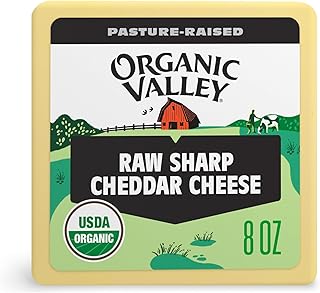
Additives in Cheddar Cheese: Identify common additives or preservatives found in processed cheddar cheeses
Processed cheddar cheese often contains a variety of additives and preservatives to enhance flavor, texture, and shelf life. One common additive is annatto, a natural dye derived from the seeds of the achiote tree, which gives cheddar its characteristic orange color. While annatto is generally considered safe, some individuals may experience allergic reactions or digestive issues when consuming it.
Another prevalent additive in processed cheddar is sodium phosphate, which helps to maintain moisture and prevent the cheese from drying out. Sodium phosphate is a naturally occurring mineral but can be problematic for those with kidney issues or on a low-sodium diet. Additionally, processed cheddar may contain enzymes such as rennet, which is used to coagulate milk during the cheese-making process. While rennet is essential for cheese production, some consumers prefer to avoid it due to concerns about animal welfare or the use of genetically modified organisms in its production.
Preservatives like sodium nitrite and potassium sorbate are also commonly found in processed cheddar cheese. These additives help to prevent the growth of bacteria and mold, extending the cheese's shelf life. However, sodium nitrite has been linked to potential health risks, including the formation of carcinogenic compounds when consumed in large quantities. Potassium sorbate is generally considered safe but may cause allergic reactions in some individuals.
To minimize the intake of additives and preservatives, consumers can opt for natural or organic cheddar cheese, which typically contains fewer or no artificial ingredients. It's also important to read food labels carefully and choose products with the fewest additives and preservatives. When shopping for cheddar cheese, look for labels that indicate the use of natural dyes, minimal processing, and the absence of artificial preservatives.
In conclusion, while additives and preservatives are common in processed cheddar cheese, there are options available for those who wish to avoid them. By being mindful of food labels and choosing natural or organic products, consumers can enjoy the taste and nutritional benefits of cheddar cheese while minimizing their exposure to potentially harmful additives.
Unveiling the Nutritional Truth: Is Cheddar Cheese Powder Healthy?
You may want to see also
Explore related products


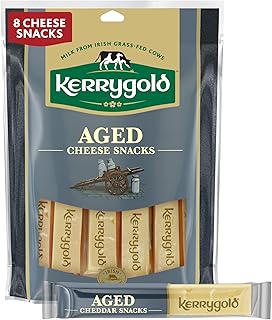


Nutritional Differences: Compare the nutritional content of natural and processed cheddar cheeses
Natural cheddar cheese, often referred to as "real" or "artisanal" cheddar, is made from milk, salt, and enzymes. It undergoes a natural aging process that can last from a few months to several years, during which time it develops its characteristic sharp flavor and crumbly texture. This aging process also allows for the growth of beneficial bacteria, which can contribute to gut health.
Processed cheddar cheese, on the other hand, is made using a combination of natural cheese and other ingredients such as milkfat, whey, and various additives. These additives can include emulsifiers, preservatives, and artificial flavorings. The processing involves melting the natural cheese and blending it with the other ingredients to create a smooth, uniform texture. This type of cheese is often cheaper and has a longer shelf life than natural cheddar.
In terms of nutritional content, natural cheddar cheese is generally considered to be healthier than processed cheddar. It contains more protein, calcium, and vitamins A and B12. It also has a lower sodium content and a higher proportion of healthy fats. Processed cheddar cheese, while still a good source of protein and calcium, tends to be higher in sodium and saturated fats. It also contains fewer vitamins and minerals than natural cheddar.
However, it's important to note that the nutritional differences between natural and processed cheddar cheese can vary depending on the specific brands and types of cheese. Some processed cheddar cheeses may be fortified with additional nutrients, such as vitamin D or iron, which can make them more nutritious than some natural cheddar cheeses.
When choosing between natural and processed cheddar cheese, it's important to consider your dietary needs and preferences. If you're looking for a cheese that is as close to its natural state as possible, with minimal additives and processing, then natural cheddar cheese is the better choice. However, if you're looking for a cheese that is more affordable and has a longer shelf life, then processed cheddar cheese may be a better option.
In conclusion, while natural cheddar cheese is generally considered to be healthier than processed cheddar cheese, the nutritional differences between the two can vary. It's important to read labels and compare nutritional information when making your choice.
Cheddar Cheese Conundrum: Safe to Leave Out Overnight?
You may want to see also
Explore related products


Labeling and Identification: Provide tips on how to distinguish between natural and processed cheddar cheeses based on product labels
When examining product labels to distinguish between natural and processed cheddar cheeses, several key factors should be considered. Firstly, look for the ingredient list. Natural cheddar cheese typically has a short ingredient list, often consisting of milk, salt, and enzymes. In contrast, processed cheddar cheese may contain additional ingredients such as preservatives, artificial colors, and flavor enhancers. Be wary of labels that list ingredients you cannot pronounce or that seem unrelated to cheese production.
Another important aspect to consider is the presence of additives. Processed cheeses often contain additives to enhance shelf life, texture, or flavor. These may include substances like sodium nitrate, carrageenan, or annatto. Natural cheeses, on the other hand, tend to avoid these additives. If you see a long list of additives, it is likely that the cheese is processed.
The label may also provide information about the cheese's origin and production methods. Natural cheeses are often made using traditional methods and may be sourced from specific regions known for their cheese-making heritage. Processed cheeses, however, can be mass-produced in factories and may not have a specific regional origin. Look for labels that indicate the cheese is made using traditional methods or that specify a particular region of origin.
Additionally, the packaging itself can offer clues. Natural cheeses are often sold in blocks or wedges wrapped in wax paper or foil, while processed cheeses may come in plastic containers or individually wrapped slices. The type of packaging can be an indicator of the cheese's quality and processing level.
Finally, consider the price. Natural cheeses, especially those made from high-quality milk and using traditional methods, tend to be more expensive than processed cheeses. If the price seems too good to be true, it may be an indication that the cheese is processed.
By carefully examining the product label and considering these factors, you can make a more informed decision about whether the cheddar cheese is natural or processed. Remember, the key is to look for simplicity in the ingredient list, avoid additives, and consider the cheese's origin and packaging.
Unlocking the Health Benefits: Is Cheddar Cheese a Probiotic Powerhouse?
You may want to see also
Frequently asked questions
While cheddar cheese is made from natural ingredients like milk, salt, and enzymes, it often undergoes a process of aging and sometimes pasteurization, which classifies it as a minimally processed food.
The main ingredients in cheddar cheese include milk, salt, and rennet or other enzymes. Some varieties may also include annatto for coloring and additional flavorings.
Cheddar cheese is typically aged for several months to develop its flavor and texture, whereas some other cheeses, like mozzarella or feta, may not undergo the same extensive aging process. This aging process contributes to cheddar's classification as a minimally processed food.
Cheddar cheese is a good source of protein, calcium, and vitamins like B12. However, it is also high in saturated fat and sodium, so it should be consumed in moderation as part of a balanced diet.