Frederic Melton
Determining whether shredded cheese has gone bad involves examining several key factors. First, check the expiration date on the packaging; if it has passed, the cheese is likely no longer safe to consume. Next, inspect the cheese for any discoloration, such as yellowing or mold spots, which are clear indicators of spoilage. Additionally, a strong, unpleasant odor or a slimy texture are signs that the cheese has deteriorated. It's also important to consider how the cheese has been stored; improper refrigeration can accelerate the spoilage process. If you notice any of these warning signs, it's best to discard the cheese to avoid potential foodborne illnesses.
Explore related products


What You'll Learn
- Expiration Date Check: Look for the expiration date on the package. If it's past, the cheese is likely bad
- Mold and Discoloration: Inspect the cheese for any mold or discoloration. These are clear signs of spoilage
- Unpleasant Odor: Smell the cheese. If it has a sour or unpleasant odor, it's probably spoiled
- Texture Changes: Feel the cheese. If it's slimy or has a different texture than usual, it may be bad
- Packaging Integrity: Check the packaging for any signs of tampering or damage. Compromised packaging can lead to spoilage

Expiration Date Check: Look for the expiration date on the package. If it's past, the cheese is likely bad
Checking the expiration date is a fundamental step in determining the freshness and safety of shredded cheese. This date, usually printed on the packaging, indicates the last day the manufacturer guarantees the cheese's quality and safety. Consuming cheese past its expiration date can lead to foodborne illnesses, as harmful bacteria may have multiplied to dangerous levels.
To perform an expiration date check, locate the date on the cheese package, which is often found on the back or side. It may be labeled as "Use By," "Best By," or "Sell By." The "Use By" date is the most critical, as it suggests the cheese should not be consumed after this date for safety reasons. The "Best By" date indicates the cheese's quality may start to decline after this point, but it's not necessarily unsafe to eat. The "Sell By" date is intended for retailers and suggests the cheese should be sold by this date, but it doesn't directly relate to consumer safety.
If the cheese's expiration date has passed, it's best to err on the side of caution and discard it. Even if the cheese appears and smells fine, harmful bacteria like Listeria or Salmonella may be present, posing a risk to your health. It's especially important to follow this guideline if you're part of a vulnerable population, such as the elderly, pregnant, or immunocompromised.
In some cases, cheese may spoil before its expiration date if not stored properly. Always store shredded cheese in the refrigerator at a temperature below 40°F (4°C) and ensure the package is tightly sealed to prevent air and moisture from accelerating spoilage. If you notice any signs of mold, sliminess, or an off odor before the expiration date, discard the cheese immediately.
Remember, the expiration date check is just one part of ensuring the safety and quality of shredded cheese. Proper storage and handling are equally crucial in preventing spoilage and foodborne illnesses. By being vigilant about expiration dates and storage conditions, you can enjoy shredded cheese while minimizing health risks.
The Shelf Life of Boursin Cheese: Does It Go Bad?
You may want to see also
Explore related products


Mold and Discoloration: Inspect the cheese for any mold or discoloration. These are clear signs of spoilage
Mold and discoloration are unmistakable indicators that shredded cheese has gone bad. When inspecting the cheese, look for any unusual spots or patches that deviate from its normal color. Mold can appear as fuzzy, white, green, or black growths, often starting in small, isolated areas before spreading. Discoloration, on the other hand, might manifest as yellowing, browning, or darkening of the cheese, which can be a result of oxidation or bacterial growth.
To properly assess the cheese, spread it out on a clean surface and examine it under good lighting. Check not only the surface but also the deeper layers, as mold can sometimes penetrate beneath the top. If you notice any off-odors accompanying the visual signs, it's a strong indication that the cheese is no longer safe to consume.
It's crucial to act quickly upon discovering mold or discoloration. Remove the affected cheese immediately to prevent cross-contamination with other food items. Store the remaining cheese in a separate, airtight container to minimize the risk of further spoilage.
In some cases, minor discoloration might not necessarily mean the cheese is bad, especially if it's a type of cheese that naturally darkens with age, like cheddar or gouda. However, when in doubt, it's always best to err on the side of caution and discard the cheese.
Regularly inspecting your shredded cheese for mold and discoloration is a simple yet effective way to ensure food safety and prevent the consumption of spoiled products. By staying vigilant and following proper storage practices, you can significantly extend the shelf life of your cheese and maintain its quality.
The Pungent Truth: Unraveling the Mystery of Limburger Cheese's Odor
You may want to see also
Explore related products

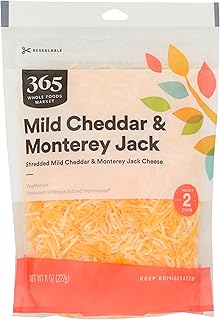


Unpleasant Odor: Smell the cheese. If it has a sour or unpleasant odor, it's probably spoiled
One of the most reliable methods to determine if shredded cheese has gone bad is by assessing its odor. Fresh cheese typically has a mild, creamy, or slightly tangy smell, depending on the type. However, when cheese begins to spoil, it develops a distinctly unpleasant odor that can range from sour to pungent. This change in smell is often the first noticeable sign of spoilage and can alert you to the cheese's compromised quality before any visible mold appears.
To evaluate the cheese's odor, remove it from the refrigerator and let it sit at room temperature for a few minutes. This allows the cheese's natural aromas to become more pronounced. Then, take a whiff of the cheese, paying close attention to any off or unusual smells. If the cheese emits a sour, ammonia-like, or otherwise unpleasant odor, it is likely spoiled and should be discarded.
It's important to note that some types of cheese, such as blue cheese or certain aged varieties, naturally have a strong, pungent smell. In these cases, the odor alone may not be a reliable indicator of spoilage. For these cheeses, it's crucial to also check for other signs of spoilage, such as mold, sliminess, or discoloration.
In addition to the odor test, it's always a good idea to inspect the cheese visually for any signs of mold or discoloration. Mold can appear as green, white, or black spots on the surface of the cheese. If you notice any mold, it's best to err on the side of caution and discard the cheese, as some molds can produce harmful toxins.
To prevent cheese from spoiling too quickly, it's essential to store it properly. Keep shredded cheese in an airtight container in the refrigerator, and try to use it within a week or two of opening. If you need to store cheese for a longer period, consider freezing it. When freezing cheese, it's best to grate it first, as this will help it thaw more evenly and prevent the formation of ice crystals.
In conclusion, the odor test is a simple yet effective way to determine if shredded cheese has gone bad. By paying attention to the cheese's smell and looking for other signs of spoilage, you can ensure that you're consuming safe, high-quality cheese. Proper storage techniques can also help extend the shelf life of your cheese and prevent spoilage.
Decoding Velveeta Shells and Cheese: Shelf Life Secrets Revealed
You may want to see also
Explore related products


Texture Changes: Feel the cheese. If it's slimy or has a different texture than usual, it may be bad
One of the most reliable methods to determine if shredded cheese has gone bad is by assessing its texture. Freshly shredded cheese should have a consistent, slightly moist texture without any signs of sliminess or excessive wetness. If you notice that the cheese feels unusually slimy or has a texture that differs significantly from what you're accustomed to, it's a strong indicator that the cheese may have spoiled.
To perform a texture check, gently press a small amount of the shredded cheese between your fingers. If it feels excessively moist or if there's any liquid seeping out, it's likely that bacteria have started to break down the cheese, leading to spoilage. Additionally, if the cheese clumps together in an unusual way or has a sticky consistency, this could also be a sign of deterioration.
It's important to note that the texture of cheese can vary depending on the type and how it's been stored. For example, some cheeses are naturally more moist than others, and refrigeration can affect the texture. However, a drastic change in texture, especially when accompanied by other signs of spoilage such as an off smell or discoloration, is a clear warning that the cheese should not be consumed.
In summary, the texture of shredded cheese is a crucial factor in determining its freshness. By paying attention to any unusual sliminess, excessive moisture, or changes in consistency, you can effectively identify when the cheese has gone bad and avoid potential health risks associated with consuming spoiled dairy products.
Mozzarella and Gout: Separating Facts from Fiction
You may want to see also
Explore related products


Packaging Integrity: Check the packaging for any signs of tampering or damage. Compromised packaging can lead to spoilage
Begin by thoroughly inspecting the packaging of the shredded cheese. Look for any signs of tampering, such as cuts, tears, or punctures in the plastic wrap or bag. If the cheese is in a container, check the lid for any cracks or gaps that could allow air to enter. Compromised packaging can lead to spoilage, as it exposes the cheese to contaminants and accelerates the growth of bacteria and mold.
Next, examine the cheese itself for any discoloration or unusual odors. Fresh shredded cheese should have a consistent color and a mild, slightly tangy smell. If you notice any off-colors, such as green or black spots, or if the cheese has a strong, unpleasant odor, it may be spoiled. Additionally, check for any signs of mold, which can appear as white, fuzzy patches on the surface of the cheese.
When storing shredded cheese, it's essential to keep it in a cool, dry place, such as the refrigerator. If the cheese has been left at room temperature for an extended period, it may be more susceptible to spoilage. Always check the expiration date on the packaging before consuming the cheese, and discard any cheese that is past its expiration date, even if it appears to be in good condition.
In summary, maintaining the packaging integrity of shredded cheese is crucial for preventing spoilage. Regularly inspect the packaging for any signs of tampering or damage, and discard any cheese that shows signs of spoilage, such as discoloration, unusual odors, or mold. By following these guidelines, you can help ensure that your shredded cheese remains fresh and safe to consume.
Unveiling the Nutritional Truth: Are Cheese Balls Really Bad for You?
You may want to see also
Frequently asked questions
Check for any off odors, discoloration, or mold. If the cheese smells sour or unpleasant, has orange or black spots, or shows signs of mold, it's best to discard it.
Spoiled shredded cheese may have a strong, pungent smell, slimy texture, or visible mold growth. It might also have darkened edges or an overall change in color.
Shredded cheese can last up to 3-4 weeks when stored properly in the refrigerator. However, it's essential to check for spoilage signs regularly, especially if it's been opened for a while.
Store shredded cheese in an airtight container or resealable plastic bag in the refrigerator. Keep it away from strong-smelling foods, as cheese can absorb odors easily.
It's not recommended to use shredded cheese past its expiration date, as it may have already started to spoil. However, if it looks and smells fine, you can use it within a few days after the expiration date at your discretion. Always prioritize food safety.