Andy Montoya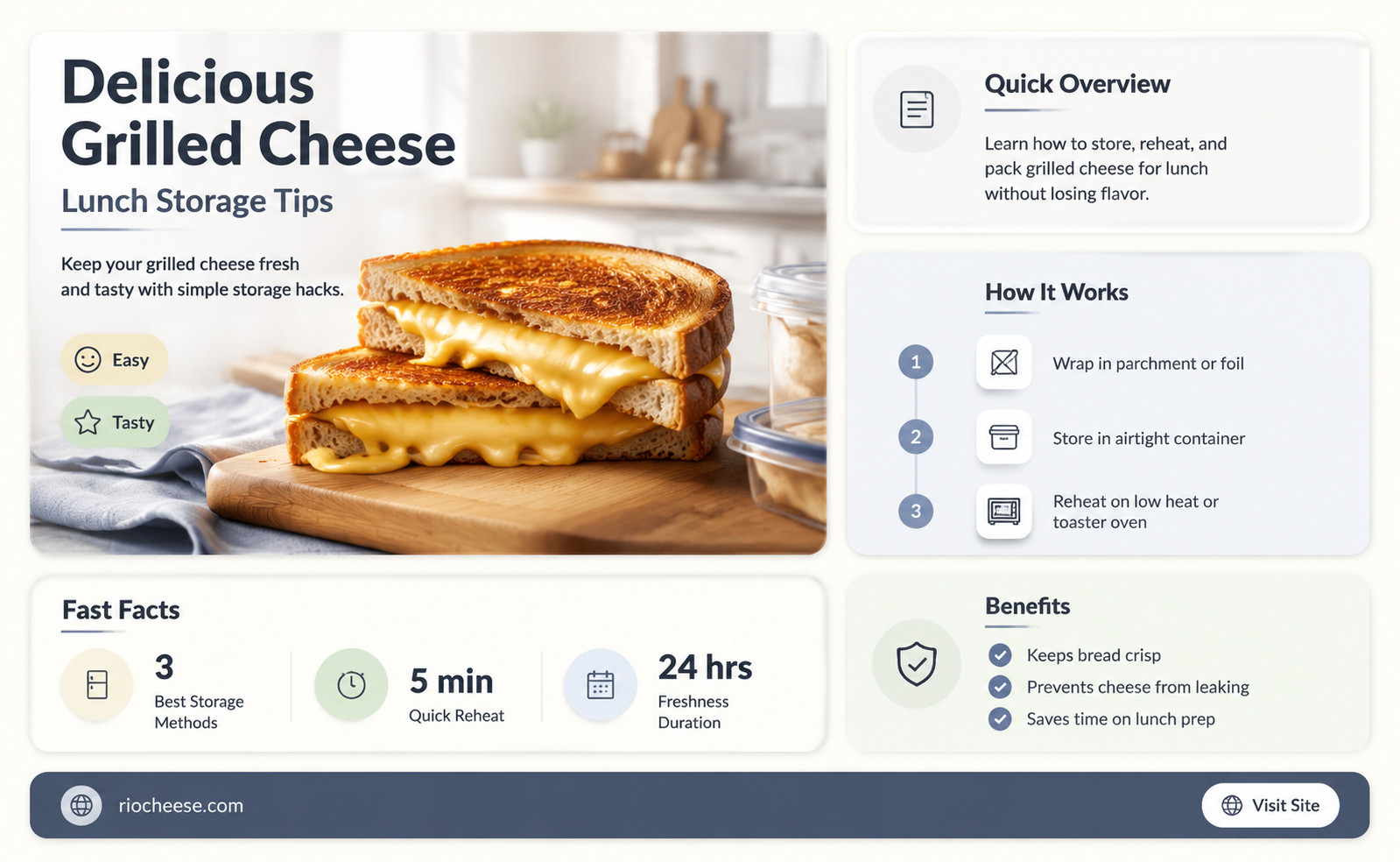
Storing grilled cheese sandwiches for lunch requires careful consideration to maintain their taste and texture. To keep them fresh, it's best to wrap each sandwich tightly in plastic wrap or aluminum foil before placing them in an airtight container. This method helps prevent the bread from becoming soggy and keeps the cheese from drying out. If you're planning to store them for more than a day, consider placing the wrapped sandwiches in a freezer-safe bag and freezing them. When you're ready to eat, simply thaw them in the refrigerator overnight or reheat them in a toaster oven or microwave.
Explore related products


What You'll Learn
- Cooling Methods: Let sandwiches cool on a wire rack to prevent sogginess. Avoid stacking while warm
- Storage Containers: Use airtight containers or resealable plastic bags to maintain freshness and prevent air exposure
- Refrigeration Tips: Store grilled cheese in the refrigerator for up to 3 days. Ensure it's fully cooled before refrigerating
- Reheating Techniques: Reheat in a toaster oven or on a skillet over low heat to restore crispiness. Avoid microwaving
- Freezing Instructions: Wrap sandwiches tightly in plastic wrap, then aluminum foil. Freeze for up to 2 months. Thaw in the fridge overnight before reheating

Cooling Methods: Let sandwiches cool on a wire rack to prevent sogginess. Avoid stacking while warm
To prevent sogginess and maintain the perfect texture of your grilled cheese sandwiches, it's crucial to employ effective cooling methods. One of the best ways to achieve this is by allowing the sandwiches to cool on a wire rack. This technique promotes air circulation around the sandwich, which helps to dissipate heat and moisture evenly. As a result, the bread remains crispy and the cheese stays perfectly melted without becoming too greasy or soggy.
Avoid stacking the sandwiches while they're still warm, as this can trap heat and moisture between the layers, leading to a less desirable texture. Instead, place each sandwich on the wire rack, ensuring they're not touching each other. This will allow for optimal cooling and help maintain the integrity of each sandwich.
If you're in a hurry and need to speed up the cooling process, you can place the wire rack in the refrigerator for a short period. However, be cautious not to leave the sandwiches in the fridge for too long, as this can cause the cheese to harden and the bread to become stale. The ideal cooling time will depend on the thickness of the sandwiches and the ambient temperature, but generally, 10-15 minutes on a wire rack should suffice.
Another useful tip is to use a paper towel or a clean kitchen towel to gently blot any excess grease from the surface of the sandwiches before cooling. This will help to reduce the amount of moisture that needs to evaporate and can further prevent sogginess.
By following these cooling methods, you can ensure that your grilled cheese sandwiches remain delicious and satisfying, even when stored for later consumption. Remember, the key is to maintain the right balance of heat and moisture during the cooling process, and these techniques will help you achieve just that.
Elevate Your Comfort Food: Grilled Cheese and Tomato Soup Reinvented
You may want to see also
Explore related products


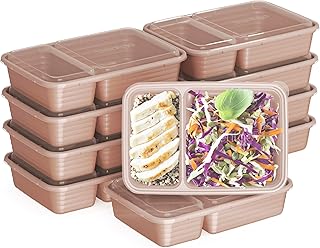
Storage Containers: Use airtight containers or resealable plastic bags to maintain freshness and prevent air exposure
Airtight containers and resealable plastic bags are essential tools in the quest to preserve the freshness of grilled cheese sandwiches. These storage solutions create a barrier against air, which is the primary culprit behind the drying out and degradation of food quality. By limiting air exposure, you can significantly extend the shelf life of your grilled cheese, ensuring it remains as delicious for lunch as it was when first made.
When selecting storage containers, opt for those made from BPA-free materials to avoid any potential chemical contamination. Glass or high-quality plastic containers with airtight lids are excellent choices. For resealable plastic bags, choose heavy-duty options that can be securely sealed, such as those with a zip-lock mechanism. These bags are particularly useful for portion control and can be easily labeled with the date of storage.
To maximize the effectiveness of these storage methods, it's crucial to remove as much air as possible from the container or bag before sealing. This can be done by gently pressing out the air or using a vacuum sealer for a more thorough removal. Additionally, consider wrapping the grilled cheese in parchment paper or aluminum foil before placing it in the container or bag. This extra layer of protection helps to maintain moisture and prevent the sandwich from sticking to the storage surface.
In terms of temperature, store your grilled cheese in the refrigerator if you plan to consume it within 3-4 days. For longer storage, freezing is an option, but it's important to note that the texture of the bread may change upon thawing. To mitigate this, you can lightly toast the bread before assembling the sandwich, which helps to preserve its structure during freezing and thawing.
Finally, when reheating stored grilled cheese, avoid using a microwave, as this can result in a soggy texture. Instead, opt for reheating in a toaster oven or on a skillet over low heat. This method helps to restore the sandwich's original crispiness and ensures that the cheese is evenly melted.
By following these guidelines and utilizing airtight containers or resealable plastic bags, you can enjoy your grilled cheese sandwiches for lunch without compromising on taste or quality.
Deliciously Safe: Serving Grilled Cheese to Your Little One
You may want to see also
Explore related products



Refrigeration Tips: Store grilled cheese in the refrigerator for up to 3 days. Ensure it's fully cooled before refrigerating
Storing grilled cheese sandwiches in the refrigerator is a convenient way to keep them fresh for up to 3 days. However, it's crucial to ensure that the sandwiches are fully cooled before placing them in the fridge. This prevents the buildup of moisture, which can lead to a soggy texture and potential bacterial growth. To cool the sandwiches quickly, you can place them on a wire rack or a plate at room temperature for about 30 minutes to an hour.
Once the sandwiches are cooled, wrap them tightly in plastic wrap or aluminum foil to prevent air from reaching the bread and cheese. This will help maintain their crispiness and flavor. Alternatively, you can use airtight containers or resealable plastic bags to store the sandwiches. If you're using a plastic bag, press out as much air as possible before sealing it.
When you're ready to eat the stored grilled cheese, you can reheat it in a toaster oven, skillet, or microwave. A toaster oven or skillet will help restore the crispiness of the bread, while a microwave is a quicker option. If using a microwave, place the sandwich on a microwave-safe plate and cover it with a damp paper towel to prevent the bread from becoming too hard.
It's important to note that while refrigeration can keep grilled cheese sandwiches fresh for a few days, their quality may start to decline after 24 hours. The bread may become slightly stale, and the cheese may not melt as smoothly. Therefore, it's best to consume the sandwiches within a day or two for the best taste and texture.
In summary, to store grilled cheese sandwiches in the refrigerator, ensure they are fully cooled, wrap them tightly, and consume them within 3 days. Reheating methods can vary depending on your preference for texture and convenience.
Mastering the Art of Smoking Cheese on a Rec Tec Grill
You may want to see also
Explore related products




Reheating Techniques: Reheat in a toaster oven or on a skillet over low heat to restore crispiness. Avoid microwaving
To reheat grilled cheese sandwiches and restore their original crispiness, using a toaster oven or a skillet is recommended. These methods help maintain the texture and flavor of the sandwich, unlike microwaving, which can make the bread soggy and compromise the overall quality.
When using a toaster oven, preheat it to 350°F (175°C). Place the grilled cheese sandwich on the oven rack or a baking sheet lined with parchment paper. Heat the sandwich for about 5-7 minutes, or until the cheese is melted and the bread is crispy and golden brown. Keep an eye on the sandwich to prevent burning, as toaster ovens can heat up quickly.
Alternatively, you can reheat the grilled cheese sandwich on a skillet over low heat. Place the sandwich on the skillet and cover it with a lid or aluminum foil. Cook for about 2-3 minutes on each side, or until the cheese is melted and the bread is crispy. This method allows for more control over the heat and can help prevent the sandwich from burning.
It's important to note that when reheating grilled cheese sandwiches, you should avoid using high heat, as this can cause the bread to burn before the cheese has a chance to melt. Additionally, be cautious when handling the sandwich after reheating, as the cheese can be very hot and may cause burns.
In summary, reheating grilled cheese sandwiches in a toaster oven or on a skillet over low heat is the best way to restore their crispiness and maintain their flavor. These methods are quick, easy, and effective, making them ideal for busy lunches or snacks.
Melt into Success: A Guide to Launching Your Grilled Cheese Venture
You may want to see also
Explore related products


Freezing Instructions: Wrap sandwiches tightly in plastic wrap, then aluminum foil. Freeze for up to 2 months. Thaw in the fridge overnight before reheating
To ensure your grilled cheese sandwiches remain fresh and delicious for an extended period, proper freezing techniques are essential. Begin by wrapping each sandwich tightly in plastic wrap, ensuring no air pockets are left that could lead to freezer burn. This initial layer of protection helps maintain the sandwich's moisture and flavor. Next, envelop the plastic-wrapped sandwich in a layer of aluminum foil. This additional barrier prevents the sandwich from drying out and absorbing odors from other foods in the freezer.
When storing the sandwiches, place them in a single layer on a baking sheet or tray to prevent them from sticking together. Once frozen solid, you can transfer them to a freezer-safe bag or container for more efficient storage. Label the bag or container with the date, so you can easily keep track of how long the sandwiches have been frozen.
It's important to note that while freezing can preserve the sandwiches for up to two months, the quality may start to decline after about a month. For the best results, try to consume the frozen sandwiches within this timeframe. When you're ready to enjoy a frozen grilled cheese sandwich, remove it from the freezer and place it in the refrigerator to thaw overnight. This gradual thawing process helps maintain the sandwich's texture and flavor.
After thawing, you can reheat the sandwich in a toaster oven, skillet, or microwave. If using a toaster oven or skillet, wrap the sandwich in aluminum foil to prevent it from drying out and to ensure even heating. In a microwave, place the sandwich on a microwave-safe plate and cover it with a damp paper towel to retain moisture. Heat the sandwich until it's warm throughout and the cheese is melted, then enjoy your perfectly preserved grilled cheese sandwich.
Elevate Your Grilled Cheese: Creative Ways to Add Flavor and Fun
You may want to see also
Frequently asked questions
To keep grilled cheese fresh, allow it to cool completely after cooking, then wrap it tightly in plastic wrap or aluminum foil. Place it in an airtight container or resealable plastic bag to prevent air from getting in.
Yes, you can store grilled cheese in the refrigerator. It's best to consume it within 3-4 days for optimal freshness and safety.
The best way to reheat grilled cheese is in a toaster oven or conventional oven. Preheat to 350°F (175°C), unwrap the sandwich, and place it on a baking sheet. Heat for 5-10 minutes or until the cheese is melted and the bread is crispy.
When making grilled cheese for storage, avoid using ingredients that can make the bread soggy, like tomato slices or excessive butter. Also, consider using cheese that melts well and doesn't become too oily when heated, such as cheddar or mozzarella.