 Kamil Perry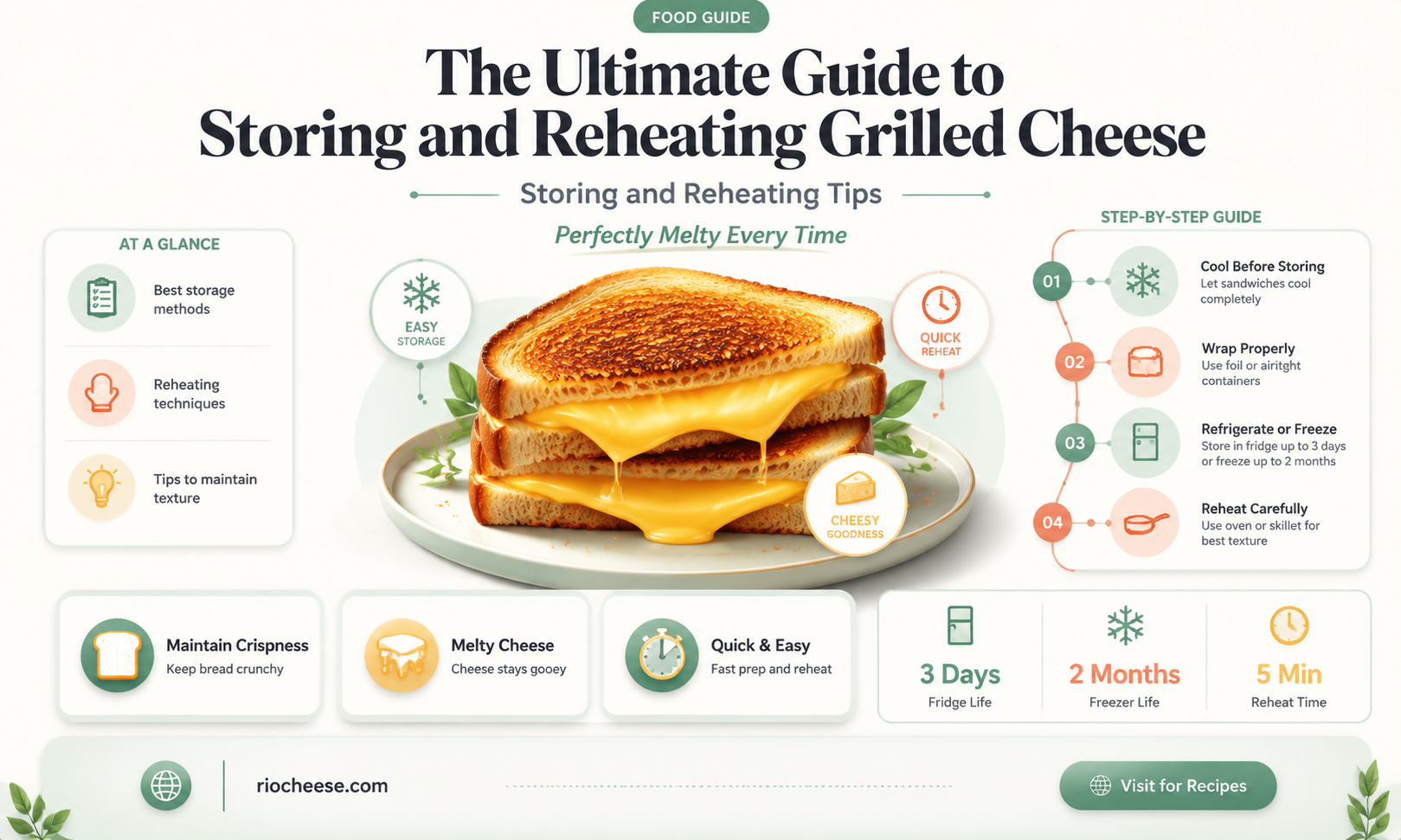
Storing and reheating grilled cheese sandwiches can be a delicate process to maintain their crispy exterior and gooey interior. To ensure your grilled cheese remains delicious even after it's cooled down, it's important to follow proper storage techniques. After grilling, allow the sandwiches to cool completely to room temperature. Then, wrap them tightly in plastic wrap or aluminum foil to prevent air from getting in, which can make the bread soggy. For longer storage, you can place the wrapped sandwiches in an airtight container or a resealable plastic bag and refrigerate them for up to 3 days. When you're ready to reheat, avoid using a microwave as it can make the bread soft. Instead, unwrap the sandwich and place it in a skillet over medium heat. Cover the skillet with a lid to help melt the cheese and crisp up the bread. Check frequently to ensure even heating and to prevent burning.
Explore related products



What You'll Learn
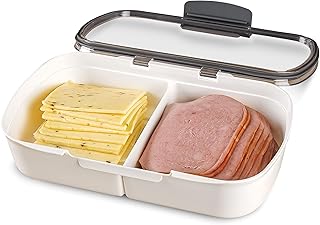
- Ideal Storage Containers: Use airtight containers or resealable bags to prevent air exposure and maintain freshness
- Refrigeration Tips: Store grilled cheese in the refrigerator within two hours of cooking to avoid bacterial growth
- Freezing Instructions: For longer storage, freeze grilled cheese in a single layer on a baking sheet, then transfer to a freezer bag
- Reheating Methods: Reheat in a skillet over medium heat, in the oven at 350°F, or in a toaster oven for a crispy texture
- Preventing Sogginess: To avoid sogginess when reheating, place a paper towel between the sandwich and the container or wrap it in aluminum foil

Ideal Storage Containers: Use airtight containers or resealable bags to prevent air exposure and maintain freshness
Airtight containers and resealable bags are essential for maintaining the freshness and quality of grilled cheese sandwiches. These storage solutions prevent air exposure, which can lead to sogginess and loss of flavor. When storing grilled cheese, it's crucial to ensure that the container or bag is completely sealed to avoid any air leakage. This not only preserves the crispiness of the bread but also keeps the cheese from drying out.
One effective method is to use airtight containers with a tight-fitting lid. These containers can be made of glass, plastic, or stainless steel. Glass containers are ideal for long-term storage as they are non-reactive and do not absorb odors. Plastic containers are lightweight and convenient for everyday use, while stainless steel containers are durable and eco-friendly. Regardless of the material, it's important to choose containers that are specifically designed to be airtight.
Resealable bags, such as zip-top bags, are another excellent option for storing grilled cheese sandwiches. These bags are flexible, making them easy to store in tight spaces, and they can be reused multiple times. To ensure maximum freshness, it's important to remove as much air as possible from the bag before sealing it. This can be done by gently pressing the bag to expel excess air or by using a vacuum sealer for a more thorough seal.
In addition to preventing air exposure, airtight containers and resealable bags also protect grilled cheese sandwiches from external contaminants, such as dust, dirt, and moisture. This is particularly important if the sandwiches are being stored in a pantry or refrigerator where they may be exposed to other food items or environmental factors.
When it comes to reheating grilled cheese sandwiches stored in airtight containers or resealable bags, there are a few key considerations. First, it's important to reheat the sandwiches gently to avoid burning the bread or melting the cheese unevenly. A toaster oven or a skillet on low heat are both effective options for reheating grilled cheese. Second, it's important to monitor the sandwiches closely during the reheating process to ensure that they are heated through without becoming overcooked.
In conclusion, using airtight containers or resealable bags is a simple yet effective way to store and reheat grilled cheese sandwiches. By preventing air exposure and protecting the sandwiches from external contaminants, these storage solutions help to maintain the freshness and quality of the grilled cheese, ensuring that it remains delicious and satisfying even after storage and reheating.
Melt into Success: A Guide to Launching Your Grilled Cheese Venture
You may want to see also
Explore related products





Refrigeration Tips: Store grilled cheese in the refrigerator within two hours of cooking to avoid bacterial growth
Storing grilled cheese properly is crucial to maintaining its quality and ensuring food safety. The key principle to remember is to refrigerate the grilled cheese within two hours of cooking to prevent the growth of harmful bacteria. This timeframe is essential because it minimizes the risk of bacterial contamination, which can occur when food is left at room temperature for extended periods.
To store grilled cheese effectively, follow these steps: First, allow the grilled cheese to cool slightly after cooking. This helps to prevent condensation from forming inside the storage container, which can lead to sogginess. Once the grilled cheese has cooled, wrap it tightly in plastic wrap or aluminum foil. This wrapping helps to maintain moisture and prevent the cheese from drying out. Alternatively, you can use airtight containers or resealable plastic bags for storage.
When storing grilled cheese in the refrigerator, it's important to place it in the proper section. The ideal location is the middle shelf, where the temperature is most consistent. Avoid storing grilled cheese in the door shelves, as these areas are subject to more temperature fluctuations due to frequent opening and closing of the refrigerator door.
Labeling the storage container with the date of cooking is also a good practice. This helps you keep track of how long the grilled cheese has been stored and ensures that you consume it within a safe timeframe. Generally, grilled cheese can be safely stored in the refrigerator for up to 3-4 days.
In summary, proper storage of grilled cheese involves cooling it slightly, wrapping it tightly, placing it in the middle shelf of the refrigerator, and consuming it within 3-4 days. By following these guidelines, you can enjoy your grilled cheese while ensuring food safety and maintaining its quality.
Savor the Simplicity: The Art of Perfect Grilled Cheese
You may want to see also
Explore related products


Freezing Instructions: For longer storage, freeze grilled cheese in a single layer on a baking sheet, then transfer to a freezer bag
To ensure your grilled cheese sandwiches remain delicious even after freezing, it's crucial to follow the proper freezing instructions. Begin by allowing the grilled cheese to cool completely on a wire rack. This step is essential as it prevents condensation from forming inside the freezer bag, which can lead to a soggy texture when reheating. Once cooled, place the sandwiches in a single layer on a baking sheet lined with parchment paper. This method of freezing helps maintain the sandwiches' shape and prevents them from sticking together.
After the grilled cheese sandwiches have been frozen solid, typically taking about 2-3 hours, transfer them to an airtight freezer bag. Be sure to remove as much air as possible from the bag before sealing to prevent freezer burn. Label the bag with the date, so you can easily keep track of how long the sandwiches have been stored. For optimal quality, consume the frozen grilled cheese within 2-3 months.
When you're ready to reheat the frozen grilled cheese, there are a few methods you can use. One popular option is to place the sandwiches in a preheated oven at 350°F (175°C) for about 10-15 minutes, or until they're heated through and the cheese is melted. Alternatively, you can reheat them in a skillet over medium heat, pressing down gently with a spatula to ensure even contact with the pan. This method usually takes about 5-7 minutes per side, depending on the thickness of the sandwiches.
It's important to note that the texture of the bread may change slightly after freezing and reheating, becoming a bit denser and chewier. However, the flavor of the cheese and the overall taste of the sandwich should remain intact if the freezing instructions are followed correctly. By using these methods, you can enjoy your grilled cheese sandwiches even after they've been frozen, making them a convenient and tasty meal option any time.
Deliciously Safe: Serving Grilled Cheese to Your Little One
You may want to see also
Explore related products
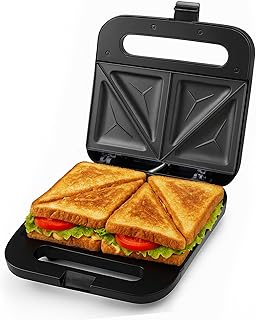


Reheating Methods: Reheat in a skillet over medium heat, in the oven at 350°F, or in a toaster oven for a crispy texture
To reheat grilled cheese sandwiches while retaining their original texture and flavor, several methods can be employed. Each method has its unique advantages and is suited for different situations and preferences.
Reheating in a skillet over medium heat is a popular method as it allows for even heating and the potential to add a bit of butter or oil to crisp up the bread further. To do this, place the sandwich in a non-stick skillet or a well-seasoned cast iron pan over medium heat. Cover the skillet with a lid to trap the heat and melt the cheese evenly. Check the sandwich after about 2-3 minutes and flip it if the bread is golden brown and the cheese is melted. This method is ideal for those who want to add a bit of extra flavor or crispiness to their sandwich.
Using an oven to reheat grilled cheese sandwiches is another effective method, especially if you're looking to reheat multiple sandwiches at once. Preheat your oven to 350°F (175°C). Wrap each sandwich loosely in aluminum foil and place them on a baking sheet. Bake for about 10-15 minutes, or until the cheese is melted and the bread is heated through. This method is great for keeping the sandwiches warm for a longer period, such as during a party or gathering.
For those who prefer a crispy texture, reheating in a toaster oven is an excellent option. Preheat your toaster oven to 350°F (175°C). Place the sandwich directly on the toaster oven rack or on a small baking sheet. Heat for about 5-7 minutes, or until the bread is crispy and the cheese is melted. Keep an eye on the sandwich as toaster ovens can heat up quickly, and you don't want to burn the bread. This method is perfect for those who want a quick and crispy reheat without using additional oil or butter.
When choosing a reheating method, consider factors such as the desired texture, the amount of time you have, and the equipment available to you. Each method has its pros and cons, and the best choice will depend on your specific needs and preferences.
Elevate Your Grilled Cheese: Creative Tips and Tricks
You may want to see also
Explore related products


Preventing Sogginess: To avoid sogginess when reheating, place a paper towel between the sandwich and the container or wrap it in aluminum foil
One of the most common issues when reheating a grilled cheese sandwich is sogginess. This can occur when the sandwich is placed directly in a container or wrapped in plastic wrap, causing the heat to trap moisture and make the bread soggy. To prevent this, it's essential to use a paper towel or aluminum foil as a barrier between the sandwich and the container. The paper towel will absorb any excess moisture, while the aluminum foil will reflect heat and prevent the sandwich from getting soggy.
When using a paper towel, place it directly on top of the sandwich before covering it with a lid or plastic wrap. Make sure the paper towel is large enough to cover the entire surface of the sandwich. If using aluminum foil, wrap the sandwich loosely, making sure there is some space between the foil and the sandwich. This will allow heat to circulate around the sandwich without causing it to become soggy.
Another tip to prevent sogginess is to reheat the sandwich in a low-moisture environment. This can be achieved by using a toaster oven or a dry skillet on the stovetop. Avoid using a microwave, as it can cause the bread to become soggy due to the high moisture content. If you must use a microwave, make sure to place a paper towel or aluminum foil between the sandwich and the microwave plate.
It's also important to reheat the sandwich at the right temperature. Reheating it too quickly or at too high a temperature can cause the bread to become soggy. Instead, reheat the sandwich slowly and at a low temperature, allowing the heat to penetrate the sandwich evenly without causing it to become soggy.
By following these tips, you can prevent sogginess when reheating a grilled cheese sandwich and enjoy a delicious, crispy meal every time.
Mastering the Art of Smoking Cheese on a Charcoal Grill
You may want to see also
Frequently asked questions
To store leftover grilled cheese sandwiches, allow them to cool completely to room temperature. Then, wrap each sandwich tightly in plastic wrap or aluminum foil to prevent air from getting in, which can make the bread soggy. Place the wrapped sandwiches in an airtight container or a resealable plastic bag and store them in the refrigerator for up to 3 days.
The best way to reheat a grilled cheese sandwich without making it soggy is to use a skillet or griddle. Remove the sandwich from its wrapping and place it on a non-stick skillet or griddle over medium heat. Cover the sandwich with a lid or aluminum foil to help the cheese melt and the bread to crisp up evenly. Cook for about 2-3 minutes on each side, or until the bread is golden brown and the cheese is melted.
Yes, you can freeze grilled cheese sandwiches for later use. To do so, follow the same steps for storing them in the refrigerator, but instead of placing them in the fridge, put the wrapped sandwiches in a freezer-safe bag or container and freeze them for up to 2 months. When you're ready to reheat them, thaw the sandwiches in the refrigerator overnight before reheating them in a skillet or griddle as described above.


