Andy Montoya
Brie cheese, with its creamy texture and rich flavor, is a popular choice for cheese boards and gatherings. To prepare brie for serving, start by selecting a ripe wheel with a soft, slightly yielding rind. Remove the cheese from the refrigerator about 30 minutes before serving to allow it to come to room temperature, enhancing its flavor and texture. For an elegant presentation, consider placing the brie on a decorative cheese board or platter. Surround it with complementary items such as fresh fruit, nuts, and crackers to create a well-rounded and visually appealing spread. When cutting the brie, use a sharp knife to slice it into wedges, ensuring each piece includes both the creamy interior and the flavorful rind. Serve immediately and enjoy the delightful combination of flavors and textures that brie cheese has to offer.
Explore related products


What You'll Learn
- Selecting the Right Brie: Choose a ripe brie with a creamy texture and a slightly soft rind for the best flavor
- Temperature Control: Allow the brie to come to room temperature before serving to enhance its taste and texture
- Cutting Techniques: Use a sharp knife to slice the brie into wedges or rounds, ensuring each piece includes some rind
- Pairing Suggestions: Serve brie with fresh fruits like grapes or apples, crackers, and a drizzle of honey for a balanced platter
- Presentation Tips: Arrange the brie slices artfully on a cheese board, garnishing with herbs or edible flowers for an appealing look

Selecting the Right Brie: Choose a ripe brie with a creamy texture and a slightly soft rind for the best flavor
To select the perfect brie for serving, it's essential to focus on a few key characteristics that indicate ripeness and quality. First, gently press the rind of the brie; it should yield slightly under pressure but not feel mushy. This texture suggests that the cheese is ripe and ready to eat. Next, inspect the color of the rind; it should be a uniform white or light gray, without any dark spots or signs of mold. The creamy interior is also crucial; when you cut into the cheese, it should have a smooth, spreadable consistency without any liquid pooling around the edges.
One common mistake when selecting brie is choosing a cheese that is too soft or too hard. If the brie is too soft, it may be overripe and could have an off flavor. On the other hand, if it's too hard, it may not have developed its full flavor profile yet. To avoid these issues, look for a brie that is firm but yields slightly when pressed. Additionally, consider the aroma of the cheese; a ripe brie should have a mild, slightly earthy scent without any strong or unpleasant odors.
When shopping for brie, it's also important to consider the size and shape of the cheese. A good brie should be round and relatively flat, with a diameter of about 4 to 6 inches. This size allows the cheese to ripen evenly and makes it easy to serve. If you're planning to serve the brie as part of a cheese board, you may want to choose a smaller wheel to ensure that it doesn't overpower the other cheeses.
Finally, don't forget to check the expiration date on the brie. While brie can often be enjoyed for a few weeks after its expiration date, it's best to consume it before then to ensure the best flavor and texture. If you're unsure about the freshness of the brie, ask the staff at your local cheese shop or grocery store for assistance. They can provide valuable insights into the quality and ripeness of the cheese, helping you make the best selection for your needs.
Delicious Meat Pairings for Broccoli Cheese Soup: A Guide
You may want to see also
Explore related products


Temperature Control: Allow the brie to come to room temperature before serving to enhance its taste and texture
Brie cheese, renowned for its creamy texture and rich flavor, is best enjoyed when served at the optimal temperature. Allowing brie to come to room temperature before serving is crucial as it enhances both its taste and texture. When brie is cold, its fats solidify, resulting in a firmer, less palatable consistency. As it warms to room temperature, these fats melt, releasing the cheese's full, buttery flavor and achieving its signature velvety texture.
To properly prepare brie for serving, remove it from the refrigerator approximately 30 minutes to an hour beforehand. This timeframe allows the cheese to gradually warm without becoming too soft or losing its shape. It's essential to monitor the temperature and consistency during this process to ensure it reaches the ideal serving state.
During the warming process, you can enhance the brie's flavor profile by pairing it with complementary foods. For instance, serving brie with fresh fruits like grapes or apples, or with nuts such as almonds or walnuts, can create a delightful contrast in textures and flavors. Additionally, a drizzle of honey or a sprinkle of sea salt can further elevate the cheese's natural taste.
It's also important to consider the environment in which the brie will be served. If the room temperature is particularly warm, you may need to shorten the warming time to prevent the cheese from becoming too soft. Conversely, in cooler environments, you might need to allow the brie to warm for a longer period to achieve the desired texture.
In summary, allowing brie cheese to come to room temperature before serving is a simple yet effective method to enhance its taste and texture. By following this practice and considering the environmental factors, you can ensure that your brie is served at its absolute best, providing a delightful culinary experience for your guests.
Delicious Burrata Cheese Appetizer Ideas for Your Next Gathering
You may want to see also
Explore related products


Cutting Techniques: Use a sharp knife to slice the brie into wedges or rounds, ensuring each piece includes some rind
To slice brie cheese effectively, it's essential to use a sharp knife. A dull knife will crush the soft cheese, making it difficult to achieve clean, even slices. Start by placing the brie on a cutting board. For wedges, position the knife at the center of the cheese and slice outward towards the rind. Apply gentle, consistent pressure to ensure the knife glides through the cheese smoothly. Repeat this process, slicing the cheese into even wedges, making sure each piece includes a portion of the rind.
For rounds, place the knife at the top of the brie and slice horizontally through the cheese. Again, use a sharp knife and apply gentle pressure. After each slice, wipe the knife clean with a damp cloth to prevent the cheese from sticking and to maintain clean, even slices. Continue slicing until you have the desired number of rounds.
When cutting brie, it's important to handle the cheese gently to avoid breaking or crumbling it. The rind of the brie is edible and adds a nice contrast in texture to the soft cheese, so make sure to include it in your slices. If you're serving the brie immediately, you can leave it at room temperature. However, if you're preparing it in advance, wrap it tightly in plastic wrap and refrigerate it until ready to serve.
One common mistake when slicing brie is to apply too much pressure, which can cause the cheese to ooze out from the sides. To avoid this, use a rocking motion with the knife, applying gentle pressure and allowing the weight of the knife to do the work. Another tip is to chill the brie slightly before slicing. This will help it hold its shape better and make it easier to cut.
In summary, to prepare brie cheese for serving, use a sharp knife and gentle pressure to slice it into wedges or rounds, ensuring each piece includes some rind. Handle the cheese carefully to avoid breaking it, and chill it slightly before slicing for better results.
Savoring Spain: The Art of Serving Manchego Cheese
You may want to see also
Explore related products


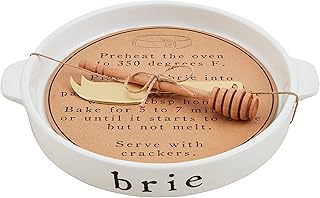
Pairing Suggestions: Serve brie with fresh fruits like grapes or apples, crackers, and a drizzle of honey for a balanced platter
Brie cheese, with its creamy texture and rich flavor, is a versatile ingredient that can be paired with a variety of accompaniments to create a delightful serving platter. One classic pairing is with fresh fruits, such as grapes or apples, which provide a refreshing contrast to the cheese's savory notes. The sweetness of the fruit complements the brie's mild, buttery taste, creating a harmonious balance of flavors.
Crackers are another essential component of a brie cheese platter. They offer a satisfying crunch that contrasts with the cheese's soft, spreadable consistency. When selecting crackers, opt for varieties that are not too overpowering, such as water crackers or plain rice crackers, to allow the brie's flavor to shine through.
To elevate the platter even further, consider adding a drizzle of honey. The golden nectar adds a touch of sweetness and a hint of floral notes, enhancing the overall flavor profile of the dish. When drizzling honey over the brie, be sure to use a high-quality, pure honey to avoid any artificial flavors or additives that could detract from the cheese's natural taste.
For a more sophisticated presentation, you can also incorporate other elements, such as nuts or dried fruits, into the platter. Walnuts or almonds provide a crunchy texture and a subtle earthiness that pairs well with the brie, while dried fruits like apricots or figs offer a chewy contrast and a concentrated sweetness.
When arranging the platter, consider the visual appeal as well as the flavor combinations. Place the brie cheese in the center, surrounded by the crackers and fruits, and drizzle the honey over the top in a decorative pattern. This will create an inviting and appetizing display that is sure to impress your guests.
In conclusion, pairing brie cheese with fresh fruits, crackers, and a drizzle of honey is a simple yet elegant way to create a balanced and delicious serving platter. By carefully selecting complementary ingredients and arranging them thoughtfully, you can showcase the brie's rich flavor and creamy texture, making it the star of any gathering or event.
Delicious Pairings: What to Serve with Beer Cheese Dip
You may want to see also
Explore related products


Presentation Tips: Arrange the brie slices artfully on a cheese board, garnishing with herbs or edible flowers for an appealing look
To elevate the presentation of brie cheese, consider the artful arrangement of slices on a cheese board. This not only enhances the visual appeal but also makes it easier for guests to serve themselves. Start by selecting a board that complements the cheese's creamy texture, such as a rustic wooden or elegant marble platter. Next, slice the brie into wedges, ensuring each piece includes a portion of the rind for added flavor and texture. Arrange the slices in a circular pattern, with the points facing outward, creating a visually pleasing and accessible display.
Garnishing the brie with herbs or edible flowers adds a touch of sophistication and can also enhance the flavor profile. Fresh thyme, rosemary, or basil leaves pair well with the rich, buttery taste of brie. For a pop of color and a subtle floral note, consider using edible flowers like nasturtiums or pansies. These garnishes not only make the cheese board more attractive but also provide guests with additional flavor options to explore.
When arranging the brie slices, be mindful of the spacing between each piece. This allows for easy access and prevents the slices from sticking together. Additionally, consider the overall balance of the cheese board. If including other cheeses or accompaniments, ensure they are placed in a way that does not overshadow the brie but rather complements its presentation.
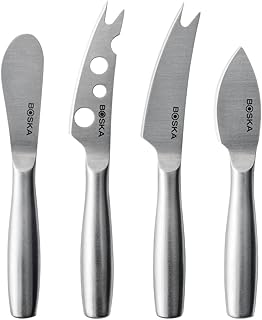
For an extra touch of elegance, consider adding a small bowl of honey or a fruit compote alongside the brie. This not only provides a sweet contrast to the savory cheese but also adds another layer of visual interest to the board. When serving, provide small cheese knives or spreaders to make it easy for guests to cut and spread the brie onto crackers or bread.
In summary, the key to an appealing brie cheese presentation lies in the thoughtful arrangement of slices, the use of complementary garnishes, and the inclusion of additional elements that enhance both the visual and flavor experience. By following these tips, you can create a cheese board that is not only delicious but also a feast for the eyes.
Elevate Your Charcuterie: The Art of Serving Brie Cheese
You may want to see also
Frequently asked questions
Brie cheese should be stored in the refrigerator until it reaches the desired level of ripeness. Once ripe, it can be left at room temperature for about 30 minutes to an hour before serving to allow it to soften slightly.
To cut brie cheese, use a sharp knife and slice it horizontally through the center, creating two equal halves. Then, cut each half into wedges. The rind is edible and adds flavor, so it's best to leave it on when serving.
Brie cheese pairs well with a variety of accompaniments. Some popular options include crackers, sliced baguette, fresh fruits like grapes or apples, nuts such as walnuts or almonds, and honey or fruit preserves for a touch of sweetness.