Andy Montoya
To melt grated Parmesan cheese, begin by preheating your oven to 350°F (175°C). Spread a thin, even layer of the grated cheese onto a baking sheet lined with parchment paper. Place the baking sheet in the oven and bake for about 5-7 minutes, or until the cheese is fully melted and slightly golden brown around the edges. Keep a close eye on it to prevent burning. Once melted, remove the cheese from the oven and let it cool slightly before using it in your desired recipe. This method ensures a smooth, evenly melted cheese that's perfect for topping dishes or incorporating into sauces.
Explore related products


What You'll Learn
- Preparation: Grate fresh Parmesan cheese using a fine grater for even melting
- Direct Heat Method: Melt cheese in a non-stick pan over low heat, stirring constantly
- Indirect Heat Method: Place grated cheese in a heatproof bowl over simmering water, stirring until melted
- Microwave Technique: Microwave grated cheese in 30-second intervals, stirring between each interval
- Tips and Tricks: Add a pinch of flour or cornstarch to prevent clumping; use immediately for best texture

Preparation: Grate fresh Parmesan cheese using a fine grater for even melting
Grating fresh Parmesan cheese is a crucial step in achieving the perfect melt. Using a fine grater ensures that the cheese shreds are uniform in size, which promotes even melting and a smoother texture. To begin, select a high-quality block of Parmesan cheese that is firm and dry. Hold the grater at a slight angle over a clean surface or a large mixing bowl to catch the shreds. Start grating the cheese using gentle, downward pressure, moving the grater in a consistent motion to create fine, even shreds. Avoid applying too much pressure, as this can cause the cheese to crumble or the grater to slip.
As you grate the cheese, you may notice that the shreds vary slightly in size. This is normal, but try to maintain a consistent grating technique to minimize any large or uneven pieces. If you find that the cheese is not grating smoothly, it may be too cold. Allow the cheese to come to room temperature for a few minutes before continuing. Once you have grated the desired amount of cheese, transfer it to a clean, dry pan or baking dish, depending on your melting method.
For stovetop melting, place the grated cheese in a non-stick pan over low heat. Stir the cheese constantly using a rubber spatula or wooden spoon to prevent it from burning or sticking to the pan. As the cheese begins to melt, you can add a small amount of milk or cream to achieve a creamier consistency, if desired. Continue stirring until the cheese is fully melted and smooth.
Alternatively, you can melt the grated Parmesan cheese in the oven. Preheat your oven to 350°F (175°C). Spread the grated cheese evenly in a thin layer on a baking sheet lined with parchment paper. Place the baking sheet in the oven and bake for 5-7 minutes, or until the cheese is fully melted and slightly golden brown. Keep a close eye on the cheese to prevent it from burning. Once melted, remove the cheese from the oven and let it cool slightly before using.
In both methods, the key to achieving a perfect melt is to use low, consistent heat and to stir the cheese frequently. This ensures that the cheese melts evenly and does not burn or separate. By following these steps and using a fine grater for even shreds, you can achieve a deliciously melted Parmesan cheese that is perfect for a variety of dishes.
Mastering the Art of Melting Provolone Cheese: Tips and Tricks
You may want to see also
Explore related products


Direct Heat Method: Melt cheese in a non-stick pan over low heat, stirring constantly
The direct heat method is a straightforward and efficient way to melt grated Parmesan cheese. To begin, place a non-stick pan over low heat on your stovetop. The key to preventing the cheese from burning or clumping is to use low heat and to stir the cheese constantly. This ensures that the heat is distributed evenly and that the cheese melts smoothly.
Once the pan is heated, add the grated Parmesan cheese in a thin, even layer. You can use a spatula or a wooden spoon to stir the cheese gently. It's important to keep the cheese moving to prevent it from sticking to the pan or forming lumps. As the cheese begins to melt, you'll notice it starts to become more pliable and stringy. Continue stirring until the cheese is fully melted and has reached a smooth, creamy consistency.
One of the benefits of the direct heat method is that it allows you to control the melting process more precisely. You can adjust the heat as needed to prevent the cheese from overheating. Additionally, this method doesn't require any additional ingredients, such as milk or cream, which can sometimes alter the flavor and texture of the melted cheese.
However, it's crucial to be patient and attentive when using the direct heat method. If the heat is too high or if you're not stirring the cheese enough, it can easily burn or become rubbery. To avoid this, keep a close eye on the cheese and adjust the heat and stirring as necessary.
In summary, the direct heat method is a simple and effective way to melt grated Parmesan cheese. By using low heat and constant stirring, you can achieve a smooth, creamy texture without the need for additional ingredients. Just be sure to monitor the cheese closely to prevent burning or clumping.
The Irresistible Melt: Exploring the Creamy Delight of Cheese Itz
You may want to see also
Explore related products


Indirect Heat Method: Place grated cheese in a heatproof bowl over simmering water, stirring until melted
The indirect heat method is a gentle and effective way to melt grated Parmesan cheese without burning or clumping. To begin, place a heatproof bowl over a pot of simmering water, ensuring that the bottom of the bowl does not touch the water. This creates a double boiler setup, which provides even and indirect heat. Add the grated Parmesan cheese to the bowl and stir occasionally, allowing the cheese to melt gradually. This method typically takes about 5-7 minutes, depending on the amount of cheese and the heat level.
One of the key advantages of the indirect heat method is that it prevents the cheese from overheating and burning, which can happen when using direct heat. Additionally, this method helps to maintain the cheese's texture and flavor, as it melts slowly and evenly. It's important to use a heatproof bowl that can withstand the heat without cracking or melting. Glass or stainless steel bowls are good options for this purpose.
While the indirect heat method is effective, it's important to avoid overcooking the cheese, as this can lead to a grainy or rubbery texture. Keep an eye on the cheese and remove it from the heat as soon as it's fully melted. If you notice any signs of browning or burning, remove the bowl from the heat immediately and stir vigorously to redistribute the heat.
In terms of practical tips, it's helpful to have all your ingredients ready before starting the melting process, as the cheese can melt quickly once it reaches a certain temperature. Additionally, you can add a small amount of butter or oil to the cheese to help it melt more smoothly and prevent sticking. Finally, be sure to use the melted cheese immediately, as it can harden and become difficult to work with if left to cool.
Overall, the indirect heat method is a reliable and efficient way to melt grated Parmesan cheese, providing a smooth and creamy texture without the risk of burning or clumping. By following these simple steps and tips, you can achieve perfect melted cheese every time.
The Melting Mystery: Dubliner Cheese's Unique Properties Explained
You may want to see also
Explore related products


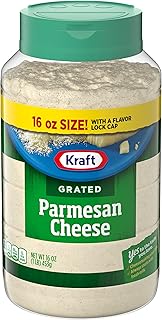


Microwave Technique: Microwave grated cheese in 30-second intervals, stirring between each interval
The microwave technique for melting grated Parmesan cheese is a quick and efficient method that can yield excellent results if done correctly. To begin, place the grated cheese in a microwave-safe bowl. It's important to use a bowl that is large enough to allow the cheese to spread out slightly, as this will help it melt more evenly. Avoid using a metal bowl, as microwaving metal can cause sparks and potentially damage your microwave.
Next, set your microwave to high power and heat the cheese for 30 seconds. After this initial interval, remove the bowl from the microwave and stir the cheese thoroughly. This stirring step is crucial, as it helps to distribute the heat evenly throughout the cheese, preventing it from melting in a lumpy or uneven manner. If the cheese is not yet fully melted, return it to the microwave for another 30-second interval, and then stir again.
Continue this process of microwaving and stirring until the cheese is completely melted and has reached your desired consistency. Be careful not to overheat the cheese, as this can cause it to become too thick or even burn. The entire process should take no more than a few minutes, making it a convenient option for busy cooks.
One advantage of the microwave technique is that it allows you to melt cheese quickly without having to dirty a saucepan or worry about the cheese burning on the stovetop. Additionally, microwaving cheese can help to retain its nutrients, as the process uses less heat and takes less time than traditional melting methods.
However, it's important to note that the microwave technique may not be suitable for all types of cheese or all recipes. Some cheeses, such as mozzarella or cheddar, may not melt as well in the microwave as they do on the stovetop or in the oven. Additionally, microwaved cheese can sometimes become too thick or rubbery, which may not be ideal for certain dishes.
In conclusion, the microwave technique for melting grated Parmesan cheese is a quick and convenient method that can produce excellent results when done correctly. By following these simple steps and being mindful of the potential drawbacks, you can easily melt cheese for a variety of recipes and enjoy delicious, gooey goodness in no time.
Mastering the Art of Melting Brie Cheese in the Microwave
You may want to see also
Explore related products


Tips and Tricks: Add a pinch of flour or cornstarch to prevent clumping; use immediately for best texture
To achieve a smooth and creamy melted Parmesan cheese, it's essential to prevent clumping. Adding a pinch of flour or cornstarch to the grated cheese before melting is a simple yet effective trick. This small amount of starch acts as a thickening agent, ensuring that the cheese melts evenly and doesn't separate or clump. It's important to use the cheese immediately after melting for the best texture, as letting it sit can cause it to thicken and lose its smooth consistency.
When incorporating this technique into your cooking, start by measuring out the desired amount of grated Parmesan cheese. Then, add a small pinch of flour or cornstarch – about 1-2 teaspoons per cup of cheese – and mix it in thoroughly. This ensures that the starch is evenly distributed throughout the cheese, preventing any pockets of clumping. Next, proceed with your preferred method of melting the cheese, whether it's in a saucepan over low heat, in the oven, or in a microwave.
One common mistake to avoid is overheating the cheese, as this can cause it to become too thick or even burn. Instead, melt the cheese slowly and stir it frequently to maintain a smooth texture. If you're using the stovetop method, consider using a double boiler or a heatproof bowl set over a pot of simmering water to provide gentle, even heat.
For an extra layer of flavor and texture, you can also experiment with adding other ingredients to the melted cheese. For instance, a splash of cream or milk can create a richer, more decadent sauce, while a pinch of nutmeg or black pepper can add a subtle depth of flavor. Just be sure to whisk in these additions slowly and thoroughly to maintain the smooth consistency of the cheese.
In summary, by adding a pinch of flour or cornstarch to grated Parmesan cheese before melting and using it immediately, you can achieve a perfectly smooth and creamy texture every time. This simple trick is a game-changer for any recipe that calls for melted cheese, ensuring that your dishes turn out with a professional, restaurant-quality finish.
Easy and Creamy: Melting Velveeta Cheese in a Crock Pot
You may want to see also
Frequently asked questions
The best way to melt grated Parmesan cheese is to use a double boiler or a heatproof bowl set over a pot of simmering water. This gentle heat method prevents the cheese from burning or becoming too greasy.
Yes, you can melt Parmesan cheese in a microwave. Place the grated cheese in a microwave-safe bowl and heat it in 30-second intervals, stirring between each interval, until fully melted. Be cautious as microwaves can heat unevenly and may cause the cheese to burn if not monitored closely.
To prevent melted Parmesan cheese from becoming too thick, you can add a small amount of milk or cream while heating. Stir continuously to ensure the cheese melts smoothly and evenly.
Melted Parmesan cheese can be used in a variety of dishes. It's great for making cheese sauces, topping pasta dishes, adding to soups and casseroles, or even as a dip for breadsticks and vegetables.
While it's possible to melt Parmesan cheese directly in a pan on the stove, it's not recommended because the high heat can cause the cheese to burn easily. Using a double boiler or a microwave provides more control over the melting process and results in a smoother, more evenly melted cheese.