Randy Chandler
Hosting the perfect wine and cheese party is an art that combines the sensory pleasures of taste and smell with the joy of good company. To create an unforgettable experience, start by selecting a variety of cheeses that range in texture and flavor, from creamy brie to sharp cheddar and tangy goat cheese. Pair these with a curated selection of wines that complement each cheese's unique profile, such as a rich Cabernet Sauvignon or a crisp Sauvignon Blanc. Consider adding charcuterie, fresh fruits, and artisanal breads to round out the palate. Set the mood with soft lighting and elegant table settings, and don't forget to provide tasting notes to guide your guests through the pairings. With careful planning and attention to detail, your wine and cheese party will be a delightful celebration of flavors and friendship.
| Characteristics | Values |
|---|---|
| Guest List | Intimate gathering of 8-12 friends |
| Invitations | Elegant, personalized cards sent 2 weeks in advance |
| Venue | Cozy living room with ambient lighting |
| Decor | Rustic chic with burlap, lace, and candles |
| Wine Selection | 6-8 varieties including red, white, and sparkling |
| Cheese Selection | Artisanal cheeses such as brie, gouda, and blue cheese |
| Pairings | Expertly paired wine and cheese combinations |
| Appetizers | Fresh fruit, nuts, and crackers |
| Music | Soft jazz and classical playlist |
| Dress Code | Smart casual |
| Activities | Wine tasting notes, cheese flavor profiles, and a blind tasting game |
| Favors | Small bottles of wine and cheese knives for guests |
| Timeline | 2-hour event with structured tasting and socializing |
| Budget | Moderate, focusing on quality over quantity |
| Host's Role | Engaging guests, explaining pairings, and ensuring a relaxed atmosphere |
Explore related products




What You'll Learn
- Select a variety of cheeses: Offer a mix of soft, hard, and blue cheeses to cater to different tastes
- Pair with the right wines: Choose wines that complement the cheeses, such as red wines for bold cheeses and whites for milder ones
- Create a welcoming ambiance: Use soft lighting, comfortable seating, and background music to set a relaxed mood
- Provide palate cleansers: Offer crackers, bread, and fruits to help guests cleanse their palates between tastings
- Educate your guests: Share information about the origins, flavors, and pairings of each cheese and wine

Select a variety of cheeses: Offer a mix of soft, hard, and blue cheeses to cater to different tastes
To create a memorable wine and cheese party, it's essential to offer a diverse selection of cheeses that cater to various palates. Start by including a mix of soft, hard, and blue cheeses to provide a range of textures and flavors. Soft cheeses, like Brie or Camembert, are creamy and mild, making them a great choice for guests who prefer a subtler taste. Hard cheeses, such as Cheddar or Gouda, offer a firmer texture and a more robust flavor profile, which pairs well with full-bodied wines. Blue cheeses, like Roquefort or Gorgonzola, add a bold and pungent element to the spread, ideal for those who enjoy a strong, distinctive taste.
When selecting cheeses, consider the regions they come from, as this can add an educational aspect to your party. For example, French cheeses like Brie and Roquefort have a rich history and are known for their quality. Similarly, Italian cheeses such as Parmigiano-Reggiano and Gorgonzola offer a taste of Italy's culinary heritage. By providing a variety of cheeses from different regions, you can create a cheese board that not only tastes great but also sparks conversation among your guests.
To enhance the cheese-tasting experience, pair each cheese with a complementary wine. Soft cheeses generally pair well with light to medium-bodied white wines, such as Chardonnay or Sauvignon Blanc. Hard cheeses can be matched with full-bodied red wines like Cabernet Sauvignon or Merlot, which can stand up to the strong flavors. Blue cheeses are often paired with sweet dessert wines or strong, aged spirits like whiskey or brandy, which can balance the pungency of the cheese.
In addition to the cheese and wine pairings, consider adding some accompaniments to your cheese board. Fresh fruits, like grapes, apples, and pears, can provide a refreshing contrast to the rich flavors of the cheese. Nuts, such as almonds, walnuts, or hazelnuts, add a crunchy texture and can complement the nutty notes in some cheeses. Finally, include a selection of crackers or bread to provide a neutral base for your guests to enjoy the cheeses.
When presenting your cheese board, arrange the cheeses in an aesthetically pleasing manner, grouping them by type or region. Label each cheese with its name and origin, so your guests can easily identify and learn about the different varieties. By offering a diverse selection of cheeses, paired with the right wines and accompaniments, you can create a wine and cheese party that is both delicious and engaging for your guests.
Mastering the Art of Cheese Wrapping: A Guide to Perfect Preservation
You may want to see also
Explore related products




Pair with the right wines: Choose wines that complement the cheeses, such as red wines for bold cheeses and whites for milder ones
When hosting a wine and cheese party, the key to a memorable experience lies in the art of pairing. The general rule of thumb is to match the intensity of the wine with that of the cheese. Bold, full-bodied red wines are ideal companions for strong, pungent cheeses, as their tannins and robust flavors can stand up to the richness of the dairy. On the other hand, lighter, more delicate white wines are better suited for milder, creamier cheeses, as their crisp acidity and subtle notes won't overpower the palate.
For a truly exceptional pairing, consider the specific characteristics of each cheese. For instance, a sharp cheddar would pair beautifully with a bold Cabernet Sauvignon, while a creamy Brie would be perfectly complemented by a buttery Chardonnay. When in doubt, a versatile Pinot Noir or Sauvignon Blanc can serve as a crowd-pleasing middle ground.
To elevate your pairing game, don't be afraid to experiment with unconventional matches. A sweet dessert wine, like a Port or Sauternes, can be a surprising and delightful pairing for a salty, aged cheese. Similarly, a sparkling wine, such as Champagne or Prosecco, can add a refreshing contrast to a rich, creamy cheese board.
Remember, the most important aspect of hosting a wine and cheese party is to encourage exploration and discovery. Provide your guests with a variety of wines and cheeses, and let them find their own perfect pairings. With a little guidance and a lot of options, you'll create an unforgettable evening that will have your guests coming back for more.
Taco Cheese Showdown: Which Variety Melts Hearts and Minds?
You may want to see also
Explore related products


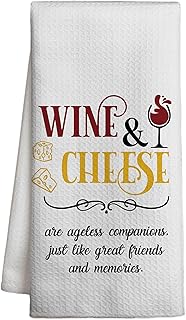
Create a welcoming ambiance: Use soft lighting, comfortable seating, and background music to set a relaxed mood
Soft lighting is key to creating a welcoming ambiance for your wine and cheese party. Aim for a warm, gentle glow that enhances the colors of the cheeses and wines without overwhelming the senses. You can achieve this by using table lamps with cream or beige shades, or by dimming the overhead lights and supplementing with candles. Be mindful of the placement of your light sources – avoid harsh shadows on the faces of your guests by positioning lights at a 45-degree angle to the seating area.
Comfortable seating is equally important for setting a relaxed mood. Opt for plush, cushioned chairs or sofas that invite guests to linger and enjoy their wine and cheese. If space is limited, consider using ottomans or poufs that can double as coffee tables. Arrange the seating in a way that encourages conversation, such as in a U-shape or around a central focal point like a fireplace or a large piece of artwork.
Background music can also play a significant role in creating a welcoming ambiance. Choose a playlist that complements the mood you want to create – for a wine and cheese party, you might opt for smooth jazz, classical, or acoustic guitar music. Keep the volume low enough that guests can easily converse without having to shout over the music. You could also consider hiring a live musician to provide a more intimate and sophisticated atmosphere.
To further enhance the ambiance, consider adding some decorative elements that tie in with the wine and cheese theme. For example, you could use wine bottles and cheese wheels as centerpieces, or hang a chalkboard menu listing the wines and cheeses on offer. Adding some greenery, such as potted herbs or a small indoor tree, can also help to create a fresh and inviting atmosphere.
Finally, don't forget to consider the temperature and scent of the room. A comfortable temperature of around 70-75°F (21-24°C) is ideal for enjoying wine and cheese. You could also use scented candles or essential oils to add a subtle fragrance to the room – something warm and inviting like vanilla, cinnamon, or sandalwood would work well.
By paying attention to these details, you can create a welcoming ambiance that will make your wine and cheese party a memorable and enjoyable experience for your guests.
Savoring the Ultimate Comfort Food: Chili Cheese Fries Showdown
You may want to see also
Explore related products

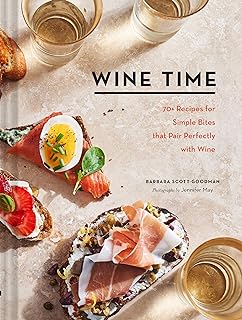


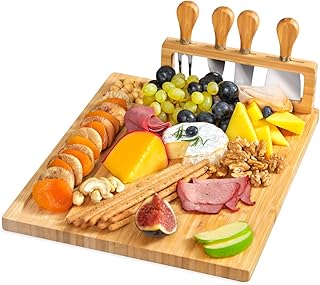
Provide palate cleansers: Offer crackers, bread, and fruits to help guests cleanse their palates between tastings
Palate cleansers play a crucial role in enhancing the wine and cheese tasting experience. By offering a selection of crackers, bread, and fruits, hosts can help guests reset their taste buds between different wine and cheese pairings. This practice not only prevents flavor fatigue but also allows guests to fully appreciate the nuances of each new combination.
When selecting palate cleansers, it's essential to consider their texture, flavor, and compatibility with a variety of wines and cheeses. Crackers and bread should be neutral in flavor, with a firm texture that can stand up to the richness of cheeses without overpowering them. Fruits, on the other hand, can add a refreshing contrast to the savory flavors of cheese and wine. Apples, pears, and grapes are popular choices, as they provide a crisp texture and a balance of sweetness and acidity.
To effectively use palate cleansers during a wine and cheese party, hosts should strategically place them between each tasting station. This ensures that guests have easy access to the cleansers and can use them as needed. Additionally, hosts can encourage guests to use the palate cleansers by explaining their purpose and demonstrating how to use them properly.
In conclusion, providing palate cleansers is a simple yet effective way to elevate the wine and cheese tasting experience. By carefully selecting and strategically placing these items, hosts can help guests fully enjoy the flavors and aromas of each wine and cheese pairing, making the event more enjoyable and memorable for all.
Paws and Reflect: The Ultimate Guide to Dog-Friendly Cheeses
You may want to see also
Explore related products


Educate your guests: Share information about the origins, flavors, and pairings of each cheese and wine
To elevate your wine and cheese party, consider the art of educating your guests about the origins, flavors, and pairings of each cheese and wine. This not only enhances the tasting experience but also fosters a deeper appreciation for the culinary journey. Begin by researching the provenance of each cheese and wine, highlighting the regions, climates, and traditions that shape their unique characteristics. For instance, a Brie from France will have a distinct flavor profile influenced by the country's rich dairy heritage and temperate climate.
When presenting the information, adopt an engaging and interactive approach. Create tasting notes that guests can follow, encouraging them to identify specific flavor notes and aromas in each pairing. This interactive element not only educates but also stimulates conversation and camaraderie among guests. Consider using a blind tasting format to add an element of surprise and challenge, where guests guess the origins and flavors without prior knowledge.
Pairing cheese and wine is both a science and an art. Educate your guests on the principles of complementary and contrasting flavors. For example, a bold Cabernet Sauvignon pairs well with a strong, aged Cheddar, while a delicate Pinot Noir complements the subtle flavors of a fresh Mozzarella. Provide guests with a visual guide to the cheese board, indicating the optimal pairing for each wine.
To further enhance the educational experience, incorporate storytelling into your presentation. Share anecdotes about the cheese-making process, the history of the vineyards, and any interesting facts about the regions. This not only adds a personal touch but also creates a memorable and immersive experience for your guests.
In conclusion, educating your guests about the origins, flavors, and pairings of each cheese and wine transforms a simple gathering into a sophisticated and enriching event. By adopting an interactive and informative approach, you not only elevate the tasting experience but also foster a deeper appreciation for the culinary arts among your attendees.
Discovering the Ultimate Comfort Food: A Quest for the Best Macaroni and Cheese
You may want to see also
Frequently asked questions
When planning a wine and cheese party, consider the following essential elements: the variety of cheeses and wines, appropriate glassware and serving utensils, a well-curated guest list, and a comfortable setting with adequate seating and lighting.
To select the right wine to pair with different types of cheese, consider the intensity and flavor profile of both the wine and the cheese. Generally, you want to match the strength of the wine with the strength of the cheese. For example, a bold red wine pairs well with a strong, aged cheese, while a light white wine complements a soft, mild cheese.
To create a visually appealing cheese board, follow these tips: arrange the cheeses in an attractive pattern, use a variety of colors and textures, add garnishes like fresh herbs or fruit, and provide crackers or bread for guests to enjoy with the cheese.
To ensure that your wine and cheese party is a memorable experience for your guests, focus on creating a warm and inviting atmosphere, offering a diverse selection of high-quality wines and cheeses, and engaging guests in conversation and education about the pairings. Additionally, consider incorporating other elements like live music or a themed decor to enhance the overall ambiance.