Bushra Griffith
Cutting cheese into shapes can be a fun and creative way to enhance the presentation of your dishes or snacks. Whether you're preparing a cheese platter for a party or simply want to add some visual interest to your meals, learning how to cut cheese into various shapes is a valuable skill. In this guide, we'll explore different techniques and tools you can use to achieve clean, precise cuts and create an array of shapes from your favorite cheeses. From classic cubes and slices to more intricate designs like stars and hearts, we'll cover it all. So, let's get started and discover the art of cheese cutting!
Explore related products


What You'll Learn
- Cheese Selection: Choose firm cheeses like cheddar or Swiss for better shape retention
- Knife Preparation: Ensure knives are sharp and clean for precise cuts and hygiene
- Cutting Techniques: Use gentle sawing motions for soft cheeses, firm presses for hard cheeses
- Shape Ideas: Stars, hearts, and animals are popular shapes for cheese platters
- Presentation Tips: Arrange cheese shapes on a platter with fruits and crackers for an appealing display

Cheese Selection: Choose firm cheeses like cheddar or Swiss for better shape retention
Firm cheeses such as cheddar and Swiss are ideal for cutting into shapes due to their ability to retain their structure. When selecting cheese for shaping, it's crucial to consider the firmness, as softer cheeses like brie or camembert may not hold their shape well and could result in a less defined final product.
Cheddar cheese, known for its sharp flavor and firm texture, is an excellent choice for creating cheese shapes. It can be easily cut with a sharp knife and will maintain its form even when carved into intricate designs. Swiss cheese, with its characteristic holes and mild flavor, is another great option. Its firmness allows for precise cuts, and it can be shaped into a variety of forms without crumbling.
When working with firm cheeses, it's important to use a sharp knife to ensure clean cuts. A dull knife can cause the cheese to crumble or break apart, ruining the shape. Additionally, it's helpful to chill the cheese in the refrigerator for about 30 minutes before cutting to make it even firmer and easier to shape.
Some common shapes for cheese include stars, hearts, and animals. For more complex shapes, it may be helpful to use a stencil or template to guide the cutting process. When cutting cheese into shapes, it's important to work slowly and carefully to avoid mistakes. If the cheese does crumble or break, it can often be pressed back together gently to reform the shape.
In summary, choosing firm cheeses like cheddar or Swiss is key to successfully cutting cheese into shapes. With the right tools and techniques, it's possible to create a variety of fun and impressive cheese shapes that are perfect for parties or special occasions.
Exploring the Delicious World of Fontinella and Fontina Cheeses
You may want to see also
Explore related products


Knife Preparation: Ensure knives are sharp and clean for precise cuts and hygiene
Maintaining the sharpness and cleanliness of knives is paramount when cutting cheese into shapes. A sharp knife ensures precise cuts, allowing for clean edges and consistent shapes, which is especially important when creating intricate designs or when the cheese will be served as part of a presentation. Dull knives, on the other hand, can crush or tear the cheese, leading to uneven and unappealing results.
Cleaning knives between cuts is equally crucial for hygiene and flavor preservation. Cheese can harbor bacteria, and using the same knife for different types of cheese without cleaning can lead to cross-contamination. Additionally, residual cheese on the knife can affect the taste of subsequent cuts, especially when moving from strong-flavored to mild cheeses.
To prepare knives for cutting cheese, start by selecting the appropriate knife for the type of cheese and the desired shape. For soft cheeses, a thin, flexible knife is ideal, while harder cheeses require a thicker, more robust blade. Next, ensure the knife is sharp by using a honing rod or sharpening stone. A properly sharpened knife will glide through the cheese with minimal resistance.
Before making any cuts, wash the knife thoroughly with warm, soapy water and dry it completely. This initial cleaning sets the standard for maintaining hygiene throughout the process. After each cut, wipe the knife clean with a damp cloth or paper towel to remove any cheese residue. For more thorough cleaning, especially when switching between different types of cheese, repeat the washing and drying process.
In addition to maintaining knife hygiene, it's important to consider the cutting board's cleanliness. Use a separate cutting board for cheese to avoid cross-contamination with other foods, and wash it thoroughly before and after use. By following these knife preparation and maintenance guidelines, you can ensure both the precision of your cuts and the safety of your cheese-cutting process.
Exploring the Rich Diversity of French Cheeses: A Comprehensive Guide
You may want to see also
Explore related products


Cutting Techniques: Use gentle sawing motions for soft cheeses, firm presses for hard cheeses
To achieve precise and clean cuts when shaping cheese, it's essential to understand the distinct cutting techniques required for soft and hard cheeses. Soft cheeses, such as brie or camembert, have a delicate texture that can easily crumble or smear if not handled correctly. For these cheeses, a gentle sawing motion with a sharp, thin-bladed knife is recommended. This technique involves a back-and-forth motion, applying minimal pressure to avoid crushing the cheese. It's also helpful to chill soft cheeses in the refrigerator for about 30 minutes before cutting to firm them up slightly, making them easier to shape.
On the other hand, hard cheeses like cheddar or parmesan require a more forceful approach. A firm press with a sturdy, wide-bladed knife is necessary to cut through their dense texture. For hard cheeses, it's important to use a rocking motion, applying steady pressure and allowing the weight of the knife to do the work. This technique helps prevent the cheese from crumbling or breaking apart. When cutting hard cheeses into intricate shapes, it may be useful to first outline the desired shape with a marker or toothpick to guide your cuts.
Regardless of the cheese type, it's crucial to keep your knife clean and sharp to ensure smooth cuts. A dull knife will require more force, increasing the risk of accidents and uneven cuts. After each cut, wipe your knife with a damp cloth to remove any cheese residue. This will help maintain the knife's sharpness and prevent the cheese from sticking to the blade.
When shaping cheese for presentation or serving, consider the visual appeal of your cuts. For soft cheeses, aim for smooth, rounded edges to enhance their creamy appearance. For hard cheeses, precise, clean cuts will showcase their firm texture and rich color. By mastering these cutting techniques, you'll be able to create beautifully shaped cheese platters that are both visually appealing and delicious.
Optimal Cheese Storage: Temperature Tips for Perfect Preservation
You may want to see also
Explore related products


Shape Ideas: Stars, hearts, and animals are popular shapes for cheese platters
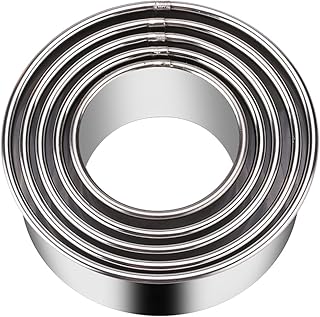
Cheese platters are often elevated by the creative presentation of their contents, and one popular way to achieve this is by cutting cheese into various shapes. Stars, hearts, and animals are particularly favored for their visual appeal and the touch of whimsy they add to the platter. To create star-shaped cheese, one can use a cookie cutter or a specialized cheese cutter, pressing firmly to ensure a clean cut. For heart shapes, a small, sharp knife can be used to carefully carve out the desired form. When it comes to animal shapes, such as bears or rabbits, a combination of knives and cutters may be necessary to achieve the intricate details.
The choice of cheese is also important when considering shape retention. Harder cheeses like cheddar or Swiss are ideal for cutting into shapes as they hold their form well. Softer cheeses like brie or camembert may require chilling before cutting to prevent them from becoming too misshapen. Additionally, it's helpful to have a variety of cheeses on the platter to provide different textures and flavors, as well as to create a visually interesting arrangement.
When arranging the cheese shapes on the platter, consider the overall aesthetic you're aiming for. You might want to group similar shapes together or create a pattern with alternating shapes and colors. Garnishes like grapes, nuts, or herbs can also be used to enhance the presentation and add complementary flavors.
For those looking to take their cheese platter to the next level, themed shapes can be a fun and creative way to do so. For example, for a holiday party, you might cut cheese into Christmas tree or snowflake shapes. For a children's party, animal shapes like elephants or giraffes could be a hit. The key is to choose shapes that are both visually appealing and relevant to the occasion.
In conclusion, cutting cheese into shapes like stars, hearts, and animals can add a unique and playful touch to any cheese platter. By selecting the right cheese, using the appropriate tools, and arranging the shapes thoughtfully, you can create a visually stunning and delicious spread that will impress your guests.
Unraveling the Mystery: Who Ate the Cheese Answer Key Revealed!
You may want to see also
Explore related products



Presentation Tips: Arrange cheese shapes on a platter with fruits and crackers for an appealing display
To create an appealing cheese platter, start by selecting a variety of cheeses with different shapes, sizes, and textures. For example, you could include a wedge of brie, a block of cheddar, and a round of goat cheese. Next, arrange the cheeses on a platter in a visually pleasing manner, considering factors such as color contrast and balance. You could create a pattern with the cheeses or group them by type.
In addition to the cheese, include a selection of fruits and crackers to complement the flavors and add visual interest to the platter. For fruits, consider options such as grapes, apples, and figs, which pair well with a variety of cheeses. For crackers, choose a mix of textures and flavors, such as plain, whole wheat, and herb-infused varieties.
When arranging the fruits and crackers, consider the overall composition of the platter. You could create a border of crackers around the edge of the platter and place the fruits in small clusters or use them to fill in gaps between the cheeses. Another option is to create a separate section for the fruits and crackers, allowing guests to easily access them.
To take your cheese platter to the next level, consider adding some garnishes or decorative elements. For example, you could use fresh herbs, such as rosemary or thyme, to add a pop of color and fragrance. You could also include a small bowl of honey or jam to drizzle over the cheeses, or a sprinkle of nuts or dried fruits for added texture and flavor.
Finally, don't forget to include cheese knives and small plates for guests to serve themselves. By following these presentation tips, you can create a visually stunning and delicious cheese platter that will impress your guests and elevate any gathering.
From Whey to Wow: Your Guide to Opening a Cheese Shop
You may want to see also
Frequently asked questions
To cut cheese into shapes, you'll need a sharp knife, a cutting board, and possibly cookie cutters or a cheese slicer for more intricate designs.
To prevent cheese from crumbling, make sure it's at room temperature before cutting. Use a sharp knife and apply gentle, even pressure. For softer cheeses, you can also use a piece of parchment paper or wax paper to help hold the shape.
Harder cheeses like cheddar, Swiss, and provolone are typically easier to cut into shapes because they hold their form better. Softer cheeses like brie or camembert can also be cut into shapes, but they may require chilling first to firm them up.
Yes, you can use cookie cutters to cut cheese into fun shapes. Simply press the cookie cutter into the cheese and twist it slightly to cut through. This method works best with harder cheeses.
To cut cheese into thin slices, use a sharp knife and a stable cutting board. Hold the cheese firmly and slice it using a smooth, even motion. For very thin slices, you can also use a mandoline slicer or a cheese slicer.