Randy Chandler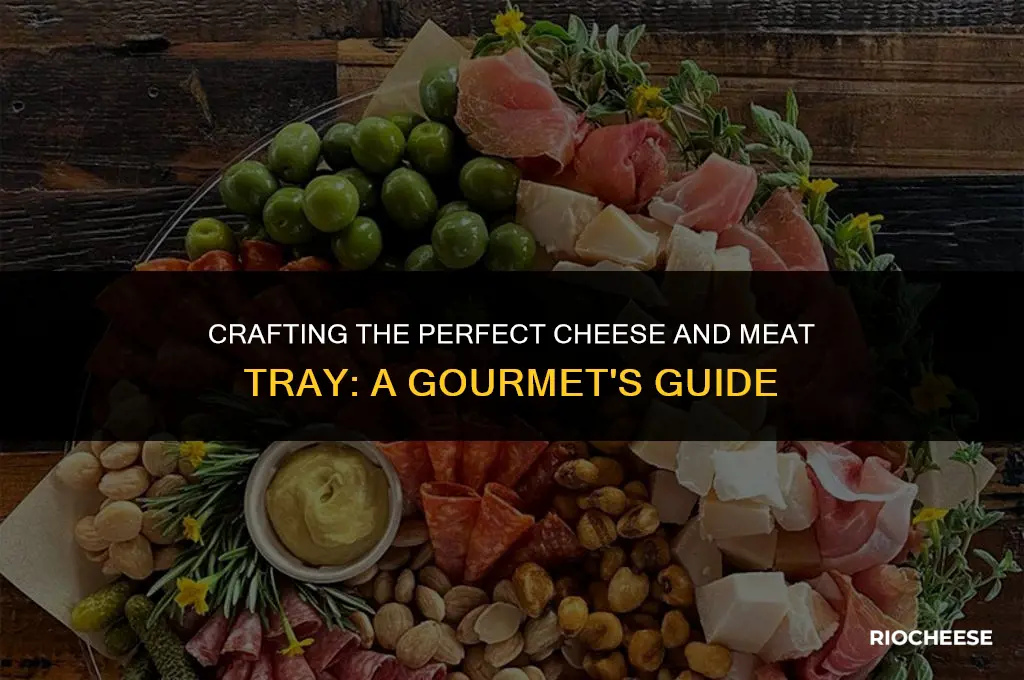
Building the perfect cheese and meat tray is an art that combines a variety of flavors, textures, and colors to create an appetizing and satisfying spread. Start by selecting a diverse assortment of cheeses, ranging from creamy brie to sharp cheddar and tangy goat cheese, to cater to different taste preferences. Complement these with a selection of cured meats such as prosciutto, salami, and ham, offering a mix of savory and spicy options. Add a touch of elegance with fresh fruits like grapes and figs, which pair beautifully with the rich flavors of the cheese and meat. Complete your tray with an array of crackers, breadsticks, and perhaps some nuts or olives, providing a variety of textures and enhancing the overall tasting experience. By thoughtfully combining these elements, you can create a visually stunning and delicious cheese and meat tray that will impress guests and delight the palate.
Explore related products


What You'll Learn
- Selecting Quality Cheeses: Choose a variety of textures and flavors, including soft, hard, and blue cheeses
- Cured Meats: Opt for a mix of cured meats like prosciutto, salami, and ham for diverse tastes
- Accompaniments: Add olives, pickles, and crackers to complement the rich flavors of cheese and meat
- Presentation: Arrange the items artfully on a platter, grouping similar items together for visual appeal
- Pairing Beverages: Offer wine or beer suggestions that pair well with the selected cheeses and meats

Selecting Quality Cheeses: Choose a variety of textures and flavors, including soft, hard, and blue cheeses
When assembling a cheese and meat tray, the selection of quality cheeses is paramount. To create a well-rounded and impressive spread, it's essential to choose a variety of textures and flavors, including soft, hard, and blue cheeses. This not only ensures a visually appealing presentation but also caters to different taste preferences.
Soft cheeses, such as Brie or Camembert, offer a creamy and rich texture that pairs well with crackers and fruits. They are often the centerpiece of a cheese tray and can be easily spread or scooped. Hard cheeses, like Cheddar or Gouda, provide a firmer texture and a sharper flavor profile. They can be sliced or cubed and are excellent for snacking or incorporating into recipes. Blue cheeses, such as Roquefort or Gorgonzola, add a bold and pungent flavor to the mix. They are typically crumbled or sliced thinly and are best enjoyed in moderation due to their strong taste.
When selecting cheeses, consider the following factors: freshness, flavor profile, and texture. Fresh cheeses will have a more vibrant taste and better texture. Look for cheeses with a smooth, even rind and avoid those with cracks or discoloration. The flavor profile should complement the other items on the tray, such as meats and accompaniments. For example, a mild cheese like Brie can balance out the saltiness of cured meats, while a sharp Cheddar can stand up to the bold flavors of a spicy salami. Texture is also crucial, as it adds variety and interest to the tray. A combination of soft, hard, and crumbly cheeses will provide a more engaging eating experience.
In addition to these factors, consider the origin and production methods of the cheeses. Artisanal cheeses, made using traditional methods, often have a more complex flavor profile and better texture than mass-produced varieties. Local cheeses can also add a unique touch to the tray and support local businesses. When selecting cheeses, don't be afraid to ask for recommendations from a knowledgeable cheesemonger or to try new varieties. This can lead to exciting discoveries and elevate the overall quality of the cheese and meat tray.
Exploring the Rich Flavor Profile of Havarti Cheese
You may want to see also
Explore related products


Cured Meats: Opt for a mix of cured meats like prosciutto, salami, and ham for diverse tastes
Selecting the right assortment of cured meats is crucial for creating a balanced and appealing cheese and meat tray. Prosciutto, with its delicate texture and mild flavor, offers a refined option that pairs well with a variety of cheeses. Salami, on the other hand, brings a bold, spicy kick that can complement the creaminess of softer cheeses. Ham, often overlooked, provides a savory, slightly sweet taste that works beautifully with aged cheeses.
When arranging your tray, consider the visual appeal of each meat. Prosciutto's thin slices can be artfully draped over the edge of the tray or placed in a small stack. Salami can be sliced into rounds and arranged in a circular pattern, while ham can be cut into neat squares or rectangles. This variety not only looks attractive but also makes it easy for guests to sample different meats.
In terms of flavor pairing, prosciutto pairs wonderfully with brie or camembert, as its subtle taste doesn't overpower the richness of the cheese. Salami, with its robust flavor, is a great match for cheddar or gouda, which can stand up to its spiciness. Ham, with its gentle sweetness, pairs nicely with a tangy goat cheese or a sharp blue cheese.
Remember to consider the texture of each meat as well. The tender bite of prosciutto contrasts nicely with the firmer texture of salami, while the softness of ham can provide a pleasant change of pace. By offering a mix of cured meats, you can create a cheese and meat tray that is not only visually appealing but also offers a range of flavors and textures that will delight your guests.
The Ultimate Guide to Choosing the Perfect Nacho Cheese
You may want to see also
Explore related products


Accompaniments: Add olives, pickles, and crackers to complement the rich flavors of cheese and meat
Olives, pickles, and crackers are not just mere additions to a cheese and meat tray; they are essential components that elevate the entire experience. These accompaniments serve as palate cleansers, texture contrasts, and flavor enhancers, ensuring that each bite is as delightful as the last. When selecting olives, opt for a variety of types and colors to add visual appeal and a range of flavors. From the briny, bold taste of Kalamata olives to the milder, buttery flavor of green olives, each type brings its own unique character to the tray.
Pickles, with their tangy and crunchy nature, provide a refreshing counterpoint to the rich, savory flavors of cheese and meat. Choose from an assortment of pickles, such as dill, bread and butter, or even spicy varieties, to cater to different taste preferences. Crackers, on the other hand, offer a satisfying crunch and a neutral base that allows the flavors of the cheese and meat to shine. Experiment with different types of crackers, including whole grain, herb-infused, or even gluten-free options, to accommodate various dietary needs and preferences.
When arranging these accompaniments on the tray, consider both aesthetics and functionality. Place the olives and pickles in small bowls or ramekins to prevent them from rolling around and to make them easy to pick up. Arrange the crackers in a separate section or use them as a base for the cheese and meat, creating a visually appealing and practical layout. By thoughtfully selecting and arranging these accompaniments, you can create a cheese and meat tray that is not only delicious but also visually stunning and well-balanced.
The Ultimate Guide to Choosing the Perfect Cheese for Lasagna
You may want to see also
Explore related products
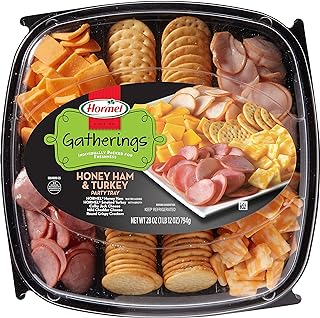


Presentation: Arrange the items artfully on a platter, grouping similar items together for visual appeal
To create a visually stunning cheese and meat tray, begin by selecting a platter that complements the colors and textures of your chosen items. A wooden board or a slate platter can add a rustic charm, while a ceramic or glass platter can provide a more elegant look. Once you have your platter, start by arranging the items in groups based on their type and color. For example, place all the cheeses together, followed by the meats, and then the accompaniments like crackers, fruits, and nuts.
Within each group, vary the shapes and sizes of the items to create visual interest. For instance, slice some cheeses into thin wedges, while leaving others in larger blocks or rounds. Similarly, fold some meats into neat rolls, and leave others sliced flat. This variation in shape and size will make the tray look more dynamic and inviting.
Consider the color palette of your tray as well. Arrange items so that the colors are balanced and harmonious. For example, place a bright orange cheese next to a deep purple fruit to create a striking contrast. Alternatively, group items by color to create a more cohesive look. The key is to experiment with different arrangements until you find one that is visually appealing to you.
Don't forget to leave some negative space on the platter. This will help to highlight each item and prevent the tray from looking overcrowded. You can also use garnishes like fresh herbs or edible flowers to fill in any gaps and add a touch of elegance to the presentation.
Finally, consider the order in which guests will likely eat the items on the tray. Place the most visually appealing items in the center, and arrange the others around them in a logical order. This will not only make the tray look beautiful but also ensure that guests can easily access and enjoy each item.
Discover the Perfect Cheese for Your Birria Tacos: A Flavorful Guide
You may want to see also
Explore related products


Pairing Beverages: Offer wine or beer suggestions that pair well with the selected cheeses and meats
When crafting the perfect cheese and meat tray, the pairing of beverages is a crucial element that can elevate the entire experience. The right wine or beer can complement the flavors of the cheeses and meats, creating a harmonious balance that delights the palate. For a sophisticated touch, consider pairing a bold red wine, such as a Cabernet Sauvignon or Merlot, with rich, aged cheeses like Cheddar or Gouda. The tannins in the wine will cut through the creaminess of the cheese, while the fruit notes will enhance the savory flavors.
For a more casual gathering, a crisp white wine like Sauvignon Blanc or Pinot Grigio can be an excellent choice to pair with lighter cheeses such as Brie or Camembert. The acidity in these wines will cleanse the palate between bites, allowing the subtle flavors of the cheeses to shine through. When it comes to meats, a medium-bodied red wine like Pinot Noir or a fruity white wine like Riesling can complement the flavors of cured meats like prosciutto or salami.
Beer enthusiasts will find that a variety of styles can pair wonderfully with different cheeses and meats. A hoppy IPA can balance the richness of blue cheeses like Roquefort or Gorgonzola, while a malty amber ale can enhance the flavors of nutty cheeses like Gruyère or Emmental. For meats, a light lager or pilsner can cleanse the palate between bites of spicy sausages, while a robust stout can stand up to the bold flavors of smoked meats.
When pairing beverages with your cheese and meat tray, it's essential to consider the intensity of flavors and the overall balance. Start by selecting a few key cheeses and meats, then choose beverages that will complement and enhance their flavors. Don't be afraid to experiment and try new combinations – the perfect pairing is often a matter of personal preference. By carefully selecting your beverages, you can create a cheese and meat tray that is not only visually appealing but also a delight for the senses.
Exploring the Rich Flavor Profile of Asiago Cheese
You may want to see also
Frequently asked questions
For a diverse flavor profile, consider including a mix of soft, hard, and blue cheeses. Soft cheeses like Brie or Camembert offer a creamy texture, while hard cheeses such as Cheddar or Gouda provide a sharper taste. Blue cheeses like Roquefort or Gorgonzola add a pungent and tangy element to the board.
To make your charcuterie board visually appealing, start by rolling or folding the meats into bite-sized pieces. Arrange them in a circular or fan-like pattern, alternating between different types of meats. This not only creates an attractive presentation but also makes it easy for guests to pick and choose their preferred meats.
To complement the cheese and meat on your charcuterie board, consider including a variety of accompaniments such as crackers, bread, olives, pickles, nuts, and dried fruits. These additions not only enhance the flavors but also provide different textures and visual interest to the board.