Patrick Oconnell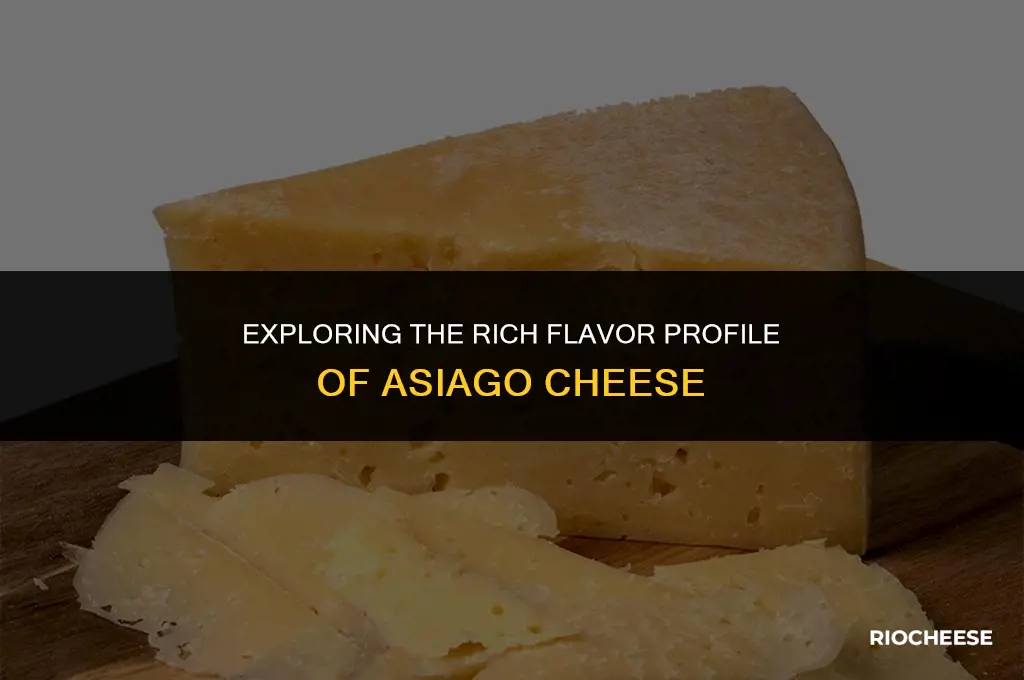
Asiago cheese, a renowned Italian variety, is best described as a versatile and flavorful cheese with a rich heritage. Originating from the Asiago region in the Veneto province of Italy, this cheese is traditionally made from cow's milk and aged to perfection. Its texture ranges from soft and creamy when young to harder and more crumbly as it matures. The flavor profile of Asiago cheese is complex, with notes of nuttiness, sharpness, and a hint of sweetness that develop over time. This cheese is not only a delightful addition to various dishes but also a staple in Italian cuisine, often grated over pasta, incorporated into sauces, or enjoyed on its own.
| Characteristics | Values |
|---|---|
| Origin | Asiago cheese originates from the Asiago region in Italy. |
| Milk Source | It is typically made from cow's milk. |
| Aging Process | Asiago cheese is aged for a period ranging from a few months to several years. |
| Texture | The texture varies from soft and creamy when young to harder and more crumbly when aged. |
| Flavor Profile | Young Asiago has a mild, buttery flavor, while aged Asiago develops a sharper, more robust taste. |
| Color | The color ranges from pale yellow to a deeper golden hue as it ages. |
| Rind | The rind is usually smooth and can range from light yellow to brown, depending on the aging process. |
| Fat Content | Asiago cheese generally has a higher fat content, contributing to its rich flavor. |
| Moisture Content | The moisture content decreases as the cheese ages, resulting in a drier texture. |
| Uses in Cooking | It is versatile and can be used in various dishes, from salads to pasta, and even as a table cheese. |
| Nutritional Value | Asiago cheese is a good source of protein, calcium, and vitamins A and B12. |
| Production Method | The cheese is made using traditional methods, involving coagulation, curdling, and pressing. |
| Certification | Authentic Asiago cheese is protected by a Protected Designation of Origin (PDO) certification. |
| Popular Pairings | It pairs well with fruits, nuts, and various types of wine, particularly Italian reds. |
| Storage | Asiago cheese should be stored in a cool, dry place, preferably in a cheese cellar or refrigerator. |
Explore related products


What You'll Learn
- Origin and Production: Asiago cheese originates from Italy, specifically the Asiago plateau. It's made from cow's milk
- Aging Process: This cheese is aged for various periods, resulting in different textures and flavors, from mild to sharp
- Nutritional Content: Asiago is rich in protein, calcium, and vitamins. It also contains beneficial bacteria due to its fermentation process
- Culinary Uses: It's versatile in cooking, used in sauces, soups, and as a table cheese. It grates well and melts smoothly
- Flavor Profile: The flavor ranges from creamy and mild in younger versions to more robust and nutty in aged varieties

Origin and Production: Asiago cheese originates from Italy, specifically the Asiago plateau. It's made from cow's milk
Asiago cheese, a renowned Italian delicacy, traces its roots back to the Asiago plateau in the Veneto region of Italy. This geographical origin is not just a matter of historical record but is also integral to the cheese's identity and production methods. The unique climate and terrain of the Asiago plateau contribute significantly to the distinct flavor profile of the cheese, making it a prized product in the world of gourmet cheeses.
The production of Asiago cheese is a meticulous process that begins with the selection of high-quality cow's milk. Unlike some other Italian cheeses that may use sheep's or goat's milk, Asiago is exclusively made from cow's milk, which gives it a milder, creamier texture. The milk is sourced from local dairy farms, ensuring freshness and adherence to traditional methods. The cheese-making process involves careful coagulation, curdling, and aging, which are all carried out under strict guidelines to maintain the cheese's authenticity and quality.
One of the unique aspects of Asiago cheese production is the use of traditional rennet, which is derived from the stomach lining of calves. This natural enzyme is crucial in the coagulation process, helping to separate the curds from the whey. The curds are then carefully shaped into wheels and aged in temperature and humidity-controlled environments. The aging process can vary from a few months to several years, depending on the desired level of maturity and flavor intensity.
During the aging process, the cheese develops its characteristic holes and crumbly texture. These holes, known as "occhi," are formed by carbon dioxide gas released by bacteria present in the cheese. The crumbly texture is a result of the breakdown of the curds over time, which also contributes to the cheese's rich, nutty flavor.
In conclusion, the origin and production of Asiago cheese are deeply intertwined with the natural and cultural landscape of the Asiago plateau. The use of local cow's milk, traditional rennet, and time-honored aging techniques all contribute to the unique characteristics of this beloved Italian cheese. Whether enjoyed fresh or aged, Asiago cheese is a testament to the artistry and dedication of Italian cheese-makers.
Discover the Perfect Cheese for Your Enchiladas: A Guide
You may want to see also
Explore related products


Aging Process: This cheese is aged for various periods, resulting in different textures and flavors, from mild to sharp
The aging process of Asiago cheese is a meticulous art that transforms the wheel from a mild, creamy delight into a sharp, tangy masterpiece. This transformation occurs over various periods, each yielding distinct textures and flavors that cater to different palates. The journey begins with fresh curds that are carefully molded and salted, then left to mature in temperature and humidity-controlled environments.
During the initial stages of aging, Asiago cheese develops a soft, pliable texture with a delicate, slightly sweet flavor. As the weeks progress, the cheese becomes firmer and more crumbly, with a richer, more pronounced taste. The longer the aging process, the sharper and more intense the flavor becomes, often developing nutty and fruity notes that are characteristic of well-aged Asiago.
The aging process also affects the appearance of the cheese. Younger Asiago has a pale, creamy color, while older varieties exhibit a deeper, golden hue. The rind, which is initially soft and white, becomes harder and darker as the cheese matures. This visual transformation is a testament to the complex chemical reactions occurring within the cheese, as enzymes break down proteins and fats, releasing compounds that contribute to the development of flavor and aroma.
In terms of practical application, understanding the aging process of Asiago cheese is crucial for selecting the right variety for a particular dish. For instance, younger Asiago is ideal for melting and incorporating into sauces or casseroles, while older Asiago is better suited for grating over pasta or salads, where its sharp flavor can shine. Additionally, knowing the aging process can help consumers appreciate the craftsmanship involved in producing this versatile cheese, enhancing their overall culinary experience.
Diabetic-Friendly Cheese: A Guide to the Best Options
You may want to see also
Explore related products


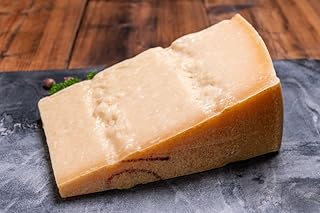

Nutritional Content: Asiago is rich in protein, calcium, and vitamins. It also contains beneficial bacteria due to its fermentation process
Asiago cheese, renowned for its rich flavor and versatility, boasts an impressive nutritional profile that makes it a valuable addition to a balanced diet. One of the key components of Asiago is its high protein content, which is essential for muscle repair and growth. A single serving of Asiago can provide a significant portion of the daily recommended protein intake, making it an excellent choice for individuals looking to increase their protein consumption.
In addition to protein, Asiago is also a rich source of calcium, a mineral crucial for maintaining strong bones and teeth. The calcium content in Asiago is particularly beneficial for individuals at risk of osteoporosis or those looking to support their bone health. Furthermore, Asiago contains a variety of vitamins, including vitamin A, which is important for vision and immune function, and vitamin B12, which plays a role in red blood cell formation and neurological health.
The fermentation process used to produce Asiago cheese introduces beneficial bacteria into the product. These bacteria, known as probiotics, can aid in digestion and support a healthy gut microbiome. The presence of probiotics in Asiago makes it not only a delicious but also a functional food that can contribute to overall digestive health.
When considering the nutritional content of Asiago, it is important to note that while it is a nutrient-dense food, it is also high in fat and calories. Therefore, it should be consumed in moderation as part of a well-rounded diet. For individuals looking to maximize the health benefits of Asiago, pairing it with nutrient-rich foods such as fruits, vegetables, and whole grains can create a balanced and satisfying meal.
In summary, Asiago cheese is a nutritional powerhouse, offering a rich source of protein, calcium, vitamins, and beneficial bacteria. Its inclusion in a balanced diet can support various aspects of health, from muscle and bone health to digestive wellness. However, due to its high fat and calorie content, moderation is key to enjoying the benefits of Asiago while maintaining a healthy diet.
The Art of Cheese Storage: Tips for Perfect Preservation
You may want to see also
Explore related products


Culinary Uses: It's versatile in cooking, used in sauces, soups, and as a table cheese. It grates well and melts smoothly
Asiago cheese, renowned for its versatility in the culinary world, is a staple ingredient in many kitchens. Its ability to seamlessly integrate into a variety of dishes makes it a favorite among chefs and home cooks alike. One of the most notable uses of Asiago is in sauces and soups, where it adds a rich, creamy texture and a subtle, nutty flavor that enhances the overall taste profile.
In addition to its use in liquid-based dishes, Asiago cheese also excels as a table cheese. Its firm yet crumbly texture makes it perfect for snacking, and its mild flavor pairs well with a variety of accompaniments, such as crackers, fruits, and nuts. For those who enjoy a more intense cheese experience, aged Asiago offers a sharper, more pronounced flavor that can stand up to bold wines and robust beers.
When it comes to cooking, Asiago cheese is a true all-star. It grates exceptionally well, making it an ideal choice for topping pizzas, pasta dishes, and casseroles. Its excellent melting properties also make it a popular choice for grilled cheese sandwiches, quesadillas, and other melted cheese applications. For a truly indulgent treat, try using Asiago cheese in a fondue or cheese sauce – its smooth, velvety texture and rich flavor will elevate any dish.
In terms of practical tips, when using Asiago cheese in cooking, it's important to remember that a little goes a long way. Its strong flavor can easily overpower other ingredients, so it's best to use it in moderation. Additionally, when grating Asiago cheese, be sure to use a fine grater to achieve the best texture and flavor distribution. Finally, when storing Asiago cheese, it's important to keep it in a cool, dry place to prevent it from becoming too soft or developing an off flavor.
Overall, Asiago cheese is a versatile and delicious ingredient that can add depth and complexity to a wide range of dishes. Whether used in sauces, soups, as a table cheese, or in a variety of cooked applications, Asiago cheese is sure to impress with its rich flavor and smooth texture.
Optimal Cheese Storage: A Guide to Freshness in Your Fridge
You may want to see also
Explore related products


Flavor Profile: The flavor ranges from creamy and mild in younger versions to more robust and nutty in aged varieties
Asiago cheese, a renowned Italian variety, exhibits a fascinating evolution in flavor as it ages. Younger versions of this cheese are characterized by a creamy, mild taste that is both delicate and inviting. This gentle flavor profile makes it an excellent choice for those who prefer a subtler cheese experience or for use in dishes where a milder taste is desired.
As the cheese matures, however, its flavor undergoes a remarkable transformation. The once creamy and mild notes give way to a more robust and nutty character. This aging process, which can last for several months to years, allows the cheese to develop a richer, more complex flavor that is prized by cheese connoisseurs. The nutty undertones that emerge are reminiscent of almonds or hazelnuts, adding a delightful depth to the cheese's taste.
The aging process not only affects the flavor but also the texture of Asiago cheese. Younger versions tend to have a softer, more pliable consistency, while aged varieties become firmer and more crumbly. This textural change is due to the breakdown of proteins and fats within the cheese, which results in a drier, more concentrated product.
When it comes to pairing Asiago cheese with other foods, its flavor profile makes it a versatile choice. Younger, milder versions can be used in place of mozzarella or provolone in various dishes, while the more robust, nutty varieties are excellent when grated over pasta dishes, salads, or soups. The aged cheese's bold flavor also stands up well to strong wines, making it a popular choice for cheese boards and wine tastings.
In conclusion, the flavor profile of Asiago cheese is a testament to the art of cheese-making and the transformative power of aging. From its creamy, mild beginnings to its robust, nutty maturity, this cheese offers a delightful range of tastes and textures that cater to a wide variety of palates and culinary applications.
The Ultimate Guide to Choosing the Perfect Nacho Cheese
You may want to see also
Frequently asked questions
Asiago cheese originates from the Asiago region in the Veneto province of Italy. It is a traditional Italian cheese that has been produced for centuries in this specific area.
Asiago cheese has a rich, nutty, and slightly sweet flavor profile. It is often described as having a sharp and tangy taste, with hints of fruit and spice. The flavor can vary depending on the aging process, with younger Asiago being milder and older Asiago being more intense.
Asiago cheese has a firm and slightly crumbly texture. It is not as soft as some other Italian cheeses like Mozzarella or Gorgonzola. The texture can also vary depending on the aging process, with younger Asiago being smoother and older Asiago being more crumbly.
Asiago cheese is a versatile ingredient that can be used in a variety of dishes. It is often grated over pasta dishes, salads, and soups. It can also be used as a table cheese, served on its own or with other cheeses, fruits, and nuts. Additionally, Asiago cheese can be melted and used in sandwiches, paninis, and other grilled dishes.
Asiago cheese is a good source of protein, calcium, and other essential nutrients. It is also relatively low in fat and calories compared to some other cheeses. However, it is important to note that Asiago cheese is still a dairy product and should be consumed in moderation as part of a balanced diet.