Frederic Melton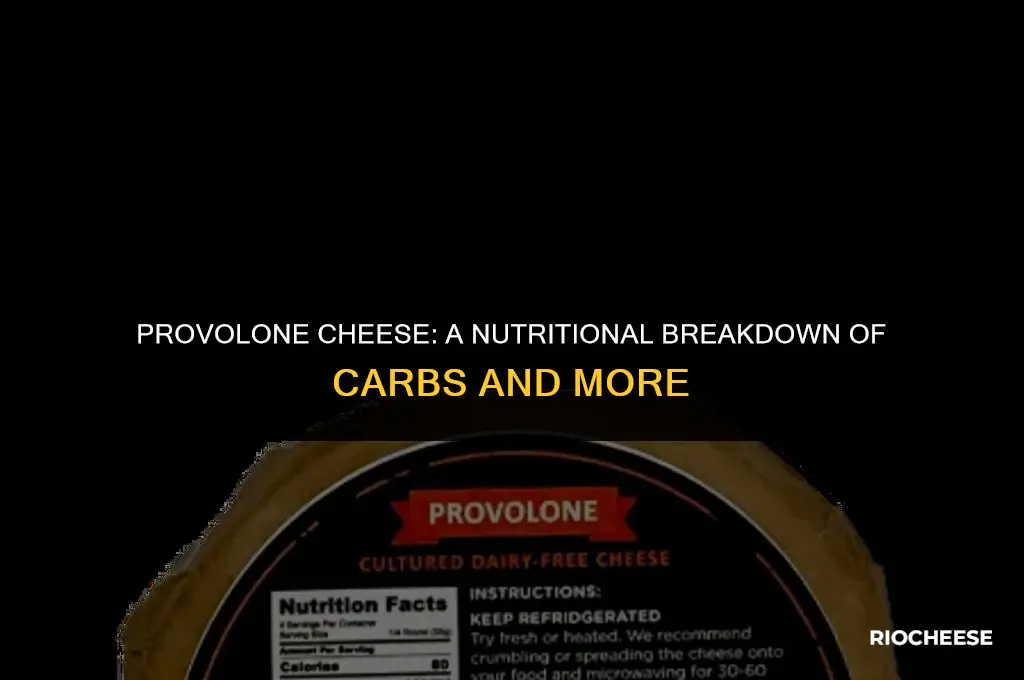
Provolone cheese, a popular choice for its mild flavor and smooth texture, is often used in sandwiches, salads, and as a snack. When considering its nutritional content, one key aspect to look at is its carbohydrate count. Carbohydrates are essential macronutrients that provide energy, and understanding how many carbs are in provolone cheese can help individuals manage their dietary intake effectively. This is particularly important for those following specific diets, such as low-carb or ketogenic plans, where monitoring carb consumption is crucial. Additionally, knowing the carb content can aid in meal planning and balancing overall nutritional needs.
Explore related products


![Asiago Cheese is a gluten free cheese without any cellulose powder or preservatives. Add it to your dishes or have it with wine and fruit. [ 20 oz, 1,25 lb ]](https://m.media-amazon.com/images/I/510+u0Y-tyL._AC_UL320_.jpg)
What You'll Learn
- Nutritional Information: Provolone cheese's carbohydrate content and other nutritional facts
- Comparison to Other Cheeses: How provolone's carb count compares to other popular cheeses
- Dietary Considerations: Is provolone cheese suitable for low-carb diets like keto
- Serving Sizes: Recommended serving sizes for provolone cheese to manage carb intake
- Recipes and Alternatives: Low-carb recipes using provolone cheese and alternative cheese options

Nutritional Information: Provolone cheese's carbohydrate content and other nutritional facts
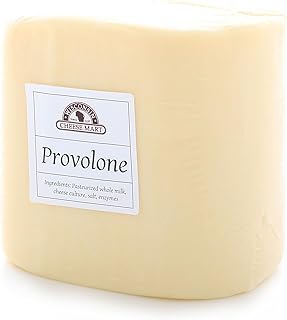
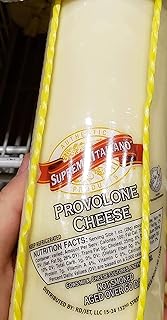
Provolone cheese, a popular choice for its mild flavor and smooth texture, is often scrutinized for its nutritional content, particularly its carbohydrate count. Unlike some other cheeses, provolone does contain a small amount of carbohydrates, which can be a consideration for those monitoring their carb intake.
A typical serving of provolone cheese, about one ounce or 28 grams, contains approximately 1 gram of carbohydrates. This low carbohydrate content makes it a suitable option for those following a low-carb or ketogenic diet. However, it's important to note that while the carb content is minimal, provolone cheese is relatively high in fat and calories. A one-ounce serving contains around 100 calories and 8 grams of fat, with 5 grams being saturated fat.
In addition to its macronutrient profile, provolone cheese offers several micronutrients. It is a good source of calcium, providing about 20% of the daily value per ounce. It also contains small amounts of phosphorus, magnesium, and vitamins A and B12. These nutrients contribute to bone health, energy production, and overall well-being.
When considering the nutritional information of provolone cheese, it's also worth noting its protein content. A one-ounce serving provides about 8 grams of protein, which is beneficial for muscle repair and growth. The combination of protein and fat in provolone cheese can help with satiety, making it a filling snack option.
In summary, while provolone cheese does contain a minimal amount of carbohydrates, its nutritional profile is characterized by a higher fat and calorie content, along with a good amount of protein and essential micronutrients. For those managing their carbohydrate intake, provolone cheese can be a part of a balanced diet when consumed in moderation.
Savoring the Keto-Friendly Delight: Bacon, Egg, and Cheese Biscuit Breakdown
You may want to see also
Explore related products

![Parmesan Snacking Cheese is a power-full snack, made with three simple ingredients to create this all natural, full flavor cheese. With only 80 calories and naturally packed with 7 grams of protein, this parmesan will satisfy your hunger to keep you full for longer. Pack these snackable cheeses in lunch boxes for a convenient and fulfilling snack, or pair with tomatoes, roasted peppers, cured meats, melon, grapes, crackers or bread for a quick appetizer. A smile with every bite! [ 18 oz , 1.12 lb ] 24 ct](https://m.media-amazon.com/images/I/51kwZ4FNsML._AC_UL320_.jpg)


Comparison to Other Cheeses: How provolone's carb count compares to other popular cheeses
When comparing the carbohydrate content of provolone cheese to other popular cheeses, it's essential to consider the nutritional profiles of each. Provolone cheese typically contains around 1-2 grams of carbohydrates per ounce, making it a relatively low-carb option. In contrast, cheeses like mozzarella and cheddar have slightly higher carb counts, with mozzarella containing approximately 2-3 grams per ounce and cheddar ranging from 0.5 to 1.5 grams per ounce, depending on the variety.
One of the lowest-carb cheese options available is blue cheese, which often contains less than 1 gram of carbohydrates per ounce. On the other end of the spectrum, cheeses like feta and goat cheese can have higher carb counts, with feta containing around 4 grams per ounce and goat cheese ranging from 2 to 4 grams per ounce.
It's important to note that while the carb content of cheese can vary, it is generally considered a low-carb food when consumed in moderation. For individuals following a ketogenic or low-carb diet, incorporating cheese into meals can be a delicious way to add flavor and nutrients while staying within carb limits. However, it's crucial to be mindful of portion sizes and to balance cheese consumption with other low-carb foods to maintain a well-rounded diet.
In summary, provolone cheese is a relatively low-carb option when compared to other popular cheeses, making it a suitable choice for those looking to minimize their carbohydrate intake. By understanding the carb content of different cheeses, individuals can make informed decisions about their dietary choices and enjoy a variety of flavors while adhering to their nutritional goals.
Savoring Flavor: Carbs in Chicken and Cheese Quesadilla Revealed
You may want to see also
Explore related products


Dietary Considerations: Is provolone cheese suitable for low-carb diets like keto?
Provolone cheese, known for its smooth texture and mild flavor, is a popular choice for many dietary plans. However, for those following a low-carb diet like keto, the suitability of provolone cheese can be a topic of discussion. The keto diet, which aims to induce a state of ketosis by drastically reducing carbohydrate intake, requires careful consideration of all food items, including dairy products like cheese.
One of the primary concerns for individuals on a keto diet is the carbohydrate content of foods. Provolone cheese does contain some carbohydrates, but the amount is relatively low compared to other dairy products. A typical serving of provolone cheese (about 28 grams) contains approximately 1-2 grams of carbohydrates. This low carbohydrate content makes provolone cheese a potentially suitable option for those on a keto diet, as it can fit within the strict daily carbohydrate limits that are characteristic of this dietary approach.
However, it's important to note that the keto diet is not just about reducing carbohydrate intake; it also emphasizes increasing fat intake and maintaining adequate protein consumption. Provolone cheese is a good source of both fat and protein, which aligns well with the macronutrient goals of the keto diet. The fat content in provolone cheese can help individuals feel fuller for longer and provide a sustained source of energy, which is beneficial for maintaining ketosis.
Despite its potential suitability for a keto diet, it's crucial for individuals to consider their overall dietary needs and restrictions. Some people may have lactose intolerance or dairy allergies, which would make provolone cheese an unsuitable choice regardless of its carbohydrate content. Additionally, the calorie content of provolone cheese should be taken into account, as excessive calorie intake can hinder weight loss efforts, which is often a goal for those on a keto diet.
In conclusion, provolone cheese can be a suitable option for individuals following a low-carb diet like keto, given its low carbohydrate content and its alignment with the diet's macronutrient goals. However, it's essential to consider individual dietary needs, restrictions, and overall calorie intake when incorporating provolone cheese into a keto meal plan. As with any dietary change, consulting with a healthcare professional or a registered dietitian can provide personalized guidance and ensure that the diet is balanced and meets individual health needs.
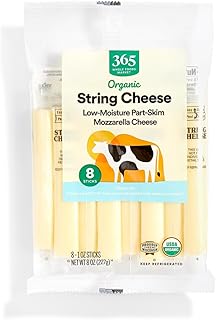
Mozzarella Cheese Sticks: A Low-Carb Snack Option
You may want to see also
Explore related products


Serving Sizes: Recommended serving sizes for provolone cheese to manage carb intake
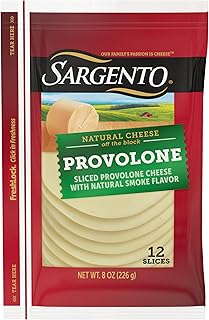
Provolone cheese is a popular choice for many due to its mild flavor and versatility in various dishes. However, for those managing their carbohydrate intake, it's essential to understand the recommended serving sizes to ensure they stay within their dietary limits. A standard serving size of provolone cheese is typically 1 ounce (28 grams), which contains approximately 1 gram of carbohydrates. This makes it a relatively low-carb option compared to other cheeses.
For individuals following a ketogenic diet or those with strict carb restrictions, it's crucial to measure their portions accurately. Using a food scale can help ensure precise measurements, as eyeballing portion sizes can lead to overconsumption of carbs. Additionally, it's important to note that different types of provolone cheese may have varying carb contents, so checking the nutrition label is always a good practice.
When incorporating provolone cheese into meals, it's helpful to pair it with other low-carb ingredients to create a balanced and satisfying dish. For example, combining provolone cheese with leafy greens, nuts, and a drizzle of olive oil can make for a delicious and nutritious salad. Alternatively, using provolone cheese as a topping for grilled meats or vegetables can add flavor without significantly increasing the carb content of the meal.
In conclusion, managing carb intake while enjoying provolone cheese is achievable by adhering to recommended serving sizes and being mindful of portion measurements. By incorporating provolone cheese into meals with other low-carb ingredients, individuals can create satisfying dishes that align with their dietary goals.
Sonic Cheese Sticks: A Tempting Treat with a Carb Count Twist
You may want to see also
Explore related products


Recipes and Alternatives: Low-carb recipes using provolone cheese and alternative cheese options
Provolone cheese is a versatile ingredient that can be used in a variety of low-carb recipes. Its mild flavor and smooth texture make it an excellent choice for those looking to reduce their carbohydrate intake without sacrificing taste. One popular low-carb recipe using provolone cheese is a cheese-stuffed chicken breast. To make this dish, simply slice a chicken breast in half, stuff it with a mixture of shredded provolone cheese and herbs, and bake until the chicken is cooked through and the cheese is melted.
For those who are looking for alternative cheese options, there are several low-carb choices available. One option is to use mozzarella cheese, which has a similar texture to provolone but a slightly milder flavor. Another option is to use cheddar cheese, which has a sharper flavor and can add a nice contrast to low-carb dishes. Additionally, goat cheese and feta cheese are both low in carbs and can be used as alternatives to provolone in various recipes.
When using alternative cheeses, it's important to consider the flavor profile of the dish and choose a cheese that will complement the other ingredients. For example, if making a low-carb pizza, mozzarella cheese might be a better choice than cheddar cheese, as it will melt more evenly and provide a milder flavor. On the other hand, if making a low-carb salad, feta cheese might be a better choice than goat cheese, as it will add a tangy flavor and crumbly texture.
In terms of the carb content of provolone cheese, it typically contains around 1-2 grams of carbs per ounce. This makes it a relatively low-carb option compared to other cheeses, such as cheddar cheese, which can contain up to 3-4 grams of carbs per ounce. However, it's important to note that the carb content can vary depending on the specific brand and type of provolone cheese, so it's always a good idea to check the nutrition label before using it in a low-carb recipe.
Overall, provolone cheese is a delicious and versatile ingredient that can be used in a variety of low-carb recipes. Whether you're looking for a mild-flavored cheese to stuff chicken breasts or a tangy cheese to add to a salad, provolone cheese is a great option. And with its relatively low carb content, it's a good choice for those looking to reduce their carbohydrate intake without sacrificing flavor.
Chick-fil-A Mac and Cheese: A Carb-Loaded Delight?
You may want to see also
Frequently asked questions
Provolone cheese typically contains very few carbohydrates. A 1-ounce serving of provolone cheese usually has around 1 gram of carbs or less.
Yes, provolone cheese is a good choice for a low-carb diet due to its minimal carbohydrate content. It's high in protein and fat, making it a suitable option for those looking to reduce their carb intake.
Besides being low in carbs, provolone cheese is a good source of several nutrients. It's rich in protein, calcium, and vitamins A and B12. Additionally, it contains conjugated linoleic acid (CLA), which has been associated with various health benefits.