Frederic Melton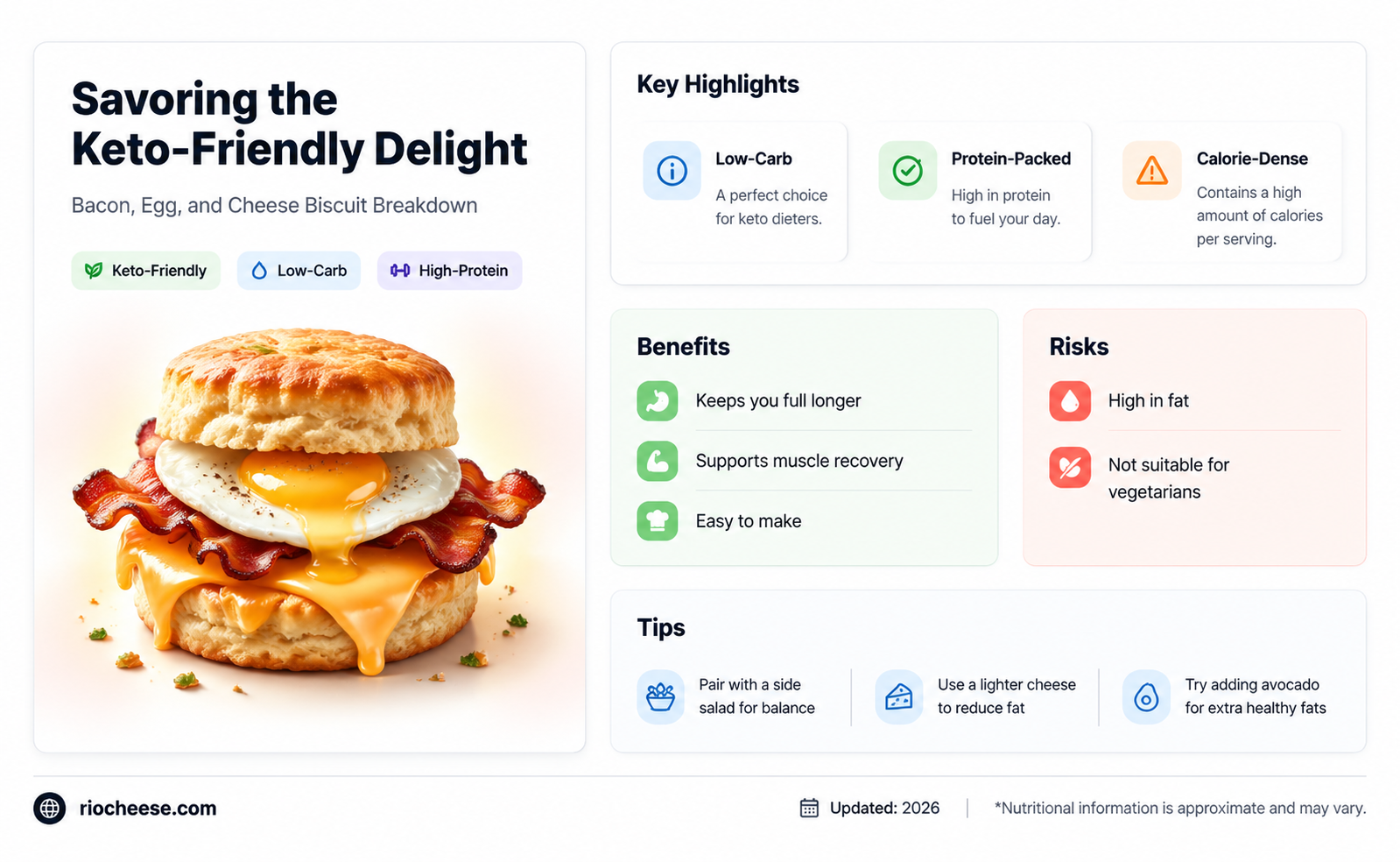
The topic of discussion is the carbohydrate content in a popular breakfast item: the bacon, egg, and cheese biscuit. This savory treat is a staple in many fast-food menus and a favorite among breakfast enthusiasts. Understanding its nutritional profile, particularly its carb content, is essential for those monitoring their carbohydrate intake, whether for dietary preferences, weight management, or health conditions like diabetes. In this exploration, we'll delve into the typical ingredients of a bacon, egg, and cheese biscuit, analyze their individual carb contributions, and provide an estimated total carb count for the entire dish.
What You'll Learn
- Nutritional Breakdown: Detailed analysis of the macronutrients and micronutrients in a bacon, egg, and cheese biscuit
- Ingredient Variations: How different ingredients (e.g., turkey bacon, egg whites, low-fat cheese) affect the carb content
- Preparation Methods: The impact of cooking methods (e.g., baking, frying) on the carbohydrate count of the biscuit
- Portion Control: Recommendations for portion sizes to manage carbohydrate intake while enjoying this dish
- Health Considerations: Discussion on how this dish fits into various diets (e.g., keto, low-carb, balanced) and health implications

Nutritional Breakdown: Detailed analysis of the macronutrients and micronutrients in a bacon, egg, and cheese biscuit
A bacon, egg, and cheese biscuit is a popular breakfast item that combines savory flavors with a satisfying texture. To understand its nutritional profile, we need to break down the macronutrients and micronutrients present in each component.
The biscuit itself is typically made from refined flour, which is a source of carbohydrates. A standard biscuit can contain anywhere from 20 to 30 grams of carbs, depending on its size and ingredients. The egg contributes a small amount of carbohydrates, approximately 1 gram, but is a rich source of protein and healthy fats. A large egg provides about 6 grams of protein and 5 grams of fat, with the majority of the fat being unsaturated.
Bacon is high in protein and fat but contains minimal carbohydrates. A single slice of bacon can provide around 3 grams of protein and 2.5 grams of fat, with only trace amounts of carbs. The cheese in the biscuit adds additional protein and fat, as well as some calcium and other micronutrients. A slice of cheddar cheese, for example, contains about 7 grams of protein, 6 grams of fat, and 1 gram of carbohydrates.
In terms of micronutrients, the egg is a standout source of vitamins and minerals, including vitamin D, choline, and selenium. The bacon and cheese contribute smaller amounts of micronutrients, but still provide some B vitamins and minerals like phosphorus and zinc. The biscuit, being made from refined flour, is often fortified with B vitamins and iron to enhance its nutritional value.
Overall, a bacon, egg, and cheese biscuit is a high-protein, high-fat meal with a moderate amount of carbohydrates. It can be a filling and satisfying option for breakfast, but it's important to consider the overall balance of your diet and the specific nutritional needs you may have.
Unraveling the Carb Mystery: A Deep Dive into Cheese Curds
You may want to see also
Ingredient Variations: How different ingredients (e.g., turkey bacon, egg whites, low-fat cheese) affect the carb content
Analyzing the impact of ingredient variations on the carbohydrate content of a bacon, egg, and cheese biscuit reveals several key insights. Turkey bacon, for instance, typically contains fewer carbs than traditional pork bacon due to its lower fat content and the absence of added sugars found in some pork bacon products. This substitution can reduce the overall carb count of the biscuit by approximately 1-2 grams per serving.
Egg whites, when used in place of whole eggs, also contribute to a lower carbohydrate content. A large egg white contains about 0.6 grams of carbs, whereas a whole large egg contains around 0.9 grams. This difference, while small, can add up when preparing multiple biscuits or when following a strict low-carb diet.
Low-fat cheese is another ingredient that can help reduce the carb content of the biscuit. Many low-fat cheese varieties contain fewer carbs than their full-fat counterparts due to the removal of some of the fat and the addition of fillers or stabilizers that are lower in carbs. For example, a slice of low-fat cheddar cheese might contain around 0.5 grams of carbs, compared to 0.7 grams for a slice of regular cheddar cheese.
When considering these ingredient variations, it's important to note that the overall carb content of the biscuit will also be influenced by the type of biscuit used. Some biscuit recipes may use almond flour or coconut flour, which are lower in carbs than traditional wheat flour. Additionally, the presence of any added sweeteners or flavorings in the biscuit recipe can significantly impact the carb count.
In conclusion, by carefully selecting ingredients such as turkey bacon, egg whites, and low-fat cheese, and by choosing a biscuit recipe that uses low-carb flours and minimal added sugars, it is possible to create a bacon, egg, and cheese biscuit that is both delicious and lower in carbohydrates than its traditional counterpart.
Preparation Methods: The impact of cooking methods (e.g., baking, frying) on the carbohydrate count of the biscuit
The carbohydrate content of a biscuit can vary significantly depending on the cooking method employed. Baking, for instance, is a common method that can result in a lower carb count compared to frying. This is because baking typically requires less added fat, which can contribute to the overall carbohydrate content. When baking a biscuit, the dough is often made with flour, which is a primary source of carbohydrates. However, the type of flour used can also impact the carb count. For example, using almond flour or coconut flour can result in a lower carbohydrate content compared to traditional wheat flour.
Frying, on the other hand, can increase the carbohydrate count of a biscuit due to the absorption of oil during the cooking process. When a biscuit is fried, it is submerged in hot oil, which can cause the dough to absorb some of the oil. This absorbed oil can contribute to the overall calorie and fat content of the biscuit, which in turn can affect the carbohydrate count. Additionally, frying can also cause the biscuit to become denser, which can result in a higher concentration of carbohydrates per serving.
Other cooking methods, such as grilling or air frying, can also impact the carbohydrate content of a biscuit. Grilling can result in a lower carb count compared to frying, as it typically requires less added fat. Air frying, which uses hot air circulation to cook food, can also result in a lower carb count compared to traditional frying methods. However, it is important to note that the specific carbohydrate content of a biscuit will depend on the ingredients used and the cooking method employed.
In conclusion, the cooking method used can have a significant impact on the carbohydrate count of a biscuit. Baking is generally considered a lower-carb option compared to frying, while grilling and air frying can also result in lower carb counts. When preparing a biscuit, it is important to consider the ingredients used and the cooking method employed to ensure that the final product meets your dietary needs and preferences.
Portion Control: Recommendations for portion sizes to manage carbohydrate intake while enjoying this dish
To effectively manage carbohydrate intake while enjoying a bacon, egg, and cheese biscuit, it's essential to understand portion control. A standard biscuit can range from 20 to 30 grams of carbohydrates, depending on its size and ingredients. Considering this, a balanced approach would be to either reduce the size of the biscuit or pair it with lower-carb ingredients to maintain a healthy carb count.
One strategy is to opt for a smaller biscuit or cut a standard one in half, saving the other half for later. This simple adjustment can significantly reduce the overall carbohydrate content of the meal. Additionally, choosing leaner cuts of bacon and using egg whites instead of whole eggs can further lower the carb count without sacrificing flavor.
Another effective method is to incorporate more vegetables into the dish. Adding a side of sautéed spinach or a small salad can increase the fiber content of the meal, which helps to balance out the carbohydrates from the biscuit. This not only aids in portion control but also enhances the nutritional value of the dish.
For those who prefer a more structured approach, using a food scale or measuring cups can be beneficial. By weighing the biscuit and other ingredients, one can ensure they are staying within their desired carbohydrate range. This method may seem meticulous, but it can be particularly helpful for individuals who are closely monitoring their carb intake.
In summary, portion control is key to managing carbohydrate intake while enjoying a bacon, egg, and cheese biscuit. By making mindful adjustments to the size of the biscuit, choosing leaner ingredients, incorporating more vegetables, and using measuring tools, one can savor this delicious dish without compromising their dietary goals.
Health Considerations: Discussion on how this dish fits into various diets (e.g., keto, low-carb, balanced) and health implications
The bacon, egg, and cheese biscuit is a popular breakfast item that can be both delicious and filling. However, for those following specific diets or monitoring their carbohydrate intake, it's essential to understand how this dish fits into their nutritional goals. Let's break down the health considerations and implications of consuming this meal.
For individuals following a ketogenic diet, which typically limits carbohydrate intake to 20-50 grams per day, the bacon, egg, and cheese biscuit may not be the best choice. The biscuit itself is likely to contain a significant amount of carbohydrates, primarily from flour and sugar. While the bacon and egg components are low in carbs and high in protein and fat, the biscuit can easily push the meal over the daily carb limit for keto dieters.
On the other hand, for those following a low-carb diet, which is less restrictive than keto but still aims to reduce carbohydrate consumption, the bacon, egg, and cheese biscuit can be a viable option. By choosing a biscuit made with low-carb flour alternatives, such as almond or coconut flour, and minimizing added sugars, it's possible to enjoy this meal while staying within daily carb limits.
For individuals aiming for a balanced diet, which includes a mix of carbohydrates, proteins, and fats, the bacon, egg, and cheese biscuit can be a reasonable choice. However, it's important to consider portion sizes and balance the meal with other nutrient-dense foods, such as fruits, vegetables, and whole grains, to ensure a well-rounded nutritional profile.
In terms of health implications, the bacon, egg, and cheese biscuit can be high in calories, saturated fat, and sodium, primarily due to the bacon and cheese components. Consuming high amounts of these nutrients regularly can increase the risk of heart disease, high blood pressure, and other health issues. Therefore, it's crucial to enjoy this meal in moderation and balance it with healthier options throughout the day.
In conclusion, the bacon, egg, and cheese biscuit can fit into various diets, but it's essential to consider individual nutritional goals and health implications. By making informed choices about ingredients and portion sizes, it's possible to enjoy this delicious breakfast item while maintaining a healthy and balanced diet.
Frequently asked questions
A typical bacon, egg, and cheese biscuit contains around 30-40 grams of carbohydrates, depending on the specific ingredients and portion sizes used.
The main sources of carbohydrates in a bacon, egg, and cheese biscuit are the biscuit itself, which is usually made from flour, and any added sugars or starches in the ingredients.
Yes, you can reduce the carbohydrate content of a bacon, egg, and cheese biscuit by using a low-carb biscuit recipe that substitutes traditional flour with almond flour, coconut flour, or other low-carb alternatives.
The addition of bacon, egg, and cheese to a biscuit increases the protein and fat content, while also adding some vitamins and minerals. However, it does not significantly affect the carbohydrate content of the biscuit itself.