Randy Chandler
String cheese sticks are a popular snack known for their convenience and satisfying texture. They typically consist of a single serving of cheese that has been processed and extruded into a stringy form. When it comes to caloric content, a standard string cheese stick usually contains around 80-100 calories. However, this can vary depending on the brand and specific type of cheese used. For those monitoring their dietary intake, it's essential to check the nutrition label for precise information, as some varieties may have additional ingredients or differ in fat content, which can affect the overall calorie count.
Explore related products


What You'll Learn
- Nutritional Information: Caloric content, protein, fat, and carbohydrate breakdown of a typical string cheese stick
- Brand Variations: Comparison of calorie counts among different brands and types of string cheese
- Serving Sizes: Calorie differences based on the number of string cheese sticks consumed
- Dietary Considerations: Analysis of how string cheese fits into various diets (e.g., keto, low-carb, high-protein)
- Health Benefits: Potential nutritional benefits of string cheese, such as calcium content and protein quality

Nutritional Information: Caloric content, protein, fat, and carbohydrate breakdown of a typical string cheese stick
A typical string cheese stick contains approximately 80-100 calories, depending on the brand and size. This makes it a convenient and relatively low-calorie snack option for those looking to manage their caloric intake.
In terms of macronutrient breakdown, a string cheese stick is primarily composed of protein and fat. A standard stick provides around 6-8 grams of protein, which is essential for muscle repair and growth. The fat content is typically around 6-7 grams, with a small portion of that being saturated fat. It's important to note that while fat is often maligned, it is a necessary nutrient for overall health, including brain function and hormone production.
Carbohydrates are present in minimal amounts, usually less than 1 gram per stick. This low carbohydrate content makes string cheese a popular choice for those following low-carb or ketogenic diets.
When considering the nutritional profile of a string cheese stick, it's also important to look at the micronutrient content. String cheese is a good source of calcium, providing around 200-250 mg per stick, which is crucial for bone health. It also contains small amounts of other essential vitamins and minerals, such as vitamin A, vitamin B12, and phosphorus.
In summary, a string cheese stick is a nutrient-dense snack that provides a good balance of protein, fat, and minimal carbohydrates, along with essential vitamins and minerals. It can be a healthy addition to a balanced diet when consumed in moderation.
Delicious Sonic Grilled Cheese: Unveiling the Calorie Count
You may want to see also
Explore related products




Brand Variations: Comparison of calorie counts among different brands and types of string cheese
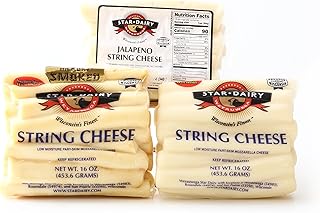
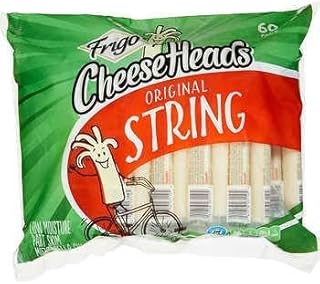
String cheese, a popular snack among both children and adults, varies significantly in calorie content depending on the brand and type. A comparative analysis of several leading brands reveals that the calorie count per stick can range from approximately 60 to 120 calories. This discrepancy is primarily due to differences in ingredients, portion sizes, and manufacturing processes.
For instance, a standard stick of mozzarella string cheese from Brand A contains 80 calories, while a similar product from Brand B has 100 calories. This 20-calorie difference may be attributed to variations in milk fat content, with Brand B using a higher percentage of whole milk. Additionally, some brands offer reduced-fat or low-moisture options, which typically have fewer calories. For example, Brand C's low-moisture mozzarella string cheese contains only 70 calories per stick, making it a more calorie-conscious choice.
Another factor influencing calorie content is the presence of additional ingredients. Some string cheeses are flavored with herbs, spices, or even other cheeses, which can increase the calorie count. For instance, a cheddar-flavored string cheese from Brand D has 110 calories, compared to their plain mozzarella option, which has 90 calories.
When considering the calorie content of string cheese, it is also essential to examine portion sizes. While most brands offer individual sticks, some provide larger, family-sized portions. These larger portions can significantly impact calorie intake if consumed in one sitting. For example, a family-sized stick of mozzarella string cheese from Brand E contains 240 calories, which is equivalent to three standard sticks from the same brand.
In conclusion, the calorie content of string cheese varies widely among different brands and types. Consumers should be mindful of these variations and consider factors such as milk fat content, additional ingredients, and portion sizes when making their selections. By doing so, they can make informed choices that align with their dietary needs and preferences.
Delicious Ham and Cheese Croissant: A Caloric Delight
You may want to see also
Explore related products


Serving Sizes: Calorie differences based on the number of string cheese sticks consumed
String cheese sticks are a popular snack choice, but their calorie content can vary significantly based on the number consumed. On average, a single string cheese stick contains around 80-100 calories. However, this number can quickly add up if multiple sticks are eaten in one sitting. For example, consuming four string cheese sticks would result in approximately 320-400 calories, which is a substantial portion of the recommended daily caloric intake for many individuals.
It's important to consider portion control when snacking on string cheese sticks, as they can be a high-calorie option if not consumed in moderation. One strategy for managing calorie intake is to pair string cheese sticks with other low-calorie snacks, such as fresh fruits or vegetables, to create a more balanced and satisfying snack option. Additionally, being mindful of the nutritional content of other foods consumed throughout the day can help offset the calorie intake from string cheese sticks.
For those looking to reduce their calorie intake, it may be helpful to consider alternative snack options that are lower in calories but still provide a similar level of satisfaction. Some examples include low-fat yogurt, hummus with vegetables, or a small handful of nuts. By making informed choices about snack options, individuals can enjoy the occasional string cheese stick without significantly impacting their overall calorie intake.
In conclusion, while string cheese sticks can be a tasty and convenient snack, it's essential to be aware of their calorie content and to consume them in moderation as part of a balanced diet. By practicing portion control and making mindful snack choices, individuals can enjoy string cheese sticks without compromising their dietary goals.
Savoring Breakfast: The Caloric Delight of Hardee's Bacon, Egg, and Cheese Biscuit
You may want to see also
Explore related products

![Low Moisture Part-Skim Mozzarella String Cheese , Each individually wrapped stick offers a delicious, convenient way to get your daily dose of dairy, made from part-skim milk for a satisfying and wholesome treat. Ideal for lunchboxes, on-the-go snacking, or a protein-packed addition to your favorite meals [ 32 oz , 2 lb ]](https://m.media-amazon.com/images/I/51CnFOHJspL._AC_UL320_.jpg)
![Low Moisture Part-Skim Mozzarella String Cheese , Each individually wrapped stick offers a delicious, convenient way to get your daily dose of dairy, made from part-skim milk for a satisfying and wholesome treat. Ideal for lunchboxes, on-the-go snacking, or a protein-packed addition to your favorite meals [ 32 oz , 2 lb ]](https://m.media-amazon.com/images/I/515Cat0ZCHL._AC_UL320_.jpg)


Dietary Considerations: Analysis of how string cheese fits into various diets (e.g., keto, low-carb, high-protein)
String cheese, with its convenient packaging and appealing texture, has become a popular snack choice for many. However, for those following specific diets, such as keto, low-carb, or high-protein plans, it's essential to understand how string cheese fits into their nutritional goals.
In a keto diet, which emphasizes high-fat, low-carbohydrate intake, string cheese can be a suitable option due to its high-fat content. A typical string cheese stick contains around 6-7 grams of fat, which aligns well with keto dietary requirements. However, it's crucial to monitor portion sizes, as the calorie content can add up quickly.
For individuals on a low-carb diet, string cheese is generally considered a good choice. With approximately 1-2 grams of carbohydrates per stick, it's a low-carb snack that can help maintain blood sugar levels. However, it's important to note that some brands may contain added sugars or artificial sweeteners, which should be avoided.
In a high-protein diet, string cheese can serve as a convenient protein source, with around 6-7 grams of protein per stick. This makes it an excellent option for those looking to increase their protein intake, such as athletes or individuals recovering from surgery. However, it's essential to balance protein intake with other nutrients, as excessive protein consumption can lead to health issues.
When incorporating string cheese into any diet, it's crucial to consider the overall nutritional profile. While it can be a healthy snack option, it's also high in calories and sodium. Therefore, moderation is key, and individuals should aim to balance their string cheese consumption with other nutrient-dense foods.
In conclusion, string cheese can be a versatile snack that fits into various dietary plans, including keto, low-carb, and high-protein diets. However, it's essential to be mindful of portion sizes, monitor for added sugars or artificial sweeteners, and balance intake with other nutritious foods to maintain a well-rounded diet.
Delicious Turkey and Cheese Sandwich: A Caloric Delight
You may want to see also
Explore related products




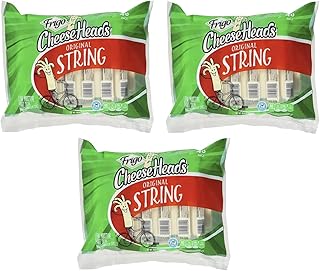
Health Benefits: Potential nutritional benefits of string cheese, such as calcium content and protein quality
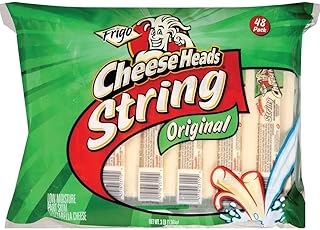
String cheese, a popular snack among both children and adults, offers several nutritional benefits that make it a valuable addition to a balanced diet. One of the primary advantages of string cheese is its high calcium content. Calcium is essential for maintaining strong bones and teeth, and it plays a crucial role in muscle function and nerve transmission. A single stick of string cheese typically provides around 200-250 mg of calcium, which is a significant portion of the daily recommended intake for adults.
In addition to calcium, string cheese is also a good source of protein. Protein is vital for building and repairing tissues, and it helps to maintain muscle mass and strength. The protein found in string cheese is of high quality, containing all nine essential amino acids that the body cannot produce on its own. This makes string cheese an excellent snack option for individuals looking to increase their protein intake, such as athletes or those recovering from injury.
String cheese is also relatively low in calories, making it a suitable choice for those watching their weight. On average, a single stick of string cheese contains around 80-100 calories. This low calorie count, combined with its high protein content, makes string cheese a filling snack that can help to curb hunger and prevent overeating.
Furthermore, string cheese is a good source of several other important nutrients, including vitamin A, vitamin B12, and phosphorus. Vitamin A is essential for maintaining healthy vision and immune function, while vitamin B12 plays a crucial role in red blood cell formation and nerve function. Phosphorus is necessary for bone health and energy production.
When choosing string cheese, it is important to opt for low-fat or reduced-fat varieties to minimize saturated fat intake. Additionally, some string cheese products may contain added sugars or artificial flavors, so it is advisable to check the ingredient list and choose products with minimal additives.
In conclusion, string cheese offers a range of nutritional benefits, including high calcium and protein content, low calorie count, and a good supply of other essential nutrients. By incorporating string cheese into a balanced diet, individuals can enjoy a tasty and nutritious snack that supports overall health and well-being.
Delicious Boursin Cheese: Unveiling Its Caloric Secrets
You may want to see also
Frequently asked questions
A typical string cheese stick contains around 80-100 calories, depending on the brand and size.
String cheese is a good source of protein and calcium, which are essential for muscle and bone health. It also contains vitamins A and B12.
String cheese can be a healthy snack option in moderation due to its protein and calcium content. However, it can also be high in sodium and saturated fat, so it's important to check the nutritional information and choose a low-fat, low-sodium option if possible.
Compared to other popular snacks like chips or cookies, string cheese is generally lower in calories and provides more nutritional benefits. However, it's still important to be mindful of portion sizes and overall dietary balance.


![Whole Milk Low Moisture Mozzarella String Cheese , This mozzarella string cheese is perfect for a quick, satisfying snack. Made with no artificial flavors or colors, these individually wrapped portable cheese snacks can be enjoyed anywhere, anytime. This string cheese is made with whole milk for an extra creamy texture. Each serving contains 90 calories and 7 grams of protein. [ 30 oz , 1.8 lb ] .. 30 ct.](https://m.media-amazon.com/images/I/61xcgIZeAxL._AC_UL320_.jpg)