Randy Chandler
A grilled ham and cheese sandwich is a classic comfort food that combines savory ham with melted cheese, typically served on toasted bread. The calorie content of this sandwich can vary depending on the ingredients and preparation methods used. Factors such as the type of bread, the amount of cheese, and the cut of ham can all influence the overall calorie count. Additionally, the method of grilling, whether it's done with butter or oil, can also impact the calorie content. Understanding these variables can help in estimating the calorie count of a grilled ham and cheese sandwich.
Explore related products


What You'll Learn
- Ingredient Breakdown: Calories from bread, ham, cheese, and condiments
- Cooking Method: Grilling vs. toasting impact on calorie count
- Portion Control: Standard serving size and calorie content
- Nutritional Balance: Macronutrient distribution (carbs, protein, fat)
- Healthier Alternatives: Options to reduce calorie intake while maintaining flavor

Ingredient Breakdown: Calories from bread, ham, cheese, and condiments
To understand the calorie content of a grilled ham and cheese sandwich, it's essential to break down the calories contributed by each ingredient. The bread serves as the foundation, typically providing around 80-100 calories per slice, depending on the type and thickness. Whole wheat bread, for instance, tends to be higher in calories due to its denser texture and additional fiber content.
The ham is another significant contributor to the calorie count. A standard slice of deli ham can range from 25-40 calories, with variations depending on the brand and type of ham. It's worth noting that some hams may be higher in fat and sodium, which can impact the overall nutritional profile of the sandwich.
Cheese, a key component for flavor and texture, also adds to the calorie tally. A slice of cheddar cheese, for example, can contain approximately 70-100 calories. The exact amount depends on the fat content and thickness of the slice. Some cheeses, like Swiss or provolone, may be slightly lower in calories, while others, such as blue cheese or gouda, could be higher.
Condiments, although often used sparingly, can still contribute to the calorie count. Mayonnaise, a common spread, contains about 90 calories per tablespoon. Mustard, on the other hand, is much lower in calories, with only around 3-5 calories per teaspoon. It's important to consider the portion sizes of condiments, as they can quickly add up if not used judiciously.
By examining the calorie content of each ingredient, it becomes clear that a grilled ham and cheese sandwich can vary significantly in its overall calorie count. Making mindful choices about the type and quantity of each ingredient can help tailor the sandwich to fit specific dietary needs and preferences.
Unraveling the Caloric Mystery of Mozzarella String Cheese
You may want to see also
Explore related products

$119.99


Cooking Method: Grilling vs. toasting impact on calorie count
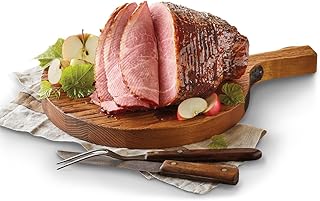
Grilling and toasting are two popular cooking methods that can significantly impact the calorie count of a sandwich. When it comes to a grilled ham and cheese sandwich, the choice between these methods can make a difference in the overall nutritional value. Grilling typically involves cooking the sandwich on a grill or griddle with a small amount of oil or butter, which can add extra calories. On the other hand, toasting involves heating the bread in a toaster or under a broiler without the need for additional fats.
The calorie difference between a grilled and toasted sandwich can vary depending on several factors, including the type of bread, the amount of ham and cheese used, and the cooking method itself. For example, a sandwich made with whole wheat bread, lean ham, and low-fat cheese will generally have fewer calories than one made with white bread, fatty ham, and high-fat cheese. Additionally, the amount of oil or butter used in grilling can greatly affect the calorie count.
To reduce the calorie count of a grilled ham and cheese sandwich, one can opt for healthier ingredients and cooking methods. Using whole grain bread, lean ham, and low-fat cheese can help lower the calorie content. Additionally, grilling the sandwich with minimal oil or using a non-stick grill pan can further reduce the calorie count. Alternatively, toasting the sandwich is a great way to enjoy a warm, crispy meal without adding extra calories from fats.
In conclusion, the choice between grilling and toasting can have a significant impact on the calorie count of a ham and cheese sandwich. By making healthier ingredient choices and using cooking methods that minimize added fats, one can enjoy a delicious sandwich while keeping the calorie count in check.
Decoding Nutrition: The Surprising Calorie Count in American Cheese Slices
You may want to see also
Explore related products


Portion Control: Standard serving size and calorie content
Understanding portion control is crucial when managing calorie intake, especially for foods like grilled ham and cheese sandwiches that can vary widely in their nutritional content. A standard serving size for a sandwich is typically considered to be one sandwich, but this can be misleading without knowing the specific dimensions and ingredients used. For instance, a sandwich made with two slices of bread, a few slices of ham, and a moderate amount of cheese will have a different calorie count compared to one made with three slices of bread, a thicker layer of ham, and extra cheese.
Calorie content in sandwiches can also be influenced by the type of bread used. Whole grain bread generally contains more fiber and nutrients but can also be higher in calories than white bread. Similarly, the type of cheese and ham can significantly impact the calorie count. For example, using a lower-fat cheese like part-skim mozzarella instead of cheddar can reduce the overall calorie content. Opting for a leaner ham or even a plant-based alternative can also lower the calorie and fat content of the sandwich.
To effectively manage portion sizes, it's helpful to use measuring tools or visual cues. For instance, a food scale can provide an exact measurement of the sandwich's weight, which can then be used to estimate its calorie content based on nutritional information. Alternatively, comparing the size of the sandwich to a known reference, such as a standard dinner plate, can help ensure that the portion size is appropriate.
Another strategy for portion control is to be mindful of the accompanying sides and condiments. Adding a side salad or a serving of vegetables can increase the nutritional value of the meal without significantly increasing the calorie content. However, be cautious with high-calorie condiments like mayonnaise or creamy dressings, which can quickly add extra calories to the meal.
In summary, portion control for a grilled ham and cheese sandwich involves considering the specific ingredients and their quantities, using measuring tools or visual cues to ensure appropriate serving sizes, and being mindful of additional sides and condiments that can impact the overall calorie content. By adopting these strategies, individuals can enjoy their favorite sandwiches while maintaining a balanced and healthy diet.
Savoring Breakfast: The Caloric Delight of Sausage and Cheese McMuffin
You may want to see also
Explore related products


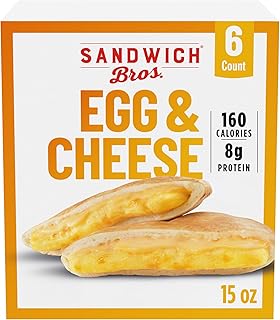


Nutritional Balance: Macronutrient distribution (carbs, protein, fat)
Analyzing the macronutrient distribution of a grilled ham and cheese sandwich reveals a balance that can be both satisfying and nutritious. The sandwich typically contains a significant amount of protein from the ham and cheese, which is essential for muscle repair and growth. Carbohydrates are primarily sourced from the bread, providing energy for the body. Fats, both saturated and unsaturated, are present in the cheese and ham, contributing to satiety and the absorption of fat-soluble vitamins.
To optimize the nutritional balance, consider the following adjustments:
- Choose whole-grain bread to increase fiber intake, which aids in digestion and helps maintain stable blood sugar levels.
- Opt for leaner cuts of ham or turkey to reduce saturated fat consumption.
- Use a moderate amount of cheese to balance the fat and calorie content.
- Add vegetables like lettuce, tomato, or avocado to increase the nutrient density and fiber content of the sandwich.
By making these modifications, you can create a more balanced meal that aligns with your dietary goals while still enjoying the classic taste of a grilled ham and cheese sandwich.
Egg McMuffin with Cheese: Unveiling the Caloric Mystery
You may want to see also
Explore related products


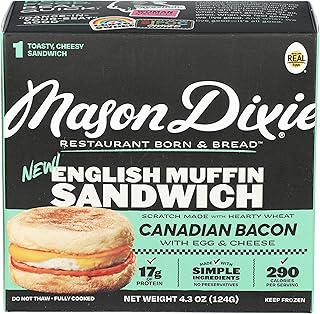
Healthier Alternatives: Options to reduce calorie intake while maintaining flavor
To reduce calorie intake while maintaining flavor in a grilled ham and cheese sandwich, consider using whole grain bread instead of white bread. Whole grain bread is higher in fiber and nutrients, which can help you feel fuller for longer and reduce overall calorie consumption. Additionally, opt for leaner cuts of ham, such as turkey ham or chicken ham, which are lower in fat and calories compared to traditional pork ham.
Another healthier alternative is to use a lower-fat cheese, such as part-skim mozzarella or reduced-fat cheddar. These options still provide the creamy texture and flavor of cheese without the added calories and saturated fat. You can also add vegetables to your sandwich, like lettuce, tomato, and cucumber, to increase the nutrient density and fiber content without significantly increasing the calorie count.
When it comes to condiments, mustard is a great low-calorie option that adds flavor without the added sugar and fat found in mayonnaise or ketchup. If you prefer a bit of sweetness, try using a small amount of honey or agave nectar instead of sugar-laden spreads.
Finally, consider grilling your sandwich using a non-stick pan or a grill pan with a small amount of olive oil or cooking spray. This method allows you to achieve the crispy, grilled texture without adding excessive amounts of butter or oil, which can significantly increase the calorie content of your sandwich.
By making these simple substitutions and adjustments, you can enjoy a delicious grilled ham and cheese sandwich while reducing your calorie intake and improving the overall nutritional value of your meal.
Delicious Turkey and Cheese Sandwich: A Caloric Delight
You may want to see also
Frequently asked questions
The calorie content of a grilled ham and cheese sandwich can vary depending on the ingredients and portion sizes used. On average, a sandwich made with two slices of bread, a slice of ham, and a slice of cheese, grilled with a small amount of butter, can range from 300 to 400 calories.
Several factors can influence the calorie count of a grilled ham and cheese sandwich, including the type and thickness of the bread, the amount and type of cheese, the portion size of the ham, and the amount of butter or oil used for grilling. Opting for whole grain bread, lean ham, and reduced-fat cheese, and using minimal butter or oil can help lower the calorie content.
While a grilled ham and cheese sandwich can be a tasty and satisfying meal, its nutritional value depends on the ingredients chosen. To make it healthier, consider using whole grain bread for added fiber, lean ham to reduce saturated fat intake, and a moderate amount of reduced-fat cheese. Pairing the sandwich with a side of vegetables or a salad can also increase the nutrient density of the meal.
To create a lower-calorie version of a grilled ham and cheese sandwich, you can make several adjustments. Use whole grain bread instead of white bread, choose a leaner cut of ham or turkey, and opt for reduced-fat or part-skim cheese. Additionally, use a non-stick pan or griddle to reduce the need for butter or oil, or lightly spray the pan with cooking spray. These modifications can help reduce the overall calorie content while still maintaining a delicious flavor.