Randy Chandler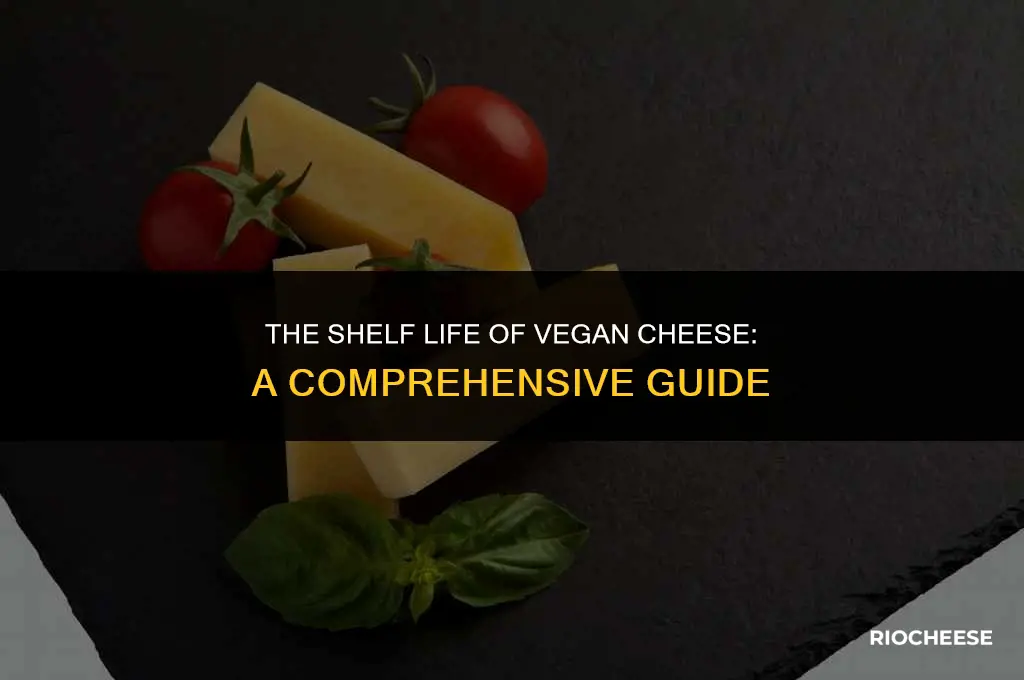
Vegan cheese, a plant-based alternative to traditional dairy cheese, has gained popularity among those following a vegan diet or seeking dairy-free options. One common question among consumers is regarding the shelf life of vegan cheese. The longevity of vegan cheese can vary significantly depending on the type, ingredients, and storage conditions. Generally, unopened vegan cheese can last anywhere from a few weeks to several months when stored properly in the refrigerator. Once opened, it's best to consume vegan cheese within a week to ensure optimal freshness and flavor. Some types of vegan cheese, such as those made from nuts or soy, may have a longer shelf life compared to others made from coconut oil or tapioca starch. Always check the packaging for specific storage instructions and expiration dates to maximize the quality and safety of your vegan cheese.
Explore related products




What You'll Learn
- Storage Conditions: Proper storage techniques to extend the shelf life of vegan cheese
- Type of Vegan Cheese: Different types of vegan cheese and their respective shelf lives
- Expiration Dates: Understanding and interpreting expiration dates on vegan cheese packaging
- Signs of Spoilage: Recognizing signs that indicate vegan cheese has gone bad
- Preservation Methods: Methods to preserve vegan cheese, such as freezing or refrigerating

Storage Conditions: Proper storage techniques to extend the shelf life of vegan cheese
Proper storage is crucial for extending the shelf life of vegan cheese. Unlike dairy cheese, vegan cheese can be more susceptible to spoilage due to its plant-based ingredients. To ensure your vegan cheese stays fresh for as long as possible, follow these storage techniques:
- Refrigeration: Always store vegan cheese in the refrigerator. The ideal temperature range is between 35°F and 40°F (1.6°C and 4.4°C). Keep it in the crisper drawer if possible, as this area maintains higher humidity, which helps prevent the cheese from drying out.
- Air-Tight Containers: Use air-tight containers or plastic wrap to store vegan cheese. This prevents air from reaching the cheese, which can cause it to spoil faster. If you're using plastic wrap, make sure to wrap it tightly around the cheese to remove as much air as possible.
- Avoid Cross-Contamination: Store vegan cheese away from strong-smelling foods, as it can absorb odors easily. Also, keep it separate from raw meats and dairy products to prevent cross-contamination.
- Freeze for Long-Term Storage: If you don't plan to use the vegan cheese within a week or two, consider freezing it. Wrap it tightly in plastic wrap or aluminum foil and place it in a freezer-safe bag. Frozen vegan cheese can last for up to three months. When you're ready to use it, thaw it in the refrigerator overnight.
- Check Expiration Dates: Always check the expiration date on the packaging before consuming vegan cheese. Even if it looks and smells fine, it's best to err on the side of caution and discard any cheese that's past its expiration date.
By following these storage techniques, you can help extend the shelf life of your vegan cheese and enjoy it for a longer period. Remember, proper storage not only keeps your cheese fresh but also helps maintain its flavor and texture.
Understanding Babybel Cheese: Shelf Life Without Refrigeration
You may want to see also
Explore related products


Type of Vegan Cheese: Different types of vegan cheese and their respective shelf lives
Vegan cheese, a plant-based alternative to traditional dairy cheese, comes in various types, each with its own unique characteristics and shelf life. Understanding the different types of vegan cheese and how long they last can help consumers make informed choices and ensure they enjoy their purchases before they spoil.
One common type of vegan cheese is soy-based cheese. Made from soybeans, this cheese is known for its firm texture and mild flavor. Soy-based cheese typically has a shelf life of about 2-3 weeks when refrigerated properly. Another popular option is almond-based cheese, which is made from almonds and often has a creamy texture and nutty flavor. Almond-based cheese can last up to 4-6 weeks in the refrigerator.
Cashew-based cheese is another variety that has gained popularity. This cheese is made from cashews and is prized for its smooth, spreadable consistency and rich flavor. Cashew-based cheese generally has a shelf life of about 3-5 weeks when stored in the refrigerator. Coconut oil-based cheese is a newer addition to the vegan cheese market. It is made from coconut oil and often has a firm texture and mild flavor. This type of cheese can last up to 6-8 weeks in the refrigerator.
In addition to these common types, there are also more specialized vegan cheeses, such as those made from nutritional yeast, miso, or even beer. These cheeses can have varying shelf lives, so it's important to check the packaging for specific storage instructions. Proper storage is key to extending the shelf life of any vegan cheese. It's important to keep vegan cheese refrigerated in an airtight container to prevent it from drying out or absorbing odors from other foods.
In conclusion, the shelf life of vegan cheese varies depending on the type and ingredients used. By understanding the different types of vegan cheese and their respective shelf lives, consumers can make informed choices and enjoy their plant-based cheese alternatives for as long as possible.
The Shelf Life of Unopened Boursin Cheese: A Comprehensive Guide
You may want to see also
Explore related products


Expiration Dates: Understanding and interpreting expiration dates on vegan cheese packaging
Vegan cheese packaging often includes expiration dates that can be confusing to interpret. These dates are crucial for ensuring the product's safety and quality, but they can vary significantly depending on the brand and type of cheese. For instance, some vegan cheeses may have a "best by" date, while others might have a "sell by" or "use by" date. Understanding the difference between these labels is essential for consumers to make informed decisions about the product's freshness and edibility.
The "best by" date typically indicates the date by which the product is expected to retain its optimal quality and flavor. After this date, the cheese may still be safe to eat but might not taste as good. On the other hand, the "sell by" date is usually set by the manufacturer to inform retailers when the product should be sold by to ensure it reaches consumers before it spoils. The "use by" date is a more stringent guideline, suggesting that the product should not be consumed after this date due to potential safety concerns.
To interpret expiration dates accurately, consumers should first check the packaging for any specific instructions or definitions provided by the manufacturer. If the packaging does not offer clear guidance, it is generally recommended to err on the side of caution and discard the product if it is past the stated date. Additionally, consumers should pay attention to the storage conditions specified on the packaging, as improper storage can affect the product's shelf life and safety.
In some cases, vegan cheese may not have an expiration date at all. This is often the case with artisanal or homemade vegan cheeses, which may rely on traditional preservation methods rather than artificial additives. In these instances, consumers should use their judgment to assess the product's freshness and quality, looking for signs of spoilage such as mold, off-odors, or changes in texture.
Overall, understanding and interpreting expiration dates on vegan cheese packaging is crucial for ensuring the product's safety and quality. By paying attention to the specific labels and guidelines provided by the manufacturer, consumers can make informed decisions about when to consume or discard the product, ultimately reducing the risk of foodborne illness and waste.
The Shelf Life of Raclette Cheese: A Comprehensive Guide
You may want to see also
Explore related products




Signs of Spoilage: Recognizing signs that indicate vegan cheese has gone bad
Vegan cheese, like any perishable food, can spoil over time, and recognizing the signs of spoilage is crucial to ensure food safety and quality. One of the primary indicators that vegan cheese has gone bad is an off smell. Fresh vegan cheese typically has a mild, pleasant aroma, but spoiled cheese may emit a strong, unpleasant odor, often described as sour or ammonia-like. This change in smell is usually due to the growth of harmful bacteria or mold, which can produce volatile compounds that contribute to the off odor.
Another sign of spoilage in vegan cheese is a change in texture. While the texture of vegan cheese can vary depending on the brand and type, it should generally be smooth and consistent. Spoiled vegan cheese may become slimy, crumbly, or develop a hard, rubbery texture. These changes are often caused by the breakdown of the cheese's structure due to enzymatic activity or the growth of microorganisms.
Visual cues can also indicate that vegan cheese has gone bad. Fresh vegan cheese should have a uniform color, but spoiled cheese may develop discoloration, such as green, blue, or black spots. These spots are typically caused by the growth of mold, which can produce pigments that give the cheese an off appearance. In some cases, the cheese may also develop a fuzzy or powdery surface, which is another indication of mold growth.
In addition to these signs, spoiled vegan cheese may also exhibit a change in taste. While fresh vegan cheese should have a pleasant, savory flavor, spoiled cheese may taste sour, bitter, or metallic. This change in taste is often due to the production of harmful compounds by bacteria or mold, which can alter the cheese's flavor profile.
To prevent the consumption of spoiled vegan cheese, it is essential to store it properly and check for signs of spoilage regularly. Vegan cheese should be stored in the refrigerator at a temperature below 40°F (4°C) and should be consumed within a few weeks of opening. If any signs of spoilage are detected, the cheese should be discarded immediately to avoid potential health risks.
The Surprising Truth About Cheese Stick Lengths Revealed
You may want to see also
Explore related products


Preservation Methods: Methods to preserve vegan cheese, such as freezing or refrigerating
Vegan cheese, like its dairy counterpart, requires proper storage to maintain its quality and extend its shelf life. One of the most effective methods of preserving vegan cheese is freezing. This technique is particularly useful for hard and semi-hard vegan cheeses, which can be grated or sliced before freezing to make them easier to use later. To freeze vegan cheese, wrap it tightly in plastic wrap or aluminum foil to prevent freezer burn, then place it in an airtight container or freezer bag. Frozen vegan cheese can last for up to 6 months, but it's best to use it within 3 months for optimal flavor and texture.
Refrigerating is another common method for preserving vegan cheese, especially for softer varieties that may not freeze well. Most vegan cheeses should be stored in the refrigerator in their original packaging or in an airtight container to prevent them from drying out or absorbing odors from other foods. The ideal temperature for storing vegan cheese is between 35°F and 40°F (1.6°C and 4.4°C). Properly refrigerated vegan cheese can last for several weeks to a few months, depending on the type and how it's stored.
In addition to freezing and refrigerating, some vegan cheeses can be preserved through aging or fermenting. This process involves allowing the cheese to sit at room temperature for a certain period, which can help to develop its flavor and texture. However, aging vegan cheese requires careful monitoring to prevent spoilage, and it's not suitable for all types of vegan cheese.
When preserving vegan cheese, it's important to consider the type of cheese and its specific storage requirements. Some vegan cheeses may have unique preservation needs based on their ingredients and production methods. Always check the packaging for storage instructions, and when in doubt, consult the manufacturer's website or contact them directly for guidance.
Proper preservation of vegan cheese not only extends its shelf life but also helps to maintain its nutritional value and taste. By following these methods, you can enjoy your vegan cheese for a longer period and reduce food waste.
The Shelf Life of Blue Cheese Dressing: A Comprehensive Guide
You may want to see also
Frequently asked questions
When stored properly in the refrigerator, vegan cheese can last anywhere from 2 to 8 weeks, depending on the type and brand. It's important to check the packaging for specific storage instructions and expiration dates.
Yes, vegan cheese can be frozen to extend its shelf life. Most types of vegan cheese can be stored in the freezer for up to 3 months. However, the texture and flavor may change slightly upon thawing.
Some signs that vegan cheese has gone bad include an off smell, slimy or moldy appearance, and a change in texture or color. If you notice any of these signs, it's best to discard the cheese to avoid potential foodborne illness.