Randy Chandler
Blue cheese dressing, a popular condiment known for its tangy and pungent flavor, is often used to enhance salads, wings, and other dishes. But how long does this dressing last? The shelf life of blue cheese dressing can vary depending on several factors, including its ingredients, preparation method, and storage conditions. Typically, store-bought blue cheese dressing can last for about 1 to 2 months when refrigerated properly. However, homemade versions may have a shorter shelf life due to the use of fresh ingredients and the absence of preservatives. It's important to note that the dressing should be stored in an airtight container in the refrigerator to maintain its quality and prevent spoilage. Always check for signs of mold, discoloration, or an off smell before consuming any dressing, as these are indicators that it may have gone bad.
Explore related products


What You'll Learn
- Storage Conditions: Proper storage methods to extend the shelf life of blue cheese dressing
- Expiration Dates: Understanding and interpreting expiration dates on blue cheese dressing packaging
- Signs of Spoilage: Identifying visual and olfactory indicators that blue cheese dressing has gone bad
- Health Risks: Potential health risks associated with consuming expired blue cheese dressing
- Preservation Tips: Tips and tricks to keep blue cheese dressing fresh for a longer period

Storage Conditions: Proper storage methods to extend the shelf life of blue cheese dressing
To maximize the shelf life of blue cheese dressing, it's crucial to store it under the right conditions. The ideal storage temperature for blue cheese dressing is between 35°F and 40°F (1.6°C and 4.4°C). This temperature range slows down the growth of bacteria and mold, which can spoil the dressing. If you're planning to consume the dressing within a week, you can store it in the refrigerator door, where the temperature is slightly warmer. However, for longer storage, it's best to place the dressing in the coldest part of the refrigerator, usually the back of the bottom shelf.
In addition to temperature, it's important to consider the dressing's exposure to air. Blue cheese dressing should be stored in an airtight container to prevent oxidation and the growth of bacteria. If the dressing comes in a plastic bottle, make sure to close the cap tightly after each use. If you're storing the dressing in a glass jar, use a lid that creates an airtight seal. You can also wrap the jar with plastic wrap or aluminum foil to further protect it from air exposure.
Light can also affect the quality of blue cheese dressing. Exposure to light can cause the dressing to become rancid and develop an unpleasant flavor. To protect the dressing from light, store it in a dark place, such as a pantry or cupboard, if possible. If you must store the dressing in the refrigerator door, make sure it's not exposed to direct light from the refrigerator's interior light.
When it comes to storage duration, blue cheese dressing can last up to 6 months when stored properly in the refrigerator. However, it's important to check the dressing regularly for signs of spoilage, such as mold, sliminess, or an off smell. If you notice any of these signs, it's best to discard the dressing to avoid foodborne illness.
In summary, proper storage of blue cheese dressing involves keeping it at a consistent temperature between 35°F and 40°F, protecting it from air exposure, and shielding it from light. By following these storage guidelines, you can extend the shelf life of your blue cheese dressing and enjoy it for up to 6 months.
The Shelf Life of Cheese Sticks: A Comprehensive Guide
You may want to see also
Explore related products


Expiration Dates: Understanding and interpreting expiration dates on blue cheese dressing packaging
Expiration dates on blue cheese dressing packaging can be confusing. While they provide a guideline for freshness, they don't necessarily indicate when the dressing will spoil. The date printed on the package is usually the manufacturer's suggestion for optimal quality, not a strict deadline for consumption.
To understand expiration dates, it's essential to know the difference between "use by," "best by," and "sell by" labels. "Use by" dates are typically found on perishable items like dairy products and indicate the last day the product is expected to maintain its quality and safety. "Best by" dates, on the other hand, suggest the date by which the product will retain its peak flavor and texture. "Sell by" dates are used by retailers to manage inventory and indicate the last day the product should be sold.
When it comes to blue cheese dressing, the expiration date is usually determined by the manufacturer based on factors like the production date, storage conditions, and the expected shelf life of the ingredients. However, this date doesn't account for how the dressing is stored after purchase. If stored properly in the refrigerator at a temperature below 40°F (4°C), blue cheese dressing can last for several weeks past the expiration date.
It's important to note that expiration dates are not regulated by the FDA, and manufacturers have different standards for determining these dates. Some may use a more conservative approach, while others may extend the shelf life to reduce waste. As a consumer, it's crucial to use your judgment when deciding whether to consume a product past its expiration date.
To ensure the freshness and safety of blue cheese dressing, it's recommended to check the packaging for any signs of spoilage, such as mold, sliminess, or an off smell. If the dressing appears to be in good condition and has been stored properly, it's likely safe to consume it within a reasonable timeframe after the expiration date. However, if you're unsure or if the dressing has been left at room temperature for an extended period, it's best to err on the side of caution and discard it.
The Shelf Life of Deli Cheese: A Comprehensive Guide
You may want to see also
Explore related products


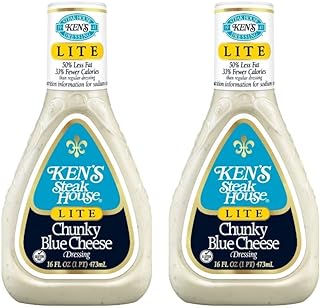


Signs of Spoilage: Identifying visual and olfactory indicators that blue cheese dressing has gone bad
Blue cheese dressing, like many dairy products, has a limited shelf life and can spoil if not stored properly. One of the first signs of spoilage is a change in color. Fresh blue cheese dressing should have a consistent, creamy white color with blue-green veins of mold. If you notice any discoloration, such as yellowing or browning, it's a good indication that the dressing has started to go bad.
Another visual indicator of spoilage is the presence of chunks or curdling in the dressing. Blue cheese dressing should have a smooth, uniform texture. If you see any lumps or curds, it's a sign that the emulsion has broken down, and the dressing is no longer fresh.
In addition to visual cues, olfactory indicators can also alert you to spoilage. Fresh blue cheese dressing should have a strong, pungent aroma characteristic of blue cheese. If the smell is weaker than usual or has a sour, unpleasant odor, it's likely that the dressing has gone bad.
It's important to note that the signs of spoilage in blue cheese dressing can be subtle, and it's always better to err on the side of caution. If you're unsure whether the dressing is still good, it's best to discard it to avoid any potential health risks. Proper storage can help extend the shelf life of blue cheese dressing, so be sure to keep it refrigerated in a sealed container and consume it within the recommended timeframe.
The Shelf Life of Waxed Cheese: A Guide to Unrefrigerated Storage
You may want to see also
Explore related products



Health Risks: Potential health risks associated with consuming expired blue cheese dressing
Consuming expired blue cheese dressing can pose several health risks. One of the primary concerns is the growth of harmful bacteria, such as Listeria monocytogenes, which can occur when the dressing is stored beyond its recommended shelf life. This bacterium is particularly dangerous for pregnant women, as it can lead to miscarriage, stillbirth, or severe illness in newborns. Additionally, expired blue cheese dressing may develop mold, which can produce mycotoxins—toxic compounds that can cause a range of health issues, from allergic reactions to more severe conditions like respiratory problems or even cancer.
Another risk associated with consuming expired blue cheese dressing is foodborne illness. Symptoms can include nausea, vomiting, diarrhea, abdominal cramps, and fever. These symptoms can be particularly severe in individuals with weakened immune systems, such as the elderly, young children, or those with chronic health conditions. It is important to note that even if the dressing does not show visible signs of spoilage, such as mold or an off odor, it can still harbor harmful bacteria that can cause illness.
To minimize these risks, it is crucial to adhere to the recommended storage guidelines for blue cheese dressing. Typically, unopened blue cheese dressing can last for about 6 to 8 months in the refrigerator, while opened dressing should be consumed within 1 to 2 months. Always check the expiration date on the packaging and discard any dressing that has passed this date. Additionally, it is important to store the dressing at the proper temperature—below 40°F (4°C)—to slow the growth of bacteria.
In summary, consuming expired blue cheese dressing can lead to serious health risks, including bacterial infections, mold-related illnesses, and foodborne sickness. By following proper storage guidelines and being vigilant about expiration dates, individuals can significantly reduce their risk of experiencing these health issues.
Savoring Flavor: The Shelf Life of Blue Cheese Stuffed Olives
You may want to see also
Explore related products


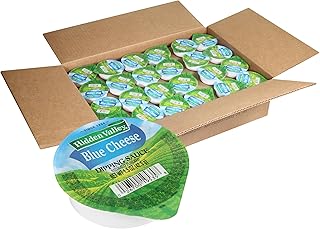

Preservation Tips: Tips and tricks to keep blue cheese dressing fresh for a longer period
To keep blue cheese dressing fresh for an extended period, it's essential to understand the factors that contribute to its spoilage. Blue cheese dressing is susceptible to bacterial growth and oxidation, which can lead to an unpleasant taste and texture. By following these preservation tips, you can enjoy your blue cheese dressing for a longer time.
Firstly, always store blue cheese dressing in an airtight container. This will help prevent bacteria from entering and reduce the risk of oxidation. If you've purchased the dressing in a plastic container, make sure to seal it tightly after each use. For added protection, you can transfer the dressing to a glass jar with a screw-top lid, which provides an even better seal.
Secondly, keep the dressing refrigerated at all times. Blue cheese dressing should be stored at a temperature between 35°F and 40°F (1.6°C and 4.4°C). Avoid storing it in the door of the refrigerator, as this area is subject to more temperature fluctuations. Instead, place it in the main compartment of the fridge, where the temperature is more consistent.
Thirdly, try to minimize the amount of air that comes into contact with the dressing. When you're using the dressing, pour out only the amount you need and then seal the container immediately. If you've opened the container and used only a small amount, consider covering the surface of the dressing with plastic wrap before sealing the container. This will help reduce the amount of air that comes into contact with the dressing and slow down the oxidation process.
Fourthly, be mindful of the expiration date. Blue cheese dressing typically lasts for about 3 to 4 weeks after opening. If you notice any signs of spoilage, such as an off smell, discoloration, or the presence of mold, discard the dressing immediately. It's better to be safe than sorry when it comes to food safety.
Lastly, consider making your own blue cheese dressing at home. This way, you can control the ingredients and the storage conditions from the start. Homemade blue cheese dressing can be made with a variety of ingredients, such as mayonnaise, sour cream, blue cheese crumbles, garlic, and herbs. By making your own dressing, you can ensure that it's fresh and free from preservatives.
By following these preservation tips, you can keep your blue cheese dressing fresh for a longer period and enjoy its delicious taste and creamy texture. Remember to always store it properly, minimize air exposure, and be mindful of the expiration date. With these tips, you can make the most of your blue cheese dressing and reduce food waste.
The Aging Process of Swiss Cheese: A Comprehensive Guide
You may want to see also
Frequently asked questions
When stored properly in the refrigerator, blue cheese dressing typically lasts for about 1 to 2 months. Always check the expiration date on the container and look for any signs of spoilage before consuming.
Yes, blue cheese dressing can be frozen to extend its shelf life. It can be stored in the freezer for up to 3 months. However, the texture may change slightly upon thawing, becoming more crumbly.
Signs that blue cheese dressing has gone bad include an off smell, discoloration, mold growth, or a change in texture. If the dressing appears to be separating or has developed an unpleasant odor, it's best to discard it.