Patrick Oconnell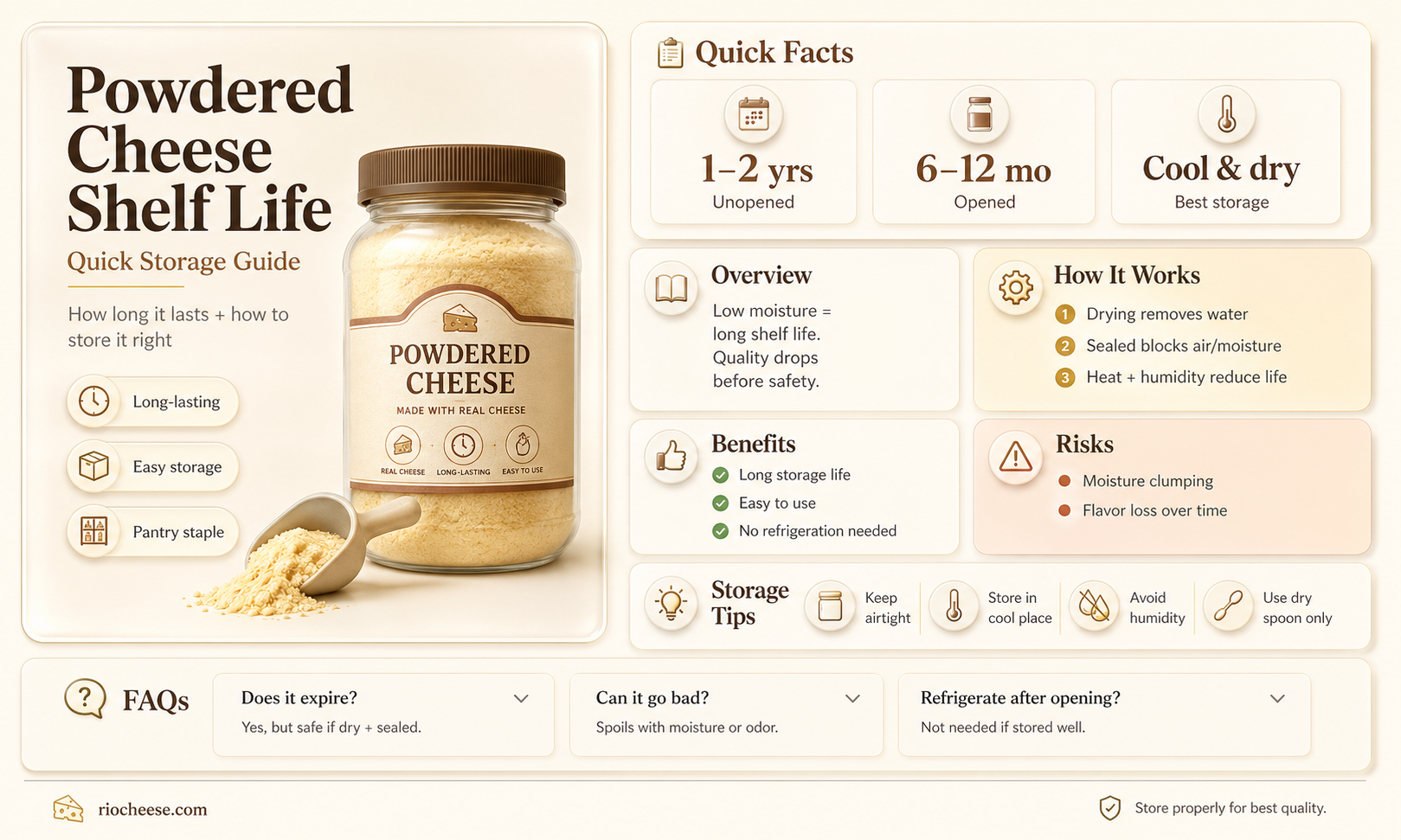
Powdered cheese, a convenient and versatile ingredient, has a shelf life that can vary depending on several factors. Understanding how long powdered cheese lasts is essential for maintaining its quality and ensuring food safety. Generally, powdered cheese can last for several months when stored properly, but its longevity can be influenced by the type of cheese, packaging, and storage conditions. In this guide, we'll delve into the specifics of powdered cheese shelf life, exploring the various elements that can impact its duration and providing tips on how to store it effectively to maximize its freshness.
Explore related products


What You'll Learn
- Storage Conditions: Proper storage is key to extending the shelf life of powdered cheese. Keep it in a cool, dry place
- Expiration Dates: Check the packaging for expiration or best by dates. Powdered cheese typically lasts 1-2 years
- Signs of Spoilage: Look for discoloration, unusual odors, or clumping. If you notice any, discard the cheese
- Reconstitution Tips: To use powdered cheese, mix it with milk or water according to package instructions
- Nutritional Information: Powdered cheese is often high in sodium and fat. Use it in moderation as part of a balanced diet

Storage Conditions: Proper storage is key to extending the shelf life of powdered cheese. Keep it in a cool, dry place
Proper storage is crucial for maximizing the shelf life of powdered cheese. To ensure that your powdered cheese remains fresh and flavorful for as long as possible, it's essential to store it in a cool, dry place. This means avoiding areas that are prone to moisture, such as near sinks or in humid climates, as well as places that are exposed to direct sunlight or heat sources.
When storing powdered cheese, it's also important to keep it in an airtight container. This will help to prevent air and moisture from entering the container and spoiling the cheese. If you don't have an airtight container, you can use a zip-top plastic bag or a glass jar with a tight-fitting lid. Just be sure to press out as much air as possible before sealing the container.
Another key factor in proper storage is temperature control. Powdered cheese should be stored at a temperature between 50°F and 70°F (10°C and 21°C). Storing it at temperatures outside of this range can cause the cheese to degrade more quickly. If you live in a warm climate, you may want to consider storing your powdered cheese in the refrigerator to keep it cool and fresh.
In addition to these general storage guidelines, there are a few other practical tips to keep in mind. First, always check the expiration date on the packaging before using the cheese. Even if you've stored it properly, powdered cheese can still go bad over time. Second, if you notice any signs of spoilage, such as mold or an off odor, discard the cheese immediately. Finally, try to use the cheese within a reasonable timeframe. While powdered cheese can last for several months when stored properly, it's best to use it within 3-6 months for optimal flavor and quality.
By following these storage guidelines and practical tips, you can help to extend the shelf life of your powdered cheese and ensure that it remains a delicious and convenient addition to your meals.
The Shelf Life of Unopened Boursin Cheese: A Comprehensive Guide
You may want to see also
Explore related products


Expiration Dates: Check the packaging for expiration or best by dates. Powdered cheese typically lasts 1-2 years
Powdered cheese, like many dried food products, comes with a shelf life that's crucial to maintaining its quality and safety. The packaging of powdered cheese typically includes an expiration date or a "best by" date, which serves as a guideline for consumers to ensure they're using the product within its optimal period. This date is determined by the manufacturer based on various factors, including the production process, ingredients used, and storage conditions.
The typical shelf life of powdered cheese is around 1 to 2 years from the date of production. This timeframe allows for the product to retain its flavor, texture, and nutritional value. However, it's important to note that this is not a hard and fast rule, and the actual shelf life can vary depending on the specific brand and type of powdered cheese.
To ensure you're getting the most out of your powdered cheese, it's essential to store it properly. Keep it in a cool, dry place away from direct sunlight and moisture. Using airtight containers or resealable bags can also help to extend its shelf life by preventing exposure to air, which can lead to spoilage.
Once the expiration date has passed, it doesn't necessarily mean that the powdered cheese is unsafe to consume. However, its quality may start to decline, and it may not taste as good or provide the same nutritional benefits. If you're unsure about the safety of expired powdered cheese, it's best to err on the side of caution and discard it.
In summary, checking the expiration date on powdered cheese packaging is a simple yet effective way to ensure you're using the product within its optimal period. By understanding the shelf life and proper storage methods, you can enjoy your powdered cheese for a longer time while maintaining its quality and safety.
Microwaving Yak Cheese: A Quick Guide to Perfect Melty Goodness
You may want to see also
Explore related products




Signs of Spoilage: Look for discoloration, unusual odors, or clumping. If you notice any, discard the cheese
Powdered cheese, like many dairy products, is susceptible to spoilage over time. One of the most reliable indicators of spoilage is discoloration. Fresh powdered cheese should have a consistent, creamy color. If you notice any dark spots, yellowish hues, or other unusual color changes, it's a sign that the cheese may have gone bad.
Another key indicator is the presence of unusual odors. Powdered cheese should have a mild, cheesy smell. If it emits a strong, pungent, or sour odor, it's likely that bacteria have begun to grow, and the cheese is no longer safe to consume.
Clumping is also a common sign of spoilage in powdered cheese. When the cheese is fresh, it should have a fine, powdery texture. If it starts to clump together or form hard lumps, it's a sign that moisture has been absorbed, and the cheese is beginning to spoil.
If you notice any of these signs – discoloration, unusual odors, or clumping – it's important to discard the cheese immediately. Consuming spoiled cheese can lead to foodborne illnesses, which can be serious, especially for young children, the elderly, and people with weakened immune systems.
To prevent spoilage, it's crucial to store powdered cheese properly. Keep it in a cool, dry place, away from direct sunlight and heat sources. Make sure the container is tightly sealed to prevent moisture from entering. By following these storage guidelines and regularly checking for signs of spoilage, you can help ensure that your powdered cheese remains safe and enjoyable to eat.
Savoring Flavor: The Shelf Life of Blue Cheese Stuffed Olives
You may want to see also
Explore related products



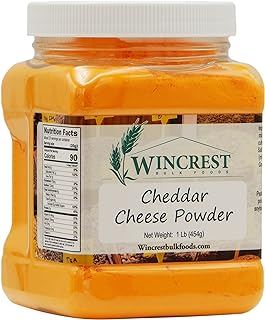
Reconstitution Tips: To use powdered cheese, mix it with milk or water according to package instructions
Powdered cheese, a convenient and long-lasting dairy product, can be reconstituted by mixing it with milk or water. This process not only rehydrates the cheese but also helps to restore its flavor and texture. To achieve the best results, it's essential to follow the package instructions carefully, as different brands may have specific reconstitution ratios and methods.
When reconstituting powdered cheese, it's important to consider the desired consistency and flavor intensity. For a richer taste and creamier texture, whole milk is often recommended. However, for those looking to reduce fat content or for individuals who are lactose intolerant, water can be used as an alternative. In either case, the reconstitution process typically involves whisking the powdered cheese with the liquid until it reaches a smooth, lump-free consistency.
One common mistake to avoid when reconstituting powdered cheese is overheating the mixture. Excessive heat can cause the cheese proteins to denature, resulting in a grainy or rubbery texture. To prevent this, it's best to mix the cheese and liquid at room temperature or gently heat the mixture over low heat, stirring constantly until the desired consistency is achieved.
For optimal flavor and texture, reconstituted powdered cheese should be used promptly. While it can be stored in the refrigerator for a short period, it's best to consume it within a day or two to ensure the best quality. When storing reconstituted cheese, it's important to cover it tightly to prevent it from drying out or absorbing odors from other foods in the refrigerator.
In summary, reconstituting powdered cheese is a simple process that can be customized to suit individual preferences and dietary needs. By following the package instructions and considering factors such as desired consistency and flavor intensity, it's possible to achieve a delicious and satisfying cheese product that can be used in a variety of recipes.
Preserving Perfection: The Art of Waxing Cheese for Long-Term Storage
You may want to see also
Explore related products


Nutritional Information: Powdered cheese is often high in sodium and fat. Use it in moderation as part of a balanced diet
Powdered cheese, while a convenient and tasty addition to many dishes, is often high in sodium and fat. This nutritional profile means it should be used sparingly as part of a balanced diet. Excessive sodium intake can lead to high blood pressure and other cardiovascular issues, while high fat content, particularly saturated fat, can contribute to weight gain and increased cholesterol levels.
When incorporating powdered cheese into your meals, it's important to be mindful of portion sizes. A single serving of powdered cheese can contain as much sodium as several slices of fresh cheese. Additionally, powdered cheese can be calorie-dense, so it's crucial to consider its impact on your overall daily caloric intake.
To use powdered cheese in moderation, consider these practical tips:
- Measure out the amount you need rather than using it freely.
- Choose lower-sodium and lower-fat varieties when possible.
- Balance your diet with plenty of fruits, vegetables, whole grains, and lean proteins to offset the less healthy aspects of powdered cheese.
It's also worth noting that powdered cheese can be a useful tool for those looking to reduce their lactose intake, as it often contains less lactose than fresh cheese. However, individuals with lactose intolerance should still consume it cautiously and in small amounts to avoid discomfort.
In summary, while powdered cheese can be a flavorful and convenient ingredient, its high sodium and fat content necessitates moderation. By being mindful of portion sizes and balancing your diet, you can enjoy powdered cheese without compromising your health goals.
Frequently asked questions
Powdered cheese can last for up to 12 months when stored in a cool, dry place in an airtight container.
Signs that powdered cheese has gone bad include an off smell, discoloration, or the presence of lumps. If you notice any of these signs, it's best to discard the powdered cheese.
Refrigerating or freezing powdered cheese can help extend its shelf life. When refrigerated, powdered cheese can last for up to 18 months, while freezing can extend its shelf life to up to 24 months.