Frederic Melton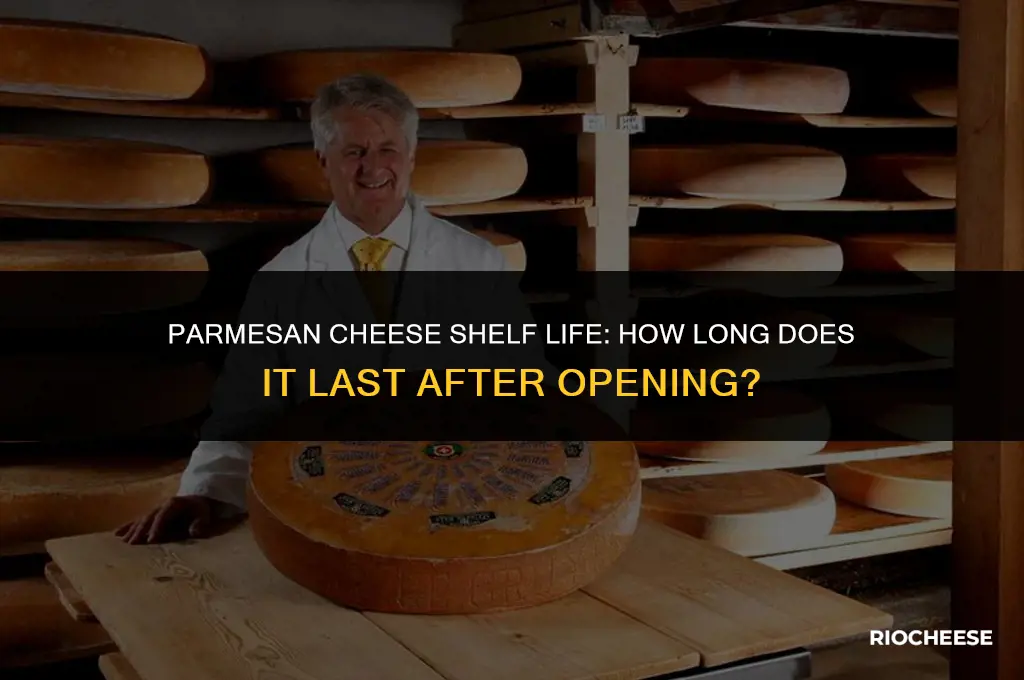
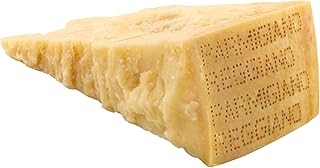
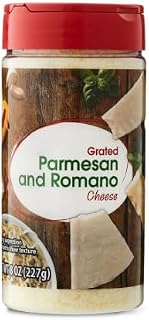
Parmesan cheese, known for its rich flavor and versatility in cooking, is a staple in many kitchens. However, once opened, its longevity can be a concern for consumers. The shelf life of Parmesan cheese after opening depends on various factors, including the type of Parmesan, storage conditions, and whether it's grated or in a block form. Generally, a block of Parmesan cheese can last up to 6 months when stored properly in the refrigerator, while grated Parmesan may last slightly less due to increased exposure to air. Proper storage is crucial to maintaining its quality and preventing spoilage.
Explore related products


What You'll Learn
- Storage Conditions: Proper storage methods to extend Parmesan cheese's shelf life after opening
- Expiration Dates: Understanding and interpreting expiration dates on Parmesan cheese packaging
- Signs of Spoilage: Identifying visual and olfactory indicators that Parmesan cheese has gone bad
- Freezing Parmesan: Guidelines on freezing Parmesan cheese to prolong its freshness
- Health Risks: Potential health risks associated with consuming expired or improperly stored Parmesan cheese

Storage Conditions: Proper storage methods to extend Parmesan cheese's shelf life after opening
Parmesan cheese, once opened, can last for several months if stored properly. The key to extending its shelf life lies in creating an environment that minimizes moisture and exposure to air. Here are some effective storage methods:
- Refrigeration: Store the opened Parmesan cheese in the refrigerator, ideally in the crisper drawer where the humidity is higher. This will help to prevent the cheese from drying out too quickly. Wrap the cheese tightly in plastic wrap or aluminum foil to create a barrier against air and moisture.
- Cheese Container: If you have a cheese container with a built-in humidifier, use it to store the Parmesan cheese. These containers are designed to maintain the optimal humidity level for cheese storage, which can significantly extend its shelf life.
- Paper Bag Method: Place the wrapped Parmesan cheese in a paper bag and store it in the refrigerator. The paper bag will absorb any excess moisture, helping to keep the cheese dry and fresh.
- Vacuum Sealing: If you have a vacuum sealer, use it to seal the Parmesan cheese in an airtight bag. This method removes all air from the bag, creating a vacuum that prevents the growth of bacteria and mold.
- Freezing: For long-term storage, you can freeze the Parmesan cheese. Wrap it tightly in plastic wrap or aluminum foil, then place it in a freezer-safe bag. Frozen Parmesan cheese can last for up to 6 months. When you're ready to use it, thaw it in the refrigerator overnight.
Remember, the key to extending the shelf life of Parmesan cheese is to minimize its exposure to air and moisture. By following these storage methods, you can enjoy your Parmesan cheese for months after opening.
The Shelf Life of Babybel Cheese: A Comprehensive Guide
You may want to see also
Explore related products



Expiration Dates: Understanding and interpreting expiration dates on Parmesan cheese packaging
Parmesan cheese, a staple in many kitchens, comes with an expiration date that can sometimes be confusing to interpret. This date is crucial for ensuring the cheese's quality and safety. Typically, Parmesan cheese has a long shelf life, often lasting up to a year or more when unopened. However, once opened, the clock starts ticking, and it's essential to understand what the expiration date on the packaging means.
The expiration date on Parmesan cheese packaging usually indicates the last date the cheese is guaranteed to be at its peak quality. This doesn't necessarily mean the cheese will spoil immediately after this date, but its flavor, texture, and nutritional value may start to decline. Factors such as storage conditions, exposure to air, and handling can significantly impact how quickly the cheese deteriorates after opening.
To interpret the expiration date correctly, it's important to note whether the date is a "sell-by," "use-by," or "best-before" date. A "sell-by" date is typically used by retailers to indicate how long they should keep the product on the shelf. A "use-by" date is a stricter guideline, suggesting that the product should be consumed by that date for optimal quality and safety. A "best-before" date is more common in Europe and indicates the date until which the product is expected to retain its full flavor and quality.
In the case of Parmesan cheese, if stored properly in a cool, dry place and tightly sealed, it can often last several months past the expiration date without significant loss of quality. However, it's always best to use your judgment and inspect the cheese for any signs of spoilage, such as mold, strong odors, or changes in texture, before consuming it.
Understanding and interpreting expiration dates on Parmesan cheese packaging is key to enjoying this delicious and versatile cheese while ensuring food safety. By paying attention to these dates and storing the cheese properly, you can maximize its shelf life and savor its rich flavor for as long as possible.
Mastering the Art of Cold Smoking Cheese: A Time-Honored Guide
You may want to see also
Explore related products


Signs of Spoilage: Identifying visual and olfactory indicators that Parmesan cheese has gone bad
Parmesan cheese, known for its hard texture and rich flavor, can last quite a long time when stored properly. However, even this durable cheese can spoil if not kept under the right conditions. The key to identifying whether Parmesan has gone bad lies in recognizing specific visual and olfactory signs.
Visually, spoiled Parmesan cheese may exhibit mold growth, which can appear as green, white, or black spots on the surface. The cheese may also develop a slimy texture, particularly if it has been exposed to excessive moisture. In some cases, the cheese might show signs of drying out, such as cracks or a crumbly texture, which can indicate that it has been stored for too long or in an environment that is too dry.
Olfactorily, the smell of spoiled Parmesan cheese can be quite distinct. A sharp, pungent odor that is stronger than the cheese's natural aroma is a clear indicator of spoilage. This smell may be accompanied by a sour or ammonia-like scent, which is a sign that the cheese has begun to break down and is no longer safe to eat.
To prevent Parmesan cheese from spoiling, it is essential to store it in a cool, dry place, such as a refrigerator or a cheese cave. The cheese should be wrapped tightly in plastic wrap or aluminum foil to prevent air and moisture from reaching it. It is also important to consume the cheese within a reasonable timeframe, typically within 6 to 12 months of opening, to ensure that it remains fresh and safe to eat.
In conclusion, identifying the signs of spoilage in Parmesan cheese involves paying close attention to both its appearance and its smell. By recognizing these indicators and taking steps to store the cheese properly, you can help to extend its shelf life and ensure that it remains a delicious and safe addition to your meals.
Perfectly Smoked Cheese Dip: Timing and Tips for Irresistible Flavor
You may want to see also
Explore related products


Freezing Parmesan: Guidelines on freezing Parmesan cheese to prolong its freshness
Parmesan cheese, known for its rich flavor and versatility in cooking, can be preserved through freezing to extend its shelf life after opening. This method is particularly useful for those who purchase Parmesan in bulk or find themselves with a surplus that they wish to store for future use. To freeze Parmesan effectively, it's essential to follow specific guidelines to maintain its quality and texture.
First, ensure that the Parmesan is properly wrapped before freezing. This can be done by tightly sealing it in plastic wrap or aluminum foil, or by placing it in an airtight container. The goal is to prevent as much air as possible from reaching the cheese, as air exposure can lead to freezer burn and a deterioration in quality. If the Parmesan has already been grated, it can be frozen in ice cube trays, which allows for easy portioning and use in recipes.
When freezing whole blocks of Parmesan, it's advisable to cut them into smaller pieces first. This not only makes it more convenient to use the cheese later but also helps to prevent cracking and crumbling when thawing. The ideal size for freezing will depend on how you plan to use the Parmesan in the future; for example, if you often use it for grating, smaller pieces may be more practical.
The freezing process itself should be done quickly to minimize the formation of ice crystals, which can affect the texture of the cheese. Place the wrapped Parmesan in the coldest part of your freezer, typically the back or bottom shelf, where the temperature is most consistent. It's also important to label the cheese with the date it was frozen, as this will help you keep track of how long it has been stored.
Thawing frozen Parmesan should be done slowly in the refrigerator to allow the cheese to regain its original texture and flavor. Avoid thawing it at room temperature or in the microwave, as this can cause the cheese to become rubbery or lose its distinct taste. Once thawed, the Parmesan should be used within a few days to ensure the best quality.
By following these guidelines, you can effectively freeze Parmesan cheese to prolong its freshness and enjoy its delicious flavor for an extended period. This method not only helps to reduce food waste but also provides the convenience of having high-quality Parmesan readily available for your culinary creations.
Maximizing Shelf Life: The Longevity of High-Temperature Cheese
You may want to see also
Explore related products


Health Risks: Potential health risks associated with consuming expired or improperly stored Parmesan cheese
Consuming expired or improperly stored Parmesan cheese can pose several health risks. One of the primary concerns is the growth of harmful bacteria, such as Salmonella and E. coli, which can occur when cheese is not stored at the correct temperature or is left out for extended periods. These bacteria can cause foodborne illnesses, leading to symptoms like nausea, vomiting, diarrhea, and abdominal cramps. In severe cases, foodborne illnesses can result in hospitalization and even death, particularly in vulnerable populations such as the elderly, young children, and individuals with weakened immune systems.
Another health risk associated with expired Parmesan cheese is the development of mold. While some molds are harmless, others can produce mycotoxins, which are toxic compounds that can cause a range of health problems, including allergic reactions, respiratory issues, and even cancer. It is important to note that mold can grow on cheese even if it is stored in the refrigerator, especially if it is not wrapped properly or if the cheese is already past its expiration date.
In addition to bacterial and mold contamination, expired Parmesan cheese can also become rancid, leading to the production of harmful compounds called aldehydes. These compounds can cause gastrointestinal upset and may also contribute to the development of chronic diseases such as heart disease and cancer. Rancid cheese can also develop an unpleasant taste and odor, making it unappetizing and potentially unsafe to consume.
To minimize the health risks associated with consuming expired or improperly stored Parmesan cheese, it is essential to follow proper storage guidelines. Parmesan cheese should be stored in the refrigerator, wrapped tightly in plastic wrap or aluminum foil, and consumed within 3-4 weeks of opening. If the cheese is not consumed within this timeframe, it should be discarded to avoid the risk of foodborne illness.
In conclusion, the health risks associated with consuming expired or improperly stored Parmesan cheese are significant and should not be overlooked. By following proper storage guidelines and being mindful of the potential risks, individuals can enjoy Parmesan cheese safely and avoid the negative consequences of consuming spoiled or contaminated products.
Unwrapping the Mystery: Shelf Life of Individually Wrapped String Cheese
You may want to see also
Frequently asked questions
When stored properly in the refrigerator, Parmesan cheese can last for about 3 to 4 months after opening. It's important to wrap it tightly in plastic wrap or aluminum foil to prevent it from drying out or absorbing odors from other foods.
No, Parmesan cheese should not be stored at room temperature after opening. It is a perishable item that requires refrigeration to maintain its quality and prevent spoilage.
Signs that Parmesan cheese has gone bad include mold growth, an off or unpleasant odor, and a change in texture, such as becoming slimy or discolored. If you notice any of these signs, it's best to discard the cheese.
To extend the shelf life of Parmesan cheese after opening, make sure to store it in the refrigerator wrapped tightly in plastic wrap or aluminum foil. You can also place it in an airtight container to further protect it from air and moisture. Additionally, avoid grating the cheese until you're ready to use it, as freshly grated cheese will last longer than pre-grated cheese.

![Parmesan Snacking Cheese is a power-full snack, made with three simple ingredients to create this all natural, full flavor cheese. With only 80 calories and naturally packed with 7 grams of protein, this parmesan will satisfy your hunger to keep you full for longer. Pack these snackable cheeses in lunch boxes for a convenient and fulfilling snack, or pair with tomatoes, roasted peppers, cured meats, melon, grapes, crackers or bread for a quick appetizer. A smile with every bite! [ 18 oz , 1.12 lb ] 24 ct](https://m.media-amazon.com/images/I/51kwZ4FNsML._AC_UL320_.jpg)