Frederic Melton
Packaged cheese can last for varying lengths of time depending on several factors, including the type of cheese, packaging method, and storage conditions. Generally, hard cheeses like cheddar and Parmesan can last longer than soft cheeses like brie or feta. Cheese that is vacuum-sealed or wrapped in wax paper typically has a longer shelf life than cheese wrapped in plastic wrap or aluminum foil. Proper storage in a cool, dry place, such as a refrigerator or cheese cave, can also help extend the life of packaged cheese. It's important to note that while some cheeses can last for several months or even years when stored properly, others may spoil more quickly. Always check the packaging for specific storage instructions and expiration dates to ensure you're consuming the cheese at its best quality and safety.
Explore related products




What You'll Learn
- Storage Conditions: Proper refrigeration and storage techniques to maximize cheese shelf life
- Cheese Types: Different cheeses have varying shelf lives; soft vs. hard cheeses
- Packaging Types: Impact of packaging materials on cheese longevity, such as plastic wrap vs. wax
- Expiration Dates: Understanding and interpreting expiration dates on cheese packaging
- Spoilage Signs: Recognizing signs of spoilage to ensure safe consumption of cheese

Storage Conditions: Proper refrigeration and storage techniques to maximize cheese shelf life
Proper refrigeration is crucial for maximizing the shelf life of packaged cheese. The ideal temperature range for storing most cheeses is between 35°F and 40°F (1.6°C and 4.4°C). This temperature range slows down the growth of bacteria and mold, which can spoil the cheese. It's important to note that different types of cheese may have slightly different storage requirements, so always check the packaging for specific instructions.
In addition to temperature, humidity plays a significant role in cheese storage. High humidity can lead to mold growth, while low humidity can cause the cheese to dry out and become crumbly. The optimal humidity level for cheese storage is around 80%. To maintain this level, you can store the cheese in a sealed container or wrap it tightly in plastic wrap or aluminum foil.
Another factor to consider is air circulation. Good air circulation helps to prevent the buildup of moisture and bacteria, which can lead to spoilage. When storing cheese in the refrigerator, it's best to place it on a shelf rather than in a drawer, as this allows for better air circulation.
It's also important to avoid cross-contamination when storing cheese. Strong-smelling foods like onions, garlic, and fish can transfer their odors to the cheese, affecting its taste and quality. To prevent this, store cheese in a separate container or on a separate shelf away from other foods.
Finally, it's essential to keep track of the cheese's expiration date and consume it before it goes bad. Even with proper storage, cheese will eventually spoil. Regularly checking the cheese for signs of spoilage, such as mold, sliminess, or an off smell, can help you determine if it's still safe to eat.
By following these proper refrigeration and storage techniques, you can maximize the shelf life of packaged cheese and ensure that it remains fresh and delicious for as long as possible.
Maximizing Freshness: The Shelf Life of Mozzarella Cheese Explained
You may want to see also
Explore related products


Cheese Types: Different cheeses have varying shelf lives; soft vs. hard cheeses
Soft cheeses, such as brie, camembert, and goat cheese, typically have a shorter shelf life compared to hard cheeses. This is due to their higher moisture content, which makes them more susceptible to mold and bacterial growth. Soft cheeses are usually best consumed within 1-2 weeks of purchase, while hard cheeses like cheddar, parmesan, and gouda can last up to 3-4 weeks or even longer when stored properly.
The shelf life of cheese is also affected by its fat content. Full-fat cheeses tend to last longer than low-fat or fat-free cheeses, as fat acts as a natural preservative. Additionally, cheeses with a higher salt content, such as feta and blue cheese, have a longer shelf life due to the inhibitory effects of salt on bacterial growth.
When it comes to storage, all cheeses should be kept in the refrigerator to slow down the aging process. However, it's important to store them in a way that prevents them from drying out or absorbing odors from other foods. Ideally, cheese should be stored in a cool, dry place with good air circulation, such as the crisper drawer of your refrigerator.
To extend the shelf life of cheese, you can also consider freezing it. While freezing can alter the texture of cheese, it's a great way to preserve it for longer periods of time. When freezing cheese, it's best to wrap it tightly in plastic wrap or aluminum foil to prevent freezer burn.
In summary, the shelf life of cheese varies depending on its type, fat content, and storage conditions. By understanding these factors and storing cheese properly, you can enjoy its delicious flavors for an extended period of time.
The Shelf Life of Cheese Sauce: A Refrigeration Guide
You may want to see also
Explore related products

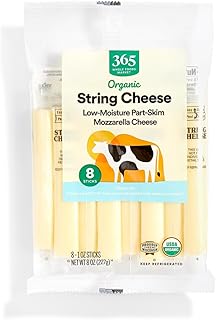


Packaging Types: Impact of packaging materials on cheese longevity, such as plastic wrap vs. wax
The type of packaging used for cheese can significantly impact its longevity and quality. Plastic wrap, for instance, is a common choice for many consumers due to its convenience and cost-effectiveness. However, it may not be the best option for preserving cheese over an extended period. Plastic wrap can trap moisture, which can lead to mold growth and spoilage. It also allows for the transfer of odors and flavors from other foods in the refrigerator, potentially affecting the taste of the cheese.
Wax, on the other hand, has been a traditional method of cheese packaging for centuries. It provides a natural barrier against moisture and air, which can help to extend the shelf life of the cheese. Wax also allows the cheese to "breathe," which is important for maintaining its texture and flavor. However, not all types of wax are suitable for cheese packaging. Food-grade waxes, such as beeswax or paraffin wax, are safe for use with cheese and can be easily removed before consumption.
In addition to plastic wrap and wax, there are other packaging materials that can be used for cheese, such as vacuum-sealed bags or specialized cheese paper. Vacuum-sealed bags can help to remove air from the packaging, which can slow down the oxidation process and prevent mold growth. Cheese paper, which is typically made from a waxed or coated material, can provide a breathable barrier that helps to maintain the cheese's moisture content and prevent it from drying out.
When choosing a packaging material for cheese, it's important to consider the type of cheese, its moisture content, and how long it will be stored. For example, high-moisture cheeses like mozzarella or feta may benefit from packaging that allows for some air circulation, while low-moisture cheeses like cheddar or Parmesan can be stored in more airtight packaging. By selecting the appropriate packaging material, consumers can help to ensure that their cheese remains fresh and flavorful for as long as possible.
Parmesan Cheese Shelf Life: How Long Does It Last Past Expiration?
You may want to see also
Explore related products


Expiration Dates: Understanding and interpreting expiration dates on cheese packaging
Cheese packaging often includes an expiration date, which is a crucial piece of information for consumers. However, understanding and interpreting these dates can be confusing. The expiration date is not always a clear indicator of when the cheese will spoil, as it can vary depending on the type of cheese, how it's stored, and other factors.
For hard cheeses like cheddar or parmesan, the expiration date is typically a "best by" date, which means the cheese may still be safe to eat after this date if it's stored properly. Soft cheeses like brie or camembert, on the other hand, have a more strict expiration date that should be followed closely.
It's important to note that the expiration date is not the same as the "sell by" date, which is the date by which the store should sell the cheese. The "sell by" date is usually earlier than the expiration date to ensure that the cheese is still fresh when it's purchased.
To determine if cheese is still safe to eat after the expiration date, it's best to use your senses. If the cheese has an off smell, slimy texture, or mold, it's best to discard it. However, if the cheese looks and smells normal, it may still be safe to eat.
In general, it's best to consume cheese within a few weeks of the expiration date for the best quality and safety. If you're unsure about the safety of cheese after the expiration date, it's always better to err on the side of caution and discard it.
The Shelf Life of Unopened Boursin Cheese: A Comprehensive Guide
You may want to see also
Explore related products


Spoilage Signs: Recognizing signs of spoilage to ensure safe consumption of cheese
Cheese, like many dairy products, can spoil if not stored properly or consumed within a certain timeframe. Recognizing the signs of spoilage is crucial to ensure safe consumption and prevent foodborne illnesses. One of the most obvious signs of spoiled cheese is the presence of mold. Mold can appear as green, white, or black spots on the surface of the cheese. If you notice any mold, it's best to discard the cheese immediately, as some molds can produce harmful toxins.
Another sign of spoilage is an off or unpleasant odor. Fresh cheese should have a mild, pleasant aroma. If the cheese smells sour, ammonia-like, or has a strong, pungent odor, it's likely spoiled and should not be consumed. The texture of the cheese can also indicate spoilage. If the cheese becomes slimy, soft, or develops a crusty texture, it's a sign that bacteria have started to break down the cheese, making it unsafe to eat.
In addition to these signs, it's important to check the expiration date on the packaging. While some cheeses can last longer than their expiration date if stored properly, it's generally a good guideline to follow. If the cheese is past its expiration date and shows any signs of spoilage, it's best to err on the side of caution and discard it.
To prevent spoilage and ensure safe consumption, it's essential to store cheese properly. Hard cheeses should be stored in the refrigerator, wrapped in plastic wrap or aluminum foil to prevent air exposure. Soft cheeses should be stored in a cool, dry place, away from direct sunlight. It's also important to handle cheese with clean hands and utensils to prevent contamination.
In conclusion, recognizing the signs of spoilage in cheese is crucial for safe consumption. By being aware of the visual, olfactory, and textural indicators of spoilage, as well as following proper storage guidelines, you can enjoy cheese safely and prevent foodborne illnesses.
The Art of Aging: Unveiling the Timeless Charm of Muenster Cheese
You may want to see also
Frequently asked questions
The shelf life of packaged cheese varies depending on the type of cheese and the packaging. Generally, hard cheeses like cheddar can last up to 6 months, while soft cheeses like brie may only last a few weeks. Always check the expiration date on the package for the most accurate information.
Factors that affect the shelf life of cheese include the type of cheese, the packaging, the storage temperature, and the humidity. Hard cheeses typically last longer than soft cheeses, and cheeses stored in airtight packaging at a consistent temperature will last longer than those exposed to air or fluctuating temperatures.
Yes, cheese can be frozen to extend its shelf life. However, the texture and flavor of the cheese may change after freezing. It's best to freeze cheese in airtight packaging or wrapped in plastic wrap and aluminum foil to prevent freezer burn.
Cheese that has gone bad may have a strong, unpleasant odor, a slimy or moldy appearance, or a sour taste. If you notice any of these signs, it's best to discard the cheese.
To maximize the shelf life of cheese, store it in the refrigerator at a consistent temperature between 35°F and 45°F. Keep cheese away from strong-smelling foods, as cheese can absorb odors. Use airtight packaging or wrap cheese in plastic wrap and aluminum foil to prevent air exposure.