 Andy Montoya
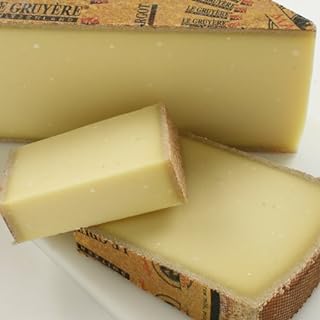
Gruyère cheese, a popular Swiss cheese known for its nutty flavor and smooth texture, has a shelf life that can vary depending on several factors. These factors include the storage conditions, the form in which the cheese is purchased (whole wheel, block, or shredded), and whether it has been opened or not. Properly stored, a whole wheel or block of Gruyère can last for several months, while shredded or sliced Gruyère may have a shorter shelf life once opened. It's important to note that while the cheese may not spoil quickly, its quality and flavor can degrade over time if not stored correctly.
Explore related products




What You'll Learn
- Storage Conditions: Proper storage techniques to maximize Gruyère cheese shelf life
- Refrigeration: How long Gruyère cheese lasts when stored in the refrigerator
- Freezing: The duration Gruyère cheese can be frozen without compromising quality
- Room Temperature: Shelf life of Gruyère cheese when kept at room temperature
- Signs of Spoilage: Indicators to check if Gruyère cheese has gone bad

Storage Conditions: Proper storage techniques to maximize Gruyère cheese shelf life
Proper storage is crucial to maximizing the shelf life of Gruyère cheese. This Swiss cheese, known for its nutty flavor and smooth texture, can last for several months when stored correctly. To ensure that your Gruyère cheese remains fresh and flavorful, follow these storage techniques.
Firstly, it is essential to store Gruyère cheese in a cool, dry place. The ideal temperature range is between 45°F and 50°F (7°C and 10°C). Storing the cheese in the refrigerator is recommended, but it should not be placed in the coldest part of the fridge, as this can cause the cheese to dry out. Instead, store it in the crisper drawer or a similar area where the temperature is more consistent.
Secondly, Gruyère cheese should be wrapped properly to prevent it from drying out or absorbing odors from other foods. Use a combination of plastic wrap and aluminum foil to create a tight seal around the cheese. This will help to maintain the cheese's moisture content and prevent it from becoming too hard or crumbly.
Thirdly, it is important to avoid exposing Gruyère cheese to strong odors or flavors, as it can easily absorb these. Store the cheese away from pungent foods like onions, garlic, or fish, and avoid storing it in the same drawer as fruits or vegetables that release ethylene gas, as this can cause the cheese to spoil more quickly.
Lastly, it is best to consume Gruyère cheese within 3-4 months of purchase for optimal flavor and texture. While the cheese can last longer when stored properly, its quality may begin to decline after this time period. If you notice any signs of spoilage, such as mold, sliminess, or an off odor, it is best to discard the cheese.
By following these storage techniques, you can help to maximize the shelf life of your Gruyère cheese and ensure that it remains fresh and delicious for as long as possible.
The Shelf Life of Unopened Velveeta Cheese: A Comprehensive Guide
You may want to see also
Explore related products





Refrigeration: How long Gruyère cheese lasts when stored in the refrigerator
Storing Gruyère cheese in the refrigerator is a common practice to extend its shelf life. When properly refrigerated, Gruyère cheese can last for several weeks, typically up to 4-6 weeks. However, the exact duration can vary depending on factors such as the cheese's age, packaging, and storage conditions.
To maximize the shelf life of Gruyère cheese in the refrigerator, it's essential to store it in a cool, dry place, ideally in the crisper drawer. The cheese should be wrapped tightly in plastic wrap or aluminum foil to prevent air from reaching it, which can cause it to dry out or develop mold. It's also recommended to store the cheese in a single block rather than in slices, as this reduces the surface area exposed to air.
When it comes to the temperature, Gruyère cheese should be stored at a consistent refrigerator temperature of around 35-38°F (1.6-3.3°C). Fluctuations in temperature can cause the cheese to spoil more quickly. Additionally, it's important to keep the cheese away from strong-smelling foods, as Gruyère cheese can absorb odors easily.
If you notice any signs of spoilage, such as mold, sliminess, or an off smell, it's best to discard the cheese. While it's possible to cut away moldy parts, the risk of contamination is high, and it's not worth compromising the quality and safety of the cheese.
In summary, proper refrigeration can significantly extend the shelf life of Gruyère cheese. By following these guidelines, you can enjoy your Gruyère cheese for several weeks while maintaining its quality and safety.
The Shelf Life of Cheese Sticks: A Comprehensive Guide
You may want to see also
Explore related products


Freezing: The duration Gruyère cheese can be frozen without compromising quality
Gruyère cheese, known for its rich flavor and smooth texture, can be frozen to extend its shelf life. However, the duration of freezing without compromising quality is a critical factor to consider. Generally, Gruyère cheese can be frozen for up to 6 months without significant loss of flavor or texture. Beyond this period, the cheese may start to develop ice crystals, leading to a grainy texture and a less pronounced flavor.
To freeze Gruyère cheese properly, it should be wrapped tightly in plastic wrap or aluminum foil to prevent air exposure, which can cause freezer burn. It's also advisable to place the wrapped cheese in a freezer-safe bag for additional protection. When thawing, it's best to do so in the refrigerator overnight to allow the cheese to regain its optimal texture and flavor gradually.
It's important to note that while freezing can help preserve Gruyère cheese, it may not be suitable for all culinary uses. For instance, frozen and thawed Gruyère may not melt as smoothly as fresh cheese, making it less ideal for dishes like fondue or grilled cheese sandwiches. However, it can still be used in recipes where the cheese is not the primary focus, such as in soups, sauces, or as a topping for baked dishes.
In summary, Gruyère cheese can be frozen for up to 6 months without compromising its quality significantly. Proper wrapping and thawing techniques are essential to maintain the cheese's texture and flavor. While frozen Gruyère may not be suitable for all culinary applications, it can still be a valuable ingredient in various dishes.
Perfectly Melty: Mastering the Art of Microwaving Brie Cheese
You may want to see also
Explore related products



Room Temperature: Shelf life of Gruyère cheese when kept at room temperature
Gruyère cheese, when stored at room temperature, has a relatively short shelf life compared to when it is refrigerated. Typically, it can last for about 1 to 2 weeks at room temperature, depending on the specific conditions and the initial freshness of the cheese. This timeframe is crucial for consumers to understand, as it directly impacts the quality and safety of the cheese they consume.
The shelf life of Gruyère cheese at room temperature is influenced by several factors, including the ambient temperature, humidity levels, and exposure to air. Higher temperatures and humidity can accelerate the spoilage process, leading to mold growth and an undesirable change in texture and flavor. Therefore, it is essential to store Gruyère cheese in a cool, dry place if it is to be kept at room temperature.
To maximize the shelf life of Gruyère cheese at room temperature, it is advisable to wrap it tightly in plastic wrap or aluminum foil to minimize its exposure to air. Additionally, placing the wrapped cheese in a cheese box or a covered container can provide an extra layer of protection against external elements. It is also important to regularly inspect the cheese for any signs of spoilage, such as mold or an off odor, and to discard it if any of these signs are present.
In summary, while Gruyère cheese can be stored at room temperature for a short period, it is essential to be mindful of the storage conditions and to take steps to protect the cheese from spoilage. By following these guidelines, consumers can enjoy the rich flavor and texture of Gruyère cheese while ensuring its quality and safety.
Savoring Smoked Cheese: A Guide to Its Shelf Life and Storage Tips
You may want to see also
Explore related products


Signs of Spoilage: Indicators to check if Gruyère cheese has gone bad
Gruyère cheese, known for its nutty flavor and smooth texture, can spoil if not stored properly. One of the first signs of spoilage is an off odor. Fresh Gruyère should have a mild, slightly sweet aroma. If it starts to smell sour, ammonia-like, or develops any unpleasant odor, it’s a clear indication that the cheese has gone bad.
Another indicator is the presence of mold. While some cheeses are intentionally aged with mold, Gruyère is not one of them. If you notice any greenish or bluish mold spots, or even white, fuzzy mold, it’s time to discard the cheese. Mold can spread quickly and produce toxins that are harmful if ingested.
The texture of the cheese can also reveal its spoilage status. Fresh Gruyère should be firm yet slightly springy to the touch. If it becomes slimy, soft, or mushy, it’s a sign that bacteria have started to break down the cheese. Additionally, if the cheese develops cracks or starts to crumble excessively, it may be drying out and losing its quality.
Discoloration is another sign to watch for. Gruyère cheese should have a consistent, pale yellow color. If it starts to darken or develop brown spots, it’s likely that the cheese is oxidizing and has been exposed to too much air. This can affect both the taste and the texture of the cheese.
Lastly, pay attention to the packaging. If the cheese is vacuum-sealed and the seal is broken, or if it’s stored in a container that’s not airtight, it can spoil faster. Always ensure that the cheese is stored in a cool, dry place, preferably in the refrigerator, to prolong its shelf life.
By being aware of these signs of spoilage, you can ensure that you consume Gruyère cheese at its best quality and avoid any potential health risks associated with eating spoiled food.
Perfectly Smoked Cheese Dip: Timing and Tips for Irresistible Flavor
You may want to see also
Frequently asked questions
When stored properly in the refrigerator, Gruyère cheese can last for about 3 to 4 weeks. It's important to wrap it tightly in plastic wrap or aluminum foil to prevent it from drying out or absorbing odors from other foods.
Yes, Gruyère cheese can be frozen. It's best to grate or slice the cheese before freezing, as this will make it easier to use later. Frozen Gruyère can last for up to 6 months. When you're ready to use it, simply thaw it in the refrigerator overnight.
Gruyère cheese that has gone bad may develop a strong, unpleasant odor, or it may start to mold. The texture of the cheese may also become slimy or rubbery. If you notice any of these signs, it's best to discard the cheese.
After opening, Gruyère cheese should be stored in the refrigerator, wrapped tightly in plastic wrap or aluminum foil. It's best to consume the cheese within a week or two of opening for optimal flavor and texture.


