Frederic Melton
Mozzarella cheese, a staple in many cuisines around the world, is often scrutinized for its nutritional content, particularly its carbohydrate count. Understanding the carb content in mozzarella is crucial for individuals managing their dietary intake, especially those following low-carb or ketogenic diets. This paragraph will delve into the specifics of mozzarella cheese's carbohydrate content, exploring how it varies among different types and serving sizes, and providing context on its role in a balanced diet.
Explore related products


What You'll Learn
- Nutritional Content: Mozzarella cheese contains a small amount of carbohydrates, primarily in the form of lactose
- Carb Count: On average, one ounce (28 grams) of mozzarella cheese has about 1-2 grams of carbohydrates
- Low-Carb Diet: Mozzarella cheese is often included in low-carb diets due to its minimal carbohydrate content
- Comparison to Other Cheeses: Compared to some other cheeses, mozzarella has a relatively low carbohydrate count
- Health Benefits: Besides being low in carbs, mozzarella cheese is a good source of protein, calcium, and vitamins

Nutritional Content: Mozzarella cheese contains a small amount of carbohydrates, primarily in the form of lactose
Mozzarella cheese, a staple in many diets, particularly those following a ketogenic or low-carbohydrate regimen, does indeed contain carbohydrates. However, the amount is relatively minimal compared to other dairy products. The primary source of carbohydrates in mozzarella is lactose, a natural sugar found in milk. Lactose is a disaccharide composed of glucose and galactose, which are both simple sugars. In mozzarella cheese, the lactose content is generally low due to the cheese-making process, which involves the fermentation of milk by lactic acid bacteria. These bacteria consume a significant portion of the lactose, converting it into lactic acid, which gives cheese its characteristic tangy flavor.
The exact carbohydrate content of mozzarella cheese can vary depending on the specific type and brand. On average, a one-ounce (28-gram) serving of mozzarella cheese contains about 1 to 2 grams of carbohydrates. This makes it a suitable option for individuals monitoring their carbohydrate intake, such as those with diabetes or those following a low-carb diet. However, it is essential to note that while the carbohydrate content is low, mozzarella cheese is relatively high in calories and fat, primarily saturated fat. Therefore, moderation is key when incorporating mozzarella cheese into a balanced diet.
For those who are lactose intolerant, the low lactose content in mozzarella cheese may make it a more tolerable dairy option compared to milk or other cheeses with higher lactose levels. Lactose intolerance occurs when the body lacks sufficient lactase, the enzyme responsible for breaking down lactose. Consuming lactose-containing foods can lead to digestive symptoms such as bloating, gas, and diarrhea in individuals with lactose intolerance. However, the reduced lactose content in mozzarella cheese often makes it a safer choice for these individuals, although personal tolerance levels can vary.
In summary, while mozzarella cheese does contain carbohydrates, primarily in the form of lactose, the amount is relatively small. This makes it a viable option for those following low-carb diets or managing their carbohydrate intake. However, it is crucial to consider the overall nutritional profile of mozzarella cheese, including its fat and calorie content, when making dietary choices. Additionally, individuals with lactose intolerance may find mozzarella cheese to be a more tolerable dairy option due to its lower lactose levels, although personal tolerance should always be taken into account.
Delicious Dilemma: Is Pimento Cheese a Low-Carb Delight?
You may want to see also
Explore related products


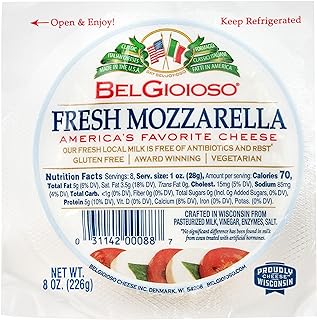

Carb Count: On average, one ounce (28 grams) of mozzarella cheese has about 1-2 grams of carbohydrates
Mozzarella cheese, a staple in many diets, particularly those following a ketogenic or low-carb approach, does indeed contain carbohydrates. However, the amount is relatively minimal compared to other food items. On average, one ounce (28 grams) of mozzarella cheese has about 1-2 grams of carbohydrates. This low carb content makes mozzarella a popular choice for those looking to limit their carbohydrate intake while still enjoying dairy products.
To put this into perspective, the average American consumes around 200-300 grams of carbohydrates per day. Therefore, one ounce of mozzarella cheese would account for less than 1% of the daily carbohydrate intake for most people. This small amount is unlikely to have a significant impact on blood sugar levels or ketosis for those following a low-carb diet.
It's important to note that while mozzarella cheese is low in carbs, it is not carb-free. Some individuals, especially those with very strict carbohydrate limits, may need to account for these small amounts of carbs in their daily totals. Additionally, portion sizes can add up quickly, so it's essential to be mindful of serving sizes when incorporating mozzarella cheese into a low-carb meal plan.
In summary, mozzarella cheese does contain carbohydrates, but the amount is relatively small. For most people, especially those not following an extremely strict low-carb diet, the carbohydrate content in mozzarella cheese is unlikely to be a concern. However, for those with very specific dietary needs, it's always a good idea to track and account for all sources of carbohydrates, including those from low-carb foods like mozzarella cheese.
Savoring the Flavor: Carbs in a Sausage, Egg, and Cheese McGriddle
You may want to see also
Explore related products


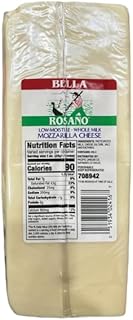
Low-Carb Diet: Mozzarella cheese is often included in low-carb diets due to its minimal carbohydrate content
Mozzarella cheese is a staple in many low-carb diets due to its minimal carbohydrate content. This makes it an excellent choice for individuals looking to reduce their carb intake while still enjoying a variety of foods. One ounce of mozzarella cheese contains only about 1 gram of carbohydrates, making it a low-carb friendly option.
In addition to being low in carbs, mozzarella cheese is also high in protein and fat, which can help keep you feeling full and satisfied. This can be particularly beneficial for those following a ketogenic diet, as it can help them stay in a state of ketosis. Furthermore, mozzarella cheese is a good source of several important nutrients, including calcium, phosphorus, and vitamin B12.
When incorporating mozzarella cheese into a low-carb diet, it's important to be mindful of portion sizes. While it is low in carbs, it is also high in calories, so consuming it in moderation is key. Additionally, it's important to choose full-fat mozzarella cheese, as low-fat or fat-free varieties may contain more carbohydrates.
One way to enjoy mozzarella cheese on a low-carb diet is to use it in place of higher-carb ingredients. For example, you can use mozzarella cheese to make a low-carb pizza crust or as a substitute for bread in a sandwich. You can also enjoy it on its own as a snack, paired with other low-carb foods like nuts or vegetables.
In conclusion, mozzarella cheese can be a valuable addition to a low-carb diet due to its minimal carbohydrate content and high protein and fat content. However, it's important to be mindful of portion sizes and to choose full-fat varieties to ensure you're getting the most nutritional benefits while minimizing your carb intake.
Savoring Breakfast: Carbs in a Sausage, Egg, and Cheese McMuffin Revealed
You may want to see also
Explore related products


Comparison to Other Cheeses: Compared to some other cheeses, mozzarella has a relatively low carbohydrate count
Mozzarella cheese stands out in the dairy aisle for its relatively low carbohydrate content when compared to other cheeses. While it's not entirely carb-free, mozzarella typically contains fewer carbs per serving than cheeses like cheddar, Swiss, or American. This makes it a popular choice for those following low-carb or ketogenic diets who still wish to enjoy the creamy texture and mild flavor that mozzarella offers.
One of the reasons mozzarella has fewer carbs is due to its production process. Mozzarella is made by stretching and kneading the curd, which helps to remove some of the lactose, the primary carbohydrate in milk. This results in a cheese that is lower in lactose and, consequently, lower in carbs compared to other cheeses that retain more of the lactose.
When comparing mozzarella to other low-carb cheeses, it's important to consider portion sizes and the specific type of mozzarella being consumed. For instance, whole milk mozzarella will generally have a higher carb count than part-skim or skim milk varieties. Additionally, flavored or stuffed mozzarella products may contain added sugars or other ingredients that increase the carbohydrate content.
For individuals monitoring their carb intake, mozzarella can be a versatile and satisfying option. It can be used in a variety of dishes, from salads and sandwiches to pizzas and pasta, without significantly contributing to the overall carb count. However, as with any food, it's essential to check the nutrition label and be mindful of portion sizes to ensure that it fits within one's dietary goals.
In summary, mozzarella cheese is a relatively low-carb option compared to other cheeses, making it a suitable choice for those looking to reduce their carbohydrate intake. Its unique production process and versatility in cooking make it a popular and practical choice for low-carb diets.
Provolone Cheese: A Nutritional Breakdown of Carbs and More
You may want to see also
Explore related products


Health Benefits: Besides being low in carbs, mozzarella cheese is a good source of protein, calcium, and vitamins
Mozzarella cheese, renowned for its low carbohydrate content, offers a plethora of health benefits that extend beyond its macronutrient profile. As a dairy product, it is an excellent source of high-quality protein, which is essential for muscle repair, growth, and overall body maintenance. The protein in mozzarella is particularly beneficial for those following a ketogenic or low-carb diet, as it helps to maintain satiety and supports the body's metabolic processes.
In addition to protein, mozzarella cheese is rich in calcium, a mineral crucial for bone health and dental strength. Calcium also plays a vital role in muscle function, nerve transmission, and hormonal secretion. For individuals looking to increase their calcium intake, mozzarella cheese serves as a delicious and effective dietary source. Furthermore, mozzarella contains a variety of vitamins, including vitamin A, which is important for vision, immune function, and skin health, and vitamin B12, which is essential for red blood cell formation and neurological function.
The combination of these nutrients makes mozzarella cheese a nutritious addition to a balanced diet. Its low carbohydrate content, coupled with its high protein and mineral content, makes it an ideal choice for those managing their blood sugar levels or following a specific dietary regimen. Moreover, the vitamins present in mozzarella contribute to overall health and well-being, supporting various bodily functions and systems.
When incorporating mozzarella cheese into one's diet, it is important to consider portion sizes and overall dietary balance. While mozzarella can be a healthy addition, it is also calorie-dense and should be consumed in moderation as part of a varied and nutritious diet. By doing so, individuals can reap the health benefits of mozzarella cheese while maintaining a balanced and sustainable eating pattern.
Unraveling the Carb Mystery: A Deep Dive into Cheese Curds
You may want to see also
Frequently asked questions
Yes, mozzarella cheese does contain carbohydrates. While it's primarily known for its protein and fat content, a typical serving of mozzarella cheese (about 28 grams) contains around 1 gram of carbohydrates.
A slice of mozzarella cheese, which is roughly 28 grams, contains approximately 1 gram of carbohydrates. The exact amount may vary slightly depending on the specific type and brand of mozzarella cheese.
Mozzarella cheese can be a good choice for a low-carb diet due to its relatively low carbohydrate content compared to other types of cheese. However, it's important to consume it in moderation and be mindful of portion sizes, as even low-carb foods can contribute to your daily carb intake if consumed excessively.