Kamil Perry
Cottage cheese and yogurt are both dairy products, but they have distinct tastes and textures. Cottage cheese is a fresh cheese made by curdling milk, typically through an acidic agent like vinegar or lemon juice. It has a mild, slightly tangy flavor and a creamy, lumpy texture. On the other hand, yogurt is a fermented dairy product made by introducing live bacterial cultures to milk. It has a tangy, slightly sour taste and a smooth, thick consistency. While both products share some similarities in their creamy base, the flavor profiles and textures are quite different, making them unique in their culinary uses and appeal.
Explore related products

![Small Curd 2% Milkfat Cottage Cheese , delicious, creamy, and packed with protein. Enjoyed on its own, as a side dish, a snack or an ingredient in a variety of recipes, low fat cheese is extremely versatile , Hand cut curds in a rich creamy dressing for a delicious cultured dairy experience , With protein and calcium, each serving of 2% Milkfat has 13g protein and 100 calories .. [ 32 oz , 2 lb ]](https://m.media-amazon.com/images/I/51XxK9r9diL._AC_UL320_.jpg)


What You'll Learn
- Texture Comparison: Cottage cheese is lumpy and curdy, while yogurt is smooth and creamy
- Flavor Profile: Cottage cheese has a mild, slightly tangy taste, whereas yogurt can range from tangy to sweet
- Nutritional Differences: Cottage cheese is higher in protein and lower in probiotics compared to yogurt
- Culinary Uses: Cottage cheese is often used in savory dishes, while yogurt is versatile in both sweet and savory recipes
- Health Benefits: Both offer health benefits, but yogurt is known for its probiotic content, aiding digestion

Texture Comparison: Cottage cheese is lumpy and curdy, while yogurt is smooth and creamy
The texture of cottage cheese is markedly different from that of yogurt. Cottage cheese has a lumpy and curdy consistency, which is a result of the cheese-making process where the curds are separated from the whey and then drained. This leaves behind a product with a somewhat grainy and uneven texture. Each curd is distinct, and the overall feel is somewhat coarse.
In contrast, yogurt has a smooth and creamy texture. This is due to the fermentation process, where live bacterial cultures are added to milk, causing it to thicken and develop a uniform consistency. The smoothness of yogurt is often enhanced by the addition of stabilizers and thickeners, which help to create a more luxurious and velvety mouthfeel.
When comparing the two, it's clear that the textural differences are significant. Cottage cheese has a more rustic and natural texture, while yogurt is more refined and processed. This difference in texture can affect how each food is consumed and used in recipes. Cottage cheese is often eaten as is or used in savory dishes, while yogurt is more commonly consumed as a snack or used in both sweet and savory recipes.
The distinct textures also influence the taste experience. The lumpiness of cottage cheese can make it more filling and satisfying, while the smoothness of yogurt can make it more refreshing and light. Despite these differences, both foods have their own unique appeal and can be enjoyed in a variety of ways.
The Cottage Cheese Conundrum: Safe to Eat After Expiration?
You may want to see also
Explore related products
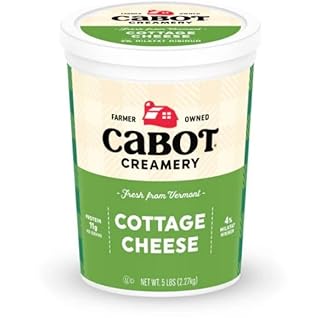


Flavor Profile: Cottage cheese has a mild, slightly tangy taste, whereas yogurt can range from tangy to sweet
Cottage cheese and yogurt are two dairy products often compared for their taste and texture. While both can be tangy, the flavor profile of cottage cheese is generally milder and less acidic than that of yogurt. Cottage cheese has a subtle, slightly tangy taste that is often described as creamy and smooth. On the other hand, yogurt can range from tangy to sweet, depending on the type and brand. Greek yogurt, for example, is known for its rich, tangy flavor, while some flavored yogurts can be quite sweet.
The difference in taste between cottage cheese and yogurt can be attributed to their production processes. Cottage cheese is made by curdling milk with an acid, such as vinegar or lemon juice, and then draining the whey. This results in a product that is lower in fat and higher in protein than yogurt. Yogurt, on the other hand, is made by fermenting milk with live bacterial cultures, which gives it its characteristic tangy flavor and probiotic properties.
When it comes to using these products in recipes, their distinct flavor profiles can be a deciding factor. Cottage cheese is often used in savory dishes, such as salads, dips, and casseroles, where its mild taste can complement other ingredients without overpowering them. Yogurt, with its tangy flavor, is commonly used in both sweet and savory dishes, from smoothies and desserts to marinades and sauces.
In terms of nutritional value, both cottage cheese and yogurt are excellent sources of protein and calcium. However, cottage cheese is generally lower in fat and calories than yogurt, making it a popular choice for those looking to reduce their fat intake. Yogurt, particularly Greek yogurt, is higher in fat but also contains beneficial probiotics that can aid in digestion and support gut health.
Ultimately, whether you choose cottage cheese or yogurt depends on your personal taste preferences and the specific needs of your diet. If you're looking for a mild, creamy flavor and a lower-fat option, cottage cheese may be the better choice. If you enjoy a tangy flavor and the potential health benefits of probiotics, yogurt could be the way to go.
Delicious Homemade Cottage Cheese Flatbread: A Simple Guide
You may want to see also
Explore related products




Nutritional Differences: Cottage cheese is higher in protein and lower in probiotics compared to yogurt
Cottage cheese and yogurt are often compared not just for their taste but also for their nutritional profiles. One key difference lies in their protein content. Cottage cheese is notably higher in protein than yogurt, making it a popular choice among athletes and those looking to increase their protein intake. This higher protein content can contribute to feelings of fullness and may aid in muscle repair and growth.
On the flip side, yogurt is generally lower in protein but higher in probiotics. Probiotics are beneficial bacteria that can aid in digestion and support gut health. While some types of cottage cheese may contain probiotics, they are typically not as rich in these beneficial bacteria as yogurt. This means that if you're looking to boost your gut health, yogurt might be the better choice.
Another nutritional consideration is fat content. Cottage cheese can vary widely in fat content depending on the type you choose, from non-fat to full-fat varieties. Yogurt also comes in various fat contents, but it often contains more fat than cottage cheese, especially if you opt for whole milk yogurt. This can be a consideration for those monitoring their fat intake.
In terms of calories, cottage cheese and yogurt are relatively similar, with cottage cheese often being slightly lower in calories than yogurt. However, this can also depend on the specific type and serving size of each product.
When deciding between cottage cheese and yogurt, it's important to consider your dietary needs and goals. If you're looking to increase your protein intake, cottage cheese might be the better option. However, if you're interested in supporting your gut health with probiotics, yogurt could be a more suitable choice.
Exploring the Charm of Country Style Cottage Cheese
You may want to see also
Explore related products




Culinary Uses: Cottage cheese is often used in savory dishes, while yogurt is versatile in both sweet and savory recipes
Cottage cheese and yogurt, while both dairy products, have distinct culinary applications that set them apart. Cottage cheese is predominantly used in savory dishes, offering a mild, slightly tangy flavor that complements a variety of ingredients. It's often incorporated into salads, dips, and spreads, providing a creamy texture and a boost of protein. For instance, a classic Russian dish called " tvorozhnaya zapiekanka" features cottage cheese baked with eggs and herbs, creating a savory, custard-like consistency.
On the other hand, yogurt's versatility knows no bounds, as it can be seamlessly integrated into both sweet and savory recipes. In sweet dishes, yogurt adds a tangy, refreshing element that balances the richness of desserts. It's a staple in many traditional desserts, such as Greek baklava or Indian lassi, where its creamy texture and slight acidity enhance the overall flavor profile. In savory dishes, yogurt serves as a cooling agent, often used in sauces, marinades, and dressings. For example, in Middle Eastern cuisine, yogurt is a key ingredient in tzatziki sauce, a flavorful accompaniment to grilled meats and vegetables.
When comparing the culinary uses of cottage cheese and yogurt, it's essential to consider their textural differences. Cottage cheese has a lumpy, curdy texture that holds up well in hearty dishes, while yogurt's smooth, creamy consistency makes it ideal for blending and mixing. This textural contrast influences their respective applications in the kitchen, with cottage cheese often used as a standalone ingredient and yogurt serving as a versatile base or accompaniment.
In conclusion, while both cottage cheese and yogurt are dairy products with unique flavors, their culinary uses diverge significantly. Cottage cheese shines in savory dishes, offering a mild, slightly tangy taste and a lumpy texture that adds depth to various recipes. Yogurt, on the other hand, is a culinary chameleon, effortlessly transitioning between sweet and savory dishes with its creamy, tangy profile. Understanding these differences can help home cooks and professional chefs alike make informed decisions when selecting ingredients for their culinary creations.
Measuring Up: Cottage Cheese Cups to Ounces Conversion Guide
You may want to see also
Explore related products


Health Benefits: Both offer health benefits, but yogurt is known for its probiotic content, aiding digestion
Yogurt and cottage cheese are both nutritious dairy products, each offering a range of health benefits. Yogurt, in particular, is renowned for its probiotic content, which plays a crucial role in supporting digestive health. Probiotics are live microorganisms that, when administered in adequate amounts, confer a health benefit on the host. They help maintain a healthy balance of gut bacteria, improve digestion, and may even boost the immune system.
Cottage cheese, on the other hand, is a good source of protein, calcium, and essential vitamins and minerals. It is low in fat and calories, making it a popular choice for those looking to maintain a healthy weight. The protein content in cottage cheese can help with muscle repair and growth, while the calcium is vital for strong bones and teeth.
When comparing the two, it's clear that both yogurt and cottage cheese have their unique health advantages. Yogurt's probiotic properties make it a standout choice for digestive health, while cottage cheese excels as a protein-rich, low-calorie food option. Incorporating both into a balanced diet can provide a wide range of nutrients essential for overall well-being.
In terms of taste, while both products are dairy-based, they have distinct flavor profiles. Yogurt typically has a tangy, slightly sour taste due to the fermentation process, whereas cottage cheese has a milder, creamier flavor. The texture of cottage cheese is also different from yogurt, being more lumpy and less smooth.
Ultimately, whether one chooses yogurt or cottage cheese depends on individual taste preferences and specific dietary needs. Both products offer valuable health benefits and can be enjoyed as part of a nutritious diet.
Exploring Cottage Cheese: A Gluten-Free Delight for Health Enthusiasts
You may want to see also
Frequently asked questions
Cottage cheese and yogurt have distinct tastes. Cottage cheese has a mild, slightly salty flavor and a creamy, lumpy texture, while yogurt is tangy and smooth.
Cottage cheese is generally higher in protein and lower in carbohydrates compared to yogurt. It also contains more calcium and phosphorus. Yogurt, on the other hand, is a good source of probiotics, which are beneficial for gut health.
While you can substitute cottage cheese for yogurt in some recipes, the texture and flavor will be different. Cottage cheese works well in savory dishes or as a topping for salads, while yogurt is better suited for sweet dishes or as a base for dressings and marinades.
Cottage cheese has a lumpy, curdy texture, while yogurt is smooth and creamy. This difference in texture is due to the way they are made. Cottage cheese is made by curdling milk with an acid, while yogurt is made by fermenting milk with live bacterial cultures.