Patrick Oconnell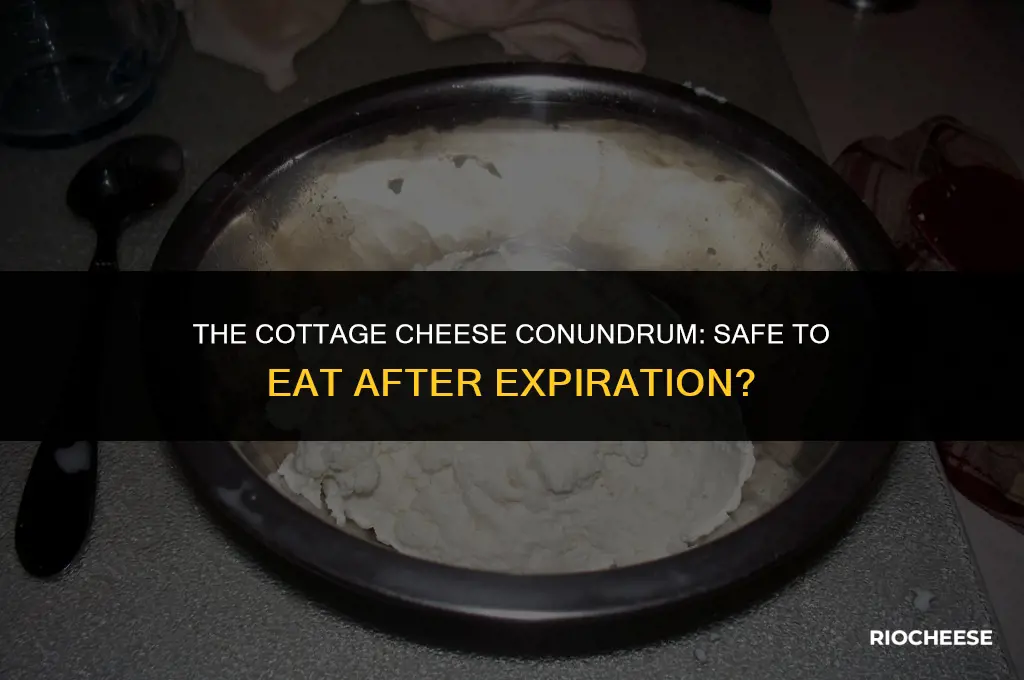
Cottage cheese is a popular dairy product known for its creamy texture and mild flavor, often enjoyed as a healthy snack or ingredient in various recipes. However, like all perishable foods, cottage cheese has a limited shelf life and comes with an expiration date. The question of how good cottage cheese is after this date is a common concern for consumers who may find themselves with a container that's past its prime. While it's generally recommended to consume foods before their expiration dates to ensure optimal quality and safety, the actual edibility of cottage cheese after this point can depend on several factors, including storage conditions and the specific type of cottage cheese.
Explore related products



![Small Curd 2% Milkfat Cottage Cheese , delicious, creamy, and packed with protein. Enjoyed on its own, as a side dish, a snack or an ingredient in a variety of recipes, low fat cheese is extremely versatile , Hand cut curds in a rich creamy dressing for a delicious cultured dairy experience , With protein and calcium, each serving of 2% Milkfat has 13g protein and 100 calories .. [ 32 oz , 2 lb ]](https://m.media-amazon.com/images/I/51XxK9r9diL._AC_UL320_.jpg)
What You'll Learn
- Shelf Life Extension: Methods to safely extend the shelf life of cottage cheese beyond its expiration date
- Spoilage Indicators: Signs to look for when determining if cottage cheese has spoiled, such as odor or discoloration
- Health Risks: Potential health risks associated with consuming cottage cheese after its expiration date, including foodborne illnesses
- Storage Tips: Best practices for storing cottage cheese to maintain its freshness and quality before and after the expiration date
- Alternative Uses: Creative ways to use cottage cheese that may be past its prime for eating fresh, such as in cooking or baking

Shelf Life Extension: Methods to safely extend the shelf life of cottage cheese beyond its expiration date
Cottage cheese, a staple in many refrigerators, often has a shorter shelf life than other dairy products. However, with the right methods, you can safely extend its usability beyond the expiration date. One effective approach is to store cottage cheese in the freezer. This method can significantly prolong its shelf life by slowing down bacterial growth. To freeze cottage cheese, transfer it to an airtight container or freezer bag, removing as much air as possible to prevent freezer burn. Label the container with the date, and it can be stored for up to three months. When you're ready to use it, thaw it in the refrigerator overnight.
Another method to extend the shelf life of cottage cheese is by using a preservation technique known as "canning." This involves heating the cottage cheese to a specific temperature to kill off bacteria and then sealing it in sterilized jars. The process requires careful attention to detail to ensure safety and effectiveness. First, heat the cottage cheese to 165°F (74°C) for 30 minutes, stirring occasionally. Then, ladle the hot cottage cheese into sterilized jars, leaving a 1/2 inch headspace. Wipe the jar rims clean, place the lids on top, and process the jars in a boiling water bath for 10 minutes. This method can extend the shelf life of cottage cheese for up to a year when stored in a cool, dark place.
In addition to these methods, it's crucial to practice good food safety habits to maximize the shelf life of cottage cheese. Always store it in the refrigerator at a temperature below 40°F (4°C). Keep it in its original container or transfer it to an airtight container to prevent contamination. Avoid cross-contamination by storing raw meats and other potentially harmful foods separately. Regularly check the cottage cheese for signs of spoilage, such as an off smell, slimy texture, or mold growth. If you notice any of these signs, discard the cottage cheese immediately.
It's also important to note that while these methods can extend the shelf life of cottage cheese, they do not guarantee its safety indefinitely. Always use your judgment and consider the storage conditions and handling practices when deciding whether to consume cottage cheese past its expiration date. By following these guidelines and utilizing proper preservation techniques, you can enjoy cottage cheese for a longer period while minimizing the risk of foodborne illness.
Measuring Up: Cottage Cheese Cups to Ounces Conversion Guide
You may want to see also
Explore related products


Spoilage Indicators: Signs to look for when determining if cottage cheese has spoiled, such as odor or discoloration
Cottage cheese, like many dairy products, can spoil after its expiration date, presenting potential health risks if consumed. Recognizing the signs of spoilage is crucial to ensure food safety. One of the primary indicators of spoiled cottage cheese is an off odor. Fresh cottage cheese typically has a mild, slightly tangy smell. If the odor becomes strong, pungent, or ammonia-like, it is a clear sign that the cheese has gone bad.
Discoloration is another key spoilage indicator. Cottage cheese should have a clean, white appearance. If you notice any greenish or yellowish tints, it suggests the growth of mold or bacteria. Similarly, if the cheese develops any dark spots or patches, it is likely spoiled and should be discarded.
Texture changes can also signal spoilage. Fresh cottage cheese has a creamy, slightly lumpy texture. If the cheese becomes slimy, watery, or excessively firm, it is no longer safe to eat. Additionally, if the curds start to separate from the whey, it is an indication that the cheese is past its prime.
It is important to note that spoilage can occur even before the expiration date if the cheese is not stored properly. Cottage cheese should be kept refrigerated at a temperature below 40°F (4°C). If it is left at room temperature for an extended period, it can spoil more quickly.
In summary, when determining if cottage cheese has spoiled, pay close attention to its odor, discoloration, and texture. If you notice any of these signs, it is best to err on the side of caution and discard the cheese to avoid potential foodborne illnesses.
Exploring Gluten-Free Options: Is Breakstone Cottage Cheese Safe for Celiacs?
You may want to see also
Explore related products


Health Risks: Potential health risks associated with consuming cottage cheese after its expiration date, including foodborne illnesses
Consuming cottage cheese after its expiration date can pose several health risks, primarily due to the potential growth of harmful bacteria. One of the most common risks is foodborne illness, which can manifest as symptoms such as nausea, vomiting, diarrhea, and stomach cramps. These symptoms are typically caused by bacteria like Salmonella, E. coli, or Listeria, which can multiply rapidly in dairy products that have been stored improperly or for too long.
In addition to foodborne illnesses, consuming expired cottage cheese can also lead to allergic reactions in some individuals. These reactions can range from mild symptoms like hives and itching to more severe responses such as difficulty breathing or anaphylaxis. It is important to note that the risk of an allergic reaction can increase if the cottage cheese has been contaminated with mold or other allergens during storage.
To minimize the risk of health issues associated with consuming expired cottage cheese, it is crucial to follow proper storage guidelines and to always check the product for signs of spoilage before consumption. Cottage cheese should be stored in the refrigerator at a temperature of 40°F (4°C) or below, and it should be consumed within one week of opening. If the cottage cheese has been left at room temperature for more than two hours, it should be discarded to prevent the growth of harmful bacteria.
When evaluating the safety of cottage cheese after its expiration date, it is important to consider the specific circumstances under which the product has been stored. For example, if the cottage cheese has been stored in the refrigerator consistently and has not been contaminated with any foreign substances, it may still be safe to consume for a short period after the expiration date. However, if the product has been stored improperly or has been left at room temperature for an extended period, it is best to err on the side of caution and discard it to avoid potential health risks.
In conclusion, while cottage cheese can be a nutritious and delicious addition to a balanced diet, it is essential to be aware of the potential health risks associated with consuming expired products. By following proper storage guidelines and being vigilant for signs of spoilage, individuals can minimize the risk of foodborne illnesses and allergic reactions related to expired cottage cheese.
Discover the Best Places to Buy Dry Cottage Cheese
You may want to see also
Explore related products
![Organic Goat Cheese is a healthy alternative to cow's milk cheese. Made in Wisconsin from locally sourced fresh goat's milk, the cheese can be enjoyed on its own, in a salad or heated in other dishes. [ 11 oz , 0.68 lb ]](https://m.media-amazon.com/images/I/41+dpFjDq0L._AC_UL320_.jpg)

![Low Moisture Part-Skim Mozzarella String Cheese , Each individually wrapped stick offers a delicious, convenient way to get your daily dose of dairy, made from part-skim milk for a satisfying and wholesome treat. Ideal for lunchboxes, on-the-go snacking, or a protein-packed addition to your favorite meals [ 32 oz , 2 lb ]](https://m.media-amazon.com/images/I/515Cat0ZCHL._AC_UL320_.jpg)
![Whipped Cream Cheese , Gluten-free and free of any artificial preservatives, dyes, or flavors, this spread is a delicious choice for all of your cream cheese needs. Made with milk from US dairy farms, this product contains 0 grams of trans fat per serving. 24 pk [ 24 oz , 1.5 lb ] .](https://m.media-amazon.com/images/I/41qdfnhDXkL._AC_UL320_.jpg)
Storage Tips: Best practices for storing cottage cheese to maintain its freshness and quality before and after the expiration date
Cottage cheese, a versatile and nutritious dairy product, requires proper storage to maintain its freshness and quality. Whether you're looking to extend its shelf life before the expiration date or wondering how to store leftovers after opening, following these best practices will help ensure your cottage cheese remains safe and enjoyable to eat.
Firstly, it's essential to store unopened cottage cheese in the refrigerator at a consistent temperature below 40°F (4°C). Keep it in its original container, as this is designed to maintain the product's integrity and prevent contamination. Avoid storing cottage cheese in the door shelves of your refrigerator, as these areas experience more temperature fluctuations due to frequent opening and closing. Instead, place it on a middle or lower shelf where the temperature is more stable.
Once opened, transfer the cottage cheese to an airtight container to prevent it from drying out and absorbing odors from other foods in the refrigerator. If you don't have an airtight container, you can use plastic wrap or aluminum foil to cover the opening of the original container. Be sure to press the wrap or foil directly onto the surface of the cheese to minimize air exposure. Store the opened cottage cheese in the refrigerator and consume it within 3 to 5 days for optimal freshness and safety.
If you need to store cottage cheese for a longer period, consider freezing it. Freezing can extend the shelf life of cottage cheese by several months. To freeze, portion the cheese into airtight containers or freezer bags, leaving some headspace to allow for expansion. Label the containers or bags with the date and store them in the freezer at 0°F (-18°C) or below. When you're ready to use the frozen cottage cheese, thaw it in the refrigerator overnight. Note that the texture may change slightly after freezing, becoming slightly grainier, but it will still be safe to eat.
It's also important to be aware of the signs of spoilage in cottage cheese. If you notice any off odors, discoloration, or mold, discard the product immediately. Additionally, if the cheese has been left at room temperature for more than 2 hours, it's best to err on the side of caution and discard it to prevent the growth of harmful bacteria.
By following these storage tips, you can help maintain the freshness and quality of your cottage cheese, reduce food waste, and ensure you're consuming a safe and nutritious product. Remember, proper storage is key to enjoying cottage cheese at its best, both before and after the expiration date.
Crafting Creamy Perfection: A Guide to Large Curd Cottage Cheese
You may want to see also
Explore related products


![Low Moisture Part-Skim Mozzarella String Cheese , Each individually wrapped stick offers a delicious, convenient way to get your daily dose of dairy, made from part-skim milk for a satisfying and wholesome treat. Ideal for lunchboxes, on-the-go snacking, or a protein-packed addition to your favorite meals [ 32 oz , 2 lb ]](https://m.media-amazon.com/images/I/51CnFOHJspL._AC_UL320_.jpg)

Alternative Uses: Creative ways to use cottage cheese that may be past its prime for eating fresh, such as in cooking or baking
Cottage cheese, while delicious and nutritious when fresh, can become less appealing as it ages. However, this doesn't mean it has to go to waste. In fact, there are several creative ways to use cottage cheese that may be past its prime for eating fresh. One such method is to incorporate it into your cooking or baking.
For instance, you can use older cottage cheese to make a rich and creamy cheese sauce for pasta. Simply blend the cottage cheese with some milk, butter, and seasonings until smooth, then toss it with your favorite pasta. The mild flavor of the cottage cheese will absorb the other ingredients, creating a delicious and comforting meal.
Another option is to use it as a substitute for ricotta cheese in recipes like lasagna or stuffed shells. The texture and flavor of cottage cheese can be a great match for these dishes, and it's often less expensive than ricotta. Just be sure to drain the excess liquid from the cottage cheese before using it to prevent your dish from becoming too watery.
If you're feeling adventurous, you can even use older cottage cheese to make a unique cheesecake. The tanginess of the aged cheese can add an interesting twist to the classic dessert. Simply blend the cottage cheese with cream cheese, sugar, eggs, and vanilla until smooth, then pour the mixture into a graham cracker crust and bake until set.
In conclusion, while cottage cheese may not be as enjoyable to eat fresh after its expiration date, it can still be a valuable ingredient in a variety of recipes. By thinking creatively and experimenting with different uses, you can reduce food waste and discover new ways to enjoy this versatile cheese.
The Creamy Delight of Blended Cottage Cheese: A Versatile Dairy Staple
You may want to see also
Frequently asked questions
Cottage cheese can be safely consumed for up to one week after the expiration date if it has been stored properly in the refrigerator. However, it's important to check for any signs of spoilage before consuming it.
Signs that cottage cheese has gone bad include an off or sour smell, discoloration, the presence of mold, or a slimy texture. If you notice any of these signs, it's best to discard the cottage cheese.
Yes, you can freeze cottage cheese to extend its shelf life. Simply transfer it to an airtight container or freezer bag and store it in the freezer for up to three months. Thaw it in the refrigerator overnight before using.
There are many ways to use up cottage cheese before it expires. You can incorporate it into recipes like dips, spreads, and salads, or use it as a protein-rich topping for fruits and vegetables. You can also blend it into smoothies or use it in place of ricotta cheese in pasta dishes.