Bushra Griffith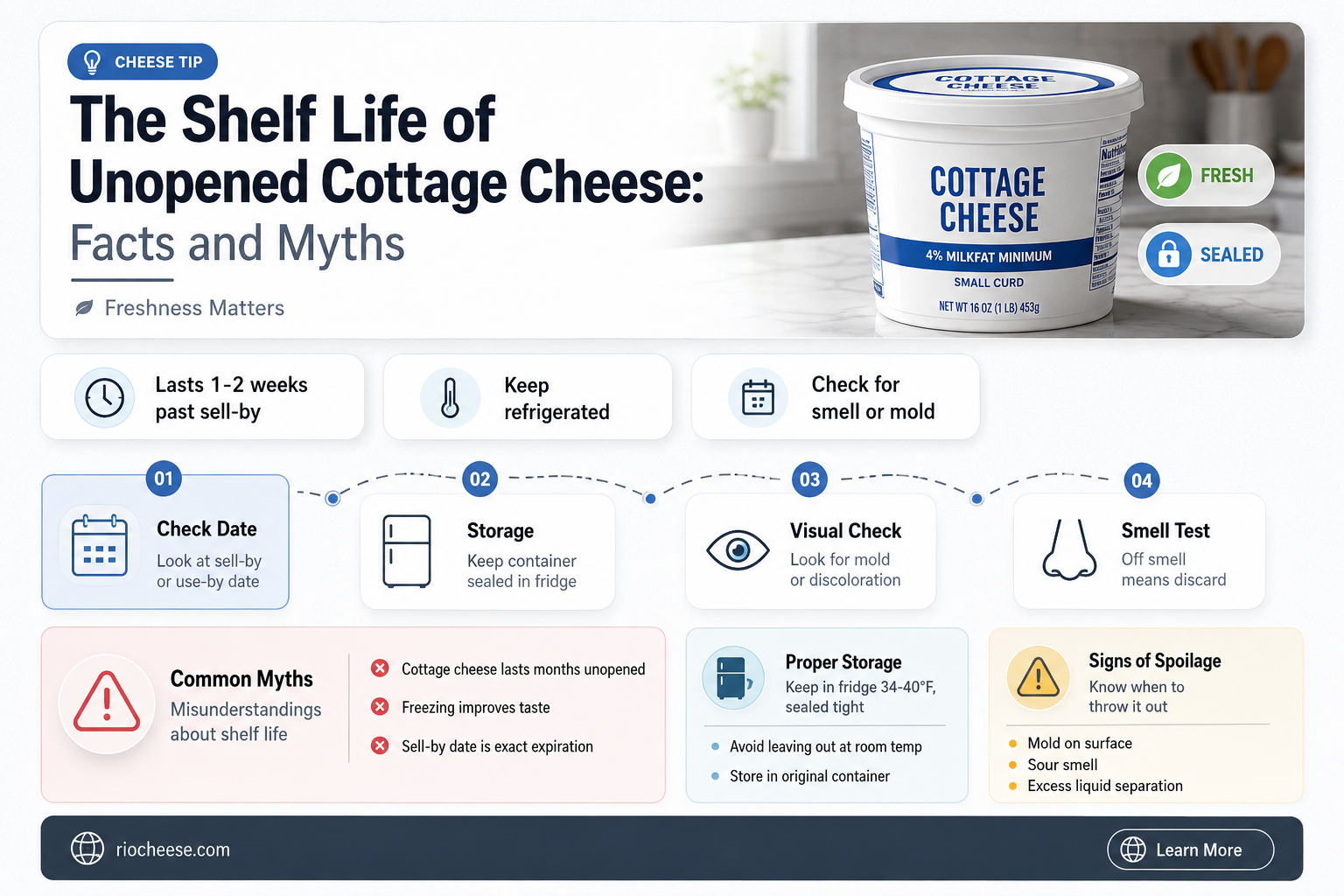
Cottage cheese, a popular dairy product known for its creamy texture and mild flavor, is often used in various recipes and as a standalone snack. One common question among consumers is whether cottage cheese can spoil if left unopened. The shelf life of unopened cottage cheese depends on several factors, including the type of cottage cheese, the packaging, and the storage conditions. Generally, unopened cottage cheese can last for about one to two weeks past its sell-by date when stored properly in the refrigerator. However, it's essential to check the packaging for specific storage instructions and expiration dates, as these can vary between brands and types of cottage cheese.
Explore related products



What You'll Learn
- Shelf Life: Unopened cottage cheese typically lasts 1-2 weeks past its sell-by date when refrigerated properly
- Storage Conditions: Keeping unopened cottage cheese at a consistent temperature below 40°F (4°C) helps maintain its freshness
- Packaging Integrity: Ensure the container is sealed tightly and undamaged to prevent spoilage and contamination
- Expiration Date: Always check the expiration date on the packaging to determine the maximum safe consumption period
- Quality Indicators: Before consuming, check for any off odors, discoloration, or mold growth, even if unopened

Shelf Life: Unopened cottage cheese typically lasts 1-2 weeks past its sell-by date when refrigerated properly
Unopened cottage cheese, when stored correctly in the refrigerator, can last for approximately 1-2 weeks beyond its sell-by date. This timeframe is contingent upon maintaining a consistent refrigerator temperature of 40°F (4°C) or below, which inhibits bacterial growth and preserves the cheese's quality. It's important to note that the sell-by date is not an expiration date but rather an indicator of peak freshness and flavor.
The shelf life of unopened cottage cheese can be influenced by several factors, including the type of cottage cheese, the packaging, and the storage conditions. For instance, low-fat or non-fat cottage cheese may have a slightly shorter shelf life compared to full-fat varieties due to the reduced presence of natural preservatives like fat. Additionally, the integrity of the packaging plays a crucial role; any signs of punctures, leaks, or mold should prompt immediate disposal, regardless of the sell-by date.
To maximize the shelf life of unopened cottage cheese, it should be placed in the coldest part of the refrigerator, typically the back of the bottom shelf, where the temperature is most consistent. Avoid storing it in the door shelves, as these areas experience more temperature fluctuations due to frequent opening and closing of the refrigerator door.
Once opened, the shelf life of cottage cheese decreases significantly. It is recommended to consume opened cottage cheese within 3-4 days to ensure optimal freshness and safety. Always use clean utensils when serving to prevent contamination and store the remaining cheese in an airtight container to maintain its quality.
In summary, unopened cottage cheese can be safely consumed for 1-2 weeks past its sell-by date if refrigerated properly. However, it's essential to monitor the cheese for any signs of spoilage and to follow proper storage guidelines to ensure food safety and quality.
The Cost of Cottage Cheese: A Comprehensive Price Guide
You may want to see also
Explore related products


Storage Conditions: Keeping unopened cottage cheese at a consistent temperature below 40°F (4°C) helps maintain its freshness
Maintaining the freshness of unopened cottage cheese hinges critically on proper storage conditions. The key factor is temperature control. Cottage cheese should be stored at a consistent temperature below 40°F (4°C) to prevent bacterial growth that can lead to spoilage. This temperature threshold is crucial because it slows down the metabolic activity of bacteria, thereby extending the shelf life of the product.
In addition to temperature, the storage environment should be dry and free from strong odors, as cottage cheese can absorb these odors easily. It's also important to ensure that the container is sealed tightly to prevent air from entering, which can accelerate spoilage. If the cottage cheese is stored in a refrigerator, it should be placed in the coldest part, typically the back of the bottom shelf, where the temperature is most consistent.
For those who purchase cottage cheese in bulk or wish to store it for an extended period, freezing is an option. However, it's important to note that freezing can alter the texture of cottage cheese, making it grainier upon thawing. To freeze cottage cheese, it should be transferred to an airtight container or freezer bag and stored at 0°F (-18°C) or below. When thawing, it should be done slowly in the refrigerator to prevent the growth of harmful bacteria.
Understanding these storage conditions can help consumers make the most of their cottage cheese purchases, reducing waste and ensuring that they consume the product at its best quality. By following these guidelines, one can enjoy the nutritional benefits of cottage cheese while minimizing the risk of foodborne illness.
Measuring Up: Cottage Cheese Cups to Ounces Conversion Guide
You may want to see also
Explore related products



![Small Curd 2% Milkfat Cottage Cheese , delicious, creamy, and packed with protein. Enjoyed on its own, as a side dish, a snack or an ingredient in a variety of recipes, low fat cheese is extremely versatile , Hand cut curds in a rich creamy dressing for a delicious cultured dairy experience , With protein and calcium, each serving of 2% Milkfat has 13g protein and 100 calories .. [ 32 oz , 2 lb ]](https://m.media-amazon.com/images/I/51XxK9r9diL._AC_UL320_.jpg)
Packaging Integrity: Ensure the container is sealed tightly and undamaged to prevent spoilage and contamination
Ensuring the packaging integrity of cottage cheese is crucial in preventing spoilage and contamination. This involves checking that the container is sealed tightly and remains undamaged from the point of production to consumption. A properly sealed container acts as a barrier against harmful bacteria, mold, and other contaminants that can cause the cheese to spoil.
To verify the integrity of the packaging, consumers should inspect the container for any signs of tampering or damage before purchasing. This includes looking for punctures, cracks, or any breaks in the seal. Additionally, it's important to check the expiration date to ensure the product is still within its safe consumption period.
Manufacturers also play a key role in maintaining packaging integrity. They must use high-quality materials and ensure that the sealing process is reliable and consistent. Regular quality control checks are necessary to identify and address any issues with the packaging.
In the event of a compromised package, it's essential to discard the product to avoid the risk of foodborne illness. Proper storage conditions, such as refrigeration at the correct temperature, also contribute to maintaining the integrity of the packaging and the safety of the product.
By prioritizing packaging integrity, both manufacturers and consumers can help ensure that cottage cheese remains safe and enjoyable to eat.
Exploring Passover Dietary Laws: Is Cottage Cheese Kosher?
You may want to see also
Explore related products


Expiration Date: Always check the expiration date on the packaging to determine the maximum safe consumption period
Checking the expiration date on cottage cheese packaging is crucial for ensuring food safety. This date indicates the last day the manufacturer guarantees the product's quality and safety. Consuming cottage cheese past its expiration date can lead to foodborne illnesses, as harmful bacteria may have multiplied to dangerous levels. Always verify this date before purchasing and consuming the product.
Manufacturers determine the expiration date based on various factors, including the production date, storage conditions, and the type of cottage cheese. For instance, low-fat or non-fat cottage cheese may have a shorter shelf life compared to full-fat varieties due to the reduced presence of natural preservatives like fat. Additionally, the packaging method and the presence of additives can influence the product's longevity.
To properly store cottage cheese and extend its shelf life, keep it refrigerated at a temperature below 40°F (4°C). Once opened, consume the cottage cheese within 3 to 5 days for optimal freshness and safety. If you notice any signs of spoilage, such as an off smell, discoloration, or the presence of mold, discard the product immediately, regardless of the expiration date.
In summary, always check the expiration date on cottage cheese packaging to ensure you are consuming a safe and high-quality product. Proper storage and timely consumption are also essential for maintaining the freshness and safety of cottage cheese.
Measuring Up: Cottage Cheese Cups to Pounds Conversion Guide
You may want to see also
Explore related products




Quality Indicators: Before consuming, check for any off odors, discoloration, or mold growth, even if unopened
Before consuming cottage cheese, it's crucial to check for any off odors, discoloration, or mold growth, even if the container appears to be unopened. This is because the quality of cottage cheese can deteriorate over time due to various factors such as improper storage, contamination, or natural spoilage. By examining these quality indicators, you can ensure that the cottage cheese is still safe and suitable for consumption.
One of the primary indicators of spoiled cottage cheese is an off odor. Fresh cottage cheese should have a mild, slightly tangy smell. If you notice a strong, unpleasant odor, it's likely that the cottage cheese has gone bad. Another indicator is discoloration. Cottage cheese should be white or off-white in color. If you see any greenish or yellowish hues, it's a sign that mold or bacteria have started to grow.
Mold growth is another critical indicator to look out for. Even if the container is unopened, mold can sometimes develop due to contamination during the production process or improper storage conditions. Always inspect the cottage cheese for any visible mold before consuming it. If you notice any mold, it's best to discard the cottage cheese to avoid any potential health risks.
In addition to these indicators, it's also important to check the expiration date on the container. While the expiration date is not a definitive indicator of spoilage, it can give you an idea of how long the cottage cheese has been stored. If the expiration date has passed, it's more likely that the cottage cheese has deteriorated in quality and may not be safe to consume.
To ensure the best quality and safety, it's recommended to store cottage cheese in the refrigerator at a temperature of 40°F (4°C) or below. Always keep the container sealed when not in use to prevent contamination and spoilage. By following these storage guidelines and regularly checking for quality indicators, you can enjoy fresh and safe cottage cheese.
Crispy Oven-Baked Cottage Cheese Chips: A Healthy Snack Revolution
You may want to see also
Frequently asked questions
Cottage cheese can go bad even if unopened, but it typically has a longer shelf life when stored properly in the refrigerator. It's important to check the expiration date and observe any changes in texture, smell, or appearance before consuming.
Signs that cottage cheese has gone bad include a sour or unpleasant smell, a slimy or watery texture, and any visible mold. If you notice any of these signs, it's best to discard the cottage cheese to avoid potential foodborne illness.
To extend the shelf life of cottage cheese, store it in the refrigerator at a temperature below 40°F (4°C). Keep it in its original container or transfer it to an airtight container to prevent contamination and maintain freshness. Consuming it within a week of opening is recommended for the best quality and safety.