Randy Chandler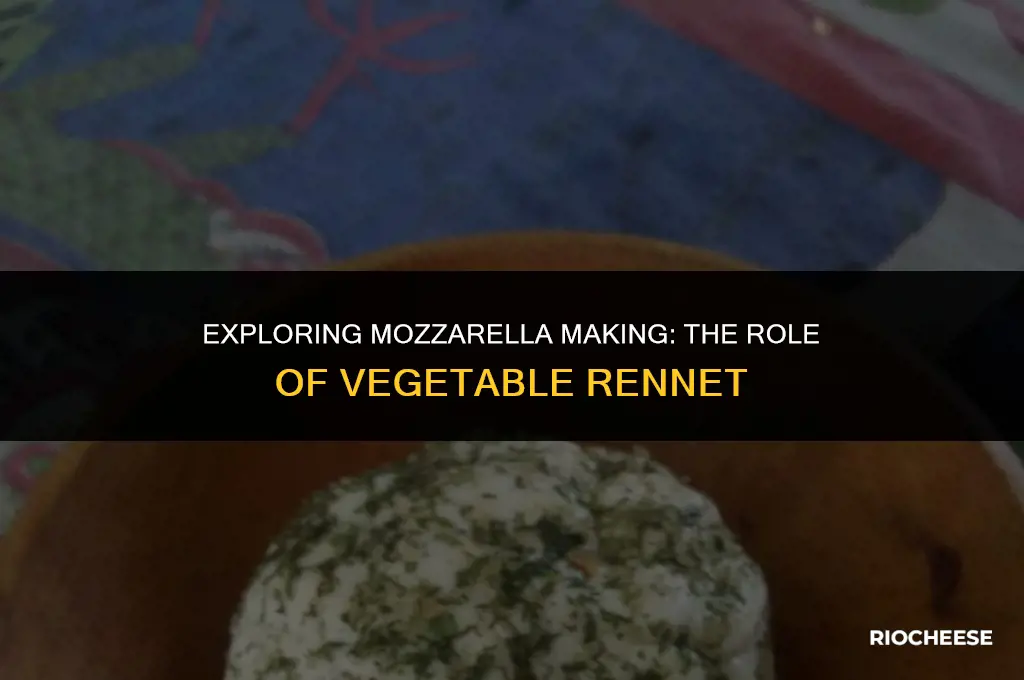
Vegetable rennet is a popular alternative to traditional animal-derived rennet, making it an appealing choice for vegetarians and those looking to reduce their environmental impact. Derived from microbial sources or genetically engineered organisms, vegetable rennet can indeed be used to make mozzarella cheese. The process involves adding the rennet to milk, which then coagulates to form curds. These curds are subsequently stretched and kneaded to achieve the characteristic texture of mozzarella. While the taste and texture may slightly differ from mozzarella made with animal rennet, many find vegetable rennet mozzarella to be a delicious and satisfying substitute.
Explore related products


What You'll Learn

What is vegetable rennet?
Vegetable rennet is a natural enzyme derived from plants, primarily used as a cheese-making agent. It serves as an alternative to traditional animal rennet, which is obtained from the stomach lining of ruminant mammals. This plant-based rennet is suitable for vegetarians and those who prefer to avoid animal products in their diet.
One of the most common sources of vegetable rennet is the cardoon plant (Cynara cardunculus), which is a thistle-like plant native to the Mediterranean region. The enzyme is extracted from the dried leaves or flowers of the cardoon and then purified for use in cheese production. Other sources of vegetable rennet include fig tree latex, pineapple, and microbial fermentation processes.
In the context of making mozzarella cheese, vegetable rennet can be used in a similar manner to animal rennet. It is added to the milk to initiate the coagulation process, which separates the curds from the whey. The curds are then stretched and kneaded to develop the characteristic texture of mozzarella cheese.
When using vegetable rennet, it is important to note that the coagulation process may be slightly slower compared to animal rennet. This can result in a slightly different texture and flavor profile for the final cheese product. However, many cheese makers find that the use of vegetable rennet does not significantly impact the overall quality of the mozzarella cheese.
In summary, vegetable rennet is a viable alternative to animal rennet for making mozzarella cheese. It is derived from plants, making it suitable for vegetarians and those who prefer plant-based products. While the coagulation process may be slightly slower, the final cheese product can still achieve a desirable texture and flavor profile.
Mozzarella Magic: Can This Cheese Elevate Your Popovers?
You may want to see also
Explore related products



How does vegetable rennet work in cheese-making?
Vegetable rennet is a popular alternative to traditional animal-derived rennet, and it plays a crucial role in the cheese-making process. Derived from the stomach lining of ruminant animals, traditional rennet contains the enzyme chymosin, which is responsible for coagulating milk. Vegetable rennet, on the other hand, is typically produced through the fermentation of microorganisms such as fungi or bacteria. These microorganisms produce enzymes similar to chymosin, which can effectively coagulate milk without the need for animal products.
The process of using vegetable rennet in cheese-making begins with the preparation of the milk. The milk is first pasteurized to kill any harmful bacteria and then cooled to the appropriate temperature for coagulation. The vegetable rennet is then added to the milk, and the mixture is gently stirred to ensure even distribution of the enzyme. The coagulation process typically takes around 30 minutes to an hour, during which time the milk will thicken and form curds.
Once the curds have formed, they are cut into smaller pieces and then cooked to release whey. The cooking process also helps to develop the flavor and texture of the cheese. After cooking, the curds are drained and then pressed into molds to form the final cheese product. The cheese is then aged for a period of time, during which it will develop its characteristic flavor and texture.
One of the benefits of using vegetable rennet is that it is suitable for vegetarians and vegans, as it does not contain any animal products. Additionally, vegetable rennet is often more consistent in its coagulating properties than traditional rennet, which can vary depending on the source. However, it is important to note that some types of vegetable rennet may not be suitable for certain types of cheese, so it is essential to choose the right type of rennet for the specific cheese being made.
In conclusion, vegetable rennet is a versatile and effective alternative to traditional animal-derived rennet. It can be used to make a wide variety of cheeses, including mozzarella, and is suitable for vegetarians and vegans. The process of using vegetable rennet in cheese-making is relatively straightforward and involves the preparation of the milk, the addition of the rennet, the coagulation process, the cutting and cooking of the curds, and the aging of the final cheese product.
Mozzarella Twist: Reinventing the Classic Philly Cheesesteak
You may want to see also
Explore related products


Is vegetable rennet suitable for mozzarella cheese?
Vegetable rennet is indeed suitable for making mozzarella cheese, offering a viable alternative to traditional animal-derived rennet. This plant-based coagulant is extracted from various sources, such as the stomach lining of ruminants or microbial cultures, and has been widely adopted in the dairy industry to cater to vegetarians and those concerned about animal welfare.
One of the key advantages of using vegetable rennet in mozzarella production is its ability to achieve a similar texture and flavor profile to that of animal rennet. This is particularly important for mozzarella, as its characteristic stretchiness and mild taste are essential qualities that consumers expect. By using vegetable rennet, cheese makers can ensure that their product meets these standards while also appealing to a broader audience.
When using vegetable rennet, it is crucial to follow the correct dosage and procedure to achieve optimal results. Typically, a small amount of rennet is added to the milk, which is then left to coagulate for a specific period. The curds are subsequently cut, drained, and stretched to create the iconic mozzarella texture. It is worth noting that some vegetable rennets may require slight adjustments in dosage or processing time compared to animal rennet, so it is essential to consult the manufacturer's guidelines and conduct trials to determine the best approach.
In addition to its suitability for mozzarella production, vegetable rennet also offers several practical benefits. It is generally more stable and has a longer shelf life than animal rennet, reducing the risk of spoilage and waste. Furthermore, it is often more cost-effective, making it an attractive option for both small-scale and large-scale cheese producers.
In conclusion, vegetable rennet is a suitable and advantageous alternative for making mozzarella cheese. It allows cheese makers to produce a high-quality product that meets consumer expectations while also catering to dietary preferences and ethical considerations. By following the correct procedures and dosages, producers can ensure that their mozzarella cheese is both delicious and sustainable.
Mozzarella Magic: A Cheesy Twist on Classic Quiche Recipes
You may want to see also
Explore related products


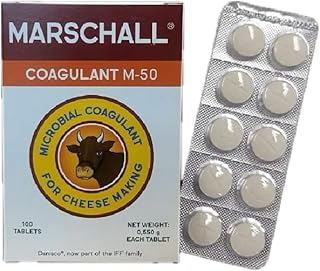

What are the benefits of using vegetable rennet?
Vegetable rennet offers several advantages over traditional animal-derived rennet, making it an attractive option for cheese makers and consumers alike. One of the primary benefits is its suitability for vegetarians and vegans, as it is derived from plant sources such as fig leaves, nettles, or microbial cultures, rather than from the stomach lining of calves. This makes it a more ethical and sustainable choice for those who avoid animal products.
In addition to its ethical appeal, vegetable rennet is also more environmentally friendly. The production of animal-derived rennet requires the slaughter of animals, which contributes to greenhouse gas emissions and other environmental impacts. Vegetable rennet, on the other hand, can be produced with minimal environmental impact, as it does not involve the killing of animals.
Another benefit of vegetable rennet is its consistency and reliability. Unlike animal-derived rennet, which can vary in strength and quality depending on the source, vegetable rennet is typically more uniform in its coagulating properties. This makes it easier for cheese makers to achieve consistent results in their cheese production.
Vegetable rennet is also more versatile than animal-derived rennet, as it can be used to make a wider variety of cheeses. While animal-derived rennet is primarily used for hard cheeses such as Parmesan and Cheddar, vegetable rennet can be used for both hard and soft cheeses, including mozzarella.
Finally, vegetable rennet is often more cost-effective than animal-derived rennet. As the demand for vegetarian and vegan products continues to grow, the cost of vegetable rennet has decreased, making it a more affordable option for cheese makers.
In conclusion, vegetable rennet offers several benefits over traditional animal-derived rennet, including its suitability for vegetarians and vegans, its environmental friendliness, its consistency and reliability, its versatility, and its cost-effectiveness. These advantages make it an increasingly popular choice for cheese makers and consumers who are looking for a more ethical, sustainable, and versatile alternative to animal-derived rennet.
From Pasteurized Milk to Mozzarella: A Cheese Lover's Guide
You may want to see also
Explore related products


Where can you buy vegetable rennet for home cheese-making?
For home cheese-makers looking to use vegetable rennet, several purchasing options are available. One of the most convenient places to start is online retailers specializing in cheese-making supplies. Websites like Amazon, Walmart, and specialty stores such as The Cheese Maker's Shop and Home Cheese Making offer a variety of vegetable rennet products. These can range from liquid rennet solutions to powdered forms, often sold in small quantities suitable for home use.
Another option is to visit local health food stores or co-ops, which sometimes carry vegetarian and vegan cheese-making supplies, including vegetable rennet. These stores often have knowledgeable staff who can provide guidance on the best products for specific cheese-making needs.
For those who prefer to shop in person, larger grocery stores with a focus on natural and organic products, such as Whole Foods Market, may also carry vegetable rennet. It's typically found in the section dedicated to vegetarian or vegan products, or sometimes in the specialty foods aisle.
When purchasing vegetable rennet, it's important to consider the potency and shelf life of the product. Rennet strength can vary, so it's crucial to follow the manufacturer's instructions for usage. Additionally, some home cheese-makers prefer to buy rennet tablets or powders that can be stored longer and used as needed, rather than liquid rennet which may have a shorter shelf life.
In summary, home cheese-makers can find vegetable rennet through online retailers, local health food stores, co-ops, and larger grocery stores specializing in natural products. By considering factors such as potency, shelf life, and storage preferences, cheese-makers can choose the best vegetable rennet product for their needs.
Mozzarella Magic: Transforming Fresh Cheese into Irresistible Sticks
You may want to see also
Frequently asked questions
Yes, vegetable rennet can be used to make mozzarella cheese. It is a suitable alternative to traditional animal-derived rennet and will produce a similar texture and flavor.
Vegetable rennet is a coagulating agent derived from plants, such as fig trees or safflower. It is used as a substitute for animal rennet in cheese-making and is suitable for vegetarians.
Vegetable rennet is generally considered to be just as effective as animal rennet in coagulating milk and producing high-quality cheese. However, some cheese-makers may prefer the traditional animal rennet for its consistency and familiarity.
Mozzarella cheese made with vegetable rennet should have a similar taste and texture to that made with animal rennet. The main difference may be in the coagulation time, as vegetable rennet can sometimes take longer to achieve the desired consistency.
Vegetable rennet can be more expensive than animal rennet, but prices can vary depending on the supplier and the quantity purchased. It is often considered a worthwhile investment for cheese-makers who wish to produce vegetarian-friendly products.