Andy Montoya
Mozzarella cheese, known for its creamy texture and mild flavor, is a versatile ingredient commonly used in various dishes. However, when it comes to making queso, a popular cheese dip often associated with Mexican cuisine, mozzarella is not the traditional choice. Queso typically calls for cheeses like Cheddar, Monterey Jack, or Oaxaca cheese, which have a distinct flavor and melting quality. Despite this, culinary experimentation has led some to wonder if mozzarella could be a suitable substitute in queso recipes. In this exploration, we delve into the characteristics of mozzarella cheese and how it might impact the taste and texture of queso, offering insights into whether this Italian cheese can find a place in this beloved Mexican dip.
Explore related products


What You'll Learn
- Mozzarella vs. Traditional Queso Cheeses: Compare mozzarella with typical queso cheeses like Cheddar or Monterey Jack
- Melting Properties: Discuss how mozzarella melts differently than other cheeses, affecting the texture of the queso
- Flavor Profile: Describe the mild flavor of mozzarella and how it might alter the taste of traditional queso recipes
- Substitution Tips: Offer advice on how to substitute mozzarella in queso recipes, including any necessary adjustments
- Culinary Uses: Suggest dishes where mozzarella queso might be particularly suitable, such as certain types of dips or casseroles

Mozzarella vs. Traditional Queso Cheeses: Compare mozzarella with typical queso cheeses like Cheddar or Monterey Jack
Mozzarella cheese, known for its mild flavor and stretchy texture, is a popular choice in many culinary applications, from pizzas to salads. However, when it comes to making queso, a traditional Mexican cheese dip, mozzarella is not the go-to option. Queso typically features cheeses like Cheddar or Monterey Jack, which have distinct characteristics that set them apart from mozzarella.
One of the primary differences between mozzarella and traditional queso cheeses is their melting properties. Mozzarella melts smoothly and evenly, creating a creamy texture that is ideal for pizza and other dishes. In contrast, Cheddar and Monterey Jack cheeses have a higher fat content, which results in a more robust melt that can be slightly oily. This oiliness is a desirable trait in queso, as it contributes to the dip's rich and indulgent flavor profile.
Another key distinction is the flavor. Mozzarella has a mild, slightly sweet taste that allows it to blend seamlessly with other ingredients. Cheddar, on the other hand, has a sharp, tangy flavor that adds a bold kick to queso. Monterey Jack falls somewhere in between, with a mild to moderate flavor that complements the other ingredients in the dip.
When considering the use of mozzarella in queso, it's important to note that while it may not provide the same flavor and texture as traditional queso cheeses, it can still be a viable alternative in certain situations. For example, if you're looking for a milder, less greasy queso option, mozzarella could be a good choice. Additionally, mozzarella's excellent melting properties can help create a smooth and creamy consistency in the dip.
In conclusion, while mozzarella cheese may not be the traditional choice for queso, it can still be used to create a delicious and satisfying dip. The key is to understand the differences between mozzarella and other queso cheeses, and to adjust your recipe accordingly to achieve the desired flavor and texture.
Mozzarella Magic: Reinventing Mac and Cheese with a Twist
You may want to see also
Explore related products


Melting Properties: Discuss how mozzarella melts differently than other cheeses, affecting the texture of the queso
Mozzarella cheese boasts a unique melting profile that sets it apart from other varieties, making it an intriguing choice for queso enthusiasts. Unlike cheddar or Monterey Jack, which melt into a smooth, uniform consistency, mozzarella tends to stretch and become stringy when heated. This characteristic is due to its high moisture content and the way its proteins align during the melting process. As a result, mozzarella-based queso often has a more textured, almost chewy quality, with visible strands of cheese stretching between bites.
The melting point of mozzarella is also noteworthy, as it tends to be lower than that of many other cheeses. This means that mozzarella queso can be achieved at a relatively low temperature, making it ideal for dips and spreads that require gentle heating to avoid burning or scorching. However, this low melting point can also be a challenge, as it may cause the queso to become too runny or lose its shape if overheated. To achieve the perfect mozzarella queso texture, it's essential to monitor the temperature closely and adjust the heat as needed.
In terms of flavor, mozzarella's mild taste allows it to blend seamlessly with a variety of spices and seasonings, making it a versatile base for queso recipes. Its subtle flavor profile also means that it won't overpower other ingredients, allowing the unique characteristics of each spice to shine through. This makes mozzarella an excellent choice for those who enjoy experimenting with different flavor combinations in their queso.
When using mozzarella in queso, it's important to consider the type of mozzarella being used, as this can significantly impact the final texture and flavor. Low-moisture mozzarella, often found in supermarkets, will produce a firmer, more structured queso, while high-moisture mozzarella, typically found in specialty stores or made fresh, will result in a creamier, more fluid consistency. Additionally, the age of the mozzarella can affect its melting properties, with fresher mozzarella tending to melt more smoothly and evenly than older varieties.
In conclusion, mozzarella's unique melting properties make it an interesting and flavorful choice for queso, offering a distinct texture and taste that sets it apart from other cheese varieties. By understanding and working with these properties, queso enthusiasts can create delicious and innovative mozzarella-based dips and spreads that are sure to impress.
Mozzarella Magic: Can This Cheese Elevate Your Popovers?
You may want to see also
Explore related products


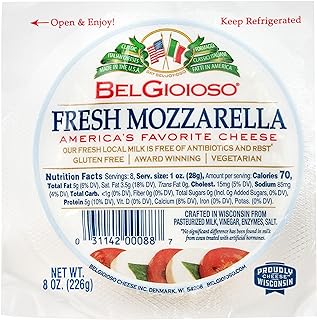
Flavor Profile: Describe the mild flavor of mozzarella and how it might alter the taste of traditional queso recipes
Mozzarella cheese is renowned for its mild, creamy flavor, which makes it a versatile ingredient in various culinary applications. When used in queso recipes, mozzarella can significantly alter the taste profile, imparting a subtle, milky richness that complements the other ingredients. Unlike sharper cheeses such as cheddar or Monterey Jack, mozzarella doesn't overpower the dish but rather enhances its overall creaminess and texture.
In traditional queso recipes, the cheese is often melted with other ingredients like tomatoes, onions, and spices to create a smooth, savory dip. Mozzarella's mild flavor allows it to blend seamlessly with these components, adding a delicate creaminess without masking the other flavors. This makes it an excellent choice for those who prefer a milder queso or want to balance out the heat from spicy ingredients.
One of the key benefits of using mozzarella in queso is its excellent melting properties. Mozzarella melts smoothly and evenly, creating a consistent texture throughout the dish. This is particularly important in queso, where a creamy, uniform consistency is desired. Additionally, mozzarella's high moisture content helps to keep the queso moist and prevents it from drying out or becoming too thick.
When incorporating mozzarella into queso recipes, it's important to consider the ratio of mozzarella to other cheeses. Since mozzarella is milder, it may be necessary to use a higher proportion of it to achieve the desired flavor balance. Experimenting with different ratios can help find the perfect blend that suits individual taste preferences.
In conclusion, mozzarella cheese can be a valuable addition to queso recipes, offering a mild, creamy flavor that enhances the dish's overall taste and texture. Its excellent melting properties and high moisture content make it an ideal choice for creating a smooth, consistent queso. By carefully balancing the ratio of mozzarella to other cheeses, one can achieve a delicious and satisfying queso that caters to a variety of palates.
Mozzarella Twist: Reinventing the Classic Philly Cheesesteak
You may want to see also
Explore related products


Substitution Tips: Offer advice on how to substitute mozzarella in queso recipes, including any necessary adjustments
Mozzarella can be a suitable substitute for traditional queso cheeses like Monterey Jack or Cheddar, but it requires some adjustments to achieve the best results. First, it's important to note that mozzarella has a higher moisture content than most queso cheeses, which can affect the texture and consistency of the final dish. To compensate for this, you may need to reduce the amount of liquid ingredients in your recipe, such as milk or cream, to prevent the queso from becoming too watery.
Another consideration is the flavor profile of mozzarella, which is milder and less tangy than many queso cheeses. To enhance the flavor, you can add a small amount of lime juice or vinegar to introduce some acidity, or incorporate additional seasonings like cumin, chili powder, or smoked paprika to give the queso a more robust taste.
When melting mozzarella for queso, it's crucial to do so slowly and gently over low heat to prevent the cheese from becoming tough or stringy. You can also mix in a small amount of cornstarch or flour to help thicken the queso and improve its texture.
Finally, keep in mind that mozzarella queso may not have the same stretchiness or gooeyness as traditional queso made with Monterey Jack or Cheddar. If you're looking for that signature queso texture, you may want to blend mozzarella with another cheese that has better melting properties, such as Oaxaca cheese or Asadero.
By following these substitution tips, you can successfully use mozzarella in queso recipes and create a delicious, satisfying dish that meets your expectations.
Elevate Your Lasagna: The Fresh Mozzarella Cheese Twist
You may want to see also
Explore related products


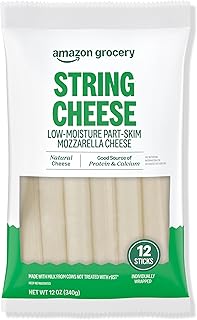


Culinary Uses: Suggest dishes where mozzarella queso might be particularly suitable, such as certain types of dips or casseroles
Mozzarella queso, a delightful fusion of Italian and Mexican flavors, offers a creamy and mild alternative to traditional cheddar-based queso. Its smooth texture and subtle taste make it an excellent choice for a variety of dishes, particularly those that benefit from a rich, yet not overpowering, cheese sauce. One such dish is a spinach and artichoke dip, where the mozzarella queso adds a luxurious creaminess without competing with the bold flavors of the vegetables. Simply combine equal parts mozzarella queso and sour cream, then mix in sautéed spinach and artichoke hearts. Bake until bubbly and serve with tortilla chips or crusty bread for a crowd-pleasing appetizer.
Another dish where mozzarella queso shines is in a chicken and broccoli casserole. The mild flavor of the queso complements the tender chicken and crisp broccoli, while its creamy consistency binds the ingredients together beautifully. To prepare, cook chicken breasts until fully done and chop into bite-sized pieces. Steam broccoli florets until tender but still vibrant. In a separate saucepan, melt mozzarella queso with a splash of milk to achieve a smooth sauce. Combine the chicken, broccoli, and queso sauce in a baking dish, top with shredded mozzarella cheese, and bake until golden and bubbly. This comforting casserole is perfect for a family dinner or potluck gathering.
For a more adventurous culinary endeavor, consider using mozzarella queso in a stuffed bell pepper recipe. The creamy queso pairs wonderfully with the sweet, slightly smoky flavor of roasted bell peppers. Cut the tops off bell peppers and remove the seeds and membranes. Stuff each pepper with a mixture of cooked rice, black beans, diced tomatoes, and mozzarella queso. Bake in a covered dish until the peppers are tender and the filling is heated through. Uncover and top with additional shredded mozzarella cheese, then bake until the cheese is melted and lightly browned. This dish not only showcases the versatility of mozzarella queso but also provides a nutritious and satisfying meal.
In conclusion, mozzarella queso's mild flavor and creamy texture make it a versatile ingredient for a variety of dishes. From dips to casseroles, this cheese fusion adds a unique twist to traditional recipes, offering a delicious and unexpected flavor profile. Experiment with mozzarella queso in your favorite dishes and discover new ways to elevate your culinary creations.
Mozzarella Magic: Reinventing Chicken Cordon Bleu with a Cheesy Twist
You may want to see also
Frequently asked questions
While mozzarella cheese can be used in queso, it's not the traditional choice. Mozzarella has a milder flavor and different melting properties compared to cheeses like Cheddar or Monterey Jack, which are more commonly used in queso recipes.
The best cheese for making queso depends on personal preference, but popular choices include Cheddar, Monterey Jack, and a blend of various cheeses. These cheeses melt well and provide a rich, creamy texture and robust flavor that complements the other ingredients in queso.
To make queso with mozzarella cheese, start by melting the mozzarella in a saucepan over medium heat. Add milk or cream to achieve the desired consistency, and then mix in seasonings like cumin, chili powder, and garlic powder. You can also add diced tomatoes, onions, and jalapeños for extra flavor. Serve warm with tortilla chips.