 Kamil Perry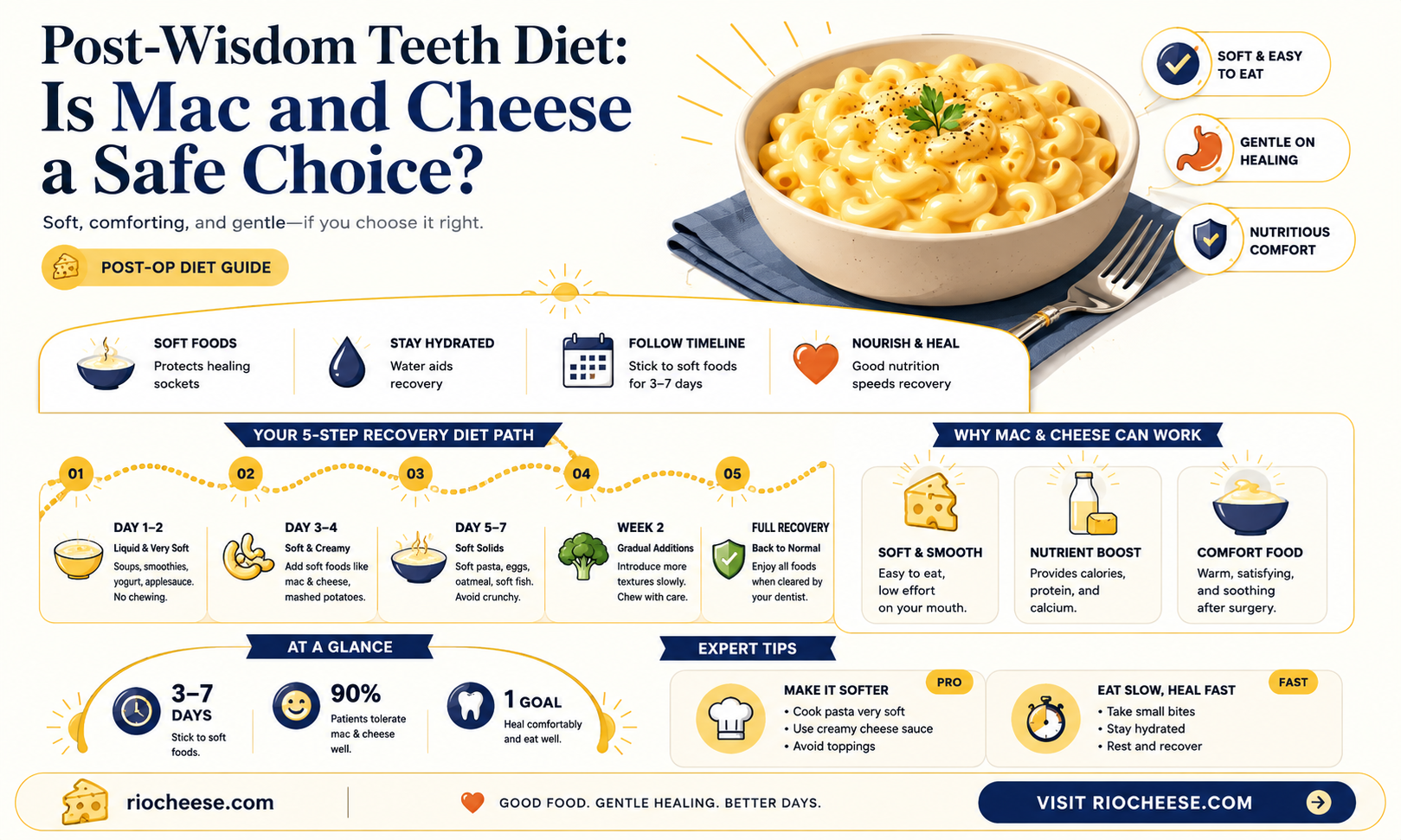
After undergoing wisdom teeth surgery, patients often wonder about the types of food they can consume during the recovery period. One popular comfort food that comes to mind is macaroni and cheese. However, it's essential to consider the texture and temperature of the dish, as well as the potential for irritation or infection. In general, it's recommended to avoid hot, spicy, or crunchy foods immediately after the procedure. So, can you eat mac n cheese after wisdom teeth removal? The answer depends on several factors, including the specific recipe, the temperature at which it's served, and the individual's healing process.
Explore related products



What You'll Learn
- Soft Food Diet: Mac n cheese is a soft food, generally recommended after wisdom teeth surgery for easy consumption
- Nutrient Content: It provides carbohydrates and protein, which are essential for recovery and maintaining energy levels post-surgery
- Temperature Sensitivity: Ensure the mac n cheese isn't too hot, as extreme temperatures can irritate the surgical site
- Chewing and Swallowing: The creamy texture of mac n cheese makes it easier to chew and swallow, minimizing discomfort
- Hygiene and Cleanliness: Be cautious to avoid getting food particles stuck in the surgical site, which can lead to infection

Soft Food Diet: Mac n cheese is a soft food, generally recommended after wisdom teeth surgery for easy consumption
Macaroni and cheese, a quintessential comfort food, is often recommended as part of a soft food diet following wisdom teeth surgery. This is due to its easy-to-chew texture and minimal requirement for jaw movement, which can be particularly beneficial when recovering from oral surgery. The soft, creamy consistency of mac and cheese can help reduce discomfort and the risk of irritating the surgical site.
When considering mac and cheese as a post-surgery meal, it's important to ensure that the dish is not too hot, as extreme temperatures can cause pain or damage to the sensitive tissues in the mouth. Additionally, opting for a version with smaller pasta shapes can make it easier to consume without having to chew excessively. Homemade mac and cheese can be tailored to these needs, allowing for better control over the ingredients and cooking process.
While mac and cheese can be a suitable choice for a soft food diet, it's essential to maintain a balanced diet to support the healing process. Incorporating a variety of nutrient-rich, soft foods such as mashed potatoes, soups, and smoothies can provide the necessary vitamins and minerals for recovery. It's also crucial to stay hydrated and avoid foods that are too spicy, acidic, or crunchy, as these can irritate the mouth and hinder healing.
In summary, macaroni and cheese can be a comforting and practical option for individuals recovering from wisdom teeth surgery, as long as it is consumed at a moderate temperature and as part of a well-rounded, soft food diet. By making informed choices and prioritizing oral care, patients can enjoy this classic dish while promoting their overall recovery and health.
Elevate Your Mac and Cheese: The Asiago Cheese Twist
You may want to see also
Explore related products


Nutrient Content: It provides carbohydrates and protein, which are essential for recovery and maintaining energy levels post-surgery
Macaroni and cheese can be a beneficial food choice after wisdom teeth surgery due to its nutrient content. The carbohydrates in macaroni provide a quick source of energy, which is crucial for recovery as your body works to heal. Protein, found in the cheese, is essential for tissue repair and maintaining muscle mass during the recovery period.
However, it's important to consider the texture and temperature of the macaroni and cheese. Immediately after surgery, you may want to opt for a softer, cooler version to avoid irritating the surgical site. As you progress in your recovery, you can gradually introduce warmer and firmer textures.
Additionally, be mindful of the sodium content in store-bought or restaurant versions of macaroni and cheese, as excessive salt can lead to dehydration and may interfere with the healing process. Preparing the dish at home allows you to control the amount of salt and choose healthier ingredients, such as whole-grain pasta and low-fat cheese.
In summary, macaroni and cheese can be a nutritious and comforting food option after wisdom teeth surgery, providing essential carbohydrates and protein for recovery. Just be sure to adjust the texture and temperature to your comfort level and opt for healthier, lower-sodium versions to support your healing process.
Comfort Food Cravings: Mac and Cheese After Tooth Extraction?
You may want to see also
Explore related products


Temperature Sensitivity: Ensure the mac n cheese isn't too hot, as extreme temperatures can irritate the surgical site
After wisdom teeth surgery, it's crucial to be mindful of the temperature of the food you consume, including macaroni and cheese. Extreme temperatures, both hot and cold, can cause discomfort and potentially irritate the surgical site. This sensitivity is due to the inflammation and exposed nerve endings in the area where the teeth were extracted.
To enjoy macaroni and cheese without causing discomfort, it's essential to ensure that it's at a comfortable temperature. This can be achieved by allowing the dish to cool down for a few minutes after cooking or reheating. You can also test the temperature by touching a small amount to your tongue or the inside of your cheek. If it feels too hot, wait a bit longer before consuming it.
It's also important to note that the temperature sensitivity may vary from person to person and can change over time as the healing process progresses. Some individuals may find that they can tolerate warmer foods sooner than others. However, it's always best to err on the side of caution and avoid extremely hot foods for at least a few days after surgery.
In addition to temperature, it's essential to consider the texture of the macaroni and cheese. Very crunchy or chewy textures can also cause discomfort and potentially damage the surgical site. Opting for a softer, creamier version of the dish can be more comfortable to eat during the healing process.
Remember, the key to a smooth recovery after wisdom teeth surgery is to be gentle with your mouth and avoid any foods or behaviors that could cause irritation or discomfort. By being mindful of the temperature and texture of your food, you can enjoy your favorite dishes, like macaroni and cheese, without hindering your healing.
Savoring Comfort: The Perfect Mac 'n' Cheese Serving Size
You may want to see also
Explore related products


Chewing and Swallowing: The creamy texture of mac n cheese makes it easier to chew and swallow, minimizing discomfort
The creamy texture of macaroni and cheese can indeed make it easier to chew and swallow, which is particularly beneficial after wisdom teeth surgery. When the macaroni is cooked to a soft consistency and mixed with a rich, creamy cheese sauce, it becomes a more manageable food option for individuals recovering from oral surgery. The smooth texture reduces the need for extensive chewing, which can be painful and uncomfortable when the mouth is still healing.
One of the key advantages of macaroni and cheese in this context is its ability to be easily broken down into smaller, more manageable bites. This is important because large or tough pieces of food can exacerbate discomfort and potentially damage the surgical site. By opting for a dish with a naturally soft and creamy texture, individuals can minimize the risk of irritation and promote a smoother recovery process.
Additionally, the warm temperature of freshly prepared macaroni and cheese can provide a soothing sensation to the mouth and throat. This can be particularly comforting during the initial stages of recovery when the area around the wisdom teeth may be swollen and tender. The warmth of the dish can help to relax the muscles in the jaw and throat, making it easier to swallow and reducing the overall discomfort associated with eating.
However, it is important to note that while macaroni and cheese can be a suitable food option after wisdom teeth surgery, it should not be the sole component of one's diet during the recovery period. A balanced diet that includes a variety of soft, nutrient-rich foods is essential for promoting proper healing and maintaining overall health. It is also crucial to follow the specific dietary guidelines provided by the oral surgeon or healthcare provider to ensure a safe and successful recovery.
In conclusion, the creamy texture of macaroni and cheese makes it a practical and comforting food choice for individuals recovering from wisdom teeth surgery. Its soft consistency, ease of swallowing, and soothing warmth can help to minimize discomfort and promote a smoother healing process. However, it is essential to maintain a balanced diet and follow professional dietary recommendations to ensure optimal recovery outcomes.
Delicious Quart of Mac and Cheese: Cost Breakdown and Recipe Ideas
You may want to see also
Explore related products


Hygiene and Cleanliness: Be cautious to avoid getting food particles stuck in the surgical site, which can lead to infection
Maintaining impeccable hygiene and cleanliness is paramount after wisdom teeth surgery to prevent infections. One of the most critical precautions is to avoid getting food particles stuck in the surgical site. This can be achieved by carefully rinsing your mouth with an antiseptic mouthwash and gently brushing your teeth, avoiding the surgical area, for at least a week post-operation. It's also advisable to use a soft-bristled toothbrush to minimize irritation.
When it comes to eating, opt for soft, easily chewable foods that are less likely to leave residue in your mouth. Macaroni and cheese, while a comfort food, should be consumed with caution. Ensure it's not too hot, as extreme temperatures can irritate the surgical site, and chew slowly and thoroughly to avoid any particles getting trapped. It's also beneficial to eat smaller, more frequent meals to reduce the risk of food debris accumulation.
In addition to dietary modifications, it's essential to keep your mouth clean throughout the day. Use a saline rinse or an antiseptic mouthwash as directed by your dentist or oral surgeon. Avoid using straws, as the suction can dislodge blood clots and delay healing. If you must drink through a straw, use a wider one to minimize this risk.
Remember, the key to preventing infection is vigilance. Regularly inspect the surgical site for any signs of redness, swelling, or discharge, which could indicate an infection. If you notice any of these symptoms, contact your healthcare provider immediately. By following these hygiene and cleanliness guidelines, you can significantly reduce the risk of complications and ensure a smooth recovery after wisdom teeth surgery.
Mac and Cheese Math: Feeding a Crowd on a Budget
You may want to see also
Frequently asked questions
It's generally recommended to avoid eating macaroni and cheese immediately after wisdom teeth removal. The hot temperature and chewy texture can irritate the surgical site and potentially dislodge the blood clot, leading to complications like dry socket.
Typically, you should wait at least 24-48 hours before consuming macaroni and cheese or any other hot, chewy, or spicy foods. This allows the surgical site to heal and the blood clot to form properly.
After wisdom teeth surgery, it's best to stick to soft, cool, and easy-to-chew foods. Some good options include mashed potatoes, yogurt, applesauce, smoothies, and soups. Avoid hot, spicy, or crunchy foods that could irritate the surgical site.
Eating macaroni and cheese too soon after wisdom teeth removal can increase the risk of complications like dry socket, infection, and prolonged healing time. The heat and chewiness can dislodge the blood clot that forms in the socket, which is crucial for proper healing.


