Randy Chandler
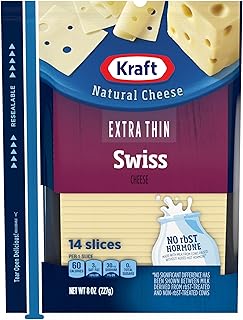
When considering the nutritional content of baby Swiss cheese, one important aspect to examine is its carbohydrate content. Baby Swiss cheese, known for its mild flavor and smooth texture, is a popular choice among cheese enthusiasts. While cheese is generally low in carbohydrates compared to other food groups, it does contain some carbs, primarily in the form of lactose. The amount of carbohydrates in baby Swiss cheese can vary depending on the specific brand and production process. On average, a one-ounce serving of baby Swiss cheese contains approximately 0.6 to 1.0 grams of carbohydrates. This makes it a relatively low-carb option, suitable for those following a ketogenic or low-carbohydrate diet. However, individuals with lactose intolerance should be cautious, as the lactose content may cause digestive discomfort.
Explore related products



What You'll Learn

Nutritional content of baby Swiss cheese
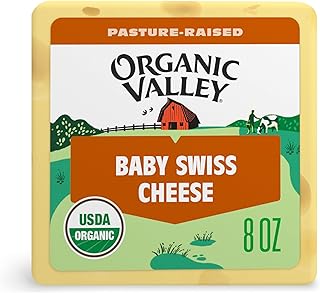
Baby Swiss cheese, known for its mild flavor and smooth texture, is a popular choice among cheese enthusiasts. But what exactly is its nutritional content? Let's delve into the specifics.
In terms of macronutrients, baby Swiss cheese is primarily composed of protein and fat. A 1-ounce serving typically contains around 6 grams of protein and 5 grams of fat. The protein content is beneficial for muscle growth and repair, while the fat provides energy and supports cell function. However, it's important to note that the fat content can vary depending on the type of milk used in its production. Whole milk varieties will have a higher fat content compared to those made from skim or low-fat milk.
When it comes to carbohydrates, baby Swiss cheese is relatively low in this macronutrient. A 1-ounce serving usually contains less than 1 gram of carbohydrates. This makes it a suitable option for those following a low-carb diet or managing their carbohydrate intake. The minimal carbohydrate content is due to the fact that most of the lactose, a type of sugar found in milk, is removed during the cheese-making process.
In addition to macronutrients, baby Swiss cheese also contains various micronutrients. It is a good source of calcium, which is essential for strong bones and teeth. A 1-ounce serving can provide around 20% of the recommended daily intake of calcium. Other notable micronutrients include phosphorus, zinc, and vitamins A and B12. These nutrients play crucial roles in overall health, from supporting immune function to aiding in red blood cell formation.
It's worth mentioning that while baby Swiss cheese is nutritious, it should be consumed in moderation as part of a balanced diet. The high fat and calorie content can contribute to weight gain if consumed excessively. Additionally, individuals with lactose intolerance or dairy allergies should avoid this type of cheese.
In conclusion, baby Swiss cheese is a nutrient-dense food that offers a good balance of protein, fat, and essential micronutrients with minimal carbohydrate content. When consumed as part of a varied and balanced diet, it can contribute to overall health and well-being.
Unveiling the Carb Count: A Whopper with Cheese Breakdown
You may want to see also
Explore related products


Carbohydrate presence in dairy products
Dairy products, including cheese, contain varying amounts of carbohydrates. The primary source of carbohydrates in dairy is lactose, a natural sugar found in milk. During the cheese-making process, some of the lactose is converted into lactic acid by bacteria, which gives cheese its characteristic tangy flavor. However, the amount of lactose that remains in the cheese varies depending on the type and aging process.
Baby Swiss cheese, also known as Emmental, is a type of Swiss cheese that is typically lower in lactose compared to other cheeses. This is because it undergoes a longer fermentation process, which allows more of the lactose to be converted into lactic acid. As a result, Baby Swiss cheese is often considered a good option for individuals who are lactose intolerant or following a low-carb diet.
Despite its lower lactose content, Baby Swiss cheese still contains some carbohydrates. The exact amount can vary depending on the specific brand and production method, but on average, a 1-ounce serving of Baby Swiss cheese contains around 1-2 grams of carbohydrates. This is relatively low compared to other types of cheese, such as cheddar or mozzarella, which can contain 3-5 grams of carbohydrates per ounce.
For individuals who are closely monitoring their carbohydrate intake, it's important to note that even small amounts of carbohydrates can add up. Therefore, it's essential to consider the overall dietary context when consuming Baby Swiss cheese. For example, if someone is following a ketogenic diet, which typically limits carbohydrate intake to 20-50 grams per day, they may need to be cautious about their portion sizes or balance their cheese consumption with other low-carb foods.
In conclusion, while Baby Swiss cheese is a lower-carb option compared to some other cheeses, it still contains some carbohydrates due to the presence of lactose. Individuals who are sensitive to carbohydrates should be aware of this and consider their overall dietary needs when incorporating Baby Swiss cheese into their meals.
Exploring the Low-Carb Landscape: Is Cheese a Friend or Foe?
You may want to see also
Explore related products


Health benefits of low-carb cheeses
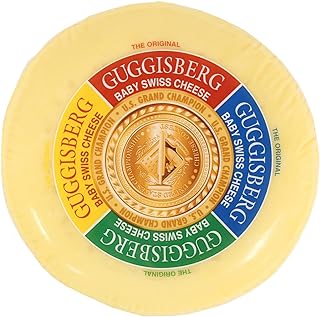
Low-carb cheeses, such as baby Swiss, offer several health benefits that make them an attractive option for those following a ketogenic or low-carbohydrate diet. One of the primary advantages is their high protein content, which can help with muscle maintenance and satiety. Additionally, these cheeses are rich in calcium, which is essential for bone health, and they also contain vitamins A and B12, as well as riboflavin and zinc.
Another significant benefit of low-carb cheeses is their potential to improve heart health. Many low-carb cheeses are high in conjugated linoleic acid (CLA), a type of fatty acid that has been shown to reduce body fat and lower the risk of heart disease. Furthermore, the high fat content in these cheeses can help to increase the absorption of fat-soluble vitamins, such as vitamin D, which is crucial for immune function and bone health.
Low-carb cheeses can also be beneficial for those with type 2 diabetes. The high protein and fat content can help to stabilize blood sugar levels, reducing the risk of blood sugar spikes and crashes. Additionally, the low carbohydrate content means that these cheeses will not contribute significantly to the daily carbohydrate intake, making them a suitable option for those trying to manage their diabetes through diet.
However, it is important to note that not all low-carb cheeses are created equal. Some may contain additives or preservatives that can be detrimental to health. It is essential to choose high-quality, full-fat cheeses that are free from unnecessary additives. Additionally, while low-carb cheeses can be a healthy addition to a balanced diet, they should be consumed in moderation as part of an overall healthy eating plan.
In conclusion, low-carb cheeses like baby Swiss offer a range of health benefits, from supporting muscle and bone health to potentially improving heart health and blood sugar control. By choosing high-quality options and consuming them in moderation, individuals can enjoy these benefits as part of a balanced, low-carbohydrate diet.
The Nutritional Lowdown: Carbs and Sugar in Cheese Explained
You may want to see also
Explore related products


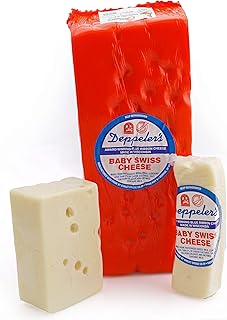
Comparison with other cheese types
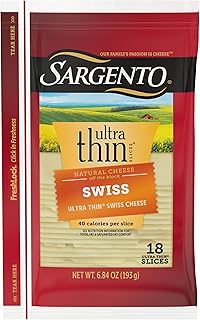
When comparing baby Swiss cheese to other types of cheese in terms of carbohydrate content, it's essential to understand that most cheeses are relatively low in carbs. Baby Swiss cheese, in particular, contains approximately 0.6 grams of carbohydrates per 100 grams, making it a suitable option for those following a low-carb diet. In contrast, some cheeses like cottage cheese and ricotta can have higher carb contents due to their production processes. Cottage cheese, for instance, can contain around 3-4 grams of carbs per 100 grams, primarily in the form of lactose. Ricotta cheese may have about 2-3 grams of carbs per 100 grams.
Hard cheeses such as cheddar, Parmesan, and Gouda are generally lower in carbs compared to softer cheeses. For example, cheddar cheese typically has around 0.2-0.3 grams of carbs per 100 grams, while Parmesan has about 0.3 grams. These hard cheeses undergo a more extensive aging process, which reduces their lactose content and, consequently, their carbohydrate levels.
It's also worth noting that some cheeses, like blue cheese and feta, can have minimal carb content, often less than 1 gram per 100 grams. These cheeses are made through processes that involve the introduction of specific molds or bacteria, which can further reduce their lactose levels.
In summary, baby Swiss cheese is comparable to many other low-carb cheeses, making it a favorable choice for individuals looking to minimize their carbohydrate intake. However, it's always important to check the specific nutritional information for each type of cheese, as there can be variations based on the production method and ingredients used.
Exploring the Carb Content in Swiss Cheese: A Nutritional Breakdown
You may want to see also
Explore related products


Dietary considerations for carb intake
For individuals monitoring their carbohydrate intake, understanding the nutritional content of various foods is crucial. Baby Swiss cheese, known for its mild flavor and smooth texture, is a dairy product that can fit into a low-carb diet. However, it's essential to consider the specific dietary needs and restrictions when incorporating it into meal plans.
One of the primary considerations is the lactose content in baby Swiss cheese. Lactose is a type of sugar found in milk and dairy products, which can contribute to the overall carbohydrate count. For those with lactose intolerance or following a very strict low-carb regimen, this might be a concern. It's important to note that the lactose content can vary depending on the specific brand and production process of the cheese.
Another factor to consider is portion control. While baby Swiss cheese can be a part of a balanced diet, overconsumption can lead to an increase in calorie and carbohydrate intake. It's recommended to enjoy it in moderation and pair it with other low-carb foods to maintain a balanced meal.
For those following specific dietary plans, such as the ketogenic diet or Atkins diet, it's crucial to track the net carb content of baby Swiss cheese. Net carbs are calculated by subtracting the fiber and sugar alcohols from the total carbohydrate content. This information can usually be found on the nutrition label or by consulting a reliable nutritional database.
In summary, baby Swiss cheese can be a part of a low-carb diet, but it's essential to consider individual dietary needs, portion control, and the specific carbohydrate content of the product. By being mindful of these factors, one can enjoy the benefits of this delicious cheese while maintaining a balanced and healthy diet.
Mozzarella Cheese Sticks: A Low-Carb Snack Option
You may want to see also
Frequently asked questions
Yes, baby Swiss cheese does contain carbohydrates. Typically, a 1-ounce serving of baby Swiss cheese has about 1 gram of carbohydrates.
Baby Swiss cheese is a good source of protein. A 1-ounce serving generally contains around 6 grams of protein.
Baby Swiss cheese has a moderate amount of fat. A 1-ounce serving usually contains about 4.5 grams of total fat, with 2.5 grams being saturated fat.
No, baby Swiss cheese is not lactose-free. It contains lactose, a type of sugar found in milk, which can cause issues for individuals with lactose intolerance.
Baby Swiss cheese is versatile and can be used in various recipes. It's often used in sandwiches, salads, and as a topping for burgers. It can also be melted in sauces, casseroles, or used as a filling for pastries and quiches.