Frederic Melton
Feta cheese and queso fresco are two distinct types of cheese that, while sharing some similarities, have unique characteristics and uses in culinary traditions. Feta, originating from Greece, is a brined curd white cheese made in Greece from sheep's milk or from a mixture of sheep and goat's milk. It is known for its crumbly texture and tangy, salty flavor, often used in salads, pastries, and as a table cheese. Queso fresco, on the other hand, is a fresh, soft, white cheese commonly used in Mexican cuisine. It is made from cow's milk and has a mild, slightly tangy flavor with a moist, crumbly texture. Queso fresco is often used in dishes like tacos, enchiladas, and as a topping for soups and salads. Despite both being white cheeses with crumbly textures, their flavors, origins, and culinary applications set them apart.
| Characteristics | Values |
|---|---|
| Origin | Feta cheese originates from Greece, while queso fresco is a Mexican cheese. |
| Milk Source | Feta cheese is typically made from sheep's milk or a mixture of sheep and goat's milk. Queso fresco is usually made from cow's milk. |
| Texture | Feta cheese has a crumbly, grainy texture. Queso fresco is soft and moist with a slightly crumbly texture. |
| Flavor | Feta cheese has a tangy, salty, and slightly sour flavor. Queso fresco has a mild, slightly tangy, and creamy flavor. |
| Aging Process | Feta cheese is aged for several months, which contributes to its distinct flavor and texture. Queso fresco is a fresh cheese and is not aged. |
| Moisture Content | Feta cheese has a lower moisture content compared to queso fresco, which is higher in moisture. |
| Fat Content | Feta cheese generally has a higher fat content than queso fresco. |
| Uses in Cuisine | Feta cheese is commonly used in Greek salads, pastries, and as a topping for various dishes. Queso fresco is often used in Mexican dishes like tacos, enchiladas, and as a topping for soups and salads. |
| Appearance | Feta cheese appears white or off-white with a crumbly texture. Queso fresco looks white and moist with a smooth surface. |
| Production Process | Feta cheese is made by curdling milk with rennet, then draining and aging the curds. Queso fresco is made by curdling milk with an acid like lemon juice or vinegar, then draining the curds and pressing them into shape. |
| Shelf Life | Feta cheese has a longer shelf life due to its aging process. Queso fresco has a shorter shelf life because it is a fresh cheese. |
| Nutritional Content | Feta cheese is higher in protein and calcium but also higher in fat and calories. Queso fresco is lower in fat and calories but also lower in protein and calcium compared to feta cheese. |
Explore related products


What You'll Learn
- Origin and Culture: Feta originates from Greece, while queso fresco is a staple in Mexican cuisine
- Production Process: Both cheeses are made from cow's milk, but feta is brined, and queso fresco is not
- Texture and Taste: Feta has a crumbly texture and salty flavor, whereas queso fresco is creamy and mild
- Usage in Dishes: Feta is often used in salads and Mediterranean dishes, while queso fresco is a key ingredient in Mexican recipes
- Nutritional Content: Comparing the nutritional profiles, including fat, protein, and calcium content, of feta and queso fresco

Origin and Culture: Feta originates from Greece, while queso fresco is a staple in Mexican cuisine
Feta cheese and queso fresco, while both beloved in their respective cuisines, have distinct origins and cultural significances. Feta, a brined curd white cheese, is deeply rooted in Greek tradition, with its history dating back thousands of years. It is often associated with the Mediterranean diet and is a key ingredient in many Greek dishes, from salads to pastries. The production of feta is a protected designation of origin (PDO) in the European Union, ensuring that it is made according to specific traditional methods in certain regions of Greece.
On the other hand, queso fresco, a soft, crumbly, and moist cheese, is a cornerstone of Mexican gastronomy. It is typically made from cow's milk and is known for its mild flavor and creamy texture. Queso fresco is often used as a topping for dishes like tacos, enchiladas, and salads, or as a filling for pastries and empanadas. Its versatility and unique taste make it an indispensable ingredient in Mexican cooking.
The cultural importance of these cheeses extends beyond their culinary uses. In Greece, feta is a symbol of hospitality and is often served to guests as a sign of welcome. It is also a staple in religious and festive occasions, reflecting its integral role in Greek society. Similarly, in Mexico, queso fresco is not just a food item but a part of the country's heritage. It is commonly enjoyed during family gatherings, celebrations, and traditional festivals, embodying the warmth and richness of Mexican culture.
In conclusion, while feta cheese and queso fresco may share some similarities in appearance and texture, their origins and cultural roles are distinctly different. Feta is a product of Greek tradition, deeply intertwined with the country's history and customs, whereas queso fresco is a beloved ingredient in Mexican cuisine, symbolizing the nation's culinary heritage and social values. Understanding these differences not only enriches our appreciation of these cheeses but also offers a glimpse into the diverse and vibrant cultures they represent.
Exploring Dairy Alternatives: Is Feta Cheese Suitable for Lactose Intolerance?
You may want to see also
Explore related products




Production Process: Both cheeses are made from cow's milk, but feta is brined, and queso fresco is not
The production processes of feta and queso fresco cheeses, while both originating from cow's milk, diverge significantly after the initial stages. Feta cheese undergoes a brining process, which involves soaking the curds in a saltwater solution. This brining step is crucial as it not only preserves the cheese but also imparts its characteristic tangy flavor and crumbly texture. The duration of brining can vary, typically ranging from a few days to several weeks, depending on the desired intensity of flavor and firmness of texture.
In contrast, queso fresco does not undergo brining. Instead, after the curds are formed, they are drained and then often pressed to expel excess moisture. This pressing process helps to shape the cheese into its typical round or rectangular forms and contributes to its firm yet slightly crumbly texture. The absence of brining in queso fresco production results in a milder flavor profile compared to feta, with a less pronounced tanginess.
Both cheeses are typically aged for a relatively short period, which contributes to their fresh and mild characteristics. However, the aging process for feta can sometimes be longer, allowing for a more developed flavor. The aging environment for both cheeses is usually controlled to ensure consistent quality and flavor development.
In summary, while both feta and queso fresco start with cow's milk, the key difference in their production lies in the brining process that feta undergoes, which is absent in queso fresco production. This difference significantly impacts their flavor profiles, textures, and preservation qualities, making them distinct despite their shared dairy origin.
The Truth About Feta: Is It Truly Processed Cheese?
You may want to see also
Explore related products


Texture and Taste: Feta has a crumbly texture and salty flavor, whereas queso fresco is creamy and mild
Feta cheese and queso fresco, while both popular in various cuisines, exhibit distinct textural and flavor profiles that set them apart. Feta is characterized by its crumbly texture, which makes it ideal for sprinkling over salads or crumbling into dishes where a burst of salty flavor is desired. This crumbly nature is a result of the cheese's aging process, during which it loses moisture and becomes firmer. The saltiness of feta is pronounced and can vary depending on the brine used during its maturation.
In contrast, queso fresco boasts a creamy texture that is smooth and slightly moist to the touch. This freshness is a hallmark of the cheese, which is often used in dishes where a mild, slightly tangy flavor is preferred. Queso fresco is typically made from cow's milk and is less aged than feta, which contributes to its softer texture and milder taste. It is a staple in Mexican cuisine, often crumbled over tacos, nachos, or used in salsas and dips.
The differences in texture and taste between feta and queso fresco are not just a matter of personal preference but also influence their culinary applications. Feta's crumbly texture and salty flavor make it a bold choice for dishes where it can stand out, such as in Mediterranean salads or as a topping for pizzas. On the other hand, queso fresco's creamy texture and mild flavor make it a versatile ingredient that can complement a wide range of dishes without overpowering them.
Understanding these differences can help chefs and home cooks alike make informed decisions about which cheese to use in their recipes. For instance, if a dish calls for a cheese that will add a salty kick and a textural contrast, feta would be the better choice. Conversely, if a recipe requires a cheese that will blend seamlessly with other ingredients and add a subtle creaminess, queso fresco would be more appropriate.
In summary, while both feta and queso fresco are delicious and widely used cheeses, their unique textures and flavors make them suited for different culinary purposes. Feta's crumbly texture and salty flavor make it a standout ingredient in dishes where boldness is desired, whereas queso fresco's creamy texture and mild flavor make it a versatile choice for a variety of recipes.
Feta Cheese for Babies: A Guide to Safe Introduction
You may want to see also
Explore related products

![Original PDO Feta Cheese, is an original Greek feta cheese naturally preserved in brine. The cheese is made from pasteurized sheep and goat milk. Product of Greece. [ 14.1 oz, 0.88 lb ]](https://m.media-amazon.com/images/I/51U8KSCGDGL._AC_UL320_.jpg)


Usage in Dishes: Feta is often used in salads and Mediterranean dishes, while queso fresco is a key ingredient in Mexican recipes
Feta cheese and queso fresco, while similar in their crumbly texture and salty flavor, have distinct culinary applications that set them apart. Feta, a Greek cheese, is a staple in Mediterranean cuisine, often found in salads, pastries, and as a garnish for various dishes. Its tangy and slightly sour taste complements the fresh ingredients commonly used in Mediterranean cooking, such as tomatoes, olives, and herbs.
On the other hand, queso fresco, a Mexican cheese, plays a crucial role in Mexican recipes. It is frequently used as a topping for tacos, enchiladas, and other traditional dishes, as well as in salsas and dips. Queso fresco's mild and slightly salty flavor enhances the rich and spicy flavors characteristic of Mexican cuisine, without overpowering them.
The usage of these cheeses in their respective dishes not only highlights their unique flavors but also their cultural significance. Feta's presence in Mediterranean dishes reflects the region's emphasis on fresh, wholesome ingredients and simple yet flavorful combinations. Similarly, queso fresco's role in Mexican cuisine underscores the importance of balancing flavors and textures in creating complex and satisfying dishes.
In summary, while feta cheese and queso fresco share some similarities, their usage in dishes reveals their distinct characteristics and cultural roots. Feta is an essential component of Mediterranean cuisine, adding a tangy and salty element to various dishes, while queso fresco is a key ingredient in Mexican recipes, providing a mild and slightly salty flavor that complements the rich and spicy flavors of the cuisine.
The Truth About Feta Cheese: Is It Really Fattening?
You may want to see also
Explore related products
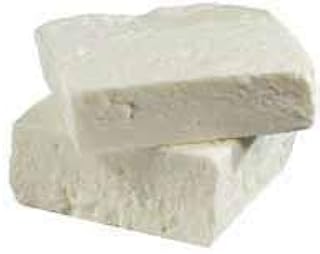


![Queso Fresco is a soft, moist cheese with a mild taste and fine grain texture. This versatile cheese can be crumbled as a meal topping or used as a filling in cooked Mexican-style dishes. 2 PK ..[ 36 oz , 2.25 lb ]](https://m.media-amazon.com/images/I/51VymiX7OCL._AC_UL320_.jpg)

![Traditional Feta Chunk has a rich, creamy texture and bold, tangy taste that elevates any dish. Inspired by Greek tradition, it’s made with fresh, simple ingredients for authentic flavor. Crumble it over salads, tuck it into wraps, or serve it on a cheeseboard—this versatile cheese adds a Mediterranean twist to your favorite foods. It’s a delicious way to bring depth and character to everyday meals or special recipes. [ 32 oz , 2 lb ]](https://m.media-amazon.com/images/I/51MZ2OhOE-L._AC_UL320_.jpg)
Nutritional Content: Comparing the nutritional profiles, including fat, protein, and calcium content, of feta and queso fresco
Feta cheese and queso fresco, while similar in appearance and texture, exhibit distinct nutritional profiles that set them apart. Feta cheese, originating from Greece, is typically made from sheep's or goat's milk and is known for its crumbly texture and tangy flavor. On the other hand, queso fresco, a Mexican cheese, is usually made from cow's milk and is characterized by its mild taste and moist, crumbly consistency.
In terms of fat content, feta cheese generally contains more fat than queso fresco. A 100-gram serving of feta cheese can have around 21 grams of fat, whereas queso fresco typically has about 15 grams of fat per 100 grams. This difference in fat content can be attributed to the type of milk used in their production, with sheep's and goat's milk being naturally higher in fat compared to cow's milk.
Protein content is another area where these two cheeses differ. Feta cheese is a good source of protein, providing approximately 14 grams per 100 grams. Queso fresco, however, offers slightly less protein, with around 12 grams per 100 grams. This variation in protein content is likely due to the different milk sources and the specific cheese-making processes employed for each type of cheese.
When it comes to calcium content, both feta cheese and queso fresco are excellent sources of this essential mineral. A 100-gram serving of feta cheese can provide about 400 milligrams of calcium, while queso fresco offers a similar amount, with around 380 milligrams per 100 grams. The high calcium content in both cheeses makes them valuable for maintaining strong bones and teeth, as well as supporting various bodily functions.
In conclusion, while feta cheese and queso fresco share some similarities in terms of their crumbly textures and tangy flavors, their nutritional profiles reveal key differences. Feta cheese tends to be higher in fat and protein, while both cheeses are rich in calcium. Understanding these nutritional distinctions can help consumers make informed choices when selecting cheeses for their dietary needs and preferences.
Exploring the Rich and Tangy Flavor Profile of Feta Cheese
You may want to see also
Frequently asked questions
No, feta cheese and queso fresco are not the same type of cheese. They are both white, crumbly cheeses, but they have different origins, flavors, and textures.
The main difference between feta cheese and queso fresco is their origin and production process. Feta cheese is a Greek cheese made from sheep's milk or a mixture of sheep and goat's milk, while queso fresco is a Mexican cheese made from cow's milk.
Yes, you can substitute queso fresco for feta cheese in some recipes, but keep in mind that the flavor and texture will be slightly different. Queso fresco is milder and less salty than feta cheese, so you may need to adjust the seasoning in your recipe.
Feta cheese and queso fresco have similar nutritional values, but there are some differences. Feta cheese is higher in fat and calories than queso fresco, but it also contains more protein and calcium. Queso fresco is lower in fat and calories, but it has less protein and calcium than feta cheese.



![Crumbled Traditional Feta Cheese , delivers a deliciously creamy, tangy flavor inspired by Greek tradition. Made with fresh, simple ingredients, this feta is easy to sprinkle over your favorite dishes—from salads and wraps to pastas and grain bowls. Add a flavorful twist to everyday meals with ease. Conveniently packaged in a resealable tub . [16 oz . 1 poubd ]](https://m.media-amazon.com/images/I/51PwpPkU-oL._AC_UL320_.jpg)