Randy Chandler
Cream cheese frosting is a popular choice for many bakers due to its rich, tangy flavor and smooth, creamy texture. However, achieving the perfect consistency can sometimes be a challenge. Lumpiness in cream cheese frosting can occur for several reasons, including improper mixing techniques, temperature fluctuations, or using ingredients that are not fully softened. To troubleshoot this issue, it's essential to ensure that all ingredients are at room temperature before mixing and to use a high-quality electric mixer to achieve a smooth, uniform texture. Additionally, gradually adding powdered sugar and avoiding overmixing can help prevent the formation of lumps. By following these tips and understanding the common causes of lumpiness, bakers can create a flawlessly smooth and delicious cream cheese frosting for their cakes and cupcakes.
Explore related products


What You'll Learn
- Incorrect Cream Cheese Temperature: Ensure cream cheese is at room temperature for smooth mixing. Cold cream cheese can cause lumps
- Overmixing: Avoid overmixing the frosting, as this can introduce air pockets and create a lumpy texture. Mix until just combined
- Insufficient Sugar: Not adding enough sugar can prevent the frosting from achieving a smooth consistency. Gradually add sugar until desired smoothness
- Improper Mixing Technique: Use a spatula or whisk to gently fold ingredients together. Vigorous mixing can lead to lumps
- Additives or Flavorings: Some flavorings or additives can cause lumpiness. Ensure all ingredients are well-incorporated and compatible with cream cheese

Incorrect Cream Cheese Temperature: Ensure cream cheese is at room temperature for smooth mixing. Cold cream cheese can cause lumps
Cream cheese frosting is a delicate mixture that requires precise conditions to achieve the desired smooth and creamy texture. One of the most critical factors in ensuring a lump-free frosting is the temperature of the cream cheese. When cream cheese is too cold, it can cause the mixture to become lumpy and difficult to smooth out. This is because cold cream cheese doesn't blend well with other ingredients, leading to a coarse and uneven texture.
To avoid this issue, it's essential to let the cream cheese come to room temperature before mixing. This process can take about 30 minutes to an hour, depending on the initial temperature of the cream cheese. Room temperature cream cheese blends more easily with other ingredients, such as butter and sugar, creating a smoother and more uniform frosting.
If you're in a hurry and don't have time to let the cream cheese come to room temperature naturally, you can speed up the process by placing the cream cheese in a warm water bath. Be careful not to overheat the cream cheese, as this can cause it to become too soft and difficult to work with.
Another tip is to use a hand mixer or a stand mixer with a paddle attachment to mix the frosting. This will help to incorporate air into the mixture and break down any lumps that may form. It's also important to start mixing at a low speed and gradually increase the speed to prevent the frosting from becoming too airy.
In summary, ensuring that the cream cheese is at room temperature is crucial for achieving a smooth and lump-free frosting. By following these tips and taking the time to properly prepare the cream cheese, you can create a delicious and visually appealing frosting for your cakes and cupcakes.
Cream Cheese Spread vs. Cream Cheese: Which is Best for Cheesecake?
You may want to see also
Explore related products

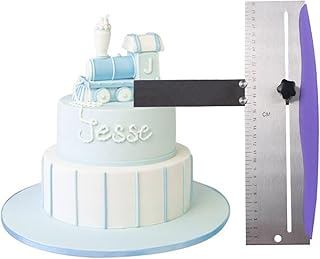


Overmixing: Avoid overmixing the frosting, as this can introduce air pockets and create a lumpy texture. Mix until just combined
Overmixing is a common culprit when it comes to achieving a smooth cream cheese frosting. When you overmix, you incorporate too much air into the mixture, which can lead to a lumpy and uneven texture. This happens because the air pockets expand and contract during the mixing process, causing the frosting to become aerated and lose its smooth consistency. To avoid overmixing, it's essential to mix the frosting ingredients until they are just combined. This means stopping the mixer as soon as the ingredients are incorporated, rather than continuing to mix until the frosting is completely smooth.
One way to prevent overmixing is to use a lower speed on your mixer. This will help to minimize the amount of air that is incorporated into the frosting. Additionally, you can use a spatula to scrape down the sides of the mixing bowl and ensure that all of the ingredients are fully incorporated without overmixing. It's also important to add the ingredients in the correct order, starting with the cream cheese and butter, followed by the powdered sugar, and finally the vanilla extract and any other flavorings. This will help to ensure that the frosting is well-combined without being overmixed.
If you do find that your frosting is lumpy, there are a few things you can do to try and salvage it. One option is to gently fold in some additional powdered sugar, which can help to absorb the excess air and smooth out the texture. Alternatively, you can try warming the frosting slightly and then remixing it, which can help to break down the air pockets and create a smoother consistency. However, it's important to note that these methods may not always work, and in some cases, it may be best to start over with a fresh batch of frosting.
In summary, overmixing is a common cause of lumpy cream cheese frosting. To avoid this issue, it's important to mix the ingredients until they are just combined, use a lower speed on your mixer, and add the ingredients in the correct order. If your frosting does become lumpy, there are a few things you can try to salvage it, but it's always best to start with a fresh batch if possible.
Cream Cheese Conundrum: The Ultimate Guide to Freezing Cheese Balls
You may want to see also
Explore related products


Insufficient Sugar: Not adding enough sugar can prevent the frosting from achieving a smooth consistency. Gradually add sugar until desired smoothness
Cream cheese frosting is a delicate balance of ingredients, and achieving the perfect smooth consistency can be tricky. One common culprit for lumpiness is insufficient sugar. Sugar plays a crucial role in the texture of frosting, as it helps to dissolve the cream cheese and create a uniform mixture. When there's not enough sugar, the cream cheese can clump together, resulting in an uneven and lumpy texture.
To remedy this issue, it's essential to gradually add sugar to the frosting until the desired smoothness is achieved. This process should be done carefully, as adding too much sugar at once can lead to an overly sweet frosting. Start by adding a small amount of sugar and mixing thoroughly. If the frosting is still lumpy, continue to add sugar in small increments, mixing well after each addition.
It's also important to note that the type of sugar used can affect the texture of the frosting. Granulated sugar is the most common choice, but powdered sugar can also be used for a smoother consistency. When using powdered sugar, it's best to sift it into the frosting to remove any lumps before mixing.
In addition to sugar, other factors can contribute to lumpy frosting, such as overmixing or using cold ingredients. To prevent overmixing, it's best to mix the frosting just until the ingredients are combined. Using room temperature ingredients can also help to ensure a smooth consistency.
By carefully balancing the amount of sugar and following these tips, you can achieve a perfectly smooth and creamy cream cheese frosting. Remember, practice makes perfect, and with a little patience and experimentation, you'll be able to create a frosting that's both delicious and visually appealing.
Spicy Delights: Freezing Jalapeno Poppers with Cream Cheese
You may want to see also
Explore related products


Improper Mixing Technique: Use a spatula or whisk to gently fold ingredients together. Vigorous mixing can lead to lumps
One of the most common reasons for lumpy cream cheese frosting is improper mixing technique. When ingredients are not combined correctly, it can result in an uneven texture that affects both the appearance and consistency of the frosting. To avoid this issue, it's essential to use the right tools and methods for mixing.
A spatula or whisk is ideal for gently folding ingredients together. These tools allow for a delicate incorporation of air, which is crucial for achieving a smooth and creamy frosting. Vigorous mixing, on the other hand, can introduce too much air and create bubbles that form lumps. It's important to mix the ingredients just until they are combined, avoiding any unnecessary stirring or beating.
When using a mixer, it's best to start on a low speed and gradually increase to a higher setting if needed. This helps to prevent the ingredients from splashing out of the bowl and ensures that they are evenly distributed. Additionally, it's important to stop the mixer periodically to scrape down the sides of the bowl, ensuring that all ingredients are fully incorporated.
Another tip is to make sure that the cream cheese is at room temperature before mixing. Cold cream cheese can be difficult to blend smoothly and may result in lumps. Allowing the cream cheese to come to room temperature before mixing will help it to combine more easily with the other ingredients, resulting in a smoother frosting.
In summary, using the right mixing tools and techniques is crucial for achieving a smooth and creamy cream cheese frosting. By gently folding the ingredients together and avoiding vigorous mixing, you can prevent the formation of lumps and ensure a professional-looking finish to your baked goods.
Sweet and Savory Delights: Strawberry and Cream Cheese Creations
You may want to see also
Explore related products


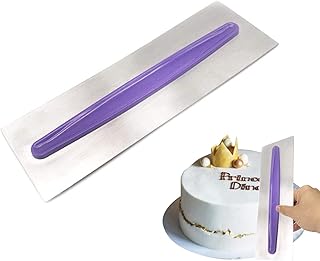


Additives or Flavorings: Some flavorings or additives can cause lumpiness. Ensure all ingredients are well-incorporated and compatible with cream cheese
Certain flavorings and additives can cause lumpiness in cream cheese frosting due to their chemical composition or how they interact with the fats and proteins in the cream cheese. For instance, some liquid flavorings like vanilla extract or almond extract can cause the cream cheese to seize up and form lumps if not properly emulsified. Similarly, powdered additives such as cocoa powder or matcha powder can create lumps if they are not sifted or whisked in thoroughly.
To avoid lumpiness caused by additives or flavorings, it's essential to ensure that all ingredients are well-incorporated and compatible with cream cheese. Start by sifting any dry ingredients to remove any lumps or clumps. When adding liquid flavorings, do so gradually and whisk continuously to prevent the cream cheese from seizing. It's also helpful to use a stabilizer like cornstarch or tapioca starch to help emulsify the ingredients and prevent lump formation.
In some cases, the type of cream cheese used can also affect the texture of the frosting. For example, using a low-fat or non-fat cream cheese can result in a lumpier texture due to the lower fat content. Additionally, some brands of cream cheese may contain more stabilizers or preservatives that can affect the texture. To achieve the smoothest texture, it's best to use a full-fat cream cheese and to check the ingredient list for any potential stabilizers or preservatives.
When troubleshooting lumpiness in cream cheese frosting, it's important to consider the specific ingredients and techniques used. If you've recently added a new flavoring or additive to your recipe, try removing it or substituting it with a different ingredient to see if that resolves the issue. Additionally, make sure to follow the recipe instructions carefully and to use the correct techniques for incorporating ingredients. With a little experimentation and attention to detail, you can achieve a smooth and creamy cream cheese frosting.
Unveiling the Creamy Secret: Who's Behind Kirkland Cream Cheese?
You may want to see also