Kamil Perry
When it comes to pairing sauce with cheese tortellini, the options are plentiful, each offering a unique flavor profile that can enhance or transform the dish. Classic choices include a simple yet rich marinara sauce, which provides a tangy and slightly sweet contrast to the creamy cheese filling. For those looking for a lighter option, a garlic and olive oil sauce, perhaps infused with fresh herbs like basil or parsley, can offer a subtle yet aromatic complement. Cream-based sauces, such as Alfredo or a light béchamel, can add a luxurious and velvety texture, enveloping the tortellini in a rich, savory embrace. For a touch of spice, a vodka sauce or a tomato-based sauce with red pepper flakes can introduce a pleasant heat. Ultimately, the choice of sauce depends on personal preference and the desired balance of flavors and textures in the final dish.
Explore related products


What You'll Learn
- Classic Marinara: A simple tomato-based sauce with garlic, olive oil, and fresh basil
- Creamy Alfredo: Rich and indulgent, made with butter, heavy cream, and Parmesan cheese
- Pesto: Fresh basil, pine nuts, garlic, Parmesan, and olive oil create a vibrant green sauce
- Brown Butter Sage: Crispy brown butter with fresh sage leaves for an earthy, aromatic flavor
- Light Lemon Garlic: Zesty lemon juice, minced garlic, and olive oil for a bright, tangy sauce

Classic Marinara: A simple tomato-based sauce with garlic, olive oil, and fresh basil
Classic Marinara sauce is a timeless choice that pairs exquisitely with cheese tortellini. Its simplicity is its greatest strength, allowing the fresh flavors of the ingredients to shine through. To prepare this sauce, start by heating a generous amount of olive oil in a large pan over medium heat. Add minced garlic and sauté until fragrant, being careful not to burn it. Then, add canned crushed tomatoes, salt, and pepper to taste. Let the sauce simmer gently for about 20 minutes, stirring occasionally, to allow the flavors to meld together. Finally, tear in fresh basil leaves and remove the sauce from the heat.
One of the key advantages of Classic Marinara is its versatility. It can be easily customized to suit different tastes by adding ingredients such as red pepper flakes for a bit of heat, or sautéed onions and bell peppers for added depth. When serving with cheese tortellini, the sauce's light and fresh nature complements the rich, creamy filling of the pasta without overpowering it.
Another benefit of this sauce is its healthiness. Made with simple, whole ingredients, it is low in calories and high in nutrients. The tomatoes provide a good source of vitamins A and C, while the olive oil offers healthy fats. The garlic has numerous health benefits, including its ability to boost the immune system.
In terms of preparation time, Classic Marinara is relatively quick and easy to make. It requires minimal chopping and cooking, making it an ideal choice for busy weeknight dinners. Additionally, the sauce can be made ahead of time and stored in the refrigerator for up to a week, or frozen for longer periods.
When it comes to plating, Classic Marinara can be served in a variety of ways. It can be spooned directly over the tortellini, or the pasta can be tossed in the sauce for a more even coating. Garnishing with additional fresh basil leaves and a sprinkle of grated Parmesan cheese can elevate the dish even further.
In conclusion, Classic Marinara is a simple yet sophisticated sauce that is a perfect match for cheese tortellini. Its fresh flavors, versatility, health benefits, and ease of preparation make it a standout choice for any pasta lover.
Delicious Creations: Mastering the Art of Laughing Cow Cheese
You may want to see also
Explore related products


Creamy Alfredo: Rich and indulgent, made with butter, heavy cream, and Parmesan cheese
Alfredo sauce, with its velvety texture and rich flavor, is a classic choice for cheese tortellini. This indulgent sauce, made with butter, heavy cream, and Parmesan cheese, complements the delicate pasta and its cheesy filling perfectly. The key to a great Alfredo sauce lies in its simplicity; using high-quality ingredients and cooking them slowly over low heat ensures a smooth, creamy consistency. A pinch of nutmeg and a sprinkle of black pepper add depth to the flavor profile, enhancing the overall taste experience.
When preparing Alfredo sauce for cheese tortellini, it's essential to consider the balance of flavors. Since the tortellini itself is already quite rich, a lighter hand with the sauce can prevent the dish from becoming overly heavy. Start by sautéing garlic in butter until fragrant, then slowly whisk in heavy cream, allowing it to simmer gently until it thickens slightly. Gradually add freshly grated Parmesan cheese, stirring constantly to prevent lumps from forming. Season with salt, pepper, and a hint of nutmeg, and serve immediately over freshly cooked tortellini.
One of the advantages of Alfredo sauce is its versatility. While it pairs beautifully with cheese tortellini, it can also be used with other types of pasta, such as fettuccine or penne. For a more indulgent twist, you can add cooked chicken, shrimp, or mushrooms to the sauce, creating a heartier meal. Additionally, Alfredo sauce can be easily customized to suit different tastes; for example, adding a splash of lemon juice can brighten the flavors, while incorporating sun-dried tomatoes or basil can introduce new layers of complexity.
Despite its richness, Alfredo sauce can be a comforting and satisfying choice for cheese tortellini. Its creamy texture and savory flavor create a luxurious dining experience that is perfect for special occasions or a cozy night in. By focusing on quality ingredients and careful preparation, you can create an Alfredo sauce that elevates your cheese tortellini to new heights, making it a dish that is both indulgent and unforgettable.
Savor the Flavor: Creative Ways to Use Asiago Cheese
You may want to see also
Explore related products


Pesto: Fresh basil, pine nuts, garlic, Parmesan, and olive oil create a vibrant green sauce
Pesto sauce, with its fresh basil, pine nuts, garlic, Parmesan, and olive oil, offers a delightful and vibrant green accompaniment to cheese tortellini. This Italian sauce, originating from the Liguria region, brings a burst of flavor that complements the rich, creamy cheese filling of the tortellini. The freshness of the basil and the crunch of the pine nuts add a unique texture contrast to the soft pasta, making it a perfect choice for those looking to elevate their tortellini dish.
To make pesto sauce, start by toasting pine nuts in a dry pan until lightly browned. Then, in a food processor, combine the toasted pine nuts, fresh basil leaves, minced garlic, grated Parmesan cheese, and olive oil. Process until the mixture reaches a smooth consistency, stopping to scrape down the sides as needed. Season with salt and pepper to taste. For an extra touch of authenticity, use a mortar and pestle to crush the ingredients together, releasing the full aroma and flavor of the basil and garlic.
When serving pesto sauce with cheese tortellini, consider garnishing the dish with additional grated Parmesan cheese and a drizzle of extra virgin olive oil. You can also add some sautéed cherry tomatoes or roasted vegetables on the side to balance the richness of the sauce and pasta. For a more indulgent experience, toss the tortellini in the pesto sauce just before serving, ensuring each piece is evenly coated.
Pesto sauce is not only delicious but also versatile. You can use it as a spread for sandwiches, a topping for grilled chicken or fish, or even as a dip for crudités. Its bright, herbaceous flavor makes it a favorite in many Italian dishes, and its ease of preparation ensures it's a go-to sauce for busy home cooks.
In conclusion, pesto sauce is an excellent choice to pair with cheese tortellini, offering a fresh and flavorful twist on a classic Italian dish. With its simple yet aromatic ingredients, pesto sauce can transform a simple pasta meal into a gourmet experience.
Delicious and Easy: Mastering the Art of Cheese Wraps
You may want to see also
Explore related products


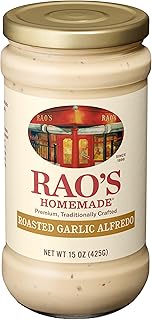


Brown Butter Sage: Crispy brown butter with fresh sage leaves for an earthy, aromatic flavor
Brown butter sage sauce offers a delightful twist to the classic cheese tortellini, elevating the dish with its rich, nutty flavor and fragrant aroma. To prepare this sauce, start by melting unsalted butter in a small saucepan over medium heat. As the butter melts, it will begin to foam and eventually turn a golden-brown color, releasing a wonderful, toasty fragrance. At this point, add fresh sage leaves to the pan and let them infuse in the hot butter for about 30 seconds to a minute, until they become slightly wilted and release their essential oils.
The key to achieving the perfect brown butter sage sauce lies in the careful balance of flavors. Once the sage has infused the butter, remove the pan from the heat and let it cool slightly. This allows the flavors to meld together and prevents the sage from becoming too overpowering. If desired, you can add a pinch of salt or a squeeze of fresh lemon juice to brighten up the flavors and add a touch of acidity to cut through the richness of the butter.
When serving cheese tortellini with brown butter sage sauce, it's essential to ensure that the pasta is cooked to perfection. Al dente tortellini will provide a satisfying texture contrast to the smooth, velvety sauce. To finish the dish, simply toss the cooked tortellini in the warm brown butter sage sauce, allowing the pasta to coat evenly. You can also garnish the dish with freshly grated Parmesan cheese and a sprinkle of chopped fresh parsley for added color and flavor.
One of the advantages of brown butter sage sauce is its versatility. While it pairs beautifully with cheese tortellini, it can also be used as a delicious accompaniment to other pasta dishes, such as ravioli or gnocchi. Additionally, the sauce can be prepared in advance and stored in an airtight container in the refrigerator for up to a week, making it a convenient option for busy weeknight dinners.
In conclusion, brown butter sage sauce is a simple yet sophisticated addition to cheese tortellini that will impress even the most discerning palates. With its rich, aromatic flavor and easy preparation, it's a sauce that every pasta lover should have in their repertoire.
Creative Ways to Repurpose Leftover Macaroni and Cheese
You may want to see also
Explore related products


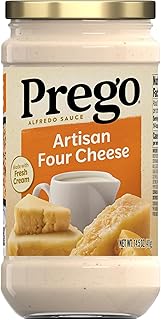


Light Lemon Garlic: Zesty lemon juice, minced garlic, and olive oil for a bright, tangy sauce
For a delightful twist on traditional cheese tortellini, consider pairing it with a light lemon garlic sauce. This zesty concoction, made with fresh lemon juice, minced garlic, and a drizzle of olive oil, offers a bright and tangy flavor profile that beautifully complements the rich, creamy cheese filling of the tortellini. The acidity from the lemon juice cuts through the richness of the cheese, creating a balanced and refreshing dish.
To prepare this sauce, start by mincing two cloves of garlic and sautéing them in a small pan with a tablespoon of olive oil over medium heat. Cook the garlic until it's fragrant and slightly golden, being careful not to burn it. Next, add the juice of one lemon and stir to combine. Allow the sauce to simmer for a minute or two, letting the flavors meld together. Season with salt and pepper to taste, and remove from heat.
When serving, toss the cooked tortellini in the light lemon garlic sauce, ensuring each piece is evenly coated. You can also garnish the dish with freshly grated Parmesan cheese and chopped parsley for added flavor and visual appeal. This sauce is particularly well-suited for summer meals or light lunches, as its bright and zesty flavor won't weigh you down.
One of the advantages of this sauce is its simplicity. With just a few ingredients, it's easy to whip up and can be prepared in advance if needed. Additionally, the light lemon garlic sauce is versatile and can be used with other pasta dishes or even as a marinade for chicken or fish. Its bright, tangy flavor makes it a standout choice for those looking to add a fresh twist to their cheese tortellini.
Delicious Ways to Incorporate Ricotta Cheese into Your Pasta Dishes
You may want to see also
Frequently asked questions
A classic choice for cheese tortellini is a simple yet flavorful marinara sauce. Its tangy and slightly sweet taste complements the rich, creamy cheese filling perfectly.
Absolutely! A light cream sauce, such as Alfredo, can enhance the creamy texture of the cheese tortellini. Just be sure not to overpower the delicate flavor of the cheese filling.
Pesto sauce can be a delightful match for cheese tortellini, especially if you're looking for a more herbaceous and nutty flavor profile. The basil, garlic, and pine nuts in pesto can add a fresh dimension to the dish.
For a lighter option, consider a simple garlic and olive oil sauce or a light butter sauce. These will add flavor without overwhelming the delicate taste of the cheese tortellini. You can also experiment with a squeeze of fresh lemon juice for a zesty twist.