Andy Montoya
A classic Caesar salad is typically garnished with shavings of Parmesan cheese. This hard, aged Italian cheese is known for its sharp, nutty flavor which complements the crisp romaine lettuce, crunchy croutons, and creamy dressing of a Caesar salad perfectly. While some variations may use other types of cheese, Parmesan remains the traditional and most popular choice for this beloved dish.
Explore related products




What You'll Learn
- Traditional Caesar Cheese: Parmesan is the classic choice, adding a sharp, salty flavor to the salad
- Cheese Alternatives: For a twist, some chefs use Pecorino Romano or Asiago for a different flavor profile
- Vegan Options: Nutritional yeast or vegan Parmesan substitutes cater to plant-based diets without sacrificing taste
- Cheese Preparation: Grated, shaved, or crumbled – the texture and presentation of cheese on a Caesar can vary
- Regional Variations: Different areas may favor local cheeses, like Manchego in Spain or Grana Padano in Italy

Traditional Caesar Cheese: Parmesan is the classic choice, adding a sharp, salty flavor to the salad
Parmesan cheese is the quintessential ingredient in a traditional Caesar salad, renowned for its sharp, salty flavor that perfectly complements the crisp romaine lettuce and creamy dressing. This hard, aged cheese is made from cow's milk and is typically grated over the salad just before serving. The distinct umami taste of Parmesan enhances the overall flavor profile of the dish, adding depth and complexity to each bite.
While Parmesan is the classic choice for Caesar salads, it's worth noting that other types of cheese can also be used to create unique variations. For example, some chefs may opt for Pecorino Romano, a sheep's milk cheese that offers a similar sharpness but with a slightly different flavor profile. Others might experiment with aged Gouda or even blue cheese to add a new dimension to the salad. However, these alternatives are not as widely accepted as Parmesan and may not provide the same authentic Caesar salad experience.
When selecting Parmesan cheese for a Caesar salad, it's important to choose a high-quality variety that has been aged for at least 12 months. This aging process allows the cheese to develop its characteristic sharpness and ensures that it will grate well over the salad. Additionally, it's best to grate the cheese freshly over the salad just before serving, as pre-grated Parmesan can lose some of its flavor and texture.
In terms of nutritional value, Parmesan cheese is a good source of protein, calcium, and vitamins A and B12. However, it is also high in fat and sodium, so it should be used in moderation. For those looking to reduce their calorie intake, a lighter cheese option or a smaller portion size may be more suitable.
In conclusion, while there may be other cheese options for Caesar salads, Parmesan remains the gold standard due to its unique flavor and texture. When used in the right proportions and grated freshly over the salad, it can elevate the dish to new heights and provide a truly satisfying culinary experience.
Exploring the Spicy World of Pepper Jack Cheese
You may want to see also
Explore related products


Cheese Alternatives: For a twist, some chefs use Pecorino Romano or Asiago for a different flavor profile
While Parmesan is the traditional cheese choice for a Caesar salad, some chefs opt for Pecorino Romano or Asiago to add a unique twist to the classic dish. Pecorino Romano, made from sheep's milk, offers a sharper, saltier flavor that can enhance the overall taste of the salad. Asiago, on the other hand, provides a milder, nuttier taste that can complement the other ingredients without overpowering them.
When substituting Pecorino Romano or Asiago for Parmesan, it's essential to consider the flavor balance of the salad. Pecorino Romano's strong flavor may require adjusting the amount of anchovies or Worcestershire sauce used, while Asiago's milder taste may allow for a more generous hand with these ingredients. Additionally, the texture of the cheese can impact the salad's overall mouthfeel. Pecorino Romano tends to be harder and more crumbly, while Asiago is softer and more easily shaved into thin slices.
To incorporate these alternative cheeses into a Caesar salad, start by grating or shaving them over the top of the salad just before serving. This will ensure that the cheese is evenly distributed and that its flavor is not lost in the dressing. For a more pronounced cheese flavor, consider tossing the salad with a small amount of grated cheese before adding the dressing. This will allow the cheese to meld with the other ingredients and create a more cohesive flavor profile.
When using Pecorino Romano or Asiago in a Caesar salad, it's crucial to remember that a little goes a long way. These cheeses are potent and can easily overpower the other ingredients if used in excess. Start with a small amount and adjust to taste, keeping in mind that the cheese's flavor will intensify as it sits on the salad.
In conclusion, using Pecorino Romano or Asiago as a cheese alternative in a Caesar salad can add a unique and delicious twist to the classic dish. By considering the flavor balance, texture, and proper incorporation of these cheeses, chefs can create a salad that is both familiar and excitingly new.
Starbucks Grilled Cheese: A Melty Mystery Unveiled
You may want to see also
Explore related products
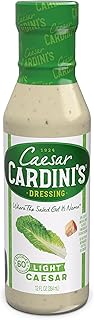


Vegan Options: Nutritional yeast or vegan Parmesan substitutes cater to plant-based diets without sacrificing taste
For those following a plant-based diet, the quest for flavorful cheese alternatives can be challenging. However, nutritional yeast and vegan Parmesan substitutes offer a delicious solution that caters to dietary preferences without compromising on taste. These vegan options have gained popularity for their ability to mimic the savory, umami flavors traditionally found in cheese.
Nutritional yeast, often referred to as "nooch," is a deactivated strain of yeast that is rich in protein, fiber, and various vitamins and minerals. It has a nutty, cheesy flavor that makes it an excellent substitute for grated Parmesan cheese in Caesar salads. To use nutritional yeast as a cheese substitute, simply sprinkle it over your salad in place of traditional Parmesan. You can also mix it with plant-based milk and seasonings to create a creamy vegan Caesar dressing.
Vegan Parmesan substitutes, on the other hand, are typically made from a blend of plant-based ingredients such as cashews, almonds, nutritional yeast, and spices. These products are designed to closely replicate the taste and texture of traditional Parmesan cheese. When using vegan Parmesan in a Caesar salad, you can either grate it directly over the salad or mix it into your dressing for added flavor.
One of the key benefits of using nutritional yeast or vegan Parmesan substitutes in Caesar salads is that they allow individuals with dietary restrictions or preferences to enjoy a classic dish without sacrificing taste. Additionally, these vegan options are often lower in calories and fat compared to traditional cheese, making them a healthier alternative for those looking to reduce their calorie intake.
In conclusion, nutritional yeast and vegan Parmesan substitutes are excellent choices for vegans or those looking to reduce their dairy consumption. They offer a flavorful and nutritious alternative to traditional cheese in Caesar salads, allowing everyone to enjoy this beloved dish.
Delving into the Cheesy Delight: What's Inside a Cheese Danish?
You may want to see also
Explore related products


Cheese Preparation: Grated, shaved, or crumbled – the texture and presentation of cheese on a Caesar can vary
The preparation of cheese for a Caesar salad is an art in itself, with various textures and presentations offering unique culinary experiences. Grated cheese, for instance, provides a fine, powdery texture that evenly coats the salad leaves, ensuring a consistent flavor in every bite. This method is particularly popular for hard cheeses like Parmesan, which can be finely grated to create a delicate, almost melt-in-your-mouth quality.
On the other hand, shaved cheese offers a more rustic, artisanal appearance. Thin shavings of cheese, such as Pecorino Romano or aged Gouda, can be delicately placed atop the salad, adding a touch of elegance and visual appeal. This method not only enhances the presentation but also allows the cheese to retain some of its structural integrity, providing a pleasant contrast to the crisp lettuce.
Crumbling cheese over a Caesar salad is another popular technique, especially for softer cheeses like feta or blue cheese. This method creates a more robust, chunky texture that adds a satisfying mouthfeel to the dish. The irregular shapes and sizes of the crumbles also ensure that each bite contains a varying amount of cheese, creating a dynamic and flavorful eating experience.
When choosing the cheese preparation method for a Caesar salad, it's essential to consider the type of cheese being used, as well as the desired texture and presentation. Hard cheeses like Parmesan are best grated, while softer cheeses like feta are more suitable for crumbling. Shaving is a versatile method that can be used for a variety of cheeses, adding a touch of sophistication to the dish.
In conclusion, the texture and presentation of cheese on a Caesar salad can significantly impact the overall dining experience. By experimenting with different cheese preparation methods, one can create a unique and memorable salad that caters to a variety of tastes and preferences.
The Curious Case of Backward-Made Cheese: A Dairy Dilemma
You may want to see also
Explore related products


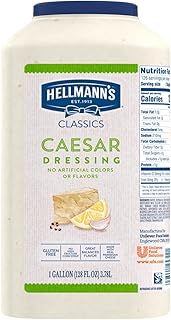


Regional Variations: Different areas may favor local cheeses, like Manchego in Spain or Grana Padano in Italy
Cheese preferences can vary greatly depending on regional traditions and local produce. In Spain, for instance, Manchego cheese is a popular choice for salads, including Caesar salads. This semi-hard cheese made from sheep's milk has a rich, buttery flavor that complements the crisp lettuce and tangy dressing. Manchego is often grated over the salad, adding a savory depth that enhances the overall taste.
In Italy, Grana Padano is another cheese that finds its way into Caesar salads. This hard, aged cheese made from cow's milk has a nutty, slightly sweet flavor that pairs well with the other ingredients. Grana Padano is typically grated finely and sprinkled over the salad, providing a crunchy texture and a burst of flavor.
Other regions may have their own preferred cheeses for Caesar salads. In France, for example, Comté or Beaufort might be used, while in the United States, Parmesan is a common choice. Each cheese brings its own unique characteristics to the dish, reflecting the local culinary traditions and preferences.
When choosing a cheese for a Caesar salad, it's important to consider the flavor profile and texture of the cheese, as well as how it will complement the other ingredients. Grated or shaved cheeses work well for adding a subtle flavor and texture, while chunkier cheeses can provide a more pronounced taste and a heartier bite.
Ultimately, the choice of cheese for a Caesar salad comes down to personal preference and regional availability. By experimenting with different types of cheese, you can create a salad that is uniquely tailored to your taste buds and the local flavors of your area.
The Ultimate Guide to Choosing the Perfect Cheese for Queso
You may want to see also
Frequently asked questions
The cheese most commonly used on a Caesar salad is Parmesan. It's usually grated or shaved thinly over the top of the salad to add a sharp, salty flavor that complements the other ingredients.
Yes, while Parmesan is the traditional choice, other hard cheeses like Pecorino Romano or aged Gouda can also be used. Some variations even include softer cheeses like feta or goat cheese for a different texture and taste.
Cheese plays a crucial role in balancing the flavors of a Caesar salad. Its salty and umami characteristics enhance the savory notes of the anchovies and Worcestershire sauce, while also providing a rich contrast to the crisp, fresh lettuce and the tangy dressing.