Randy Chandler
Gruyère is a type of Swiss cheese that originates from the Gruyère region in Switzerland. It is a hard cheese with a slightly crumbly texture and a rich, nutty flavor that develops with age. Gruyère is often used in cooking and baking, particularly in dishes like fondue, grilled cheese sandwiches, and quiches. Its smooth melting properties make it a popular choice for recipes that require a creamy, gooey texture. Additionally, Gruyère is frequently enjoyed on its own or paired with fruits, nuts, and wines.
| Characteristics | Values |
|---|---|
| Origin | Switzerland |
| Type | Semi-hard cheese |
| Flavor Profile | Nutty, slightly sweet, and earthy |
| Texture | Smooth and creamy when young, firmer and crumbly when aged |
| Fat Content | Approximately 45% |
| Protein Content | Around 25-30% |
| Calcium Content | High, about 800 mg per 100g |
| Aging Process | Typically aged for 6 to 12 months, sometimes up to 2 years |
| Rind | Natural, slightly rough, and yellowish to brown in color |
| Color | Pale yellow to light brown |
| Moisture Content | Around 35-40% |
| Lactose Content | Low, making it easier to digest for some individuals |
| Production Method | Made from cow's milk, using traditional Swiss cheese-making techniques |
| Uses | Excellent for melting, used in fondue, grilled cheese, and as a table cheese |
| Pairings | Pairs well with fruits, nuts, and a variety of wines, especially white wines |
| Shelf Life | Can last up to 2 months when stored properly in the refrigerator |
| Storage | Should be stored in a cool, dry place, wrapped in wax paper or plastic wrap |
Explore related products


What You'll Learn
- Origin: Gruyère cheese originates from Switzerland, specifically the Fribourg region
- Flavor Profile: It has a rich, nutty, and slightly sweet flavor with a hint of earthiness
- Texture: Gruyère is known for its smooth, creamy texture that melts exceptionally well
- Uses: This cheese is versatile, often used in fondue, grilled sandwiches, and as a topping for baked dishes
- Pairing: Gruyère pairs well with a variety of foods, including fruits, nuts, and cured meats

Origin: Gruyère cheese originates from Switzerland, specifically the Fribourg region
Gruyère cheese, a culinary delight known for its rich flavor and smooth texture, has its roots firmly planted in the picturesque Fribourg region of Switzerland. This region, nestled in the heart of the Swiss Alps, provides the ideal environment for the production of this iconic cheese. The cool, crisp mountain air and the lush, green pastures contribute to the unique characteristics of Gruyère, making it a staple in Swiss cuisine and a favorite among cheese connoisseurs worldwide.
The origins of Gruyère cheese can be traced back to the 12th century when monks in the Fribourg region began experimenting with cheese-making techniques. Over time, they perfected the art of creating a cheese that was not only delicious but also had a long shelf life, making it an essential food source for the local population. The cheese was named after the nearby town of Gruyères, which became synonymous with this prized dairy product.
Gruyère cheese is made from cow's milk, which is carefully selected from local herds that graze on the region's nutrient-rich pastures. The milk is then heated and mixed with rennet, a natural enzyme that helps to coagulate the milk and separate the curds from the whey. The curds are then pressed into molds and aged for several months, during which time they develop their distinctive flavor and texture.
One of the key factors that contribute to the unique taste of Gruyère cheese is the aging process. The cheese is typically aged for at least four months, during which time it undergoes a series of chemical changes that enhance its flavor profile. The longer the cheese is aged, the more complex and intense its flavor becomes. Gruyère cheese can be enjoyed on its own, melted in fondue, or used as an ingredient in a variety of dishes, from salads to sandwiches to savory baked goods.
In conclusion, the origin of Gruyère cheese in the Fribourg region of Switzerland is not just a matter of geographical location, but also a testament to the region's rich history, culture, and culinary traditions. The combination of pristine natural ingredients, time-honored cheese-making techniques, and a passion for quality has made Gruyère cheese a beloved and enduring symbol of Swiss gastronomy.
The Ultimate Guide to Pizza Cheese: Beyond Mozzarella
You may want to see also
Explore related products


![Lacey Swiss Cheese, A full flavored Swiss cheese which is also reduced fat, low in sodium and naturally lactose free. It has a delicious rich nutty flavor and light, airy texture. [ 32 oz, 2 pound ]](https://m.media-amazon.com/images/I/51JnoMFb46L._AC_UL320_.jpg)


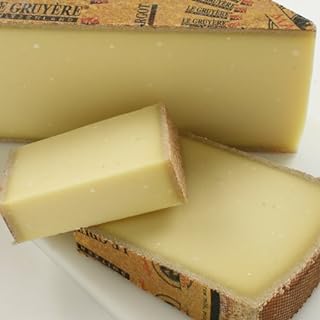
Flavor Profile: It has a rich, nutty, and slightly sweet flavor with a hint of earthiness
Gruyère cheese is renowned for its complex and inviting flavor profile, which is a symphony of rich, nutty, and slightly sweet notes, complemented by a subtle hint of earthiness. This distinctive taste is the result of a meticulous aging process that allows the cheese to develop its characteristic depth and character. The nuttiness in Gruyère is often described as reminiscent of hazelnuts or almonds, adding a satisfying crunch to the creamy texture. The slight sweetness is akin to the natural sugars found in milk, providing a gentle contrast to the savory elements. The earthy undertones evoke the rustic origins of the cheese, grounding the flavor in the traditional Swiss Alps where it is produced.
The flavor profile of Gruyère makes it a versatile cheese, suitable for a variety of culinary applications. It is a popular choice for fondue, where its rich and creamy texture melts beautifully, creating a luxurious and indulgent dish. Gruyère is also a favorite in sandwiches and salads, adding a layer of complexity and sophistication to these everyday meals. Its ability to complement other ingredients, such as fruits, nuts, and wines, makes it a sought-after cheese for cheese boards and platters.
When it comes to pairing Gruyère with beverages, its flavor profile allows for a range of options. A crisp white wine, such as a Chardonnay or Sauvignon Blanc, can cut through the richness of the cheese, while a full-bodied red wine, like a Cabernet Sauvignon or Merlot, can enhance its nutty and earthy notes. For non-alcoholic options, a sparkling water with a squeeze of lemon or a lightly sweetened iced tea can provide a refreshing contrast to the cheese's robust flavors.
In terms of storage and serving, Gruyère should be kept in a cool, dry place, such as a refrigerator or a cheese cave, to preserve its flavor and texture. When serving, it is best to bring the cheese to room temperature to allow its full range of flavors to shine through. Gruyère can be enjoyed on its own or paired with a variety of accompaniments, such as fresh fruits, crackers, or nuts, to create a well-rounded and satisfying cheese experience.
Overall, the flavor profile of Gruyère cheese is a testament to the artistry and craftsmanship involved in its production. The harmonious blend of rich, nutty, and slightly sweet flavors, along with its earthy undertones, makes Gruyère a beloved cheese among connoisseurs and casual diners alike. Its versatility in both culinary and beverage pairings, as well as its ability to elevate simple dishes, solidifies its place as a staple in any cheese lover's repertoire.
Exploring the Cheesy Delights Inside Tortellini: A Culinary Journey
You may want to see also
Explore related products
![Swiss Cheese , Imported from Finland , all-natural Swiss cheese is imported from Finland and aged for over 100 days. , Lactose-free , Contains Cultured Pasteurized Part Skim Milk, Salt and Enzymes . Flavor : Rich, nutty, and robust with a distinctly spicy flavor. [ 24 oz , 1.5 lb ]](https://m.media-amazon.com/images/I/51xbCNq9HOL._AC_UL320_.jpg)


Texture: Gruyère is known for its smooth, creamy texture that melts exceptionally well
Gruyère cheese is renowned for its exceptionally smooth and creamy texture, which is a result of its meticulous production process. The cheese is made from cow's milk, and the curds are carefully cut and stirred to release excess whey, ensuring a moist and tender crumb. This texture is not only pleasing to the palate but also makes Gruyère an excellent melting cheese, ideal for a variety of culinary applications.
The smooth texture of Gruyère is further enhanced by its aging process. The cheese is typically aged for several months, during which time it develops a more complex flavor profile while maintaining its creamy consistency. The aging process also contributes to the cheese's ability to melt well, as the proteins and fats within the cheese break down and become more fluid.
Gruyère's melting properties make it a popular choice for dishes such as fondue, grilled cheese sandwiches, and cheese-topped casseroles. When melted, the cheese becomes silky and smooth, creating a luxurious mouthfeel that is hard to resist. Its mild, slightly nutty flavor complements a wide range of ingredients, making it a versatile addition to any meal.
In addition to its culinary uses, the texture of Gruyère also plays a role in its nutritional value. The cheese is rich in protein and calcium, and its smooth texture makes it easy to digest. This makes Gruyère a great choice for those looking to incorporate more dairy into their diet in a delicious and easily digestible way.
Overall, the texture of Gruyère is a defining characteristic that sets it apart from other cheeses. Its smooth, creamy consistency and excellent melting properties make it a favorite among cheese lovers and chefs alike. Whether enjoyed on its own or used in a variety of dishes, Gruyère's texture is sure to delight the senses.
Exploring the Rich Flavor Profile of Dubliner Cheese
You may want to see also
Explore related products


Uses: This cheese is versatile, often used in fondue, grilled sandwiches, and as a topping for baked dishes
Gruyère cheese, with its rich, nutty flavor and smooth melting properties, is a culinary staple in many kitchens. One of its most popular uses is in fondue, a classic Swiss dish where the cheese is melted with wine and spices to create a luxurious dipping sauce for bread, vegetables, and meats. The high fat content and excellent melting qualities of Gruyère make it ideal for achieving the perfect fondue consistency—creamy, yet not too thick.
In addition to fondue, Gruyère is a favorite for grilled sandwiches, particularly the iconic Swiss cheese sandwich. When heated, the cheese becomes wonderfully gooey and stretchy, complementing the crispy, toasted bread. Its mild, slightly sweet flavor pairs well with a variety of fillings, from ham and turkey to vegetables and even sweet options like apple and honey.
Gruyère also shines as a topping for baked dishes. Its ability to melt evenly and brown slightly under high heat makes it perfect for gratins, casseroles, and roasted vegetables. A sprinkle of grated Gruyère on top of a dish before baking adds a savory, umami-rich layer that enhances the overall flavor profile.
Beyond these traditional uses, Gruyère can also be enjoyed on its own as a table cheese, paired with crackers, fruits, and nuts. Its firm texture and complex flavor make it a delightful addition to any cheese platter. Additionally, Gruyère can be used in sauces and soups, where it adds depth and richness without overpowering other ingredients.
When using Gruyère in your cooking, it's important to note that its flavor can vary depending on its age. Younger Gruyère tends to be milder and creamier, while older varieties have a more pronounced, slightly sharper taste. This versatility allows you to choose the perfect Gruyère for your specific culinary needs, whether you're looking for a subtle background flavor or a bold, standout ingredient.
The Ultimate Guide to Choosing the Perfect Cheese for Your Pizza
You may want to see also
Explore related products


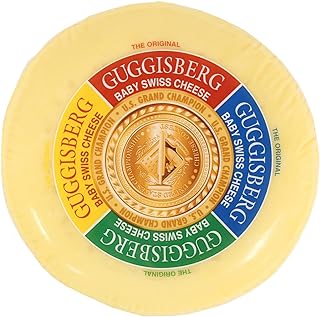


Pairing: Gruyère pairs well with a variety of foods, including fruits, nuts, and cured meats
Gruyère, a versatile Swiss cheese, is renowned for its ability to complement a wide array of foods, making it a popular choice for culinary pairings. Its smooth, slightly nutty flavor and creamy texture provide a harmonious balance to both sweet and savory dishes. When paired with fruits, Gruyère's richness contrasts beautifully with the natural tartness of apples or the sweetness of figs, creating a delightful flavor profile. For a more indulgent experience, pairing Gruyère with nuts such as almonds or walnuts enhances its earthy notes, while the crunch adds a satisfying textural element.
In the realm of charcuterie, Gruyère finds its perfect match in cured meats like prosciutto or salami. The saltiness and umami of these meats are mellowed by the cheese's mild flavor, resulting in a well-rounded taste sensation. Additionally, Gruyère's melting properties make it an excellent choice for fondue, where it can be combined with a variety of meats, vegetables, and breads for a communal dining experience.
When considering wine pairings, Gruyère's versatility shines through once again. Its subtle flavors allow it to pair well with both white and red wines. A crisp Chardonnay or Sauvignon Blanc can highlight the cheese's creamy texture, while a medium-bodied red like Pinot Noir or Merlot can complement its nutty undertones. For beer enthusiasts, a light lager or pilsner can cleanse the palate between bites of Gruyère and its accompaniments, while a hoppy IPA can provide a refreshing contrast to the cheese's richness.
In terms of practical tips for pairing Gruyère, it's essential to consider the intensity of flavors. When pairing with strong-flavored foods, opt for a younger Gruyère, which tends to be milder. Conversely, a more mature Gruyère with pronounced nutty flavors can stand up to robust accompaniments. Experimenting with different textures and temperatures can also enhance the pairing experience. For instance, serving Gruyère at room temperature allows its full flavor to develop, while chilling it can provide a firmer texture that pairs well with crisp fruits or crackers.
Ultimately, the key to successful Gruyère pairings lies in balancing flavors and textures. By thoughtfully selecting complementary foods and beverages, one can create a harmonious and memorable culinary experience that showcases the unique qualities of this beloved Swiss cheese.
Exploring the Rich Diversity of French Cheeses: A Gourmet's Guide
You may want to see also
Frequently asked questions
Gruyère is a type of Swiss cheese that is known for its nutty, slightly sweet flavor and smooth, creamy texture. It is often used in fondue, grilled cheese sandwiches, and as a topping for baked potatoes.
Gruyère cheese is a versatile ingredient that can be used in a variety of dishes. Some common uses include making fondue, grilled cheese sandwiches, and as a topping for baked potatoes. It can also be used in soups, salads, and as a garnish for dishes like French onion soup.
Gruyère cheese is distinct from other types of Swiss cheese, such as Emmental or Appenzeller, due to its nutty, slightly sweet flavor and smooth, creamy texture. It is also typically aged for a longer period of time, which contributes to its unique taste and texture.
Yes, Gruyère cheese can be substituted for other types of cheese in recipes, depending on the desired flavor and texture. For example, it can be used in place of cheddar cheese in grilled cheese sandwiches for a milder, creamier taste. However, it is important to note that the flavor and texture of the dish may be altered by using a different type of cheese.




![Sliced Swiss Cheese, For an on-the-go snack and sandwiches, All-natural ingredients, delightful flavor to snack time or sandwiches, [ 32 oz, 2 lb ]](https://m.media-amazon.com/images/I/51nBWuZkTIL._AC_UL320_.jpg)