 Randy Chandler
Feta cheese is a brined curd white cheese made in Greece from sheep's milk or from a mixture of sheep and goat's milk. It is known for its crumbly texture and tangy, salty flavor, which makes it a versatile ingredient in various dishes. Feta cheese is often used in salads, sandwiches, and as a topping for pizzas and pastries. It is also a key component in many traditional Greek recipes, such as spanakopita and moussaka. The cheese is typically stored in brine to maintain its moisture and flavor, and it can be found in different varieties, including full-fat, low-fat, and non-fat versions.
Explore related products


What You'll Learn
- Origin and History: Feta cheese originates from Greece, with a history dating back to ancient times
- Production Process: Made from sheep's or goat's milk, feta is brined and aged in barrels
- Nutritional Information: Feta is rich in protein, calcium, and vitamins, but also high in sodium and fat
- Culinary Uses: Commonly used in salads, sandwiches, and Mediterranean dishes like moussaka
- Varieties and Substitutes: Includes different types like Bulgarian feta and vegan feta alternatives

Origin and History: Feta cheese originates from Greece, with a history dating back to ancient times
Feta cheese, a staple in Greek cuisine, has a rich history that dates back to ancient times. The origins of feta can be traced to the Byzantine Empire, where it was first produced in the region of Macedonia. The name "feta" itself is believed to have derived from the Italian word "fetta," meaning "slice," which was used to describe the cheese's characteristic crumbly texture.
Over the centuries, feta cheese has evolved and spread throughout Greece, with each region developing its own unique variations and production methods. The cheese is traditionally made from sheep's milk, although some modern producers also use goat's milk or a combination of both. The production process involves coagulating the milk with rennet, then draining and aging the curds in brine, which gives feta its distinctive tangy flavor and crumbly texture.
Feta cheese has played a significant role in Greek culture and cuisine for millennia. It is often used in salads, pastries, and as a topping for various dishes. The cheese is also an important part of the Mediterranean diet, which is known for its health benefits. In recent years, feta has gained popularity worldwide, with many countries importing it from Greece or producing their own versions.
Despite its long history, the production of feta cheese remains a relatively small-scale industry in Greece. Many producers are still using traditional methods passed down through generations, which helps to preserve the cheese's unique character and flavor. However, with the increasing demand for feta cheese globally, there is a growing concern about the impact of industrialization on the quality and authenticity of the product.
In conclusion, feta cheese is a beloved Greek delicacy with a rich history and cultural significance. Its unique flavor and texture have made it a popular ingredient in many dishes around the world. As the demand for feta continues to grow, it is important to ensure that traditional production methods are preserved to maintain the cheese's authenticity and quality.
Exploring the Perfect Cheese for Your Tamales: A Flavorful Journey
You may want to see also
Explore related products


Production Process: Made from sheep's or goat's milk, feta is brined and aged in barrels
Feta cheese, a staple in Mediterranean cuisine, undergoes a meticulous production process that transforms sheep's or goat's milk into its distinctive crumbly texture and tangy flavor. The journey begins with the careful selection of milk, which is then pasteurized to ensure safety and quality. Following pasteurization, the milk is coagulated using rennet, a natural enzyme that separates the curds from the whey.
Once the curds have formed, they are cut into small pieces and gently stirred to release excess whey. This process, known as scalding, helps to achieve the desired texture of the final product. The curds are then molded into large wheels and placed in a brine solution, where they are left to age. The brine, typically made from salt and water, plays a crucial role in developing the cheese's characteristic flavor and preserving its freshness.
During the aging process, which can last anywhere from a few weeks to several months, the feta cheese is regularly turned and monitored to ensure even maturation. As the cheese ages, it develops its signature crumbly texture and sharp, salty taste. The aging process also contributes to the formation of beneficial bacteria, which enhance the cheese's flavor profile and nutritional value.
After the aging process is complete, the feta cheese is removed from the brine and allowed to drain. It is then cut into smaller pieces, ready to be packaged and distributed. Throughout the entire production process, strict hygiene standards and quality controls are maintained to ensure that the final product meets the highest standards of taste and safety.
The Perfect Melt: Choosing the Best Cheese for Grilled Cheese
You may want to see also
Explore related products


Nutritional Information: Feta is rich in protein, calcium, and vitamins, but also high in sodium and fat
Feta cheese, a staple in Mediterranean cuisine, boasts a rich nutritional profile that makes it a valuable addition to a balanced diet. It is an excellent source of protein, which is essential for muscle repair and growth. A 100-gram serving of feta provides approximately 4 grams of protein, making it a good choice for those looking to increase their protein intake.
In addition to protein, feta is also high in calcium, a mineral crucial for bone health. The same 100-gram serving contains about 400 milligrams of calcium, which is roughly 40% of the recommended daily intake for adults. This makes feta an excellent choice for individuals looking to support their bone health, particularly postmenopausal women and older adults who are at a higher risk of osteoporosis.
Feta is also a good source of vitamins, particularly vitamin B12 and vitamin K. Vitamin B12 is important for nerve function and the production of red blood cells, while vitamin K plays a key role in blood clotting and bone health. The presence of these vitamins in feta makes it a nutritious option for those looking to support their overall health.
However, it's important to note that feta is also high in sodium and fat. A 100-gram serving contains about 600 milligrams of sodium, which is roughly 25% of the recommended daily intake. High sodium intake can lead to high blood pressure and other health issues, so it's important to consume feta in moderation, particularly for those with hypertension or heart disease.
Similarly, feta is high in fat, with a 100-gram serving containing about 21 grams of fat, of which 14 grams are saturated fat. While some fat is necessary for health, high intake of saturated fat can lead to increased cholesterol levels and a higher risk of heart disease. Therefore, it's important to balance feta consumption with other low-fat dairy options and to choose lower-fat varieties of feta when possible.
In conclusion, feta cheese offers a range of nutritional benefits, including protein, calcium, and vitamins, but it's also high in sodium and fat. By consuming feta in moderation and balancing it with other nutritious foods, individuals can enjoy its health benefits while minimizing potential risks.
Exploring the Cheesy Delights of Quesadillas: A Flavorful Journey
You may want to see also
Explore related products


![Original PDO Feta Cheese, is an original Greek feta cheese naturally preserved in brine. The cheese is made from pasteurized sheep and goat milk. Product of Greece. [ 14.1 oz, 0.88 lb ]](https://m.media-amazon.com/images/I/51U8KSCGDGL._AC_UL320_.jpg)


Culinary Uses: Commonly used in salads, sandwiches, and Mediterranean dishes like moussaka
Feta cheese, with its crumbly texture and tangy flavor, is a versatile ingredient that shines in a variety of culinary applications. One of its most popular uses is in salads, where it adds a salty, creamy element that complements fresh vegetables and greens. Classic Greek salads often feature feta cheese crumbled over tomatoes, cucumbers, red onions, and olives, dressed with olive oil and vinegar. In addition to traditional salads, feta can also be used in more modern, creative salad recipes, such as a watermelon and feta salad with mint and a balsamic glaze.
Sandwiches are another common application for feta cheese. Its crumbly nature makes it an excellent choice for adding texture and flavor to sandwiches without overpowering other ingredients. Feta pairs well with a variety of fillings, from simple combinations like turkey and avocado to more elaborate creations like a Mediterranean-inspired sandwich with grilled vegetables and tzatziki sauce. For a quick and easy lunch option, feta can be crumbled over a slice of bread with some sliced tomatoes and a drizzle of olive oil.
In Mediterranean cuisine, feta cheese is a staple ingredient in many dishes, including the beloved moussaka. This traditional Greek dish typically consists of layers of eggplant, ground meat, and béchamel sauce, with feta cheese often added to the meat mixture or sprinkled on top before baking. The salty, tangy flavor of the feta complements the rich, savory flavors of the other ingredients, creating a harmonious and satisfying dish. Feta can also be used in other Mediterranean dishes, such as spanakopita (a spinach and feta pie), dolmas (stuffed grape leaves), and various pasta dishes.
Beyond these common uses, feta cheese can also be used in a variety of other culinary applications. It can be crumbled over roasted vegetables, added to omelets or frittatas, or used as a topping for pizzas and flatbreads. Feta can also be incorporated into dips and spreads, such as a feta and herb dip or a feta and sun-dried tomato spread. For a simple yet elegant appetizer, feta can be served on a platter with olives, nuts, and crackers.
When using feta cheese in cooking, it's important to consider its strong flavor and crumbly texture. Feta can easily overpower other ingredients, so it's best to use it in moderation. Additionally, because feta is a salty cheese, it's important to balance its flavor with other ingredients and seasonings. When crumbled, feta can add a delightful textural contrast to dishes, but it can also be messy to work with. To minimize mess, feta can be crumbled over dishes just before serving or added to ingredients that will help bind it together, such as dressings or sauces.
In conclusion, feta cheese is a versatile and flavorful ingredient that can be used in a wide range of culinary applications. From salads and sandwiches to Mediterranean dishes and beyond, feta adds a unique and delicious touch to any meal. By understanding its flavor profile and texture, cooks can effectively incorporate feta into their recipes and create dishes that are both tasty and visually appealing.
The Perfect Cheese for Shepherd's Pie: A Culinary Guide
You may want to see also
Explore related products


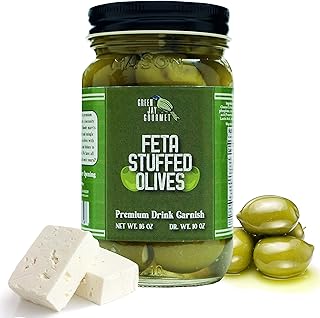

Varieties and Substitutes: Includes different types like Bulgarian feta and vegan feta alternatives
Feta cheese, known for its crumbly texture and tangy flavor, comes in various forms that cater to different tastes and dietary needs. One popular variety is Bulgarian feta, which is often milder and creamier than its Greek counterpart. This type of feta is typically made from cow's milk or a blend of cow and sheep's milk, offering a unique taste profile that is less salty and more buttery.
For those following a plant-based diet or looking to reduce their dairy intake, vegan feta alternatives are readily available. These substitutes are usually made from soy milk, almond milk, or coconut milk, and are often fortified with nutritional yeast to mimic the cheesy flavor. Vegan feta can be used in a variety of dishes, from salads to sandwiches, providing a cruelty-free option without sacrificing taste.
In addition to Bulgarian feta and vegan alternatives, there are other regional variations of feta cheese worth exploring. For instance, Turkish feta, known as beyaz peynir, is another popular option that is slightly milder and moister than Greek feta. It is often used in traditional Turkish dishes such as börek and gözleme.
When selecting a feta cheese, it's important to consider the ingredients and production methods, especially for those with specific dietary restrictions. Some feta cheeses may contain enzymes derived from animal sources, which are not suitable for vegetarians. Checking the label for certification from organizations like the Vegetarian Society can help ensure that the product meets dietary requirements.
In conclusion, the world of feta cheese offers a diverse range of options, from traditional Greek feta to regional variations and vegan substitutes. By exploring these different types, one can discover new flavors and textures while catering to various dietary needs and preferences.
Exploring the Rich Diversity of French Cheeses: A Gourmet's Guide
You may want to see also
Frequently asked questions
Feta is a type of brined curd white cheese made in Greece from sheep's milk or from a mixture of sheep and goat's milk.
Feta cheese is often used in Greek cuisine, notably in dishes like Greek salad, spanakopita (spinach pie), and as a topping for various foods. It's also popular in salads, sandwiches, and as a garnish for olives and other appetizers.
Feta cheese is rich in nutrients, including protein, calcium, and vitamins B12 and K2. It's also relatively low in calories and fat compared to other cheeses, making it a popular choice for those looking to add flavor to their meals without excessive calorie intake.


![Traditional Feta Chunk has a rich, creamy texture and bold, tangy taste that elevates any dish. Inspired by Greek tradition, it’s made with fresh, simple ingredients for authentic flavor. Crumble it over salads, tuck it into wraps, or serve it on a cheeseboard—this versatile cheese adds a Mediterranean twist to your favorite foods. It’s a delicious way to bring depth and character to everyday meals or special recipes. [ 32 oz , 2 lb ]](https://m.media-amazon.com/images/I/51MZ2OhOE-L._AC_UL320_.jpg)
![Crumbled Traditional Feta Cheese , delivers a deliciously creamy, tangy flavor inspired by Greek tradition. Made with fresh, simple ingredients, this feta is easy to sprinkle over your favorite dishes—from salads and wraps to pastas and grain bowls. Add a flavorful twist to everyday meals with ease. Conveniently packaged in a resealable tub . [16 oz . 1 poubd ]](https://m.media-amazon.com/images/I/51PwpPkU-oL._AC_UL320_.jpg)


![Feta Crumbles, have a firm texture and salty flavor that brings out the best any dish. It is the perfect spruce up to any gathering. Pair with your favorite wine, beer or salad. [ 22 oz, 1.3 lb ]](https://m.media-amazon.com/images/I/51RtUvD6FSL._AC_UL320_.jpg)